


 中文简体
中文简体 Español
 Français
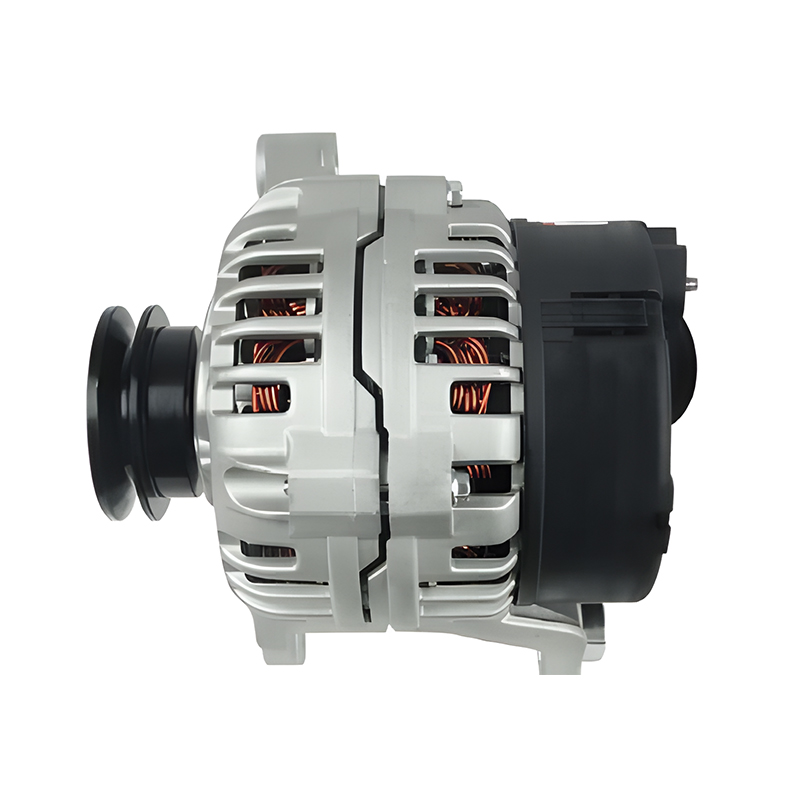
The 24V 55A 12135/0120469978 Bosch car alternator for IVECO EuroCargo EuroTrakker 100E15 90E37 is a reliable power solution specifically engineered for the IVECO EuroCargo EuroTrakker 100E15 90E37 eng...
See Details

Get A Quote
Understanding the Parts of a Car Alternator: A Complete Component Buying Guide
Aug 19, 2026
A familiar scene in every repair shop: the battery tests fine, but the charging warning light is on. You check the alternator and find output sitting at 12.1 volts instead of the normal charging range. When you tear the unit down, the cause is rarely a mystery. One of the internal parts of a car alternator has worn out, burned up, or simply lost the ability to do its job. Understanding each component, how they work together, and which ones fail first makes diagnosis quicker, helps you avoid repeat comebacks, and makes buying a replacement far less of a guessing game.
Content
- 1 The Main Parts of a Car Alternator at a Glance
- 2 The Pulley: Where Engine Power Enters the Alternator
- 3 The Rotor: The Spinning Magnetic Core
- 4 The Stator: Where the Current Is Generated
- 5 The Diode Rectifier: Turning AC into DC
- 6 The Voltage Regulator: Keeping Output Under Control
- 7 Brushes, Slip Rings, and Bearings: The Wear Parts
- 8 Housings and Cooling Fan: Protection and Heat Management
- 9 What This Means When You Buy a Replacement Alternator
The Main Parts of a Car Alternator at a Glance
Every alternator, whether it is a compact unit for a small hatchback or a high-output model for a working truck, relies on the same core set of components.
| Component | What It Does |
|---|---|
| Pulley | Transfers belt-driven mechanical power to the rotor shaft |
| Rotor | Creates the rotating magnetic field inside the unit |
| Stator | Produces alternating current through electromagnetic induction |
| Diode rectifier | Converts AC output into the DC power the vehicle needs |
| Voltage regulator | Adjusts field current to keep charging voltage in range |
| Brushes and slip rings | Feed field current to the spinning rotor |
| Bearings | Support the rotor shaft and keep it centered |
| Front and rear housings | Enclose the components and mount the alternator to the engine |
| Cooling fan | Draws air through the housing to remove waste heat |
The rest of this article follows the path of energy through the unit, starting where the engine hands power to the alternator.
The Pulley: Where Engine Power Enters the Alternator
The pulley is the first point of contact with the engine drive belt. It transfers rotational mechanical energy from the crankshaft to the alternator rotor shaft. Pulleys come in different diameters and groove profiles depending on whether the vehicle uses a serpentine belt, a V-belt, or a multi-rib layout.
The pulley ratio matters more than most people realize. A smaller pulley spins the rotor faster at idle, which helps keep charging output up when the engine runs at low speed. If the alternator uses an overrunning pulley, it also absorbs belt vibration and extends belt life. When replacing an alternator, keeping the correct pulley for the vehicle is essential. Swapping in a different diameter changes the output curve and can produce belt slip or noise.
The Rotor: The Spinning Magnetic Core
Inside the housing, the rotor is the component that creates the magnetic field. It is an electromagnetic assembly with a field coil wrapped around a central iron core and enclosed by claw-shaped pole pieces. When current flows through the field coil, the claw poles become alternating north and south magnetic regions around the shaft.
The rotor sits in the middle of the machine, so when the pulley spins the shaft, the magnetic field rotates with it. That rotating field is what induces current in the surrounding stator. The strength of the field changes with the amount of field current, and the voltage regulator uses that relationship to control output.
At the rear of the rotor shaft, two copper slip rings provide the electrical connection for the field current. Because the rotor carries the mass of the unit on its shaft, its balance and bearing support directly affect noise, vibration, and service life.
The Stator: Where the Current Is Generated
The stator is the stationary winding that surrounds the rotor. It is built from a stack of laminated steel rings with copper windings placed in slots around the inner face. The windings are arranged in a three-phase configuration, which is why alternator output has the smooth, overlapping pattern that the rectifier can convert into usable direct current.
As the rotating magnetic field sweeps past the stator windings, alternating current is induced in each phase. The number of turns, wire grade, and lamination quality determine the alternator's output rating and efficiency. Higher-output alternators typically use thicker wire and a larger stator to handle more current without overheating. For a complete picture of the charging cycle, this guide to how a car alternator works connects these components to the rest of the electrical system.
The Diode Rectifier: Turning AC into DC
A vehicle's electrical system runs on direct current, but the stator naturally produces alternating current. The diode rectifier, also called the rectifier assembly, is the component that bridges that difference. It contains six diodes for a standard three-phase alternator, arranged in pairs so that current flows in only one direction.
The diodes are mounted on aluminum heat sinks because they generate heat under load. When a diode fails, output becomes uneven. Flickering lights, AC ripple that disturbs sensitive modules, and a whine from the alternator are common signs of a rectifier problem. The rectifier is worth checking on any used unit, and it is one reason a new alternator with fresh diodes is often more dependable than a rebuilt one with reused electrical parts.
The Voltage Regulator: Keeping Output Under Control
The voltage regulator is the control brain of the alternator. It monitors system voltage and adjusts the field current going to the rotor so that output stays within a set range. In a 12V system, the regulator usually holds charging voltage around 13.8 to 14.5 volts. In a 24V system, the range is roughly 27.5 to 28.5 volts.
Modern regulators are fully electronic and respond quickly to load changes. That keeps voltage stable when headlights, heating, audio, and other accessories switch on at the same time. A failing regulator can overcharge the battery, boiling off electrolyte, or undercharge it, leaving the battery permanently low. Because the regulator controls field current, its condition also affects how hard the alternator works at idle and how much engine load it creates.
Brushes, Slip Rings, and Bearings: The Wear Parts
Three parts account for a large share of alternator failures, and all of them are mechanical wear items.
Brushes and slip rings deliver the field current to the rotor. Brushes are small carbon blocks that press against the slip rings on the rotor shaft. As the brushes wear shorter and the slip ring surface develops grooves, contact becomes unreliable. Worn brushes cause intermittent charging or a complete loss of output. Slip rings can be cleaned or slightly turned if the surface is only lightly scored.
Bearings support the rotor shaft at the front and rear of the unit. They keep the rotor centered inside the stator and allow the shaft to spin freely. Bad bearings make a grinding or squealing noise long before the alternator stops charging. In many cases, a noisy alternator is simply a bearing problem. Brush dust and bearing debris can also work their way into the windings, which is one of the strongest arguments for installing a clean, new alternator rather than reusing a tired one.
Housings and Cooling Fan: Protection and Heat Management
The front and rear housings hold every component in place and attach the alternator to the engine. Most housings are die-cast aluminum because it is lightweight and transfers heat efficiently. The rear housing usually carries the electrical terminals, including the main output stud and the sensing and ignition connections.
The cooling fan, mounted on the rotor shaft, draws air through the housing and across the stator and rectifier. Output capacity and heat are directly linked. An alternator is rated at a certain amperage at a certain temperature, and running it above that rating shortens the life of the diodes and windings. For vehicles used in hot climates or with heavy electrical loads, a high-output alternator is built with larger heat sinks and better airflow to handle harder duty.
What This Means When You Buy a Replacement Alternator
The practical takeaway is that every component matters, but they do not all wear at the same speed. Brushes, bearings, and slip rings wear down. Regulators fail electrically. Diodes burn out from heat or voltage surges. When you choose a replacement, the unit must match the mounting pattern and connector, and it must carry the right voltage, the right amperage rating, and internals that are genuinely new instead of reused from an old core.
Before you place an order, verify these details:
- Voltage: 12V or 24V, matching the vehicle system
- Current rating: at least as high as the original specification
- Pulley type and diameter: correct for the belt layout
- Connector and terminal layout: identical to the original unit
If the vehicle carries a standard electrical load, staying at the original output rating is the safest choice. A 12V 80A alternator for Toyota Camry covers normal night driving, air conditioning, and factory audio without strain. For a car with heated seats, parking sensors, or extra infotainment equipment, the headroom of a 12V 120A alternator for Mercedes C200 keeps the regulator from running at maximum field current all the time. For a BMW E46 with aftermarket audio or additional lighting, a 12V 150A alternator for BMW E46 supports the higher continuous demand more comfortably.
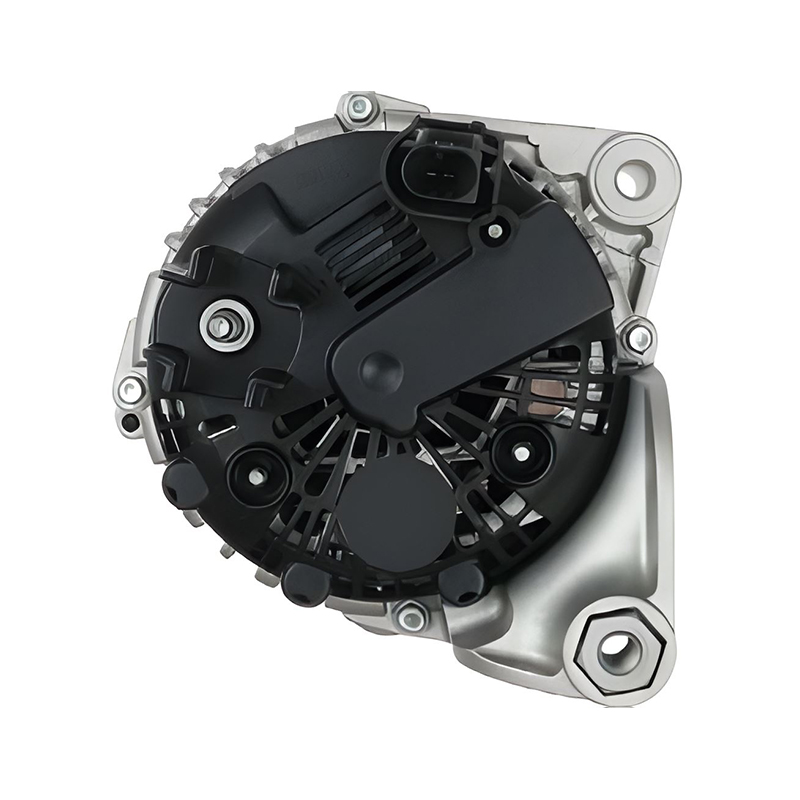 12V 150A 22970N/12317789980 VALEO car alternator for BMW E46, E53, E83 2000-2004Hancheng offer OEM 12V 150A 22970N/12317789980 VALEO car alternator for BMW E46, E53, E83 2000-2004 M57D30, Designed as a reliable replac...View Product →
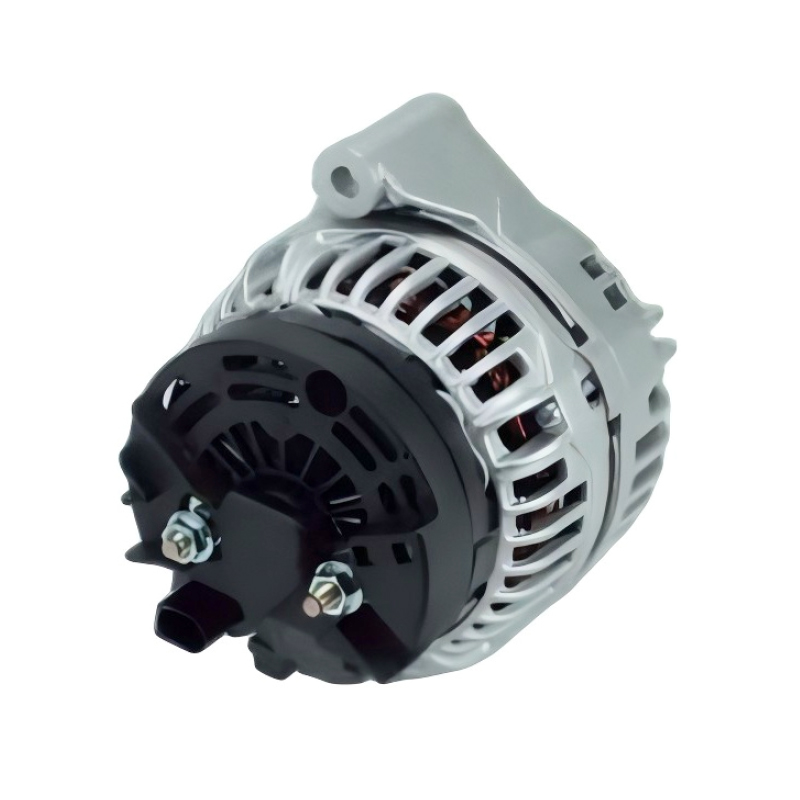 12V 120A 14001/0124515041 Bosch car alternator for MERCEDES C200 C230 M111.982/Hancheng offer OEM 12V 120A 14001/0124515041 Bosch car alternator for MERCEDES C200 C230 M111.982/M111.956, Designed as a reliable power...View Product →
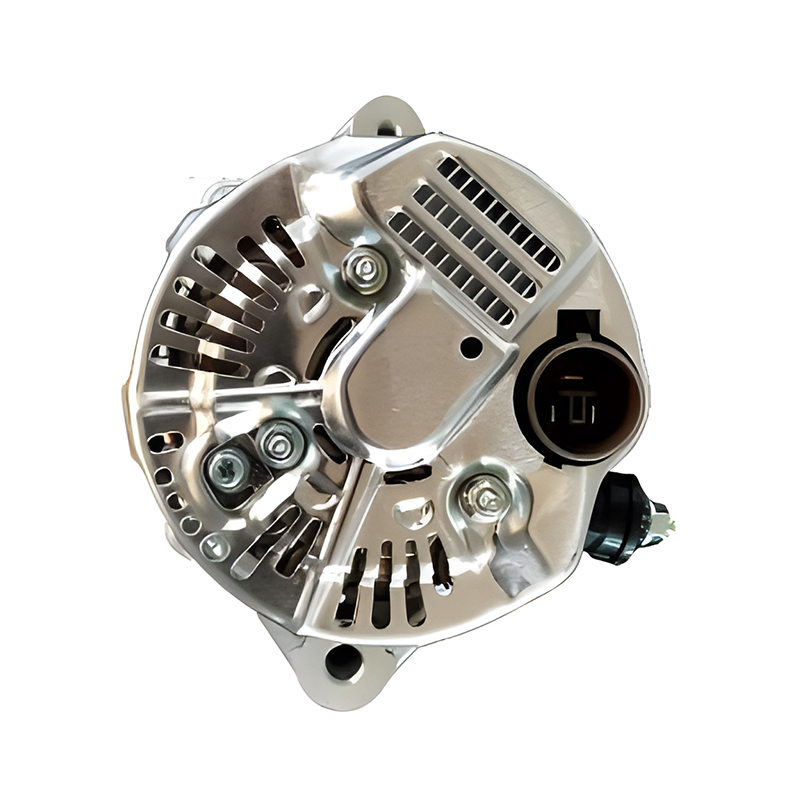 12V 80A 13277N/2706062011 DENSO car alternator for TOYOTA CAMRY 6-GROOVE PULLEY,Hancheng offer OEM 12V 80A 13277N/2706062011 DENSO car alternator for TOYOTA CAMRY 6-GROOVE PULLEY, The 12V 80A 13277N/2706062011 DENSO c...View Product →
Comparing the old part number, voltage, and connector layout before ordering prevents most fitment mistakes. When you know what each component does, you can compare alternators with confidence and choose the right alternator for your vehicle based on the actual electrical load. A new unit with a fresh stator, new diodes, and new brushes is usually the difference between an alternator that lasts another five years and one that comes back under warranty in a few months.
Related products
-
-
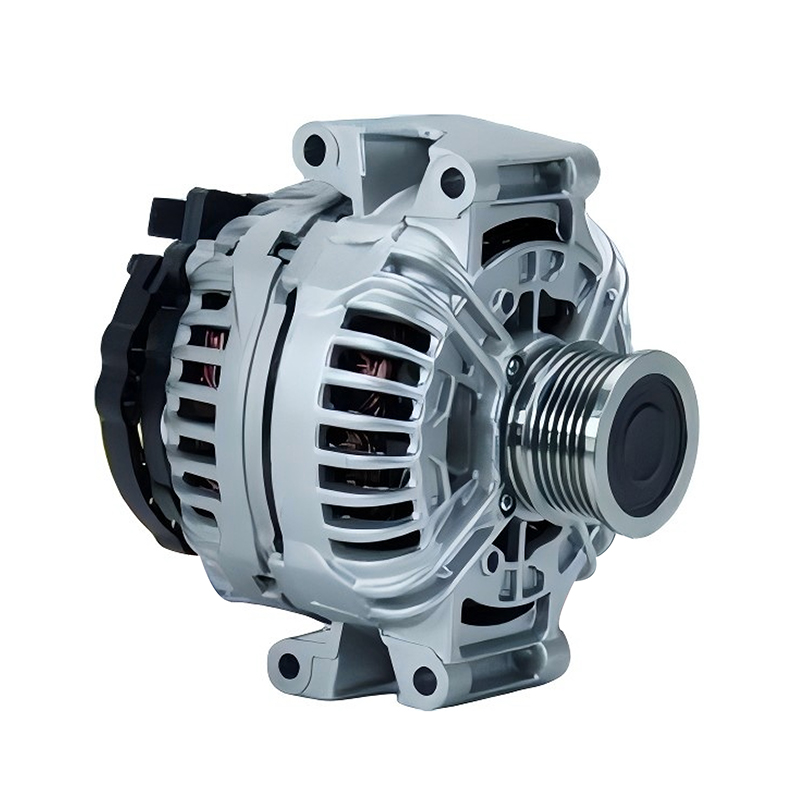
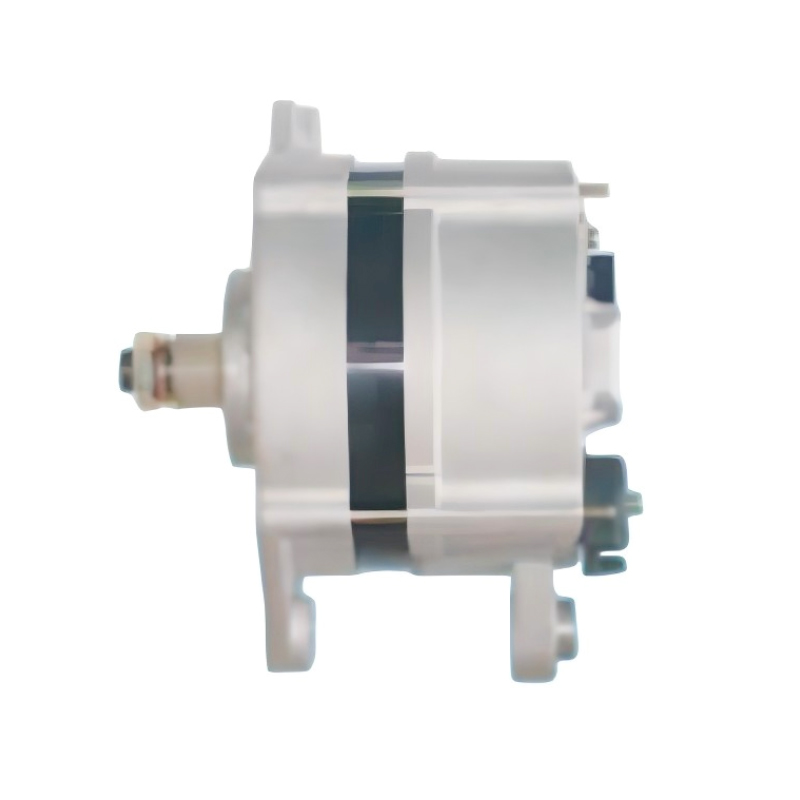
Designed to meet the demanding electrical needs of modern vehicles, the 12V 150A 11064/0124615009 Bosch car alternator for AUDI A4 1.6L, 1.8L, 2.0L is a trusted solution for AUDI A4 owners. Boasting a...
See Details -
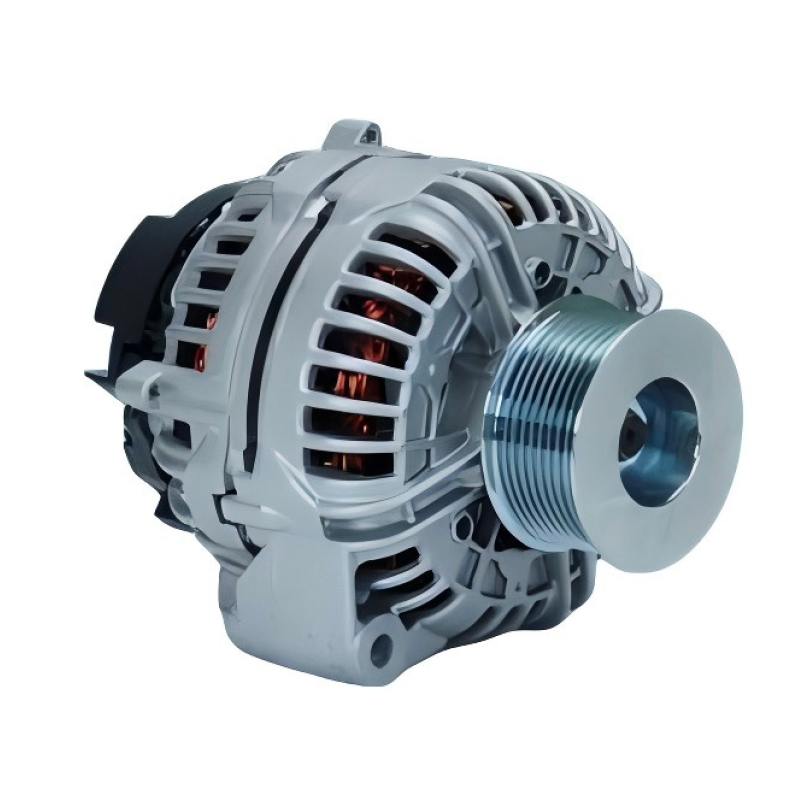
When it comes to keeping your JOHN DEERE 2007-2009 model running smoothly, a reliable alternator is non-negotiable—and the 12V 200A 12796/0124625030 Bosch car alternator for JOHN DEERE 2007-2009 is en...
See Details -
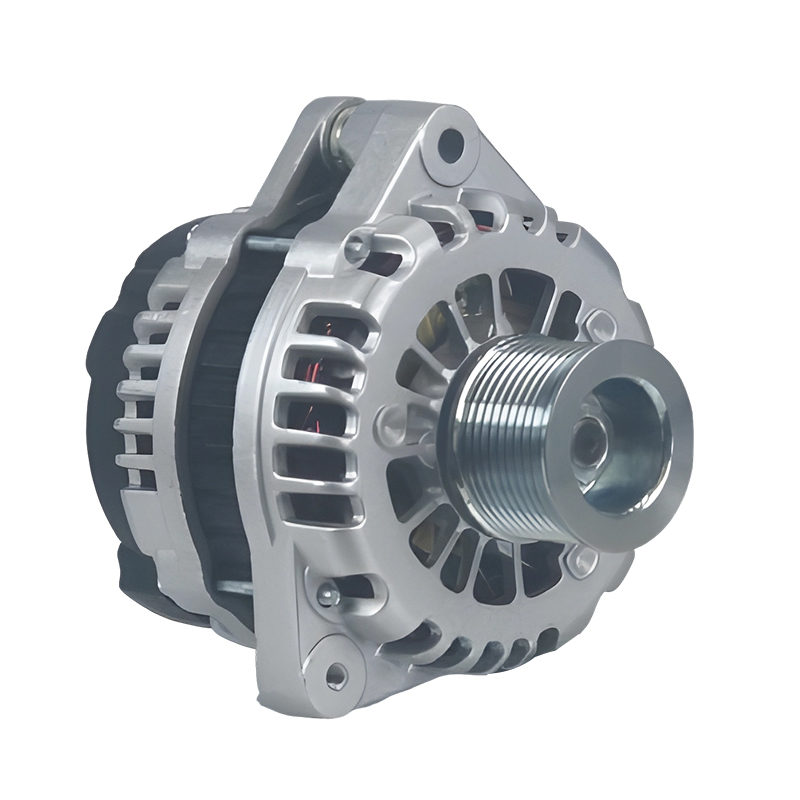
A reliable power solution for commercial and passenger vehicles, the 24V 90A 20289N/0123520500 Bosch car alternator for Hongyan,Genlyon,Saic,lveco,Howo,Weicha is engineered to deliver consistent perfo...
See Details -
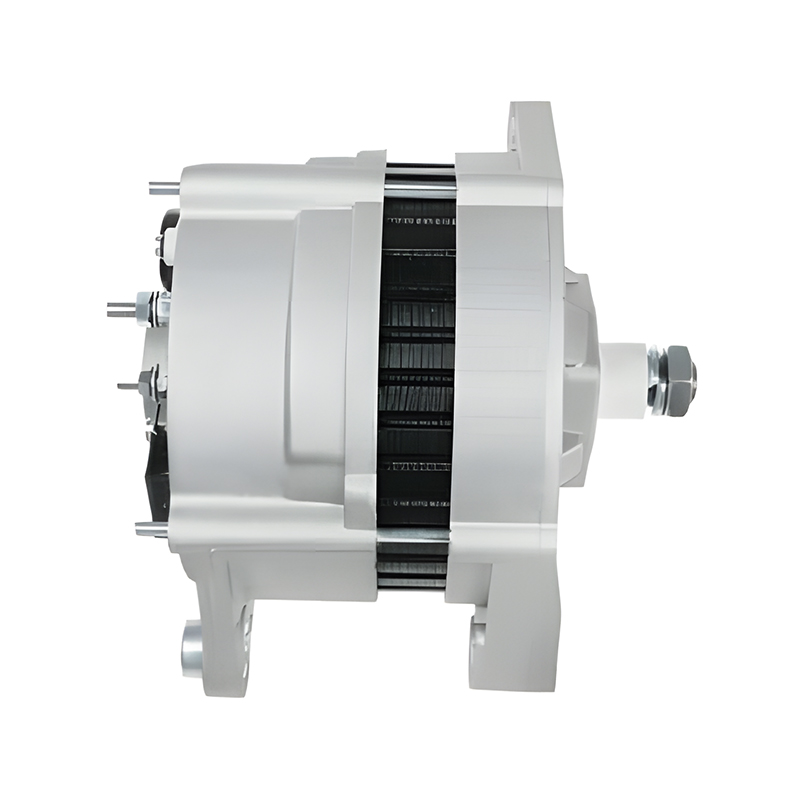
Designed as a reliable power solution for the IVECO 100 E15 engine series, the 24V 80A 12709/0120468116 Bosch car alternator for IVECO 100 E15 combines precision engineering with durable performance t...
See Details -
The 12V 90A 0123315503/112406 Bosch car alternator for IV ECO DAIY is a high-quality replacement part specifically designed for the IV ECO DAIY engine series, offering reliable performance to meet the...
See Details

Contact Information
-
Production Plant:No.19, West Taihu Avenue, Wujin District, Changzhou City, Jiangsu Province, China
-
Email:
-
Phone:+86 157 2060 1523
-
TEL:+86-519 8639 0626
Copyright © 2025 Changzhou Hancheng Auto Parts Co., Ltd. All Rights Reserved.
PrivacyAutomotive Alternators Manufacturers High Output Car Alternator Factory
