


 中文简体
中文简体 Español
 Français
The 24V 55A 12135/0120469978 Bosch car alternator for IVECO EuroCargo EuroTrakker 100E15 90E37 is a reliable power solution specifically engineered for the IVECO EuroCargo EuroTrakker 100E15 90E37 eng...
See Details

Get A Quote
How a Car Alternator Works and Why It Matters for Vehicle Reliability
Jan 29, 2026
Content
Core Function of a Car Alternator in Modern Vehicles
A car alternator is a key electrical component responsible for converting mechanical energy from the engine into electrical power. While the engine is running, the alternator supplies electricity to vehicle systems and keeps the battery charged. Without a properly functioning alternator, the battery would discharge quickly, leading to system failures and eventual engine shutdown.
Unlike older generators, modern alternators are designed to produce stable output across a wide range of engine speeds. This allows consistent power delivery to lighting systems, engine control units, infotainment components, and safety electronics during both city driving and highway operation.
Main Components and Operating Principle
A typical car alternator consists of a rotor, stator, rectifier, voltage regulator, and cooling system. These parts work together to generate and regulate electrical energy efficiently under varying loads.
Key Internal Elements
- Rotor generates a rotating magnetic field driven by the engine belt.
- Stator windings produce alternating current as the magnetic field rotates.
- Rectifier converts alternating current into direct current for vehicle use.
- Voltage regulator maintains output within a controlled range.
Electrical Output and Load Management
A car alternator must handle fluctuating electrical demands depending on driving conditions. Headlights, climate control systems, heated seats, and electronic driver assistance features can significantly increase power consumption. The alternator adapts by adjusting field current to match real-time load requirements.
Stable voltage regulation is critical for protecting sensitive electronic modules. Overvoltage may damage control units, while undervoltage can lead to poor system performance or warning indicators on the dashboard.
Comparison of Alternator Output Characteristics
| Engine Speed | Electrical Output Stability | Battery Charging Behavior |
| Idle | Moderate | Maintains charge |
| Cruising | High | Efficient charging |
| High Load | Regulated | Balanced supply |
Common Failure Modes and Performance Symptoms
Car alternator issues often develop gradually. Worn bearings, degraded brushes, or rectifier faults can reduce output efficiency. Early symptoms may include dim headlights, slow power window operation, or intermittent warning lights.
Ignoring these signs can lead to complete electrical failure, as the battery alone cannot support extended vehicle operation. Regular inspection of belt tension, electrical connections, and charging voltage helps reduce unexpected breakdowns.
Why Alternator Quality Affects Long-Term Reliability
A well-designed car alternator supports long-term vehicle reliability by delivering consistent power and reducing electrical stress on other components. Materials used in windings, rectifiers, and regulators influence heat resistance and service life, especially in vehicles with high electrical loads.
As vehicles continue to integrate more electronic systems, alternator performance plays an increasingly important role in overall drivability and system stability. Choosing an alternator that matches vehicle specifications helps maintain dependable operation over time.
Related products
-
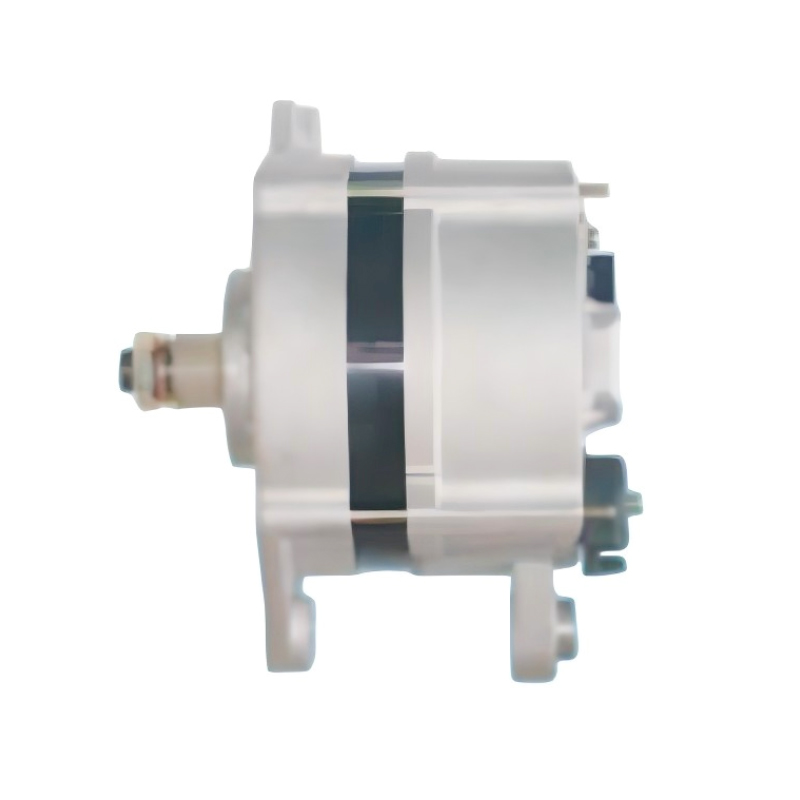
-
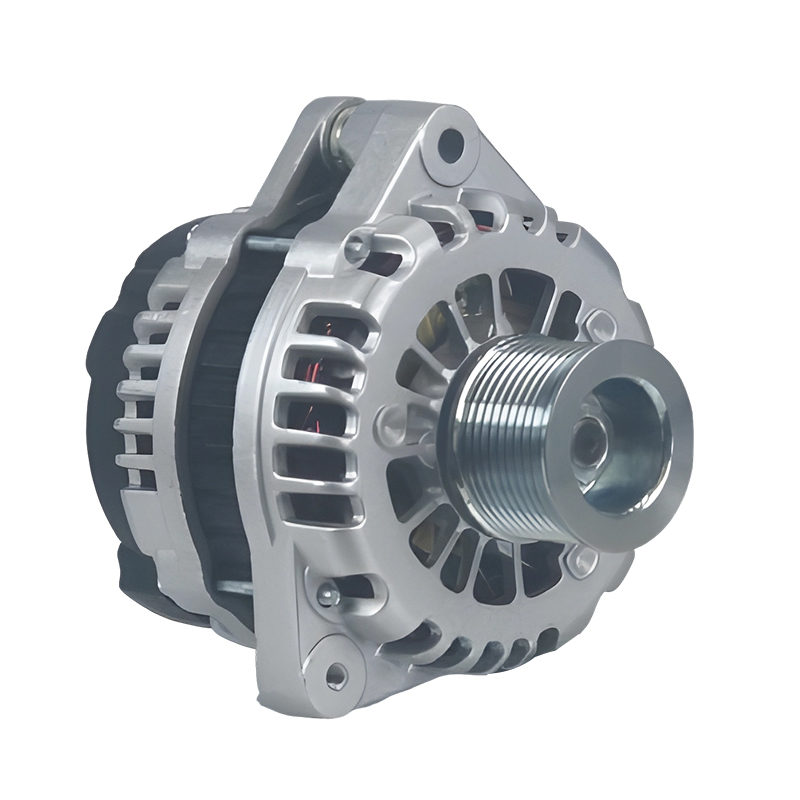
A reliable power solution for commercial and passenger vehicles, the 24V 90A 20289N/0123520500 Bosch car alternator for Hongyan,Genlyon,Saic,lveco,Howo,Weicha is engineered to deliver consistent perfo...
See Details -
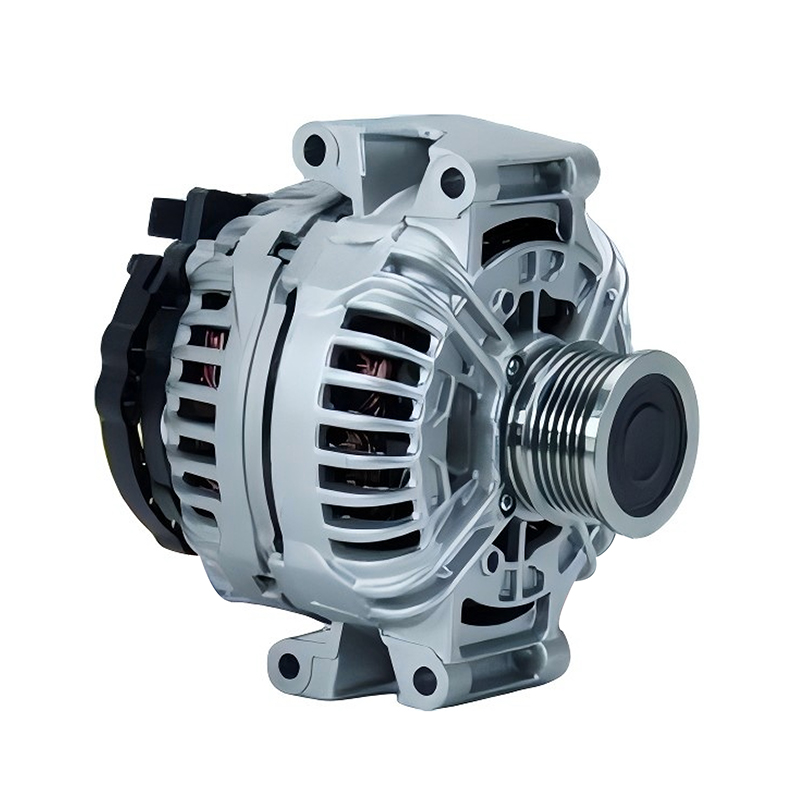
Designed to meet the demanding electrical needs of modern vehicles, the 12V 150A 11064/0124615009 Bosch car alternator for AUDI A4 1.6L, 1.8L, 2.0L is a trusted solution for AUDI A4 owners. Boasting a...
See Details -
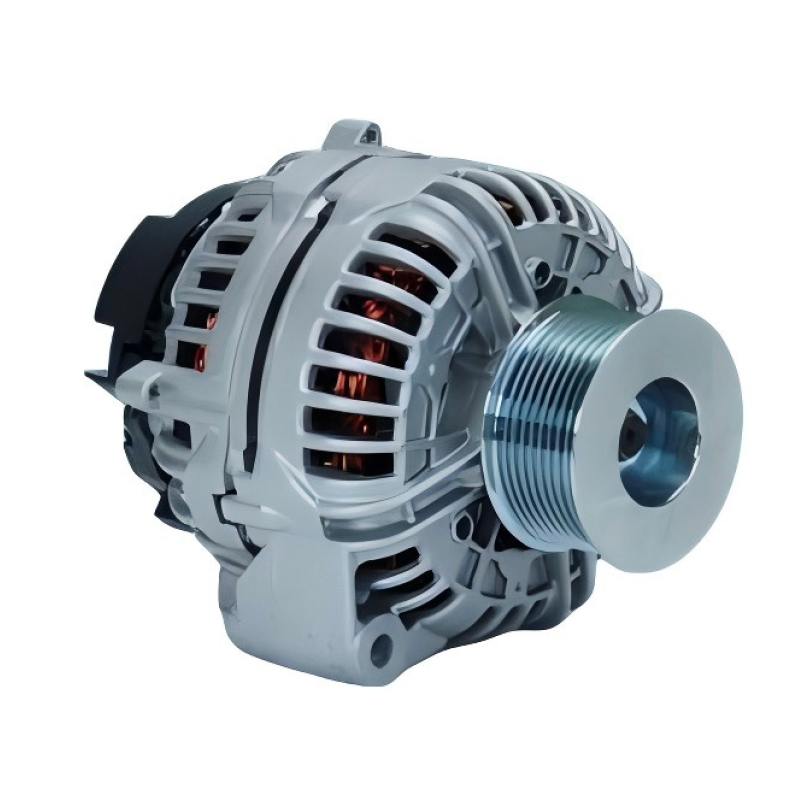
When it comes to keeping your JOHN DEERE 2007-2009 model running smoothly, a reliable alternator is non-negotiable—and the 12V 200A 12796/0124625030 Bosch car alternator for JOHN DEERE 2007-2009 is en...
See Details -
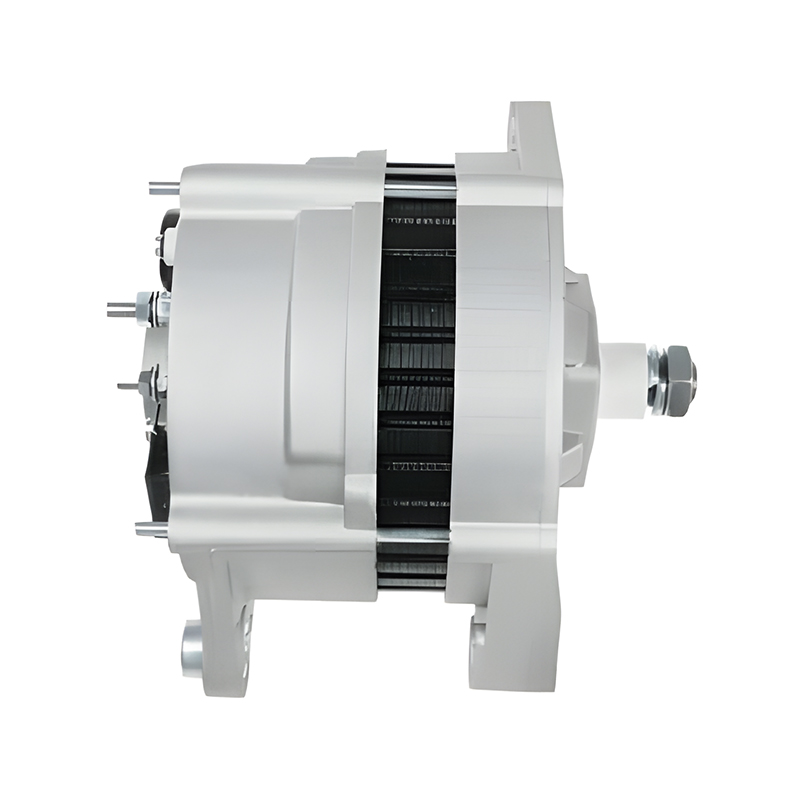
Designed as a reliable power solution for the IVECO 100 E15 engine series, the 24V 80A 12709/0120468116 Bosch car alternator for IVECO 100 E15 combines precision engineering with durable performance t...
See Details -
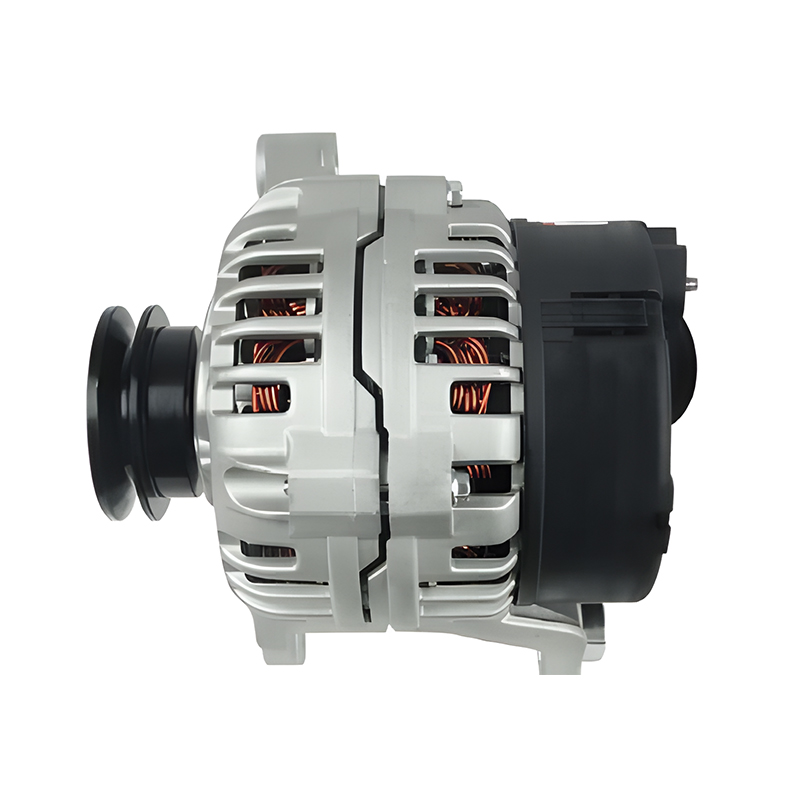
The 12V 90A 0123315503/112406 Bosch car alternator for IV ECO DAIY is a high-quality replacement part specifically designed for the IV ECO DAIY engine series, offering reliable performance to meet the...
See Details

Contact Information
-
Production Plant:No.19, West Taihu Avenue, Wujin District, Changzhou City, Jiangsu Province, China
-
Email:
-
Phone:+86 157 2060 1523
-
TEL:+86-519 8639 0626
Copyright © 2025 Changzhou Hancheng Auto Parts Co., Ltd. All Rights Reserved.
PrivacyAutomotive Alternators Manufacturers High Output Car Alternator Factory
