


 中文简体
中文简体 Español
 Français
Designed to meet the demanding electrical needs of modern vehicles, the 12V 150A 11064/0124615009 Bosch car alternator for AUDI A4 1.6L, 1.8L, 2.0L is a trusted solution for AUDI A4 owners. Boasting a...
See Details

Get A Quote
Alternator Parts Explained: Key Components, Failure Points and Sourcing Tips
Aug 28, 2026
A delivery van rolls back into the yard with the battery light glowing and headlights that dim at every idle; the next morning it will not crank. In most cases the battery is not the real fault. The problem sits inside the alternator, and it is almost always one of a short list of parts: the brushes, the bearings, the rectifier diodes, or the voltage regulator.
That short list is the practical value of knowing alternator parts. Workshops that read the symptoms correctly order the right component or the right complete unit on the first attempt. Fleet buyers and parts distributors who understand which parts fail, and why, can decide sensibly between rebuilding a unit and replacing it outright. The sections below cover the main components, how they work together, which parts fail first, and the specification checks that prevent costly ordering mistakes.
Content
What Is Inside an Alternator
An alternator is a compact electromechanical converter. The engine's drive belt turns the pulley, the pulley spins a rotating electromagnet called the rotor inside a fixed set of windings called the stator, and the alternating current this generates is rectified into direct current for the battery and every electrical load on the vehicle. Everything else in the housing exists to support, control, or cool that process.
Eight parts do nearly all the work in every unit, whether it fits a compact hatchback or a mining loader:
| Part | What It Does | Common Failure Mode |
|---|---|---|
| Pulley, including one-way clutch versions | Transfers belt drive from the engine; the clutch damps belt shock | Worn clutch, belt squeal |
| Rotor and field winding | Spinning electromagnet that creates the rotating magnetic field | Worn slip rings, open or shorted winding |
| Stator windings | Fixed three-phase windings that produce AC output | Heat-damaged insulation, shorted phases |
| Rectifier bridge | Six diodes that convert three-phase AC into DC | Failed diodes, AC ripple, battery light on |
| Voltage regulator | Holds output near 14.2V in 12V systems and around 28V in 24V systems | Overcharging or undercharging |
| Brushes and slip rings | Carry field current out to the spinning rotor | Brush wear, the most frequent failure overall |
| Ball bearings | Support the rotor shaft at the front and rear | Whining noise, shaft wobble |
| Cooling fan and end frames | Pull air through the housing and carry the mounting points | Blocked airflow, cracked mounting ears |
How the Parts Work Together
Following one charging cycle through the unit shows why each part matters:
- The drive belt spins the pulley and, with it, the rotor shaft.
- Field current flows from the regulator through the brushes and slip rings into the rotor winding, creating a rotating magnetic field.
- That field sweeps past the stator windings and induces three-phase alternating current.
- The rectifier bridge converts the alternating current into direct current.
- The regulator continuously adjusts field current to hold output near 14.2V in a 12V system, or around 28V in a 24V system.
- Charging current reaches the battery and supplies lights, control units, fans, and every other load.
The chain also explains how one worn part drags the whole unit down. Worn brushes starve the rotor of field current and output collapses within seconds. A single shorted diode leaves AC ripple on the DC side, which disturbs sensitive electronics and triggers the battery warning. A dragging bearing adds mechanical load, heat builds, and every other component inside ages faster. For a fuller walkthrough of the cycle, this guide on how a car alternator works and why it matters follows the process step by step.
The Parts That Fail First
Failures are not evenly spread across the parts. Brushes and bearings are wear items by design: one carries current through sliding contact, the other carries a spinning shaft through rolling contact. Diodes and regulators fail mainly from heat, which accumulates under sustained high load, high under-hood temperatures, and restricted airflow. Stator and rotor winding faults are less common, but they usually end the unit's service life.
Symptoms map to parts with reasonable reliability:
- Battery light at idle that clears at speed, or dim lights: worn brushes, a slipping belt, or weak diodes.
- Whining or grinding that rises with engine speed: a worn bearing or a failing clutch pulley.
- Bulging battery case and a sulfur smell: an overcharging regulator; sort it out before the new battery fails too.
- Flickering displays and random electrical faults: AC ripple from one or more failed rectifier diodes.
- No charging output at all: a seized bearing, a broken belt, a blown fusible link, or brushes worn past their limit.
Heat is the common denominator behind most of these failures. A unit sized too close to the vehicle's true electrical demand runs hot for its entire life, and every part inside ages early. Vans and work vehicles with heated screens, electric fans, auxiliary lighting, or refrigeration units routinely outgrow their original output rating, which is why high-output replacements are specified for those duties.
The headroom those vehicles need is easiest to see in a real unit:
12V 200A high-output Bosch alternator for Mercedes-Benz Sprinter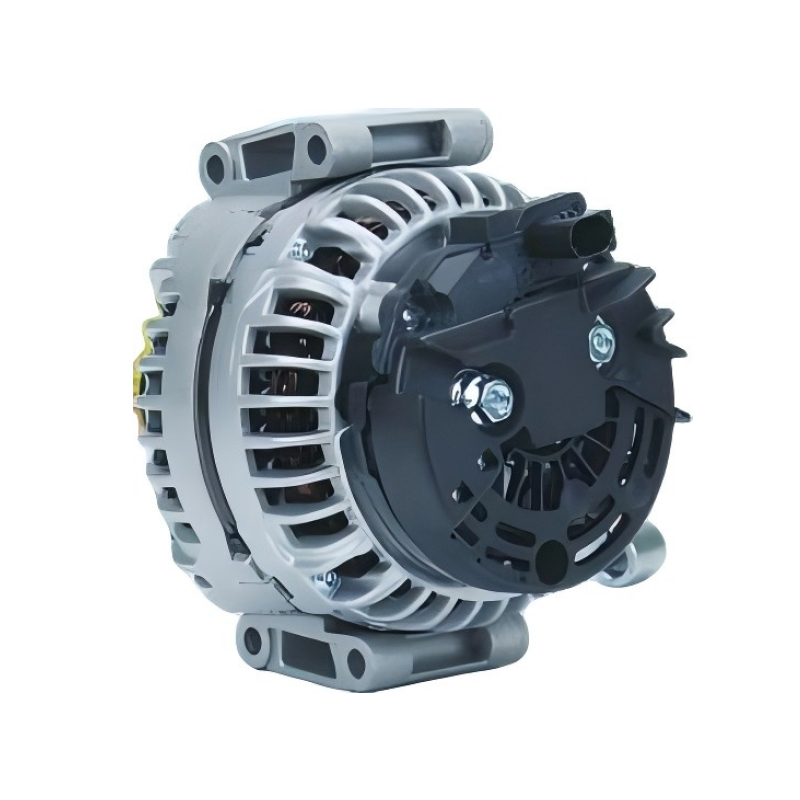 12V 200A Bosch Alternator 0124625006 for Mercedes-Benz Sprinter, Vito and Viano 2.1L CDiThis 100% new 12V 200A alternator suits Mercedes-Benz Sprinter, Vito and Viano 2.1L CDi vans. It shows why complete replacement units often make sense for passenger and light commercial vehicles, avoiding hidden wear and repeated diagnosis time.View Product →
Rebuild With Parts or Replace the Whole Unit
For passenger cars, the arithmetic usually favors a complete replacement. A brush set, regulator, or rectifier is inexpensive on its own, but diagnosis time, bearing pressing, and a second road test often erase the saving. A 100% new unit also removes the risk of hidden wear in parts that were not renewed.
A typical replacement mirrors the OE unit it supersedes: same voltage, comparable amperage, same pulley and mounting arrangement. A representative passenger-car unit:
12V 80A Denso alternator for Toyota Camry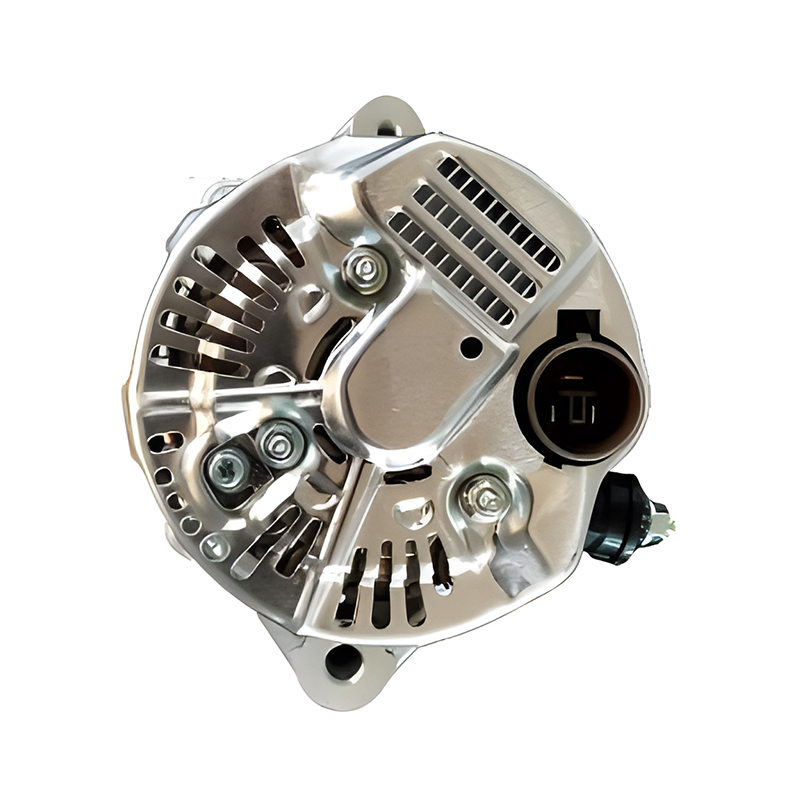 12V 80A Denso Alternator 13277N / 2706062011 for Toyota Camry with 6-Groove PulleyA representative passenger-car replacement, this 12V 80A Denso-pattern unit mirrors OE voltage, amperage, 6-groove pulley and mounting for the Toyota Camry, illustrating how replacement alternators match the units they supersede.View Product →
Heavy-duty applications tip the other way. Trucks, buses, construction machinery, and agricultural equipment use larger, more expensive alternators, and an hour of vehicle downtime can cost more than the parts. Fleet workshops commonly hold complete new units for immediate exchange and rebuild cores with service parts where the design allows. Distributors typically stock both, matched to their customer mix.
Three questions settle the decision in practice:
- Is the unit still available as a complete new replacement, and what is the price difference?
- Which parts actually failed, and how confident are you that the rest of the unit is healthy?
- What does an hour of downtime cost compared with the rebuild?
What to Check Before Ordering
Whether the order is one unit or a full container, specification errors cause more returns than quality faults do. The nameplate and the OE number settle most questions before the money moves:
- System voltage: 12V for most cars and light vans, 24V for trucks, buses, and heavy equipment.
- Rated output: match or exceed the original amperage; an undersized unit runs hot and fails early.
- OE cross-reference: the number on the original unit, such as a Bosch 0-124-series, a Denso 27060-series, or a Delco Remy reference, pins down the exact variant faster than the vehicle model alone.
- Pulley details: diameter, groove count, and whether it uses a one-way clutch, because these vary even within one engine family.
- New versus remanufactured: a new unit avoids worn cores and supports a cleaner warranty position in the aftermarket.
Construction and agricultural machinery mostly runs 24V systems sized for continuous duty. Caterpillar loaders and excavators commonly specify Delco-pattern 24V units, and distributors serving that segment order them by OE number rather than by machine model. A typical unit for that duty:
24V 75A Delco alternator for Caterpillar 34SI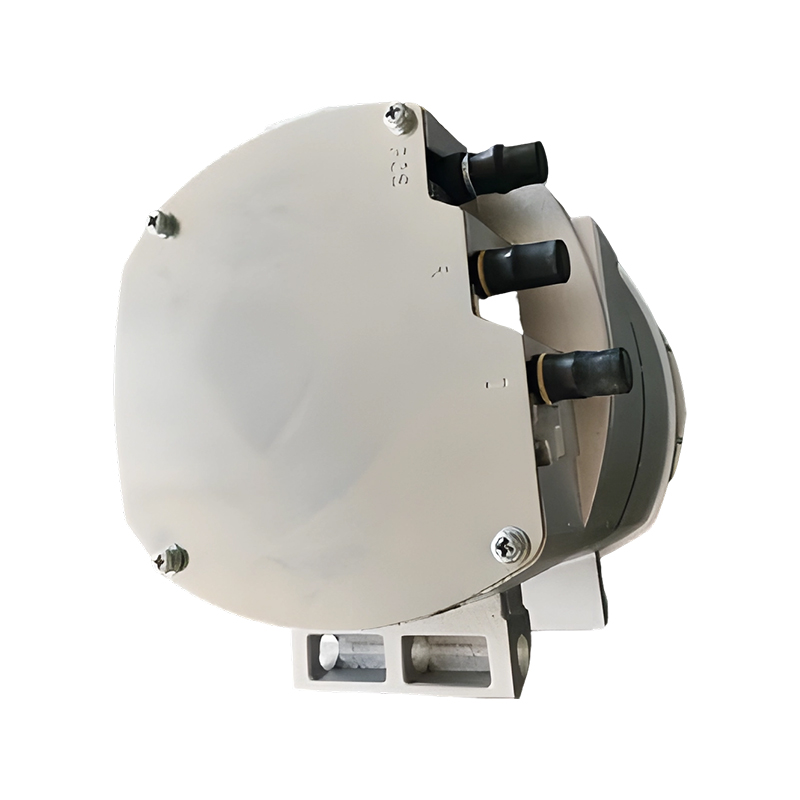 24V 75A Delco Alternator 8569N / 10459354 for 34SI Caterpillar Pad-Mount ApplicationsBuilt for 24V continuous-duty systems, this 75A Delco-pattern 34SI alternator fits Caterpillar pad-mount applications. It is typically ordered by OE number, matching how distributors specify parts for construction and agricultural machinery.View Product →
Finally, buy from suppliers who can state the electrical specification, not just the vehicle application. A manufacturer that builds its own new units can confirm rated output, regulator set point, and pulley configuration for every part number, which is the information that prevents a second return trip. Changzhou Hancheng Auto Parts, for example, manufactures 100% new alternators across the Bosch, Delco, Denso, Mitsubishi, Hitachi, Lucas, and Valeo system families as well as Chinese vehicle applications, with outputs from 20A to 250A in 12V and 24V, so a distributor can consolidate most alternator demand with a single factory. Match the specification, verify the OE number, and the part that arrives will be the part that fits.
Related products
-
-
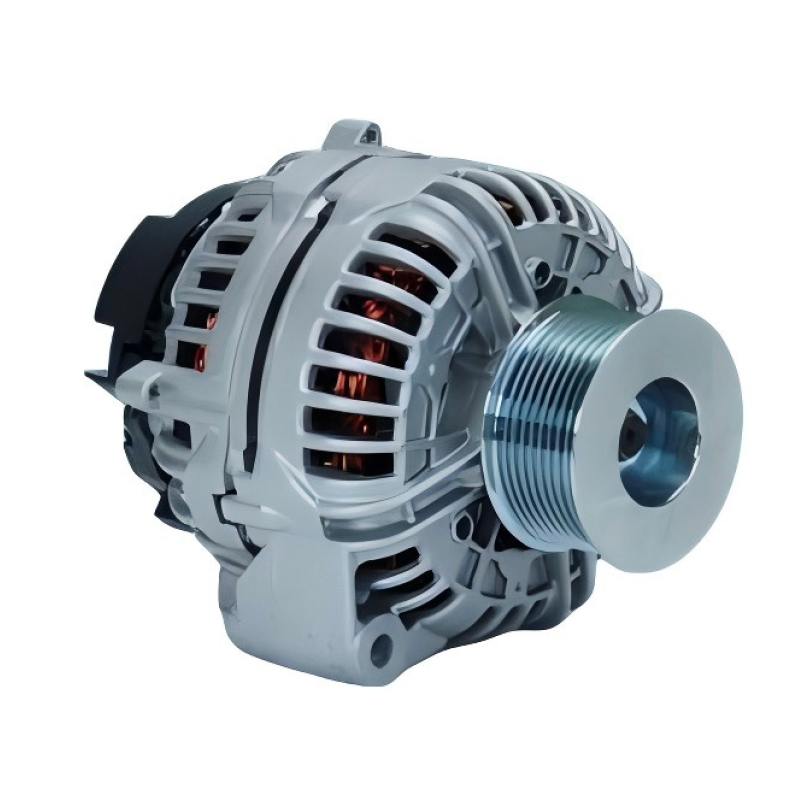
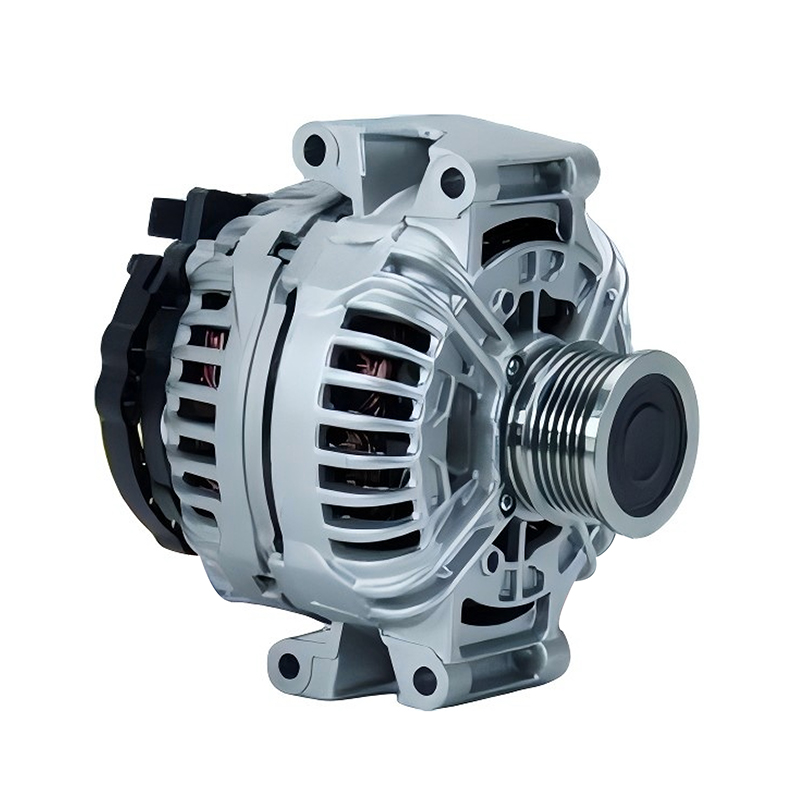
When it comes to keeping your JOHN DEERE 2007-2009 model running smoothly, a reliable alternator is non-negotiable—and the 12V 200A 12796/0124625030 Bosch car alternator for JOHN DEERE 2007-2009 is en...
See Details -
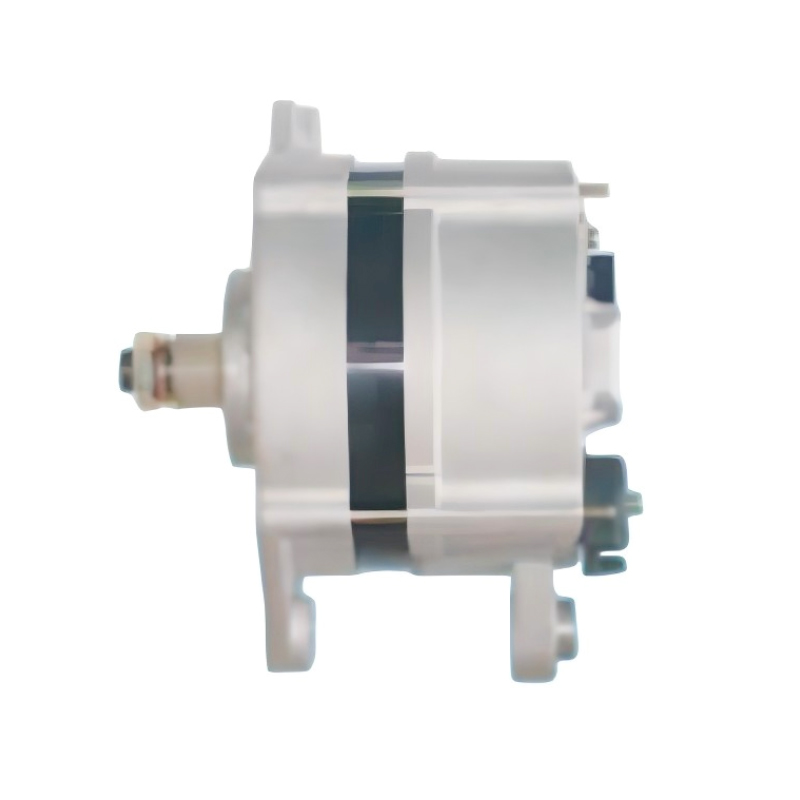
The 24V 55A 12135/0120469978 Bosch car alternator for IVECO EuroCargo EuroTrakker 100E15 90E37 is a reliable power solution specifically engineered for the IVECO EuroCargo EuroTrakker 100E15 90E37 eng...
See Details -
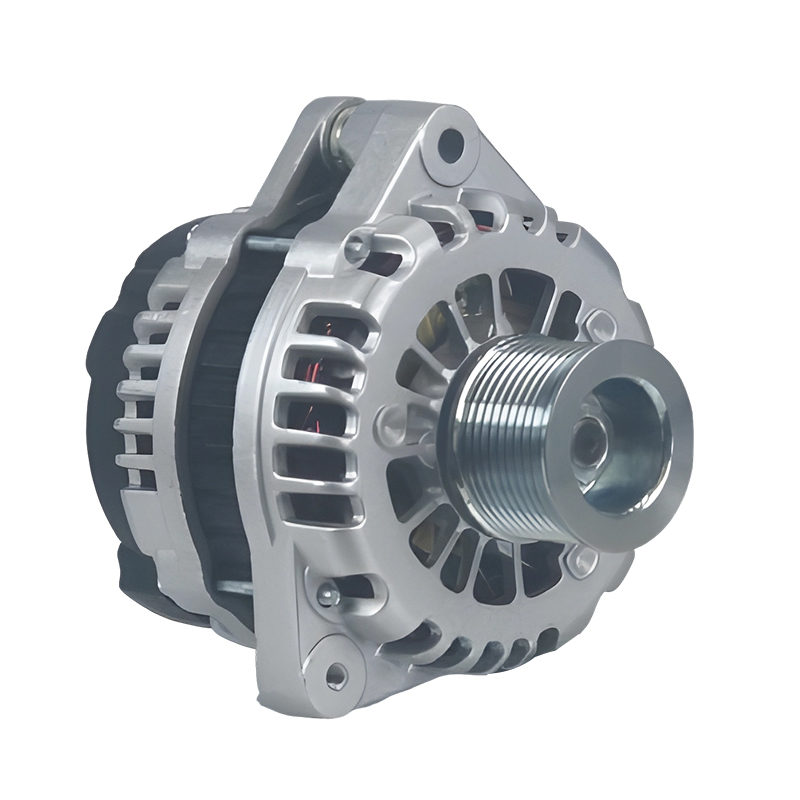
A reliable power solution for commercial and passenger vehicles, the 24V 90A 20289N/0123520500 Bosch car alternator for Hongyan,Genlyon,Saic,lveco,Howo,Weicha is engineered to deliver consistent perfo...
See Details -
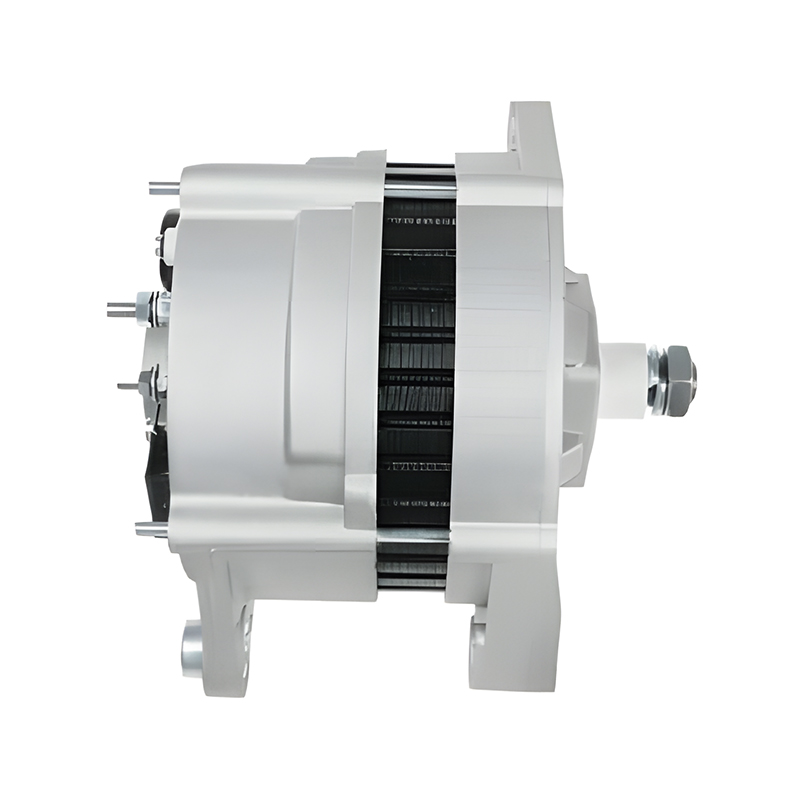
Designed as a reliable power solution for the IVECO 100 E15 engine series, the 24V 80A 12709/0120468116 Bosch car alternator for IVECO 100 E15 combines precision engineering with durable performance t...
See Details -
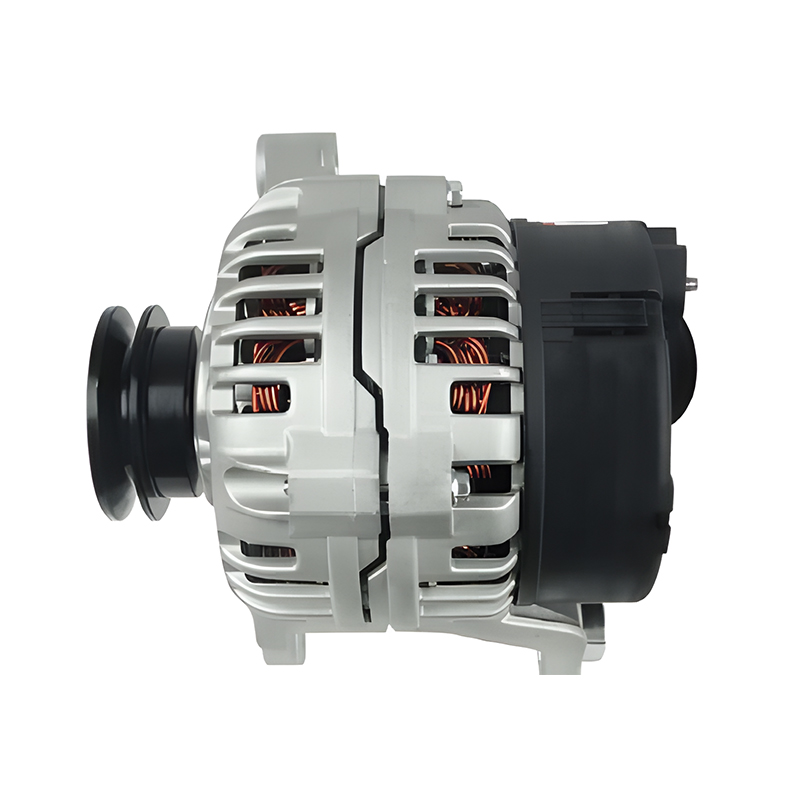
The 12V 90A 0123315503/112406 Bosch car alternator for IV ECO DAIY is a high-quality replacement part specifically designed for the IV ECO DAIY engine series, offering reliable performance to meet the...
See Details

Contact Information
-
Production Plant:No.19, West Taihu Avenue, Wujin District, Changzhou City, Jiangsu Province, China
-
Email:
-
Phone:+86 157 2060 1523
-
TEL:+86-519 8639 0626
Copyright © 2025 Changzhou Hancheng Auto Parts Co., Ltd. All Rights Reserved.
PrivacyAutomotive Alternators Manufacturers High Output Car Alternator Factory
