


 中文简体
中文简体 Español
 Français
Designed to meet the demanding electrical needs of modern vehicles, the 12V 150A 11064/0124615009 Bosch car alternator for AUDI A4 1.6L, 1.8L, 2.0L is a trusted solution for AUDI A4 owners. Boasting a...
See Details

Get A Quote
Alternator Components Explained: Rotor, Stator, Rectifier & Voltage Regulator
Aug 11, 2026
Content
What an Alternator Actually Contains
An alternator is a compact assembly of electrical and mechanical parts, not a single sealed unit. It turns engine rotation into regulated DC power using five main internal components: the rotor, stator, diode rectifier, voltage regulator, and slip rings with brushes. Around those parts sit the housing, bearings, pulley, and cooling fan. When a charging problem appears, the cause is usually inside one of these elements rather than in the battery.
Understanding the components also helps with buying decisions. A replacement alternator must contain a stator and rectifier rated for the vehicle's electrical load, not just the correct connector. If you need the full charging sequence in one place, read our explanation of how a car alternator works.
Main Alternator Components at a Glance
Each component has a specific job. The table below summarizes what each one does and which failures are most common.
| Component | Function | Common Failure Point |
|---|---|---|
| Rotor | Creates a rotating magnetic field inside the stator | Open field winding, worn slip rings |
| Stator | Holds copper windings where AC current is generated | Short circuits and heat damage |
| Diode rectifier | Converts AC to DC for the battery and vehicle loads | Shorted or open diodes, AC ripple |
| Voltage regulator | Controls field current to maintain stable system voltage | Overcharging, undercharging, flickering lights |
| Slip rings and brushes | Carry excitation current to the rotating field winding | Brush wear, contaminated slip rings |
| Housing and support parts | Hold components aligned and cool them under load | Bearing noise, fan failure, pulley misalignment |
Core Electrical Components
Rotor: The Magnetic Field Generator
The rotor is the spinning part mounted on the alternator shaft. It contains an iron core, a field winding, and claw-shaped steel poles. When current flows through the field winding, the rotor becomes an electromagnet. The voltage regulator controls the strength of this magnetic field by varying that small excitation current.
Because the rotor's magnetic field is what generates power in the stator, the rotor and stator must be designed together. A unit such as a 12V 120A Bosch alternator for the BMW 320 uses a matching rotor and stator package to deliver its rated output at the correct engine speeds.
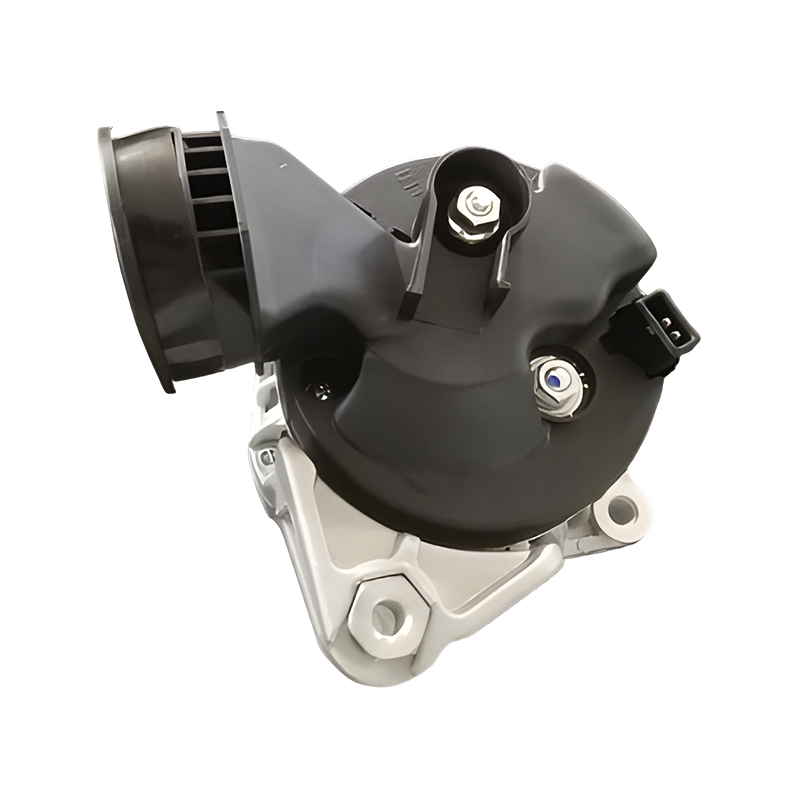 12V 120A 13882/0123515022 Bosch car alternator for BMW 320/2.0i E46 M52B20, OEM Hancheng offer OEM 12V 120A 13882/0123515022 Bosch car alternator for BMW 320/2.0i E46 M52B20, Designed as a reliable replacement for the...View Product →
Stator: Where Current Is Generated
The stator is the stationary part that surrounds the rotor. It uses laminated steel plates and three-phase copper windings. As the rotor spins, its magnetic field cuts across the stator windings and induces alternating current. This is the actual power-generation step in the alternator, not the rotor itself.
Three-phase stators are used almost universally in automotive alternators because they deliver smoother current and make better use of copper than single-phase designs. The number of winding turns and the wire cross-section set the unit's current capacity and the RPM at which it reaches full output.
Stator insulation is one of the key differences between a durable alternator and a cheap rebuild. If the windings heat up and lose their insulating varnish, current leaks between turns and output drops sharply.
Diode Rectifier: AC Becomes DC
The rectifier, also called the diode rectifier or rectifier bridge, is located on the rear of the alternator. It contains an arrangement of three, six, or eight diodes that convert the stator's AC output into DC for the battery. Each diode allows current to flow in only one direction, which smooths the negative half of the AC wave into usable DC voltage. Some alternators also use a diode trio to supply the rotor's field current once the unit is spinning.
Rectifier diodes are sensitive to heat and voltage spikes. A failed diode allows AC ripple into the system, often causing flickering headlights, an abnormal audio whine, or an overcharged battery. When the rectifier fails, replacing the whole alternator is usually more economical than replacing the diode pack alone.
Voltage Regulator: The Control Loop
The voltage regulator monitors system voltage and adjusts the rotor field current to keep it in the correct range. If voltage is too low, the regulator increases field current. If voltage is too high, it reduces field current. This closed-loop control is what protects the battery and electrical system from both undercharging and overcharging.
Most 12V passenger vehicles operate at around 14.2V regulated voltage, with an acceptable range of about 13.5V to 14.8V at the battery terminals. Heavy-duty 24V systems use a similar regulator function at roughly 28V. A bad regulator is one of the most frequent causes of battery failure because it either starves the battery or boils it.
Regulator calibration is another reason matching the part number is important. A 12V 90A Denso alternator for the Toyota Corolla is an example of a replacement that keeps the original regulator curve for that model.
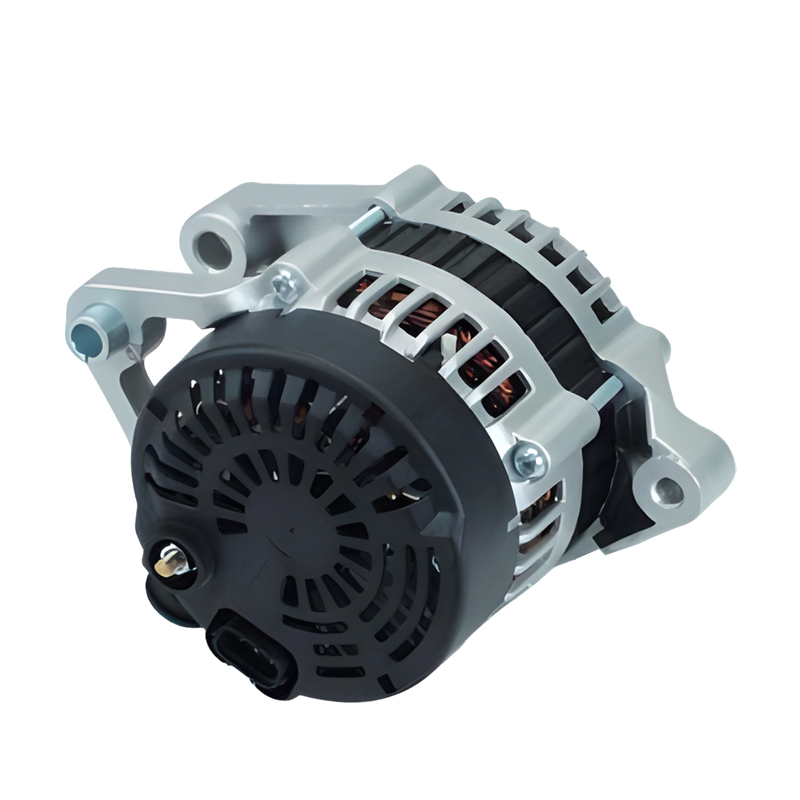 12V 90A 13482N/2706015080 DENSO car alternator for TOYOTA COROLLA 4A 5A 8A ENGINHancheng offer OEM 12V 90A 13482N/2706015080 DENSO car alternator for TOYOTA COROLLA 4A 5A 8A ENGINE, The 12V 90A 13482N/2706015080 DENSO...View Product →
Mechanical Support Parts
Slip Rings and Brushes
The rotor spins, but it still needs a reliable electrical connection to receive field current. That connection is made through two copper slip rings mounted on the rotor shaft and two carbon brushes that press against them. One brush feeds current into the field winding, while the other completes the circuit.
Brushes wear naturally because they slide against the slip rings. Worn brushes produce an intermittent charging circuit, which appears as a flickering charge light or low voltage at idle. Heavy brush dust around the slip rings is a reliable sign that the brush set needs attention.
Housing, Bearings, Pulley, and Cooling Fan
The housing is typically die-cast aluminum. It keeps the rotor and stator aligned, supports the bearing journals, and works as a heat sink for the rectifier and regulator. Worn bearings allow the rotor shaft to move off center; in extreme cases, the rotor can touch the stator and destroy the alternator.
The pulley transfers engine rotation to the alternator and affects the speed ratio between the crankshaft and the alternator shaft. Many late-model alternators use an overrunning alternator pulley to reduce belt vibration and extend belt life. The cooling fan, which can be mounted inside or outside the housing, draws air through the unit. Since rectifier and regulator failures are heat-related, adequate airflow and a clean housing matter more than most buyers realize.
Why Component Knowledge Matters When Buying an Alternator
New Alternators vs. Remanufactured Units
A 100% new alternator contains new rotor windings, a new stator, new rectifier diodes, a new regulator, and new bearings. Remanufactured units may reuse the stator, rotor, or housing and replace only brushes and bearings. That difference explains why two alternators with the same part number can have very different service lives.
If you are a workshop or a parts distributor, knowing what is inside a unit helps you manage warranty risk. Ask whether the rectifier and regulator are new and whether the rotor and stator have been tested under load. Browsing an automotive alternator product range with clear voltage and current specifications is a useful first step before ordering.
Standard Output vs. High Output
Standard alternators are sized for the electrical loads that came from the factory. Retrofit lighting, amplifiers, winches, auxiliary heating, or high-power audio systems can push a standard unit beyond its limit, especially at idle. High-output alternators use stronger stators, higher-rated rectifiers, and improved cooling to maintain voltage under heavy load.
When deciding between standard and high output, remember that mounting brackets, connector type, and belt pulley size must be compatible with the vehicle. A physically different frame will not fit even if the amperage is correct. For more detail on this choice, read the guide on comparing standard and high-output alternators.
For a car with added electrical load, a 12V 150A Valeo alternator for the BMW 118 shows how a higher-output replacement can keep the original interface while providing more capacity.
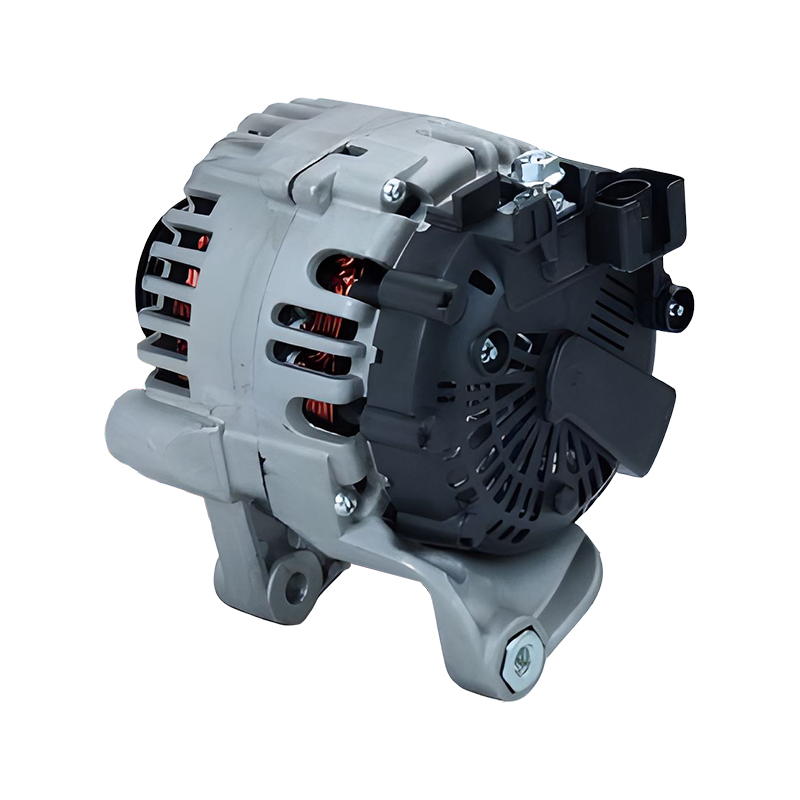 12V 150A 21338N/12317790548 VALEO car alternator for BMW 118 2.0 E81 2006-2012 MHancheng offer OEM 12V 150A 21338N/12317790548 VALEO car alternator for BMW 118 2.0 E81 2006-2012 M47D20, The 12V 150A 21338N/12317790548...View Product →
Related products
-
-
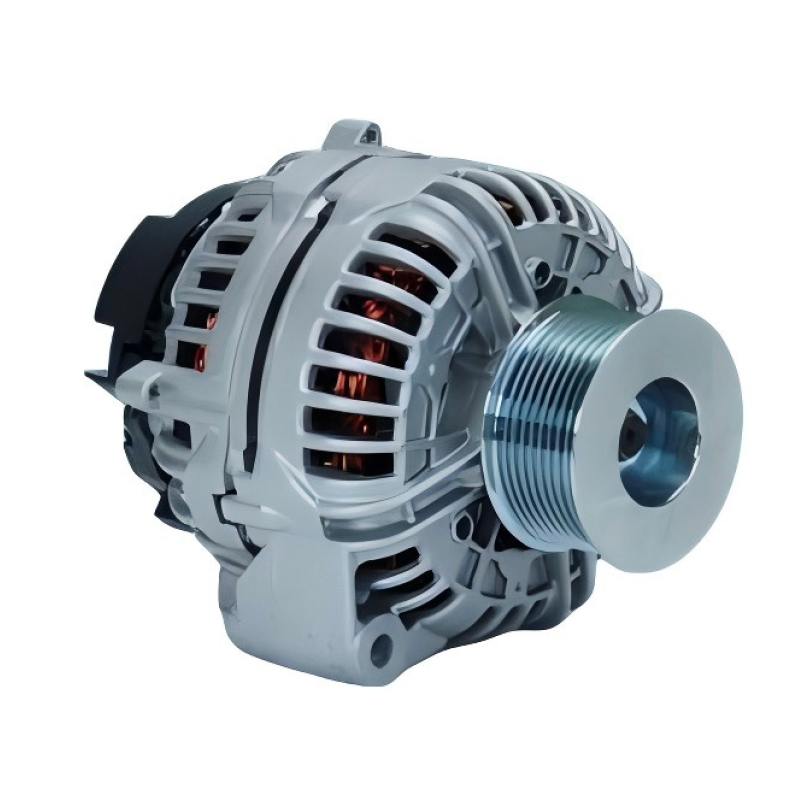
When it comes to keeping your JOHN DEERE 2007-2009 model running smoothly, a reliable alternator is non-negotiable—and the 12V 200A 12796/0124625030 Bosch car alternator for JOHN DEERE 2007-2009 is en...
See Details -
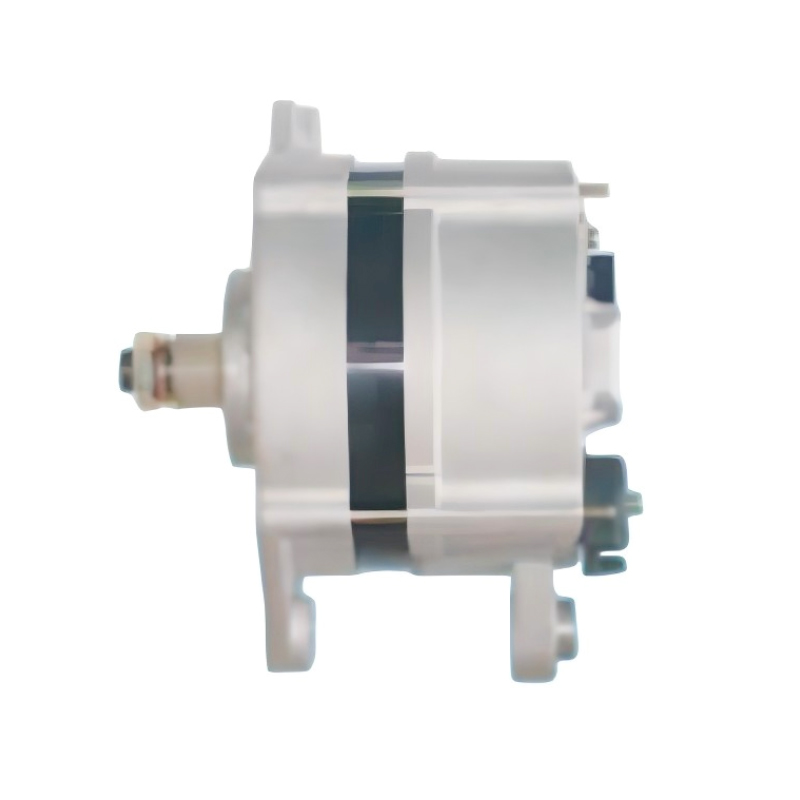
The 24V 55A 12135/0120469978 Bosch car alternator for IVECO EuroCargo EuroTrakker 100E15 90E37 is a reliable power solution specifically engineered for the IVECO EuroCargo EuroTrakker 100E15 90E37 eng...
See Details -
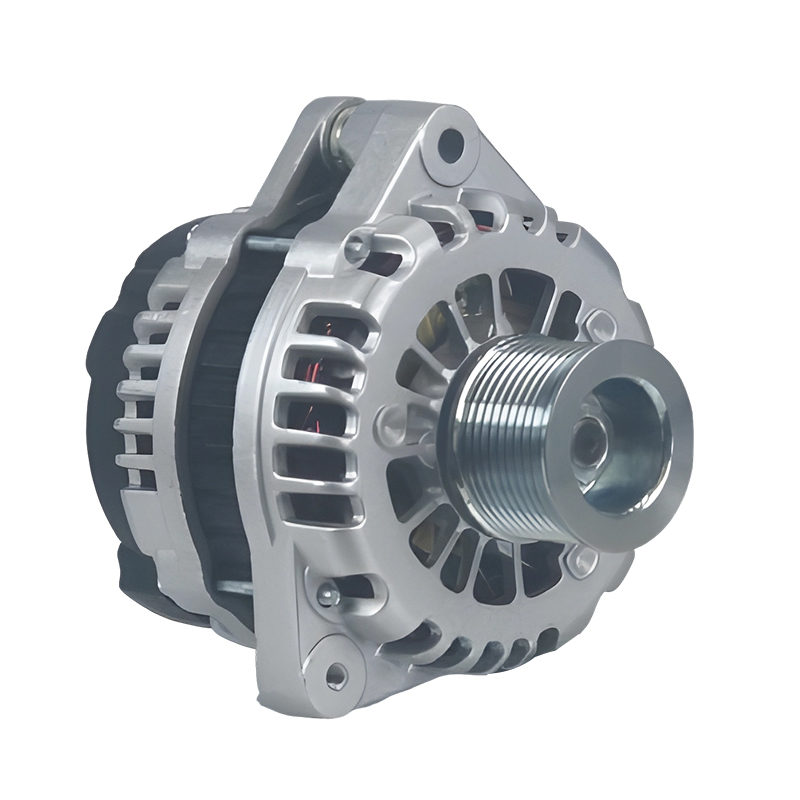
A reliable power solution for commercial and passenger vehicles, the 24V 90A 20289N/0123520500 Bosch car alternator for Hongyan,Genlyon,Saic,lveco,Howo,Weicha is engineered to deliver consistent perfo...
See Details -
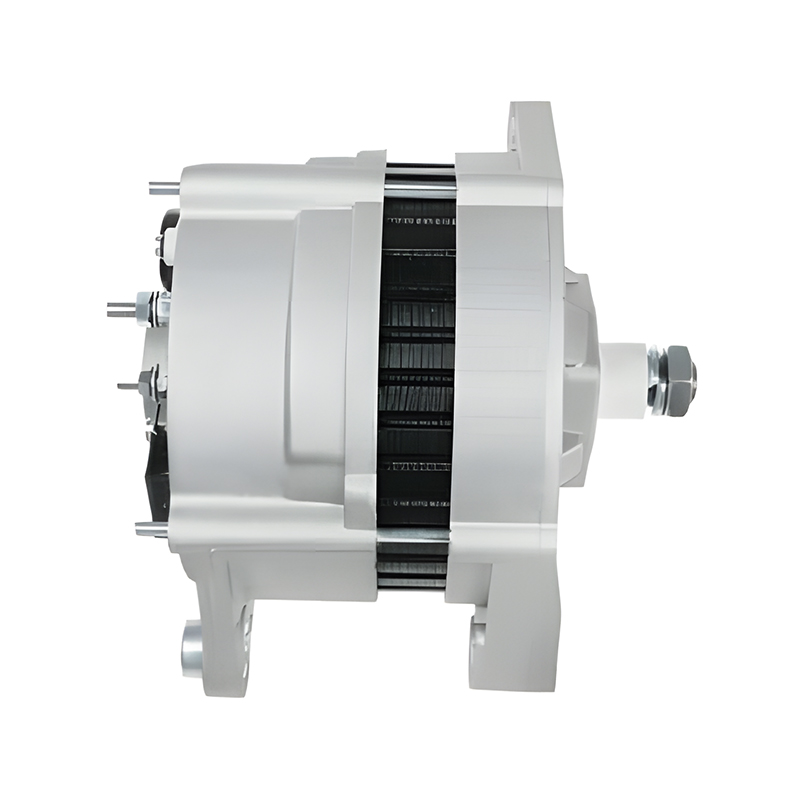
Designed as a reliable power solution for the IVECO 100 E15 engine series, the 24V 80A 12709/0120468116 Bosch car alternator for IVECO 100 E15 combines precision engineering with durable performance t...
See Details -
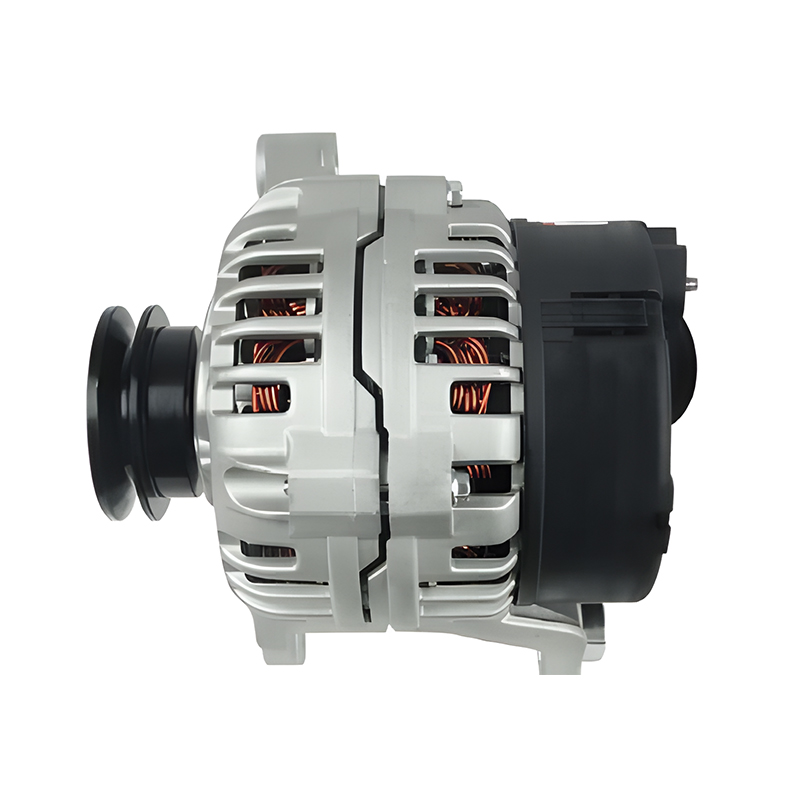
The 12V 90A 0123315503/112406 Bosch car alternator for IV ECO DAIY is a high-quality replacement part specifically designed for the IV ECO DAIY engine series, offering reliable performance to meet the...
See Details

Contact Information
-
Production Plant:No.19, West Taihu Avenue, Wujin District, Changzhou City, Jiangsu Province, China
-
Email:
-
Phone:+86 157 2060 1523
-
TEL:+86-519 8639 0626
Copyright © 2025 Changzhou Hancheng Auto Parts Co., Ltd. All Rights Reserved.
PrivacyAutomotive Alternators Manufacturers High Output Car Alternator Factory
