


 中文简体
中文简体 Español
 Français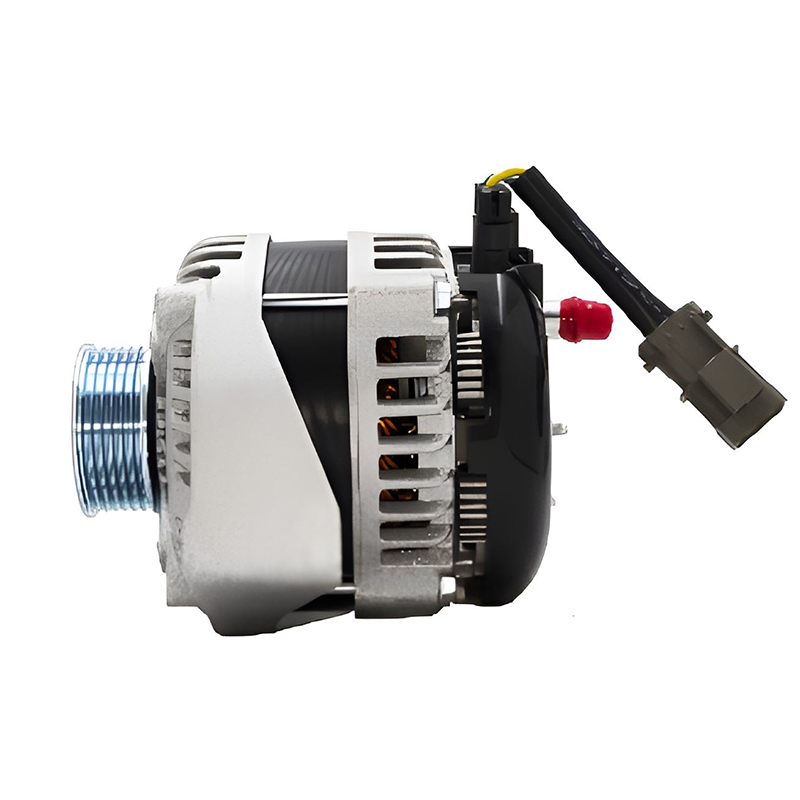
The 24V 55A 12135/0120469978 Bosch car alternator for IVECO EuroCargo EuroTrakker 100E15 90E37 is a reliable power solution specifically engineered for the IVECO EuroCargo EuroTrakker 100E15 90E37 eng...
See Details

Get A Quote
How Do You Choose the Right Car Alternator for Your Vehicle?
Apr 02, 2026
Content
Introduction to Car Alternators
The alternator is a crucial component of a vehicle's electrical system, responsible for converting mechanical energy from the engine into electrical energy to charge the battery and power accessories. Selecting the correct alternator ensures reliable operation, prevents electrical system failures, and enhances the overall performance of the vehicle. An improperly sized or low-quality alternator can lead to battery drain, dim lighting, or failure of electronic systems.
Key Factors in Choosing a Car Alternator
Vehicle Electrical Load Requirements
Start by evaluating your vehicle’s electrical load, which includes the battery, starter motor, lights, infotainment systems, air conditioning, and additional accessories. Modern vehicles with high electrical demands may require alternators rated at 120–150 amps or more. Calculate the total amperage requirement to ensure the alternator can meet peak demand without strain.
Alternator Type
There are primarily two types of alternators:
- Standard Alternators: Suitable for most vehicles with normal electrical demands.
- High Output Alternators: Designed for vehicles with extensive electrical systems, such as aftermarket audio systems, auxiliary lighting, and heavy-duty applications.
Voltage and Amperage Ratings
Most car alternators operate at 12 volts, though some trucks and commercial vehicles use 24-volt systems. Check the amperage rating carefully, as undersized alternators may fail to keep the battery charged under heavy load, while oversized alternators may draw excess mechanical power from the engine unnecessarily.
Mounting and Compatibility
Physical compatibility with the engine is essential. Consider mounting brackets, pulley type (serpentine vs. V-belt), and rotational direction. Ensure the alternator fits the engine bay and aligns with belt systems without requiring extensive modification.
Quality and Durability Considerations
Build Materials
High-quality alternators use durable materials such as aluminum housing for corrosion resistance and long-lasting bearings. Check for components like heavy-duty brushes and insulated wiring to improve longevity under high temperature and vibration conditions.
Regulator and Electronics
The voltage regulator controls output to protect the battery and electrical systems. Alternators may include built-in or external regulators. Built-in regulators simplify installation, while external regulators allow customization for high-performance applications.
Thermal Management
Efficient heat dissipation is crucial for alternator longevity. Look for alternators with proper cooling vents or internal fans. Overheating can cause premature bearing failure, diode burnout, or reduced output efficiency.
Applications and Scenarios for Alternator Selection
Standard Vehicle Use
For daily passenger vehicles with minimal aftermarket electrical components, standard alternators rated around 80–120 amps are sufficient. Ensure the amperage meets peak load and allows a margin for battery charging under typical driving conditions.
High Electrical Demand Vehicles
Vehicles equipped with additional accessories like off-road lighting, high-power audio systems, winches, or refrigeration units may require high-output alternators rated at 150 amps or higher. Proper selection ensures reliable power supply without overloading the engine.
Commercial and Heavy-Duty Vehicles
Trucks, vans, and utility vehicles often have 24-volt electrical systems and higher amperage requirements. Alternators for these applications must withstand continuous high loads and harsh environments. Selecting alternators with enhanced cooling and heavy-duty construction is essential for reliability.
Common Selection Mistakes to Avoid
- Choosing an undersized alternator for high electrical demand vehicles.
- Ignoring physical mounting constraints or pulley type incompatibility.
- Overlooking thermal management and cooling requirements.
- Selecting low-quality aftermarket alternators that lack durable components.
- Neglecting to match voltage and regulator type to vehicle specifications.
Comparison Table of Alternator Ratings and Applications
| Alternator Type | Voltage | Amperage Range | Typical Use | Notes |
| Standard Alternator | 12V | 80–120A | Daily passenger vehicles | Sufficient for normal electrical load |
| High Output Alternator | 12V | 120–200A+ | Vehicles with aftermarket systems | Supports additional electrical accessories |
| Heavy-Duty / Commercial | 12V/24V | 150–300A | Trucks, vans, utility vehicles | Designed for continuous high-load conditions |
Conclusion
Selecting the right car alternator involves understanding your vehicle's electrical load, voltage and amperage requirements, alternator type, and mounting compatibility. Quality, durability, and thermal management are also critical for long-term reliability. By carefully evaluating these factors, you ensure consistent battery charging, prevent electrical system issues, and maintain optimal vehicle performance.
Related products
-
-
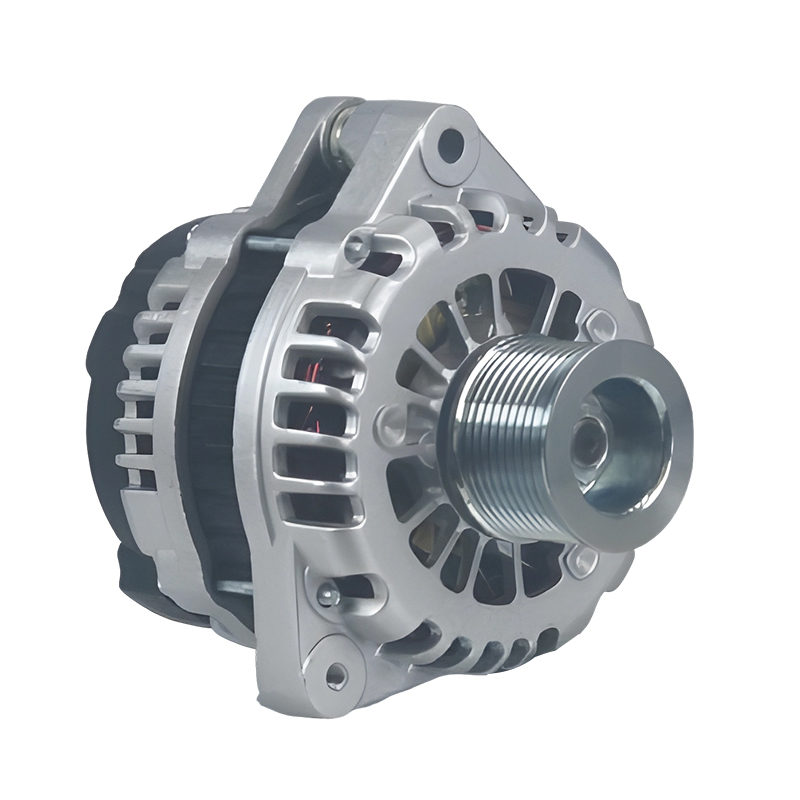
A reliable power solution for commercial and passenger vehicles, the 24V 90A 20289N/0123520500 Bosch car alternator for Hongyan,Genlyon,Saic,lveco,Howo,Weicha is engineered to deliver consistent perfo...
See Details -
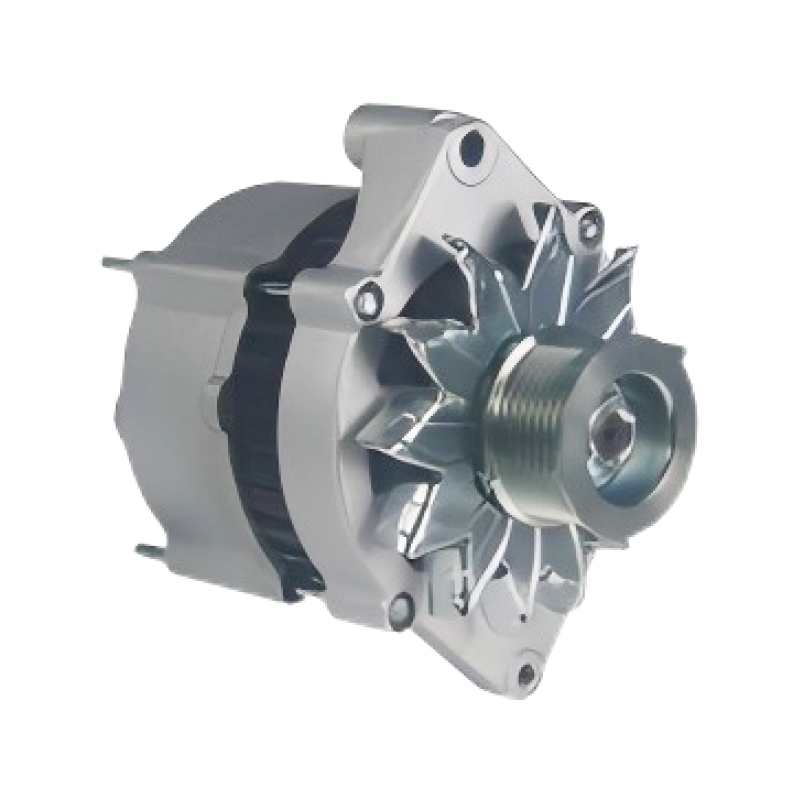
The 12V 95A 12145/0120484011 Bosch car alternator for CASE Crawler Dozer 650K Series 3 Case 4.5L is a high-quality replacement part specifically engineered for the CASE Crawler Dozer 650K Series 3 equ...
See Details -
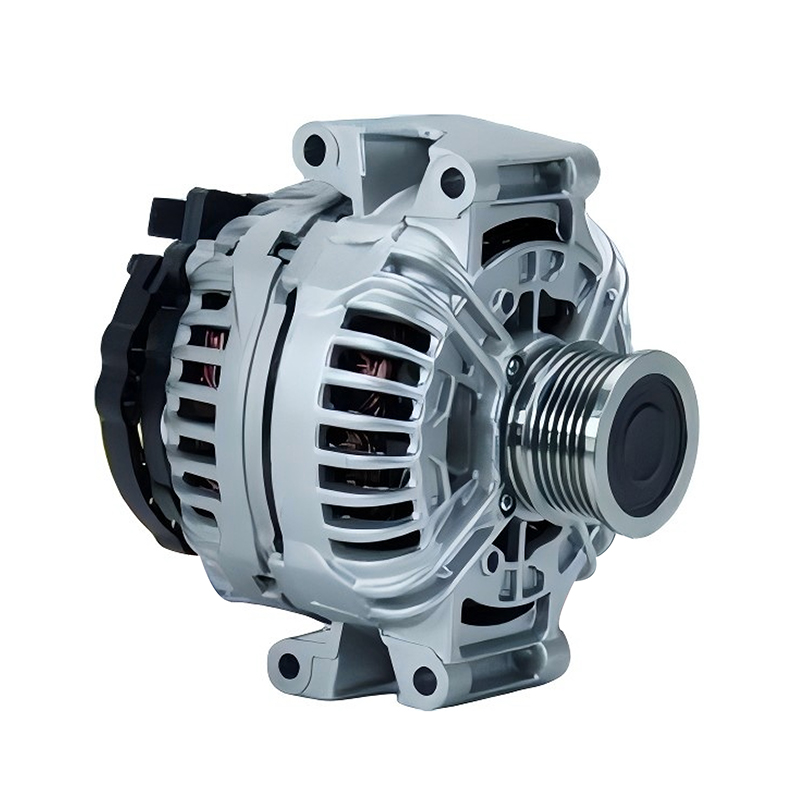
Designed to meet the demanding electrical needs of modern vehicles, the 12V 150A 11064/0124615009 Bosch car alternator for AUDI A4 1.6L, 1.8L, 2.0L is a trusted solution for AUDI A4 owners. Boasting a...
See Details -
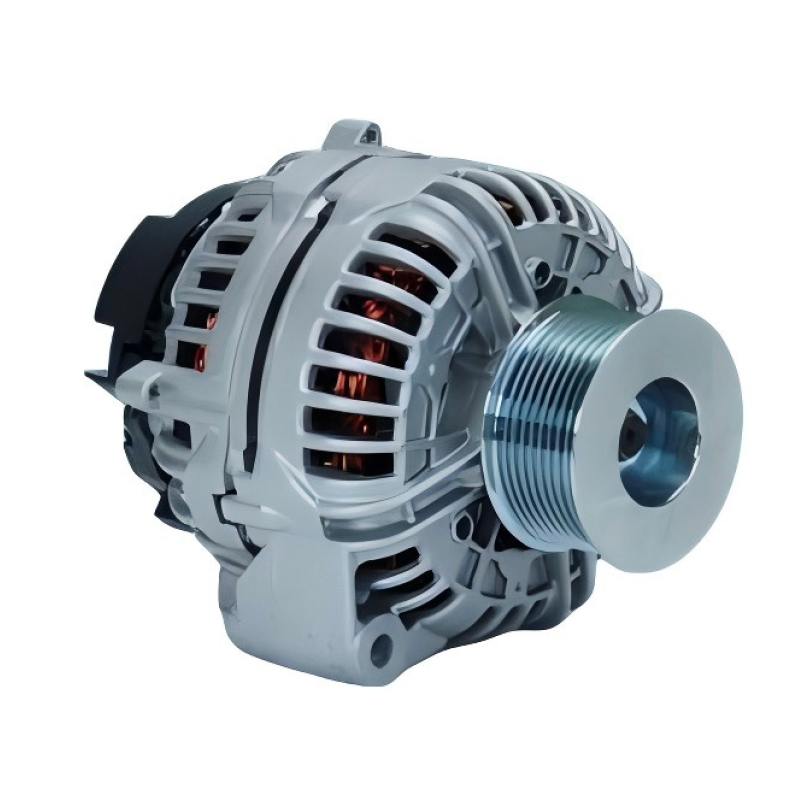
When it comes to keeping your JOHN DEERE 2007-2009 model running smoothly, a reliable alternator is non-negotiable—and the 12V 200A 12796/0124625030 Bosch car alternator for JOHN DEERE 2007-2009 is en...
See Details -
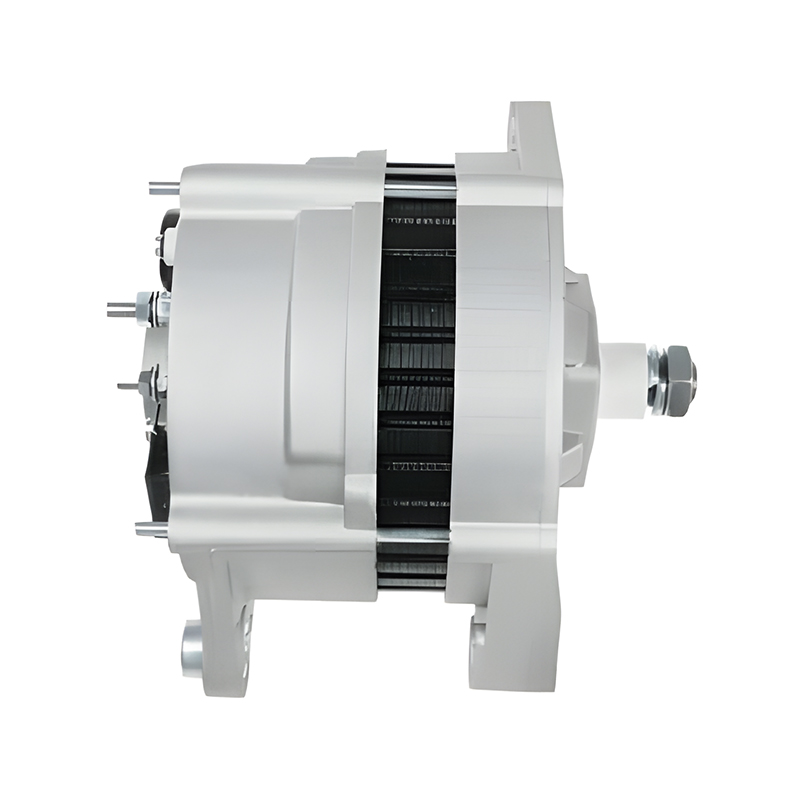
Designed as a reliable power solution for the IVECO 100 E15 engine series, the 24V 80A 12709/0120468116 Bosch car alternator for IVECO 100 E15 combines precision engineering with durable performance t...
See Details

Contact Information
-
Production Plant:No.19, West Taihu Avenue, Wujin District, Changzhou City, Jiangsu Province, China
-
Email:
-
Phone:+86 157 2060 1523
-
TEL:+86-519 8639 0626
Copyright © 2025 Changzhou Hancheng Auto Parts Co., Ltd. All Rights Reserved.
PrivacyAutomotive Alternators Manufacturers High Output Car Alternator Factory
