


 中文简体
中文简体 Español
 Français
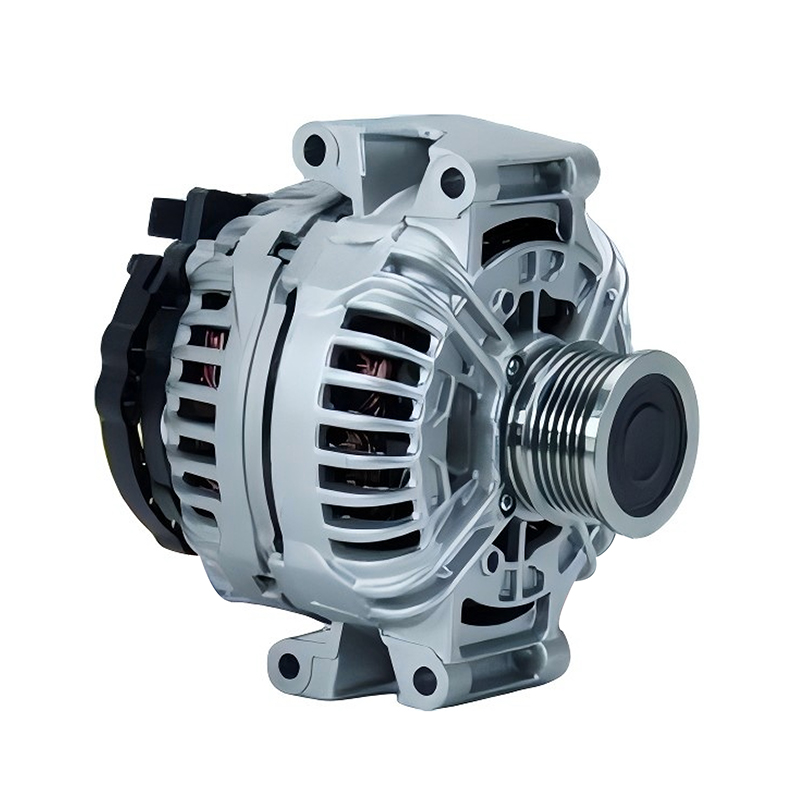
Designed to meet the demanding electrical needs of modern vehicles, the 12V 150A 11064/0124615009 Bosch car alternator for AUDI A4 1.6L, 1.8L, 2.0L is a trusted solution for AUDI A4 owners. Boasting a...
See Details

Get A Quote
Comparing Standard and High-Output Vehicle Alternators for Upgraded Systems
Dec 17, 2025
This article compares standard vehicle alternators and high-output vehicle alternators for upgraded electrical systems. It focuses on practical selection criteria, installation and cooling considerations, impact on batteries and belts, regulator strategies, and maintenance steps required to integrate a high-output alternator into modern vehicles or aftermarket builds. The comparison emphasizes measurable parameters and real-world trade-offs so you can choose the right alternator for accessory-heavy vehicles, audio systems, work trucks, or fleet upgrades.
Content
- 1 Defining standard vs high-output vehicle alternators
- 2 Performance comparison table
- 3 When to choose a high-output unit instead of upgrading the standard alternator
- 4 Installation and integration considerations
- 5 Voltage regulation, control strategies and electronics compatibility
- 6 Maintenance, diagnostics and expected service life differences
- 7 Procurement checklist and practical tips
Defining standard vs high-output vehicle alternators
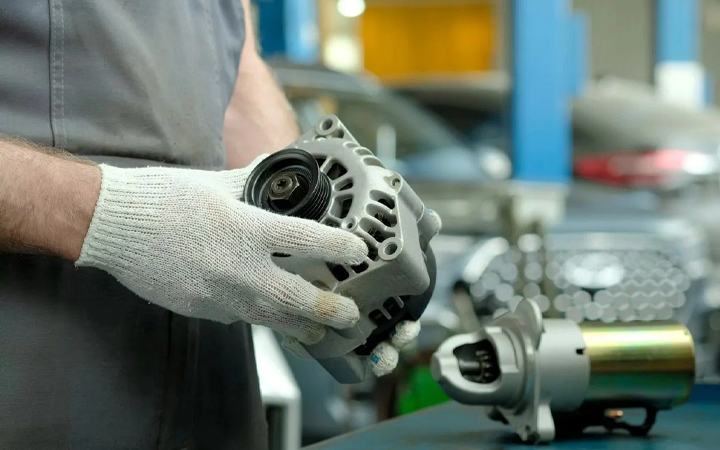
A standard vehicle alternator is the factory-fit charging unit sized to meet the electrical load of the original vehicle specification, including lighting, climate control and engine electronics. A high-output vehicle alternator is engineered to deliver significantly greater continuous and peak current to support added accessories such as powerful audio systems, winches, large inverters, refrigeration units or aftermarket lighting. Understanding the electrical and mechanical differences clarifies why a swap can require broader system changes.
Key electrical characteristics
Compare rated continuous current, peak output at various RPMs, voltage regulation accuracy and thermal derating curves. High-output alternators list higher continuous amperage at specified temperatures and often maintain output at lower engine speeds, reducing the need for engine revving to charge batteries under heavy accessory use.
Mechanical and cooling differences
High-output units typically incorporate larger internal fans or external oil/coolant cooling, heavier shafts, upgraded bearings and reinforced housings. These changes reduce thermal stress and mechanical wear under sustained load, but also increase physical size and torque demands on the drive system.
Performance comparison table
| Parameter | Standard Vehicle Alternator | High-Output Vehicle Alternator |
| Typical continuous output | 60–150 A | 200–600 A (or higher) |
| Idle output capability | Limited, drops significantly at low RPM | Designed to sustain higher output at low RPM |
| Cooling strategy | Internal fan, passive fins | Large fans, external fins, oil/coolant cooling options |
| Mechanical load on belt | Low to moderate | Higher torque demand; may require belt/drive upgrades |
| Typical applications | OEM passenger cars, light trucks | Audio rigs, work trucks, emergency vehicles, heavy accessories |
When to choose a high-output unit instead of upgrading the standard alternator
Select a high-output vehicle alternator when continuous accessory demand substantially exceeds factory charging capacity, or when accessories must run for extended periods with the engine at idle. If the vehicle’s added loads are intermittent and short, a modest alternator upgrade plus battery capacity may suffice; however for continuous high-demand scenarios, a properly spec’d high-output alternator prevents repeated undercharging and excessive battery cycling.
Decision criteria and sizing guidance
Add up continuous loads, estimate equivalent continuous current for intermittent devices, and include a safety margin of 25–35% for aging and temperature effects. Match the required continuous current to alternator ratings at the lowest expected engine RPM, not just at peak RPM. Consider future accessory additions when selecting capacity.
Installation and integration considerations
Installing a high-output vehicle alternator often requires more than a direct bolt-in: assess physical clearance, belt alignment, pulley ratio, electrical connectors and the vehicle’s charging architecture. Planning prevents common retrofit failures and ensures the upgrade delivers expected performance.
Belt, pulley and tensioner upgrades
High-output alternators draw more torque — especially at high loads — so upgrade to multi-groove serpentine belts, high-capacity tensioners and ensure pulleys are correctly sized to achieve alternator RPM targets at normal idle. Misalignment or undersized belts cause slip, heat and premature alternator wear.
Wiring, fusing and battery management
Use heavy-gauge charge cables sized for peak and continuous currents, install appropriately rated fuses or circuit breakers, and ensure battery negative return paths and chassis grounds are low resistance. When adding a high-output alternator to auxiliary battery banks, fit isolators or DC-to-DC chargers to manage charging profiles and avoid overloading the electrical system.
Voltage regulation, control strategies and electronics compatibility
Modern vehicles may use smart charging and CAN-bus controlled regulators. When swapping to a high-output alternator, ensure regulator compatibility: choose a CAN-enabled regulator or an externally controlled regulator if required. Properly tuned regulation prevents voltage spikes, protects sensitive electronics and provides battery conditioning modes.
ECU communication and error codes
Some ECUs monitor alternator behavior and can set fault codes if parameters vary from expected factory values. Confirm whether the vehicle requires reprogramming, a plug-in adapter or a compatible regulator to avoid dashboard warnings and ensure correct charging logic.
Maintenance, diagnostics and expected service life differences
High-output alternators can have similar or longer service life than standard units if correctly cooled and maintained; however, they demand more rigorous inspection schedules for belts, bearings, connections and thermal performance. Proactive diagnostics reduce the chance of alternator-related downtime in upgraded systems.
- Inspect belts and pulleys more frequently; check for glazing and correct tension.
- Measure output under load and confirm continuous output at low idle where accessories run.
- Thermally scan alternator and rectifier after extended runs to detect hotspots early.
Procurement checklist and practical tips
When purchasing a high-output vehicle alternator, verify continuous current ratings at specified ambient temperatures, obtain thermal test data, confirm cooling approach, check mechanical dimensions and mounting interfaces, and confirm regulator type and ECU compatibility. Consider supplier support for service parts such as rectifier assemblies, bearings and replacement regulators.
- Confirm rated continuous amperage and the RPM at which it is measured.
- Request thermal performance curves and vibration/shock test reports.
- Ensure mounting, pulley and connector compatibility or plan for adapter kits.
- Budget for wiring, fuse, belt and battery management upgrades when specifying the alternator.
Comparing standard and high-output vehicle alternators for upgraded systems highlights clear trade-offs: high-output alternators deliver reliable charging under heavy continuous loads but require careful integration — stronger belts, heavier wiring, compatible regulators and disciplined maintenance. When system demand justifies the upgrade, planning around these considerations ensures a durable, effective charging solution for accessory-rich vehicles.
Related products
-
-
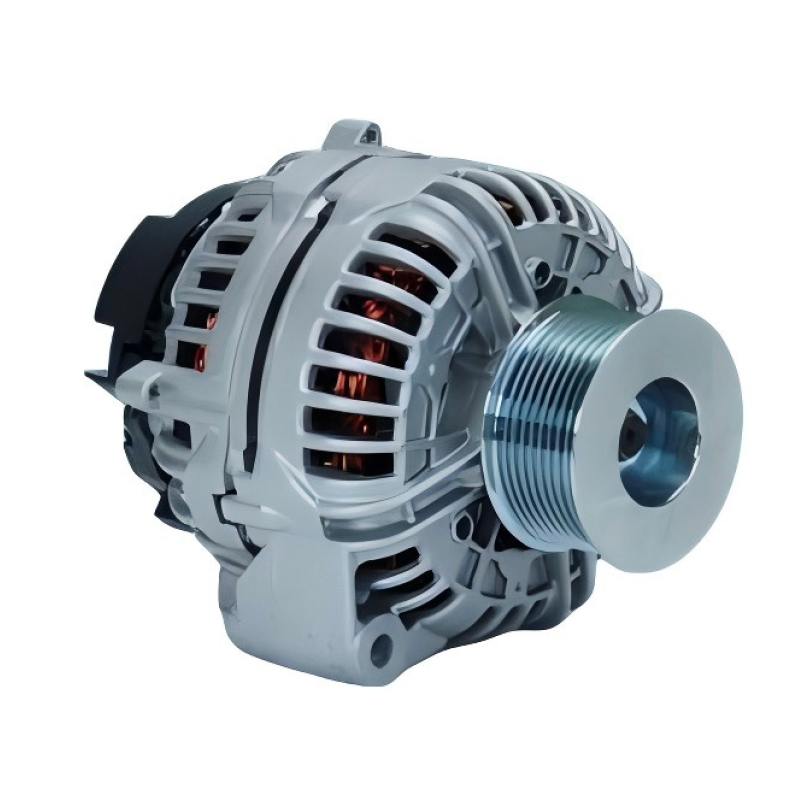
When it comes to keeping your JOHN DEERE 2007-2009 model running smoothly, a reliable alternator is non-negotiable—and the 12V 200A 12796/0124625030 Bosch car alternator for JOHN DEERE 2007-2009 is en...
See Details -
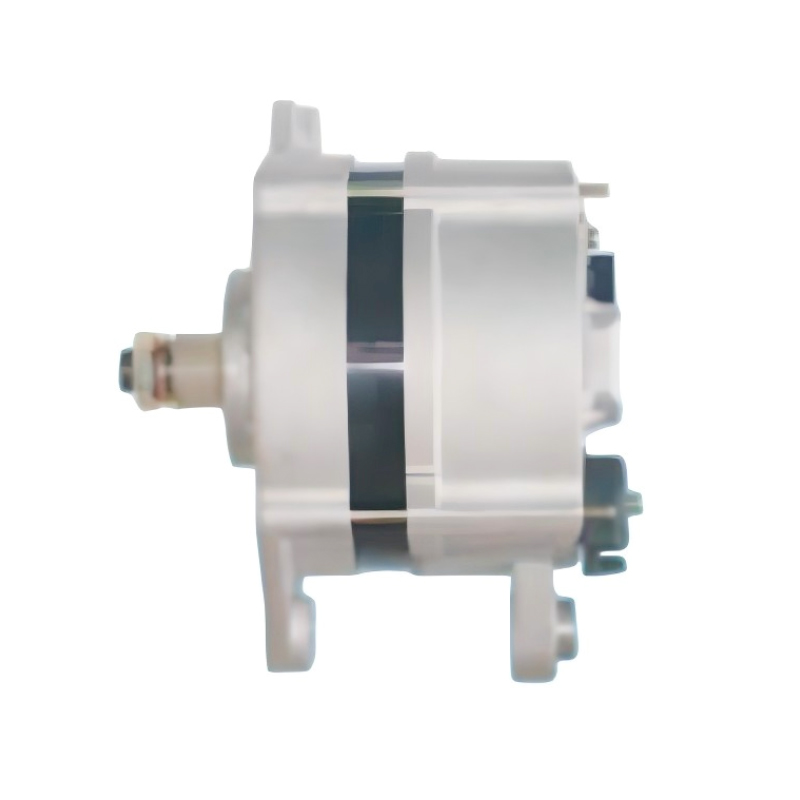
The 24V 55A 12135/0120469978 Bosch car alternator for IVECO EuroCargo EuroTrakker 100E15 90E37 is a reliable power solution specifically engineered for the IVECO EuroCargo EuroTrakker 100E15 90E37 eng...
See Details -
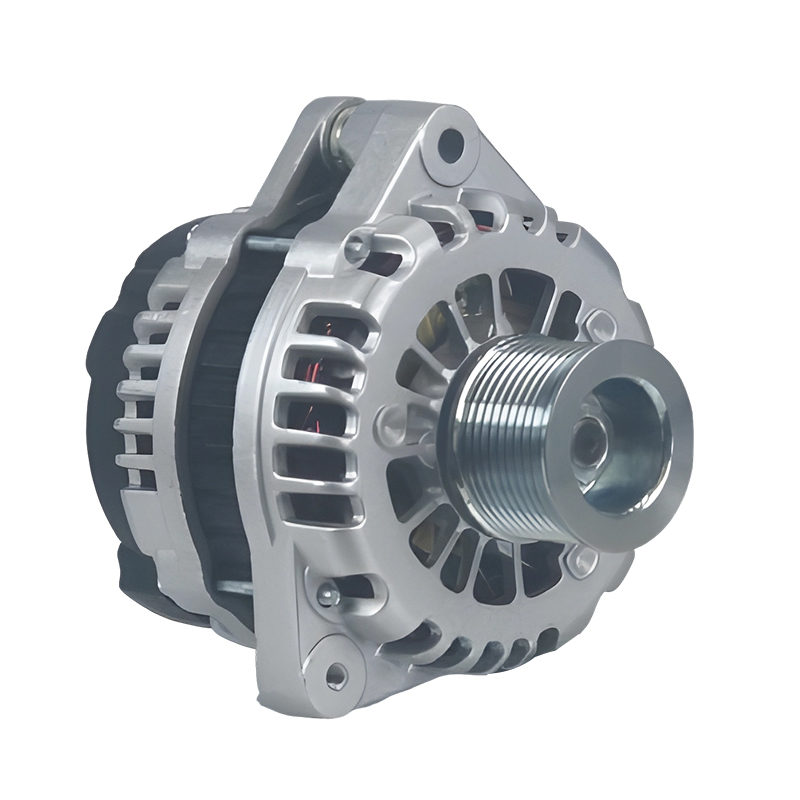
A reliable power solution for commercial and passenger vehicles, the 24V 90A 20289N/0123520500 Bosch car alternator for Hongyan,Genlyon,Saic,lveco,Howo,Weicha is engineered to deliver consistent perfo...
See Details -
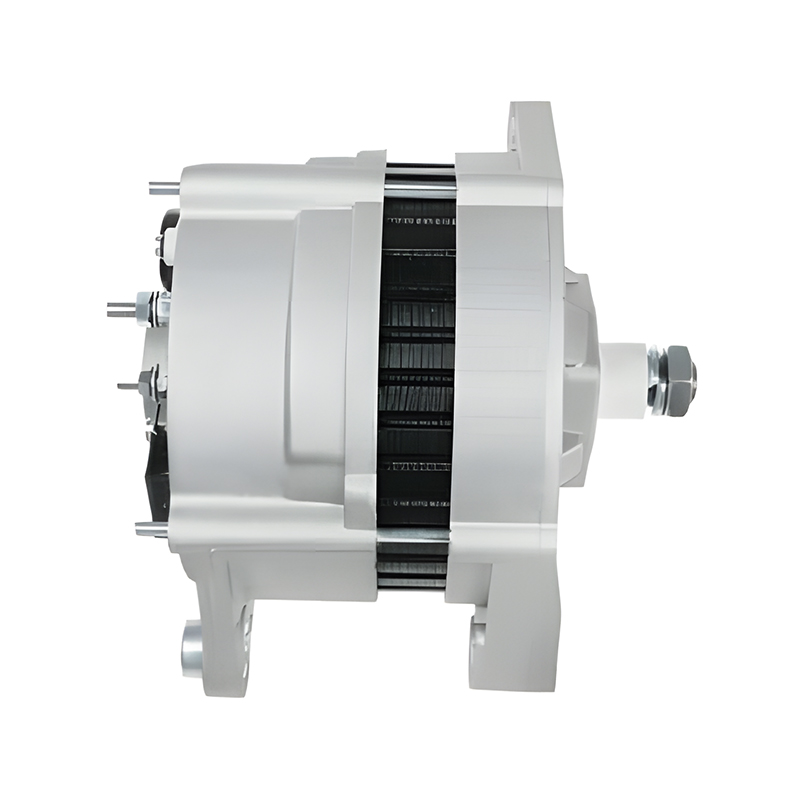
Designed as a reliable power solution for the IVECO 100 E15 engine series, the 24V 80A 12709/0120468116 Bosch car alternator for IVECO 100 E15 combines precision engineering with durable performance t...
See Details -
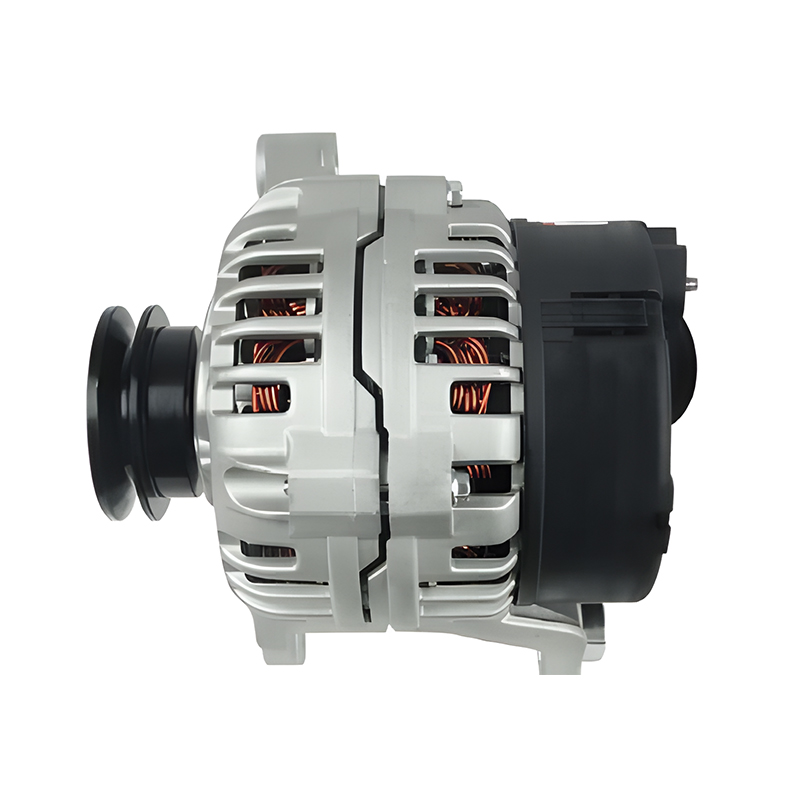
The 12V 90A 0123315503/112406 Bosch car alternator for IV ECO DAIY is a high-quality replacement part specifically designed for the IV ECO DAIY engine series, offering reliable performance to meet the...
See Details

Contact Information
-
Production Plant:No.19, West Taihu Avenue, Wujin District, Changzhou City, Jiangsu Province, China
-
Email:
-
Phone:+86 157 2060 1523
-
TEL:+86-519 8639 0626
Copyright © 2025 Changzhou Hancheng Auto Parts Co., Ltd. All Rights Reserved.
PrivacyAutomotive Alternators Manufacturers High Output Car Alternator Factory
