


 中文简体
中文简体 Español
 Français
Designed to meet the demanding electrical needs of modern vehicles, the 12V 150A 11064/0124615009 Bosch car alternator for AUDI A4 1.6L, 1.8L, 2.0L is a trusted solution for AUDI A4 owners. Boasting a...
See Details

Get A Quote
Expert Guide to Alternator Assembly: Selection, Installation & Maintenance Tips
Sep 22, 2026
An alternator assembly is the heart of your vehicle's electrical system. It is a complete, pre-engineered unit that combines a rotor, stator, rectifier, voltage regulator, and housing into one reliable package. For fleet operators, workshop owners, and individual drivers alike, understanding what goes into a quality alternator assembly is the first step toward making a smart purchasing decision. In this guide, I will walk you through the essential components, common pitfalls to avoid, and what sets a premium new alternator assembly apart from recycled or poorly rebuilt units.
Content
- 1 What Is an Alternator Assembly and Why Does It Matter?
- 2 Core Components of a Quality Alternator Assembly
- 3 Selecting the Right Alternator Assembly for Your Application
- 4 Installation Tips and Common Mistakes
- 5 Why Choose a 100% New Alternator Assembly Over a Remanufactured Unit?
- 6 Long-Term Maintenance for Your Alternator Assembly
What Is an Alternator Assembly and Why Does It Matter?
An alternator assembly is not just a single part; it is a precisely matched system of components designed to work together under demanding conditions. When you choose a complete alternator assembly, you are getting a unit that has been engineered from the ground up to deliver consistent voltage and current output. This matters because mismatched or worn components inside a rebuilt alternator can lead to premature failure, voltage spikes, or insufficient charging. At our factory, we manufacture every alternator assembly as a 100% new unit, meaning that every bearing, diode, winding, and brush is fresh from production. This approach eliminates the guesswork and reliability concerns that come with remanufactured parts.
Core Components of a Quality Alternator Assembly
To appreciate what makes a durable alternator assembly, it helps to know the key parts inside the housing. Each component plays a specific role in converting mechanical energy into electrical power for your vehicle.
Rotor and Stator
The rotor spins inside the stator to create a magnetic field. In a high-output alternator assembly, the rotor windings are carefully insulated and balanced to withstand high RPMs without vibration or short circuits. The stator, with its multiple copper windings, is where AC current is generated. The quality of the copper and the precision of the winding pattern directly affect the output capacity and thermal performance of the assembly.
Rectifier and Voltage Regulator
The rectifier converts AC current into DC power, while the voltage regulator ensures that the output stays within a safe range for your battery and electronics. A robust rectifier assembly with heavy-duty diodes can handle the heat and electrical load of modern vehicles. When you buy a new alternator assembly, you are assured that these electronic components are factory-calibrated for optimal performance rather than reused from a worn unit.
Selecting the Right Alternator Assembly for Your Application
Choosing the correct alternator assembly depends on several factors, including voltage, amperage, and physical fitment. Below I have outlined the most important specifications to consider when you are evaluating a replacement unit.
| Specification | Why It Matters | Common Values |
|---|---|---|
| Voltage | Must match your vehicle's electrical system (12V for most passenger cars, 24V for heavy trucks and machinery) | 12V or 24V |
| Current (Amperage) | Determines how much electrical load the alternator can support; higher amperage is needed for vehicles with additional accessories | 20A to 250A |
| Mounting Type | Must align with the engine bracket and belt alignment to ensure proper installation | J180, 1-wire, or custom |
| Pulley Design | Should match the serpentine or V-belt system of your engine | Single groove, multi-groove |
For modern vehicles with high electrical demands such as upgraded audio systems, auxiliary lighting, or plow trucks, a high-output alternator assembly is often the best choice. These units are built with upgraded rectifiers and larger bearings to handle continuous heavy loads. If you are unsure about the correct amperage for your application, I always recommend consulting the manufacturer's specifications or contacting our technical team for guidance.
We have designed our product line to cover a wide range of applications, from compact passenger cars to heavy-duty trucks and off-road equipment. Our 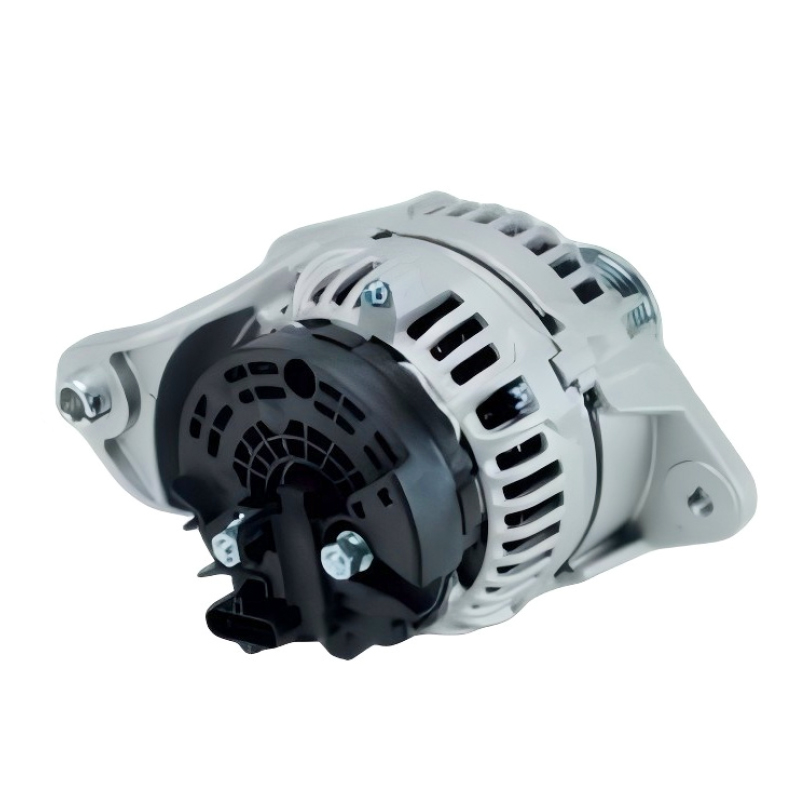 24V 110A Bosch Alternator for Volvo Buses B12B and Renault 12.0L EngineThis direct-fit alternator is designed for Volvo Buses B12B and Renault 12.0L engines, delivering 110A at 24V. Its internal regulator and robust construction ensure stable power for commercial electrical loads, making it a reliable choice for fleet maintenance.View Product →, for example, is a direct-fit assembly that meets the rigorous demands of commercial transit fleets. Whether you need a compact 12V unit for a small sedan or a robust 24V generator for a highway truck, there is a 100% new assembly ready for the job.
Installation Tips and Common Mistakes
Installing an alternator assembly is a straightforward job for a trained mechanic, but a few common mistakes can shorten the life of your new unit. Here are some practical tips based on years of field experience.
- Check battery health first: A faulty battery can overwork a new alternator assembly, causing premature diode failure. Always test and, if necessary, replace the battery before installation.
- Inspect wiring and connections: Corroded or loose connections at the battery, chassis ground, or alternator output terminal create resistance and heat. Clean all terminals and ensure a firm electrical connection.
- Verify belt tension and alignment: A loose belt slips and reduces charging output, while an overtightened belt can damage the rotor bearings. Use a belt tension gauge and check pulley alignment carefully.
- Use the correct mounting hardware: Bolts and brackets must be torqued to the manufacturer's specifications. Using the wrong hardware can lead to vibration and misalignment.
For more detailed guidance on maintaining your vehicle's charging system, our maintenance guide for Bosch systems offers practical steps that apply to most modern alternator assemblies. Following these best practices will help you get the maximum service life from your new unit.
Why Choose a 100% New Alternator Assembly Over a Remanufactured Unit?
In the aftermarket, you will find both new and remanufactured alternator assemblies. I have seen many cases where a rebuilt unit fails within months because the internal components were not replaced or were mismatched. A 100% new alternator assembly includes fresh bearings, a new rectifier pack, new brushes, and a precisely wound rotor and stator. There is no hidden wear, no compromised insulation, and no guesswork. For critical applications such as emergency vehicles, long-haul trucks, or agricultural machinery, the reliability of a brand-new assembly is worth the investment. You will also benefit from a consistent manufacturing process that ensures each unit meets the same output specifications.
Long-Term Maintenance for Your Alternator Assembly
After installing your new alternator assembly, simple routine checks can prevent unexpected downtime. Keep the alternator and surrounding area free of oil, coolant, and grime—contaminants can accelerate bearing wear and affect electrical connections. During regular service intervals, listen for unusual noises such as grinding or squealing, which may indicate bearing issues or belt problems. Also, monitor your dashboard voltmeter or warning light: a steady reading between 13.5 and 14.5 volts (for a 12V system) indicates that the assembly and regulator are working correctly. If you notice the voltage fluctuating or dropping, it is wise to inspect the assembly and charging circuit promptly.
Choosing the right alternator assembly does not have to be complicated. By focusing on new, factory-built components and matching the specifications to your vehicle's requirements, you will ensure reliable charging for years to come. At our facility in Changzhou, we take pride in manufacturing alternator assemblies that meet the demands of the global automotive market, from passenger cars to heavy industrial equipment.
Related products
-
-
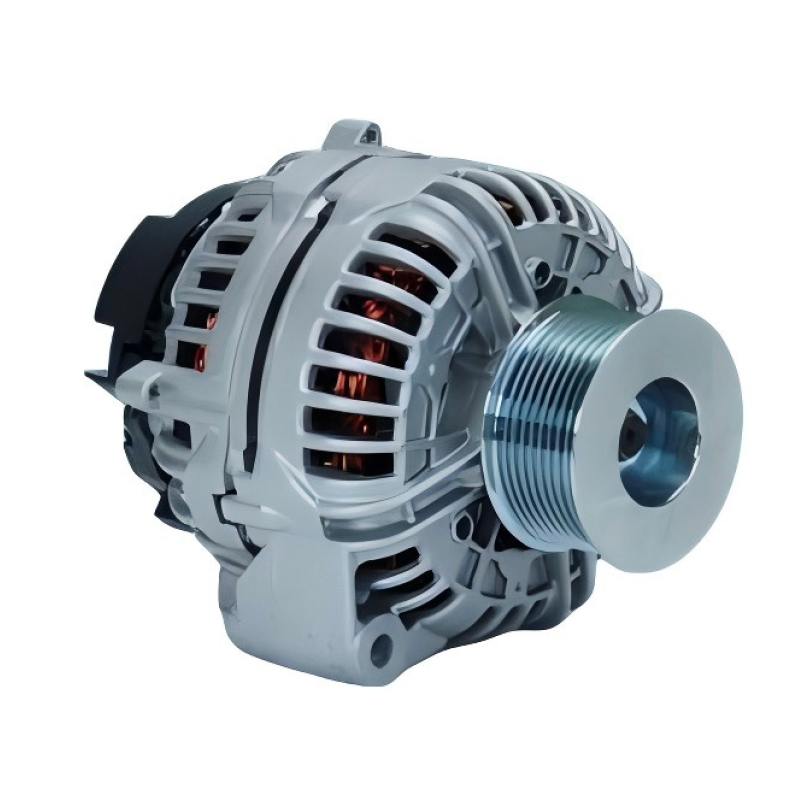
When it comes to keeping your JOHN DEERE 2007-2009 model running smoothly, a reliable alternator is non-negotiable—and the 12V 200A 12796/0124625030 Bosch car alternator for JOHN DEERE 2007-2009 is en...
See Details -
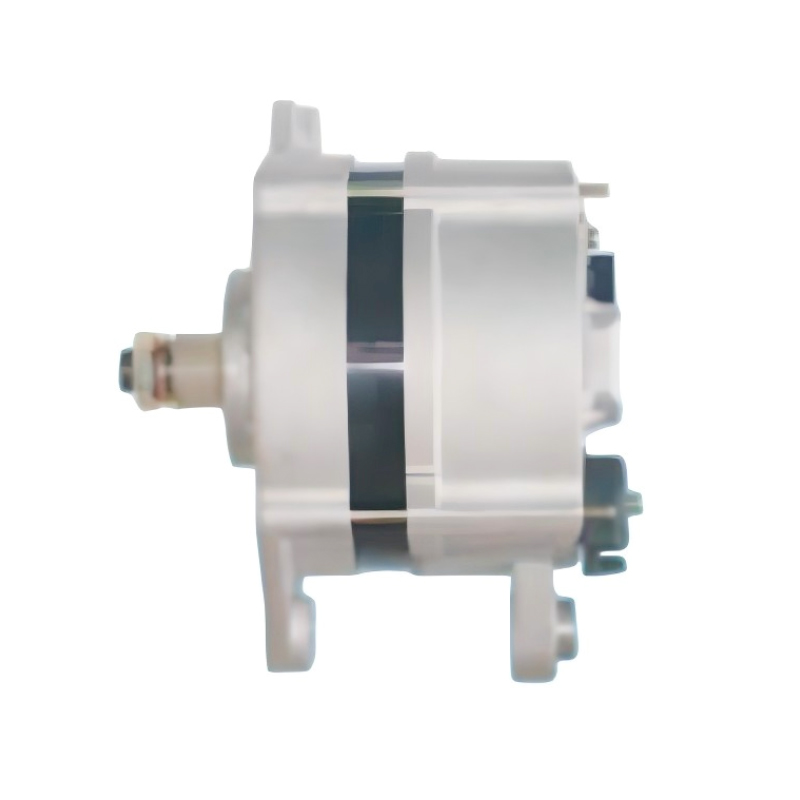
The 24V 55A 12135/0120469978 Bosch car alternator for IVECO EuroCargo EuroTrakker 100E15 90E37 is a reliable power solution specifically engineered for the IVECO EuroCargo EuroTrakker 100E15 90E37 eng...
See Details -
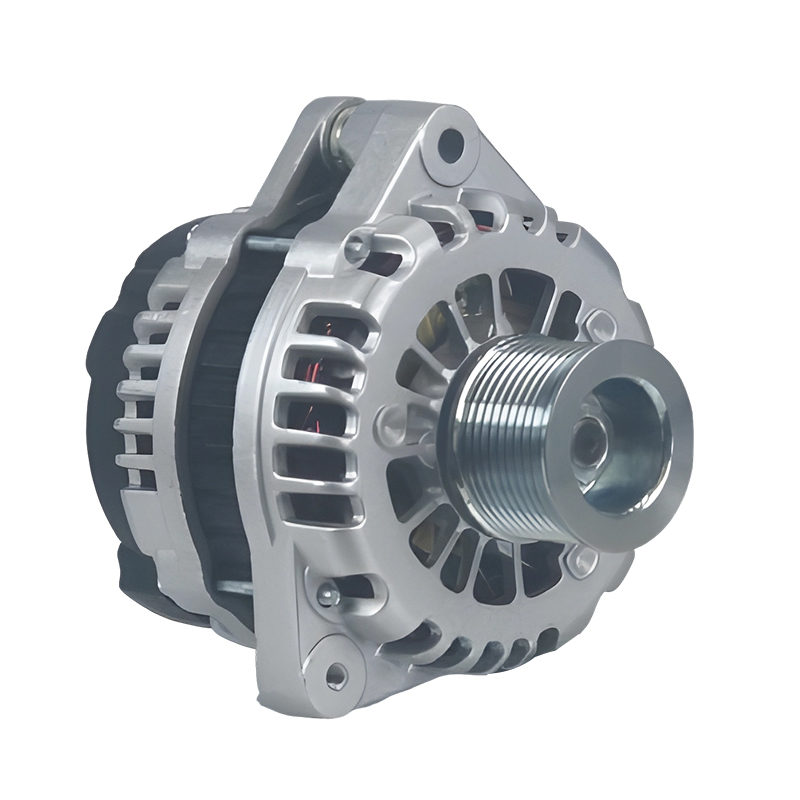
A reliable power solution for commercial and passenger vehicles, the 24V 90A 20289N/0123520500 Bosch car alternator for Hongyan,Genlyon,Saic,lveco,Howo,Weicha is engineered to deliver consistent perfo...
See Details -
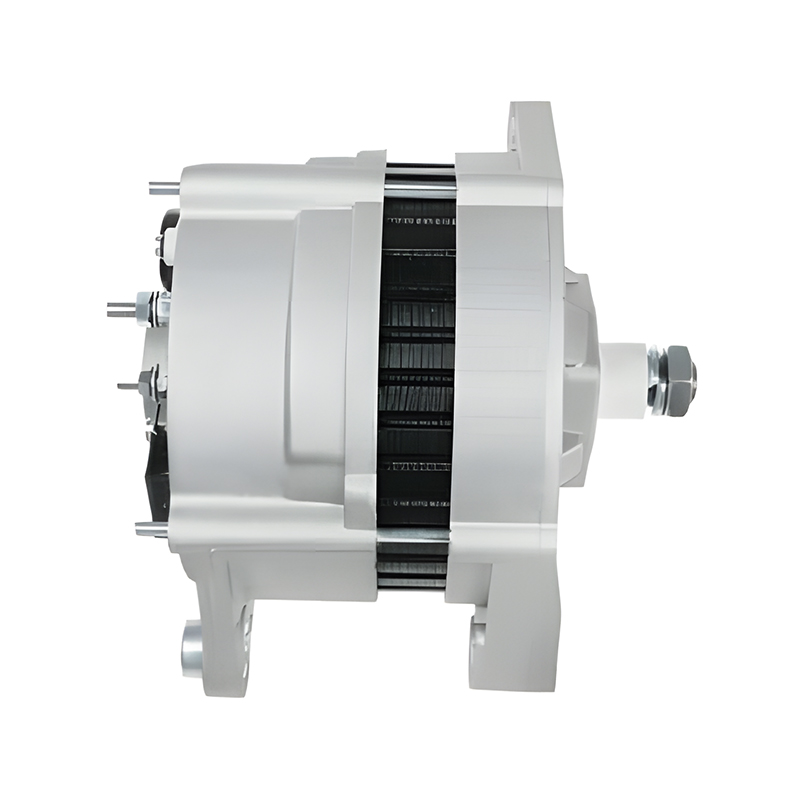
Designed as a reliable power solution for the IVECO 100 E15 engine series, the 24V 80A 12709/0120468116 Bosch car alternator for IVECO 100 E15 combines precision engineering with durable performance t...
See Details -
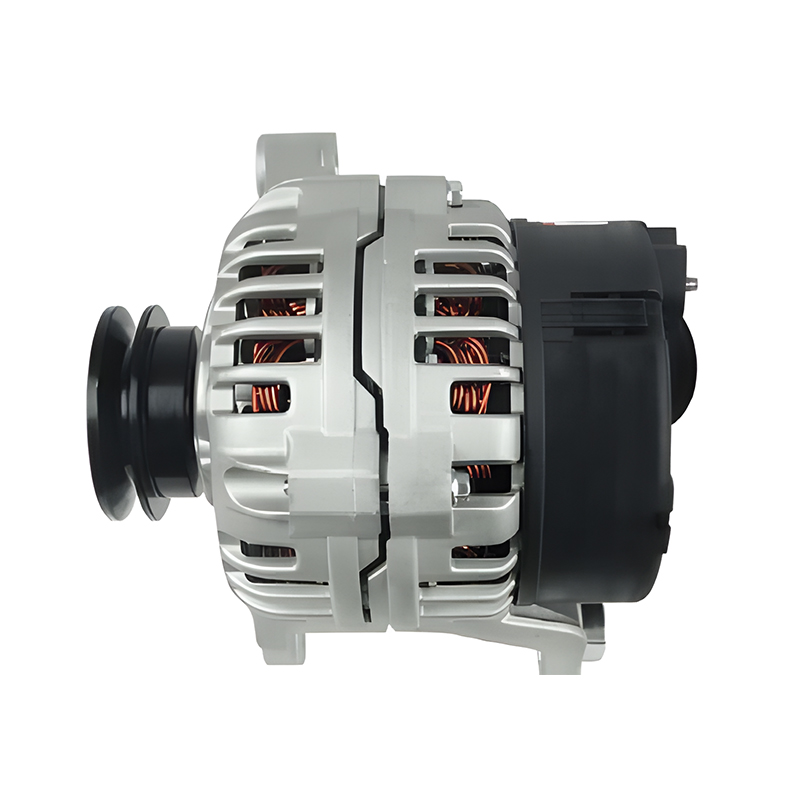
The 12V 90A 0123315503/112406 Bosch car alternator for IV ECO DAIY is a high-quality replacement part specifically designed for the IV ECO DAIY engine series, offering reliable performance to meet the...
See Details

Contact Information
-
Production Plant:No.19, West Taihu Avenue, Wujin District, Changzhou City, Jiangsu Province, China
-
Email:
-
Phone:+86 157 2060 1523
-
TEL:+86-519 8639 0626
Copyright © 2025 Changzhou Hancheng Auto Parts Co., Ltd. All Rights Reserved.
PrivacyAutomotive Alternators Manufacturers High Output Car Alternator Factory
