中文简体
中文简体 Español
 Français

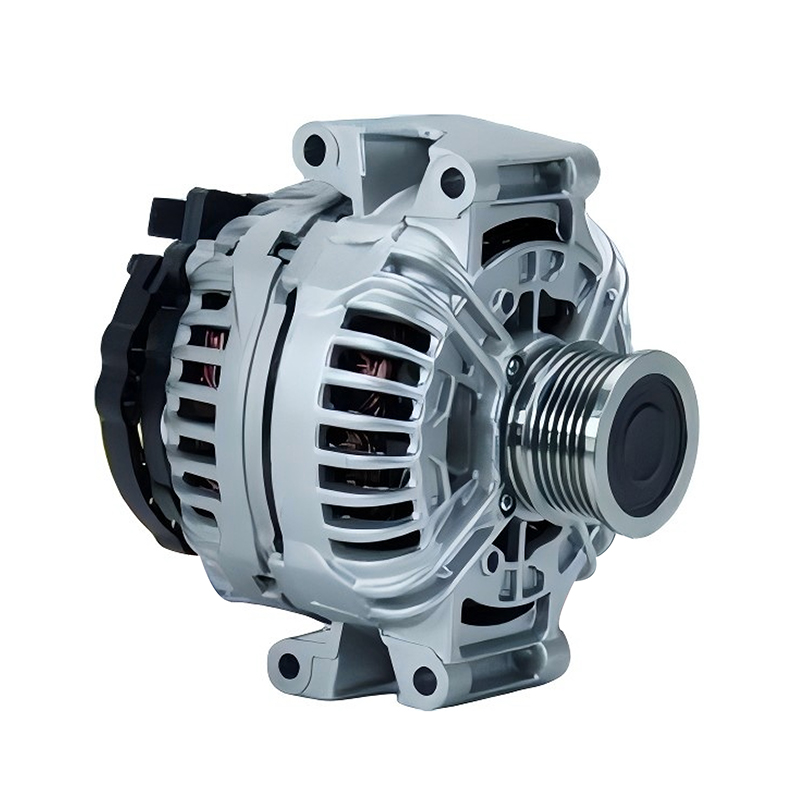
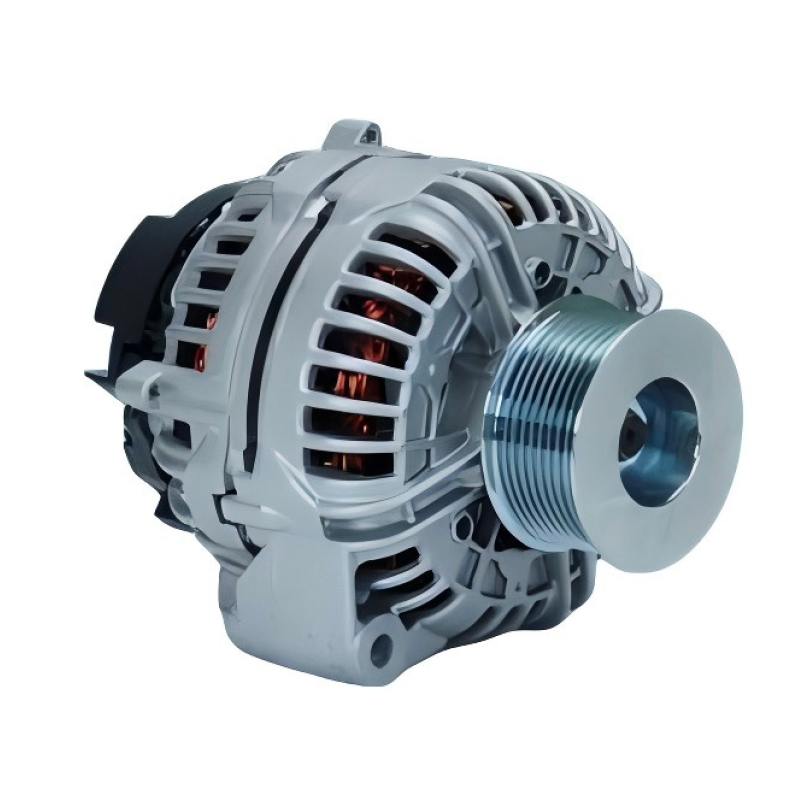
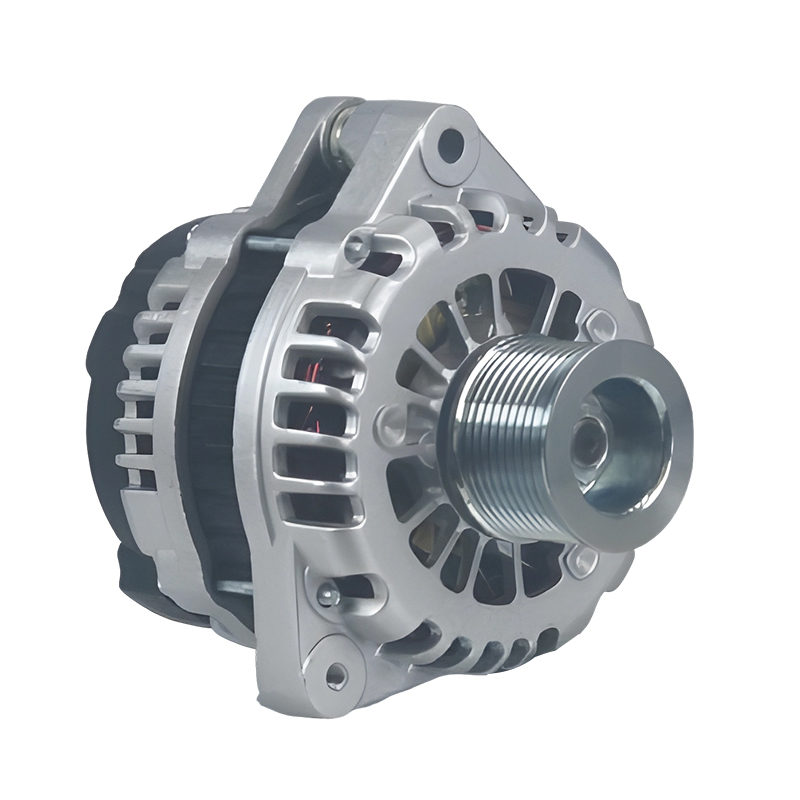
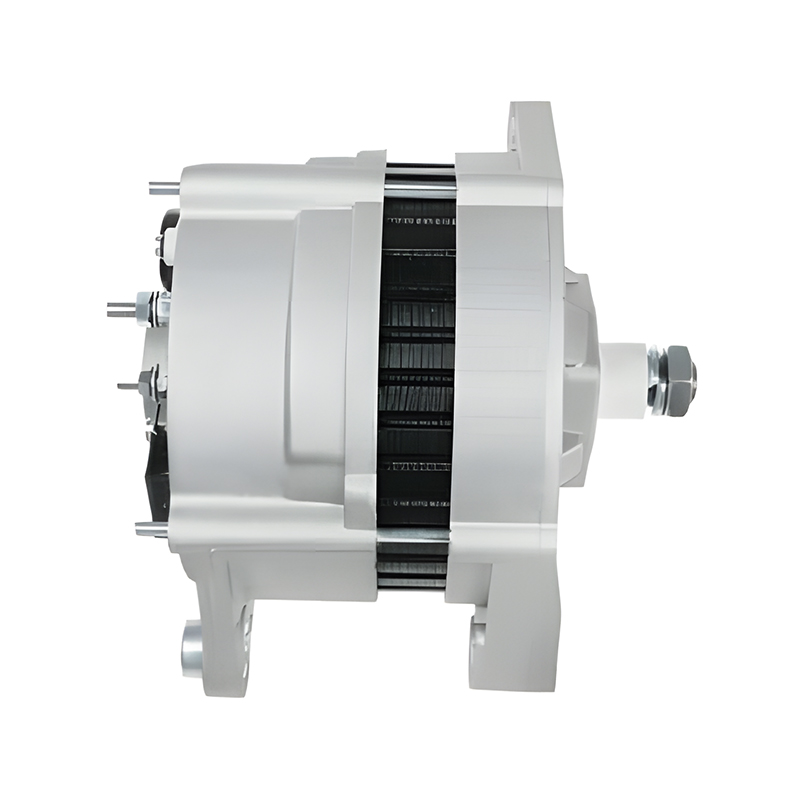
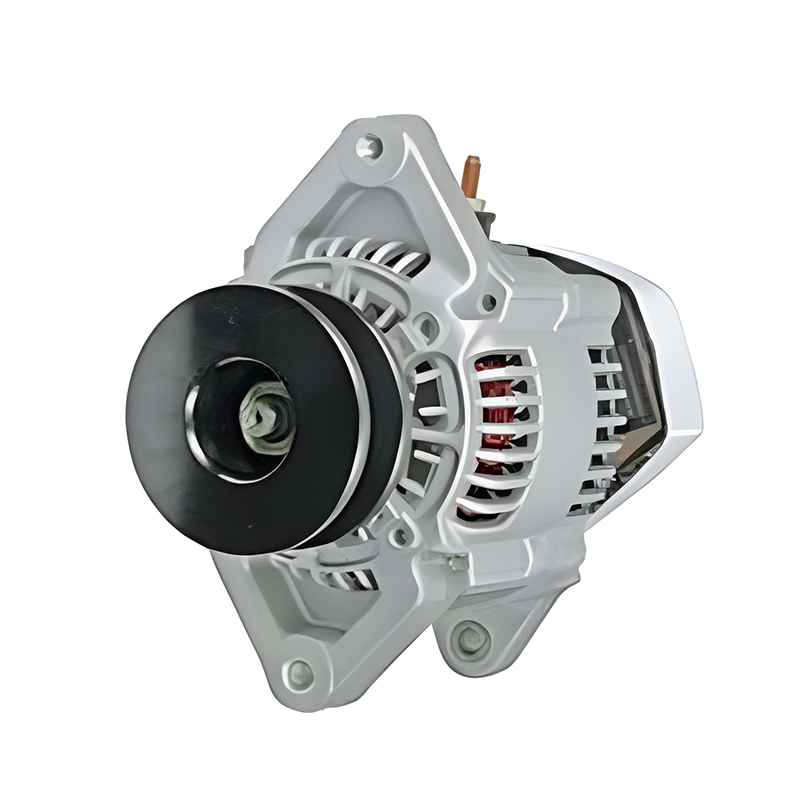
The alternator serves as the heart of your vehicle's electrical system, continuously generating power to recharge the battery and supply electricity to all electronic components while the engine runs. Understanding proper alternator maintenance, recognizing warning signs of failure, and knowing what to expect during repair processes empowers vehicle owners to make informed decisions and avoid costly breakdowns. This comprehensive guide explores alternator care with special attention to BOSCH systems, repair procedures, diagnostic techniques, maintenance schedules, and realistic timeframes for various repair scenarios.
Content
- 1 Understanding Alternator Function and Importance
- 2 Preventive Alternator Maintenance Procedures
- 3 Common Alternator Problems and Diagnostic Signs
- 4 BOSCH Alternator Repair Procedures and Considerations
- 5 How Long Does Alternator Repair Take
- 6 Car Electrical System Repair Related to Alternators
- 7 Cost Considerations for Alternator Service
- 8 Extending Alternator Service Life
- 9 When to Seek Professional Assistance
Understanding Alternator Function and Importance
The alternator converts mechanical energy from the engine into electrical energy through electromagnetic induction. As the engine drives the alternator pulley via a serpentine belt, internal rotors spin within a magnetic field, generating alternating current that is then converted to direct current for use by the vehicle's electrical system. This continuous power generation keeps the battery charged and supplies electricity to headlights, climate control, infotainment systems, fuel injection computers, and dozens of other electrical components.
Modern vehicles place unprecedented demands on alternators compared to vehicles from previous decades. Advanced driver assistance systems, multiple computer modules, heated seats, powerful audio systems, and constant smartphone charging create electrical loads that can exceed 100 amperes in some vehicles. BOSCH alternators, recognized globally for engineering excellence, are designed to meet these demanding requirements with efficiency ratings often exceeding 80% and output capacities ranging from 70 to 250+ amperes depending on vehicle application.
Alternator failure creates cascading problems throughout the vehicle. Initially, the battery must supply all electrical power, which depletes charge rapidly—typically within 30 minutes to 2 hours depending on electrical load and battery condition. Once battery voltage drops below critical thresholds around 10-11 volts, electronic control modules begin malfunctioning, engine performance deteriorates, and eventually the vehicle stops running entirely. Understanding this critical relationship between alternator health and overall vehicle reliability underscores the importance of proper maintenance and timely repair.
Preventive Alternator Maintenance Procedures
Proactive alternator maintenance significantly extends service life and prevents unexpected failures. While alternators contain fewer wear items than many automotive components, regular inspections and care ensure optimal performance and early problem detection.
Visual Inspection and Belt Condition Assessment
Regular visual inspections should occur every 6 months or 6,000 miles, focusing on several critical areas. Examine the serpentine belt driving the alternator for cracks, glazing, fraying, or missing ribs—any of these conditions indicate replacement is needed. A worn belt slips under load, preventing the alternator from spinning at proper speed and reducing output. Belt tension is equally important; excessive looseness causes slipping while overtightening damages alternator bearings. Most modern vehicles use automatic belt tensioners, but these wear over time and should be inspected for proper spring tension and smooth operation.
Inspect all electrical connections at the alternator, particularly the main output terminal and plug connectors. Corrosion, loose connections, or damaged wiring creates resistance that reduces charging efficiency and can mimic alternator failure symptoms. Clean any corrosion using electrical contact cleaner and a wire brush, then apply dielectric grease to prevent future oxidation. Verify that the alternator mounting bolts remain tight, as loose mounting allows excessive vibration that damages internal components and electrical connections.
Electrical System Testing
Comprehensive electrical system testing should be performed annually or whenever charging issues are suspected. Using a quality digital multimeter, measure battery voltage with the engine off—a fully charged battery should read 12.4-12.7 volts. Start the engine and measure voltage again at the battery terminals; it should rise to 13.8-14.4 volts, indicating the alternator is charging properly. Voltage consistently below 13.5 volts suggests alternator underperformance, while readings above 15 volts indicate voltage regulator failure that will damage the battery and electronic components.
Perform load testing by activating major electrical consumers—headlights, air conditioning, rear defroster, and heated seats—while monitoring voltage. Properly functioning alternators maintain voltage above 13.2 volts even under heavy load. Significant voltage drops under load indicate the alternator cannot meet electrical demands, suggesting worn brushes, failing diodes, or inadequate output capacity for the vehicle's electrical system. Many auto parts stores offer free alternator testing using specialized equipment that measures output current, ripple voltage, and diode health, providing comprehensive performance assessment.
Bearing Condition Monitoring
Alternator bearings support the rotor shaft and endure constant high-speed rotation, making them a common wear point. Listen for unusual noises from the alternator area—grinding, squealing, or rattling sounds often indicate bearing deterioration. A simple diagnostic test involves removing the serpentine belt and manually spinning the alternator pulley; it should rotate smoothly and quietly without roughness, binding, or excessive play. Any roughness or noise during this test confirms bearing replacement is needed.
BOSCH alternators typically use sealed bearings that don't require lubrication, but bearing life depends heavily on operating conditions. Vehicles in dusty environments, those driven through deep water frequently, or vehicles with belt alignment issues experience accelerated bearing wear. Addressing these environmental factors and maintaining proper belt alignment extends bearing life from the typical 100,000-150,000 mile range to 200,000+ miles in some cases.
Common Alternator Problems and Diagnostic Signs
Recognizing early warning signs of alternator problems enables intervention before complete failure strands you roadside. Modern vehicles provide multiple indicators when charging system issues develop.
| Symptom | Likely Cause | Urgency Level |
| Battery warning light illuminated | Charging system failure, belt issue, or sensor problem | High - diagnose immediately |
| Dimming headlights at idle | Weak alternator output or poor connections | Medium - test within days |
| Grinding or whining noise | Failed bearings or internal component damage | High - repair soon to prevent failure |
| Electrical accessories malfunctioning | Insufficient voltage supply from alternator | Medium - investigate promptly |
| Battery repeatedly dying | Alternator not recharging battery adequately | High - test charging system now |
| Burning smell from engine bay | Slipping belt, overheating alternator, or electrical short | Critical - stop driving and investigate |
| Flickering dashboard lights | Voltage regulator failure or bad diodes | Medium - can damage electronics |
BOSCH alternators incorporate sophisticated voltage regulation systems that adjust output based on electrical demand and battery state of charge. When these regulators fail, voltage becomes unstable—either too high (causing battery boiling and electronic damage) or too low (preventing proper battery charging). Modern BOSCH units often integrate the voltage regulator into the alternator assembly rather than using external regulators, improving reliability but making replacement more complex when failures occur.
Diode failure represents another common alternator problem, particularly in older or high-mileage units. The diode trio or bridge rectifies alternating current to direct current, and when one or more diodes fail, AC ripple contaminates the DC output. This creates radio interference, flickering lights, and premature battery failure as the AC component damages battery plates. Diode testing requires specialized equipment or an oscilloscope to detect excessive AC ripple, though many auto parts store testers include this diagnostic capability.
BOSCH Alternator Repair Procedures and Considerations
BOSCH alternators are designed with serviceability in mind, allowing repair rather than mandatory replacement in many failure scenarios. Understanding repair options helps vehicle owners make cost-effective decisions.
Component-Level Repair vs. Complete Replacement
Many alternator failures involve specific components rather than complete unit failure. Common repairable issues include worn brushes, failed voltage regulators, defective bearings, and bad diodes. Replacing these individual components costs significantly less than complete alternator replacement—brush replacement might cost $50-150 including labor, while a new alternator could cost $300-800 or more depending on vehicle and output rating. BOSCH designs facilitate component replacement with accessible housings and standardized parts availability.
However, component repair makes economic sense primarily on newer alternators with otherwise sound internals. An alternator with 150,000+ miles showing multiple symptoms—noisy bearings, weak output, and voltage fluctuations—likely warrants complete replacement rather than incremental repairs. Each component repair requires labor to remove and reinstall the alternator, making multiple repair cycles more expensive than single replacement. Professional technicians assess overall condition to recommend repair versus replacement based on age, mileage, and failure mode.
Remanufactured BOSCH Alternators
Remanufactured BOSCH alternators offer excellent middle-ground solutions, providing nearly new performance at 40-60% of new unit costs. Quality remanufacturing replaces all wear items including brushes, bearings, voltage regulators, and diodes while testing and restoring the stator, rotor, and housing. Reputable remanufacturers like BOSCH's own exchange program, Motorcraft, and specialized rebuilders offer warranties comparable to new units—typically 1-3 years unlimited mileage.
When selecting remanufactured alternators, verify the rebuilder's quality standards and warranty terms. Premium remanufacturers perform computer testing of output, load response, and voltage regulation matching original specifications. Budget rebuilders may replace only obviously failed components without comprehensive testing, leading to premature failure. BOSCH Exchange alternators represent the gold standard in remanufacturing, meeting original equipment specifications with genuine BOSCH replacement components throughout.
Upgrading Output Capacity
Vehicles with added electrical accessories—aftermarket audio systems, auxiliary lighting, winches, or refrigeration units—may exceed the original alternator's output capacity. BOSCH offers higher-output alternators for many applications, allowing upgrades during replacement or repair. For example, a vehicle originally equipped with a 110-ampere alternator might accept a 150-ampere BOSCH upgrade using the same mounting configuration and connections.
Alternator upgrades require careful consideration of the charging system's complete capacity. The battery must be appropriately sized to accept higher charge rates, and wiring between alternator and battery should be verified adequate for increased current flow. Consult with electrical system specialists when planning significant output increases, as improper upgrades can overheat wiring, damage battery management systems, or create voltage regulation issues. BOSCH technical documentation provides guidance on appropriate upgrade paths for specific vehicle platforms.
How Long Does Alternator Repair Take
Understanding realistic timeframes for alternator service helps vehicle owners plan accordingly and recognize when quoted times seem unreasonable. Repair duration varies significantly based on vehicle design, repair type, and shop workflow.
Diagnostic Time Requirements
Proper alternator diagnosis typically requires 30 minutes to 1 hour for thorough testing. This includes battery voltage testing, alternator output measurement under load, ripple voltage analysis, and inspection of belts, connections, and related components. Rushed diagnostics risk misdiagnosis—battery problems, parasitic electrical drains, or wiring issues can mimic alternator failure, leading to unnecessary replacement of a functional alternator. Quality repair facilities invest adequate diagnostic time to ensure accurate problem identification.
Modern vehicles with complex electrical systems may require extended diagnostic time, particularly when intermittent charging issues occur. Advanced diagnostics might include computer module scanning for fault codes, voltage drop testing across various circuits, and load testing that cycles through different electrical operating modes. These comprehensive diagnostics can extend to 1.5-2 hours but prove essential for accurate repairs, especially on luxury vehicles or those with multiple batteries and charging circuits.
Alternator Replacement Time by Vehicle Type
Alternator replacement labor time varies dramatically based on accessibility. Simple installations with top-mounted alternators and straightforward belt routing take 0.5-1.5 hours for experienced technicians. These easy-access designs are common on older domestic vehicles, many trucks, and some economy cars. The technician disconnects the battery, releases belt tension, removes electrical connections, unbolts the alternator, and reverses the process with the replacement unit.
Moderate difficulty installations requiring removal of auxiliary components extend labor to 2-3 hours. Many modern vehicles position alternators low in the engine bay or behind other components, necessitating removal of air intake ducting, cooling system hoses, or accessory brackets for access. Some front-wheel-drive vehicles require raising the engine slightly or removing motor mounts to create alternator removal clearance. European vehicles often feature particularly challenging alternator locations that increase replacement complexity.
Complex installations can require 4-6 hours or more, typically involving substantial component removal for alternator access. Certain luxury vehicles position alternators under the intake manifold, behind the engine, or require front suspension component removal for access. Some hybrid vehicles integrate the alternator into the transmission bell housing or use it as the engine starter motor, creating complex replacement procedures requiring specialized tools and programming. Always verify labor time estimates align with your specific vehicle model and year, as seemingly similar vehicles can have vastly different installation complexity.
Component Repair and Rebuild Timeframes
On-site alternator repair typically requires 2-4 hours total including removal, disassembly, component replacement, reassembly, installation, and testing. Brush replacement represents the quickest repair at the lower end of this range, while bearing replacement or diode pack replacement extends toward the upper range. Not all repair facilities perform on-site alternator rebuilding, instead removing the failed unit and installing a replacement, then sending the original out for core credit.
Off-site professional rebuilding by specialized shops takes 1-3 business days typically, as these facilities batch process units for efficiency. Expedited rebuilding services exist but command premium pricing. For non-emergency situations where the vehicle remains operable, off-site rebuilding of the original alternator can save money compared to purchasing a replacement, particularly for expensive high-output or specialty alternators where remanufactured units may not be readily available.
Parts Availability and Total Service Duration
Common vehicle alternators are usually in stock at auto parts stores, enabling same-day service completion. Less common applications may require overnight shipping, extending total service time to 1-2 days. Specialty or high-output BOSCH alternators for European vehicles, luxury cars, or modified applications might need 2-5 business days for delivery, particularly if genuine BOSCH units are specified rather than aftermarket equivalents.
Planning for realistic service duration helps avoid frustration. For a common vehicle with easy alternator access and parts in stock, expect service completion in 2-4 hours total. For complex installations or parts ordering requirements, 1-3 business days represents typical turnaround. Emergency services offering expedited repair are available at premium rates, providing same-day service even for difficult installations by prioritizing your vehicle in the shop queue and potentially paying expedited parts delivery fees.
Car Electrical System Repair Related to Alternators
Alternator issues often reveal or create problems elsewhere in the electrical system. Comprehensive car electrical repair addresses these interconnected components to ensure lasting reliability.
Battery Condition and Replacement Considerations
Failed alternators damage batteries through chronic undercharging, while overcharging alternators boil electrolyte and warp battery plates. When replacing alternators, always test battery condition to determine if battery replacement is also needed. A battery subjected to repeated deep discharge cycles from alternator failure rarely recovers full capacity and may fail within months even after charging system repair. Load testing reveals battery health, and batteries showing reduced capacity below 80% of rated CCA (cold cranking amperes) should be replaced preventively during alternator service.
Conversely, battery problems can masquerade as alternator failure. A battery with a dead cell creates massive electrical load as the alternator attempts unsuccessfully to charge it, potentially causing premature alternator failure through chronic overload. This highlights the importance of thorough diagnostics rather than assuming the symptom indicates the cause. Professional testing distinguishes between battery failure, alternator failure, and combined system problems requiring both components' replacement.
Wiring and Connection Integrity
Electrical connections between alternator, battery, and chassis ground significantly impact charging system performance. Corroded or loose connections create resistance that reduces charging efficiency and can generate sufficient heat to melt terminals or ignite nearby materials. During alternator service, inspect and clean all charging circuit connections including the main alternator output terminal, battery positive and negative terminals, engine-to-chassis ground straps, and alternator mounting points that provide ground return path.
Upgrading main charging circuit wiring sometimes proves necessary, particularly in vehicles with high-output alternators or those showing signs of heat damage to original wiring. Installing larger gauge cables between alternator and battery reduces resistance and voltage drop, improving charging efficiency and reducing heat generation. This upgrade is particularly important when installing higher-output alternators than original equipment, as the increased current flow through undersized wiring creates reliability and safety hazards.
Serpentine Belt System Service
The serpentine belt deserves attention during any alternator service since it drives the alternator and belt condition directly affects charging performance. Replace any belt showing cracks, glazing, or wear during alternator replacement even if the belt might have limited remaining life. The labor cost for belt replacement is minimal when the alternator is already being serviced compared to a separate service visit later. Belt tensioners wear over time and should be inspected during alternator service—a weak tensioner allows belt slipping that reduces alternator output despite the alternator itself being functional.
Proper belt alignment prevents premature alternator bearing failure and ensures optimal power transmission. Misaligned pulleys cause the belt to run at an angle, creating side loads on alternator bearings that dramatically reduce service life. Pulley alignment should be verified during installation, particularly after accident repairs or if the alternator has been replaced previously. Alignment tools or straightedges can verify all pulleys in the serpentine belt system are properly aligned.
Cost Considerations for Alternator Service
Understanding alternator repair and replacement costs helps vehicle owners budget appropriately and evaluate quotes from different service providers.
Parts Cost Ranges
New BOSCH alternators range from $200-400 for common domestic applications to $500-1,200 for high-output European vehicle units. Remanufactured BOSCH alternators typically cost 40-60% less than new, ranging from $100-250 for basic applications to $300-700 for premium units. Aftermarket alternators from reputable brands like Denso, Valeo, or AC Delco fall between remanufactured and new BOSCH pricing, offering good value for many applications though potentially with shorter warranties or slightly lower quality standards than genuine BOSCH units.
Component repair parts prove much less expensive than complete alternators. Brush sets cost $15-40, voltage regulators $25-80, bearing kits $20-60, and diode packs $30-90. However, these component costs don't include the labor for alternator removal, disassembly, repair, reassembly, and reinstallation, which can equal or exceed the labor for simple alternator replacement. Economic analysis should compare total cost of component repair versus remanufactured alternator replacement.
Labor Costs and Regional Variations
Labor rates for automotive electrical work vary from $80-120 per hour for independent shops to $120-180 per hour for dealership service departments. Geographic location significantly impacts rates, with urban areas and regions with higher costs of living commanding premium labor prices. Multiplying the hourly rate by the time estimates discussed earlier provides total labor cost—a 2-hour replacement at $100 per hour costs $200 in labor, while a 5-hour complex installation at $150 per hour reaches $750 in labor alone.
Mobile mechanics often provide alternator replacement services at competitive rates, offering the convenience of on-site service at your home or workplace. Mobile service typically costs 10-20% more than shop-based service due to travel time and inability to use specialized shop equipment, but the convenience factor often justifies the modest premium. Mobile services work well for straightforward alternator replacements but may not be equipped for complex installations requiring vehicle lifts or extensive component removal.
Total Service Investment
Complete alternator service costs combining parts and labor typically range from $300-600 for basic vehicles with remanufactured alternators and easy access, to $800-1,500 for complex installations with new premium alternators, and can exceed $2,000 for difficult installations on luxury vehicles requiring extensive disassembly. These estimates include related service items like serpentine belts and battery testing but not battery replacement if needed.
- Request itemized quotes separating parts and labor costs to enable meaningful comparison between service providers
- Verify warranty coverage on both parts and labor—quality shops offer 12-36 month warranties on alternator replacement services
- Consider preventive replacement of related components like serpentine belts and tensioners during alternator service to avoid repeat labor costs
- Ask whether quoted prices include core charges for remanufactured alternators—these refundable deposits of $25-75 return when you provide the old alternator
Extending Alternator Service Life
Proactive measures significantly extend alternator longevity beyond typical 100,000-150,000 mile service life, potentially reaching 200,000+ miles with proper care.
Minimizing Electrical System Stress
Reduce unnecessary electrical loads whenever possible to decrease alternator workload. Turn off accessories like air conditioning, heated seats, and entertainment systems when starting the engine, as the initial cranking and engine start-up already stress the electrical system. Avoid running high-draw accessories for extended periods with the engine at idle—low engine RPM means reduced alternator speed and output, forcing the alternator to work harder to meet electrical demands. Driving at highway speeds with minimal accessories engaged represents the easiest operating condition for alternators.
Adding aftermarket electrical accessories increases alternator load and can shorten service life if total electrical draw approaches or exceeds alternator output capacity. Calculate total electrical consumption of all accessories including factory and aftermarket equipment, ensuring the alternator can supply adequate power with reasonable reserve capacity. As a general rule, maintain at least 20% reserve capacity beyond typical electrical load to prevent chronic alternator overload that accelerates wear.
Environmental Protection
Protect alternators from environmental hazards that accelerate deterioration. Water exposure from driving through deep puddles or pressure washing the engine bay can penetrate alternator seals, causing internal corrosion and electrical shorts. BOSCH alternators feature water-resistant designs but are not waterproof. Avoid submerging alternators in water and allow adequate drying time if water exposure occurs. When washing engine bays, cover the alternator or use low-pressure washing with careful aim away from electrical components.
Road salt in winter climates corrodes electrical connections and accelerates housing deterioration. Periodically cleaning accumulated road salt from the alternator exterior and surrounding areas prevents corrosion damage. Similarly, prevent oil contamination from leaking engine gaskets or seals—oil accelerates belt deterioration and can damage alternator brushes and slip rings when it penetrates the alternator housing. Address engine oil leaks promptly to protect electrical components.
Quality Replacement Parts and Professional Installation
When alternator replacement becomes necessary, invest in quality parts and professional installation. Bargain-priced alternators from unknown manufacturers often use inferior materials and sloppy manufacturing tolerances that result in premature failure, sometimes within 12-24 months. BOSCH alternators, whether new or properly remanufactured, deliver superior reliability worth the modest cost premium over the cheapest alternatives.
Professional installation ensures proper torque on mounting bolts, correct belt tension, secure electrical connections with appropriate crimping and corrosion protection, and verification of proper charging system operation after installation. DIY installation saves labor costs but risks problems if proper procedures aren't followed. Incorrect belt tension, loose electrical connections, or failure to verify proper operation can damage the new alternator within weeks. Unless you possess appropriate tools and experience, professional installation proves worthwhile insurance for the alternator investment.
When to Seek Professional Assistance
While some alternator maintenance tasks suit DIY enthusiasts, certain situations demand professional electrical system expertise to avoid costly mistakes or safety hazards.
Seek professional help immediately if you experience complete charging system failure indicated by the battery warning light and dimming accessories. Continuing to drive with a failed alternator depletes the battery and risks stranding you in potentially dangerous locations. Professional assistance ensures accurate diagnosis distinguishing between alternator failure, battery problems, or other electrical issues, preventing unnecessary part replacement.
Intermittent charging problems prove particularly challenging to diagnose and require professional electrical system expertise. Problems that come and go—charging normally sometimes but failing other times—often involve loose connections, failing voltage regulators, or partially damaged components difficult to identify without professional diagnostic equipment and experience. Attempting DIY diagnosis of intermittent problems frequently results in replacing multiple components unnecessarily before identifying the actual fault.
Vehicles with complex electrical systems including multiple batteries, battery management computers, or integrated starter-generator systems require specialized knowledge and tools for proper alternator service. Many luxury and hybrid vehicles fall into this category. Incorrect procedures during alternator replacement on these vehicles can damage expensive electronic control modules, void warranties, or create ongoing electrical problems far more costly than professional service. When in doubt about your specific vehicle's complexity, consulting professionals prevents expensive mistakes.
Modern BOSCH alternators and car electrical systems deliver remarkable reliability when properly maintained, typically providing 100,000+ miles of trouble-free service. Understanding maintenance requirements, recognizing warning signs of problems, and knowing realistic repair timeframes and costs empowers vehicle owners to make informed decisions ensuring their vehicles' electrical systems remain dependable for years to come.