


 中文简体
中文简体 Español
 Français
Designed to meet the demanding electrical needs of modern vehicles, the 12V 150A 11064/0124615009 Bosch car alternator for AUDI A4 1.6L, 1.8L, 2.0L is a trusted solution for AUDI A4 owners. Boasting a...
See Details

Get A Quote
Alternator Components Explained: Rotor, Stator, Rectifier and Regulator
Sep 30, 2026
If you have ever dropped a returned alternator onto the workbench, you already know that the outside tells you almost nothing. A charging fault almost always starts with one small part inside the housing: a worn brush, a shorted diode, a stator winding that overheated once too often. Knowing how alternator components fit together is what separates a fast, accurate diagnosis from a guessing game, and it is also what separates a repair that lasts from one that comes back next month.
At Changzhou Hancheng Auto Parts, we build 100 percent new alternators for cars, trucks, buses, and off-highway machinery, from small 12V units up to 24V heavy-duty versions that feed entire work fleets. The component list has not changed much in decades, but the way each part is specified has changed a great deal. Here is a practical walk through the parts, what each one does, and how it typically fails.
Content
- 1 The Main Alternator Components at a Glance
- 2 Rotor: The Spinning Electromagnet
- 3 Stator: Where the Current Is Actually Generated
- 4 Rectifier Bridge: Turning AC Into DC
- 5 Voltage Regulator: The Component That Sets the Voltage
- 6 Housings, Bearings, Pulley, and Cooling Parts
- 7 How the Components Work Together
- 8 Alternator Components Reference Table
- 9 Matching Components to Output Rating and Duty Cycle
- 10 Symptoms That Point to a Specific Component
- 11 Sourcing Components You Can Trust
The Main Alternator Components at a Glance
Every alternator, whether it is a compact 70A unit for a hatchback or a 24V 150A unit for a mining loader, is assembled from the same two families of parts. The drive side handles mechanical input: pulley, fan, bearings, and housings. The electrical side handles generation and control: rotor, stator, rectifier, and regulator. If you would like the whole charging cycle explained in sequence, our guide on how a car alternator works takes you through it step by step.
- Rotor assembly with field coil, claw poles, shaft, and slip rings
- Stator with laminated core and three phase windings
- Rectifier bridge with power diodes and heat sinks
- Voltage regulator, often combined with the brush holder
- Drive end and slip ring end housings
- Pulley, cooling fan or fans, bearings, and seals
Rotor: The Spinning Electromagnet
The rotor is the only major component that turns. Its shaft carries a laminated iron core fitted with two claw shaped pole halves, and inside that core sits the field coil, a copper winding that becomes an electromagnet as soon as current flows through it. On a 12V unit the field coil usually draws somewhere between 2 and 5 amps, which is why a resistance check across the slip rings is one of the fastest tests you can run before condemning a unit.
Slip rings sit at the rear of the rotor and transfer that field current from stationary brushes into the spinning coil. They are small, they wear, and they are unforgiving: a grooved ring or a brush shorter than about 5 mm produces the classic symptom of a battery lamp that flickers at idle and then settles once engine speed rises. Rotor imbalance and excessive runout are the other quiet killers, because they load the bearings and slowly open the air gap between rotor and stator.
Stator: Where the Current Is Actually Generated
The stator is a ring of laminated silicon steel with three separate windings set 120 electrical degrees apart, pressed into the drive end housing or clamped between the housings. Because the rotor's magnetic field sweeps across those windings, the stator is where alternating current is produced, and it is also where most of the heat is generated. Winding wire gauge, insulation class, and varnish treatment decide whether the unit survives a hot engine bay in summer traffic.
When a stator fails, the pattern is usually easy to read. A short between turns or to ground reduces output, often by roughly a third, and leaves a burnt smell and darkened varnish behind. An open phase creates a heavy ripple that shows up on an oscilloscope and quietly cooks the battery. This is the part where material quality matters most, and it is why we test winding resistance, inductance, and insulation on every stator before assembly.
Rectifier Bridge: Turning AC Into DC
Vehicles run on direct current, so the alternating current from the stator has to be converted. Six power diodes arranged as a three phase bridge do that job: three positive diodes pressed into a heat sink, three negative diodes mounted in the end frame. The bridge also prevents the battery from discharging back through the stator when the engine stops, and on many designs a small diode trio supplies the initial field current and the dash warning lamp circuit.
Diode faults are among the most common reasons an alternator is replaced. A shorted diode drains the battery overnight, so the vehicle starts fine after a jump and then sits dead the next morning. An open diode cuts output by about a third and leaves visible AC ripple in the charging voltage. Because heat is the main enemy here, diode rating, solder quality, and the contact between diode and heat sink matter as much as the diodes themselves.
Voltage Regulator: The Component That Sets the Voltage
The regulator decides how much field current reaches the rotor, switching it on and off thousands of times per second to hold a stable set point, typically around 13.8 to 14.7 volts on a 12V system and roughly double that on 24V systems. It compensates for temperature, so a hot alternator is regulated slightly lower than a cold one, and it responds to electrical load, which is why voltage dips briefly when a cooling fan or air compressor kicks in.
Older units use an external regulator, while modern machines increasingly use a regulator integrated with the brush holder and controlled by the engine computer. In each case the failure modes look similar: overcharging that boils the battery, undercharging that leaves lights dim at idle, or a warning lamp that glows even though output is normal. When we validate a regulator, we check the set point cold and hot, plus load response and lamp circuit behavior.
Housings, Bearings, Pulley, and Cooling Parts
The two housings hold everything in alignment, and they do more work than they look capable of. The drive end frame locates the front bearing and often the stator, while the slip ring end frame carries the rear bearing, rectifier, and brush holder. Cracks at the mounting ears, stripped tensioner threads, or corrosion between housing and stator can all cause charging faults that no electrical test will explain.
Bearings keep the rotor centered and the air gap even, and they announce their decline with a growl that rises with engine speed. The pulley transfers belt drive, and on many modern applications it is an overrunning or decoupling pulley that lets the alternator spin freely when the belt decelerates; when that clutch seizes, drivers hear a chirp at shutdown and belts start to wear quickly. Cooling fans, either internal or external, and clean airflow through the housing keep all of these parts inside their temperature limits.
How the Components Work Together
- The belt turns the pulley, and the pulley turns the rotor inside the stator.
- The regulator sends a small current through the brushes and slip rings into the field coil.
- The energized rotor creates a rotating magnetic field across the stator windings.
- The stator produces three phase alternating current, proportional to speed and field strength.
- The rectifier converts that AC into DC and blocks reverse current to the battery.
- The regulator reads output voltage and trims field current to keep charging stable.
Alternator Components Reference Table
| Component | Primary Function | Common Failure Symptom | Production Check |
|---|---|---|---|
| Rotor assembly | Creates the rotating magnetic field | No or intermittent charging, growling noise | Field resistance, balance, runout |
| Stator | Generates three phase AC current | Output down by about a third, burnt smell | Winding resistance, insulation, varnish cure |
| Rectifier bridge | Converts AC to DC, blocks reverse current | Battery drains overnight, high ripple | Diode drop, reverse leakage, heat sink torque |
| Voltage regulator | Holds the charging set point | Overcharging or undercharging, lamp glow | Cold and hot set point, load response |
| Brush holder and slip rings | Feed field current into the rotor | Output that changes with engine speed | Brush length, spring pressure, ring finish |
| Bearings | Support the rotor and hold the air gap | Noise that rises with rpm, rotor drag | Radial play, grease fill, seal integrity |
| Pulley | Transfers belt drive, damps vibration | Belt chirp at shutdown, belt slip | Runout, clutch breakaway torque |
| Housings | Align stator, bearings, and rectifier | Cracks, stripped threads, misalignment | Dimensions, threads, coating thickness |
Matching Components to Output Rating and Duty Cycle
Output rating is not just a marketing number. A 200A unit uses heavier stator windings, a larger rectifier with better heat sinking, and a regulator mapped for high continuous load. Put those same internals on a machine with a small battery and a short duty cycle and you gain nothing; undersize them on an ambulance or a refrigerated truck and the unit runs hot from the first week. Voltage matters too, since 24V systems are common on trucks, buses, and construction equipment and cannot be mixed with 12V parts.
For example, a van used for delivery work with extra lighting and a refrigeration unit usually needs a high output 12V unit rather than a standard replacement.
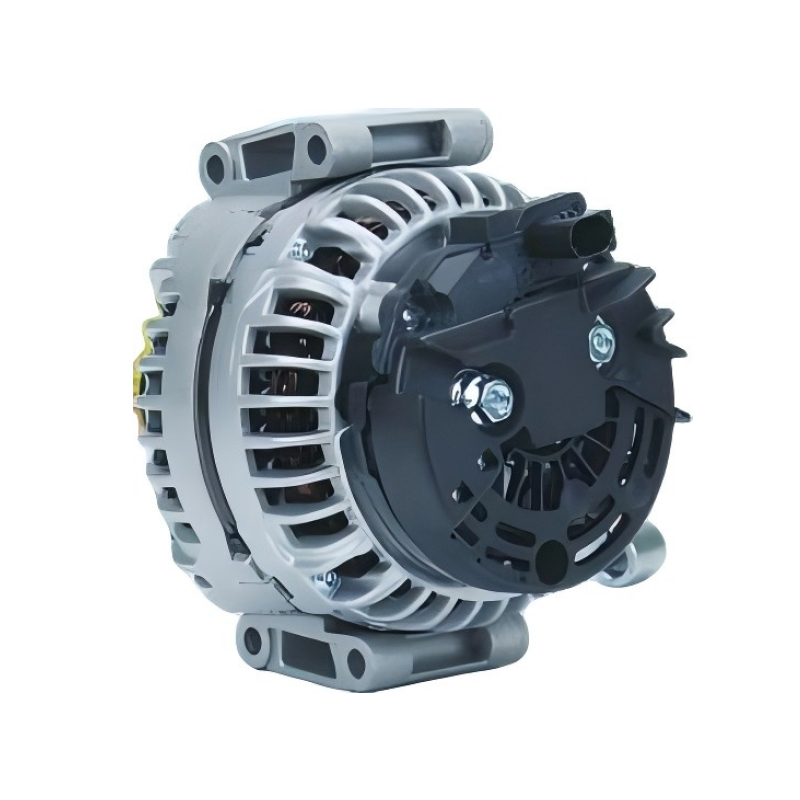 12V 200A 0124625006 Bosch car alternator for MERCEDES BENZ Sprinter/vito/viano CDi2.1LProduct Model: ZKM81111View Product →
Pickup and light truck owners running winches, plows, or audio systems push further into that range, where rectifier temperature and stator insulation become the limiting factors rather than the battery.
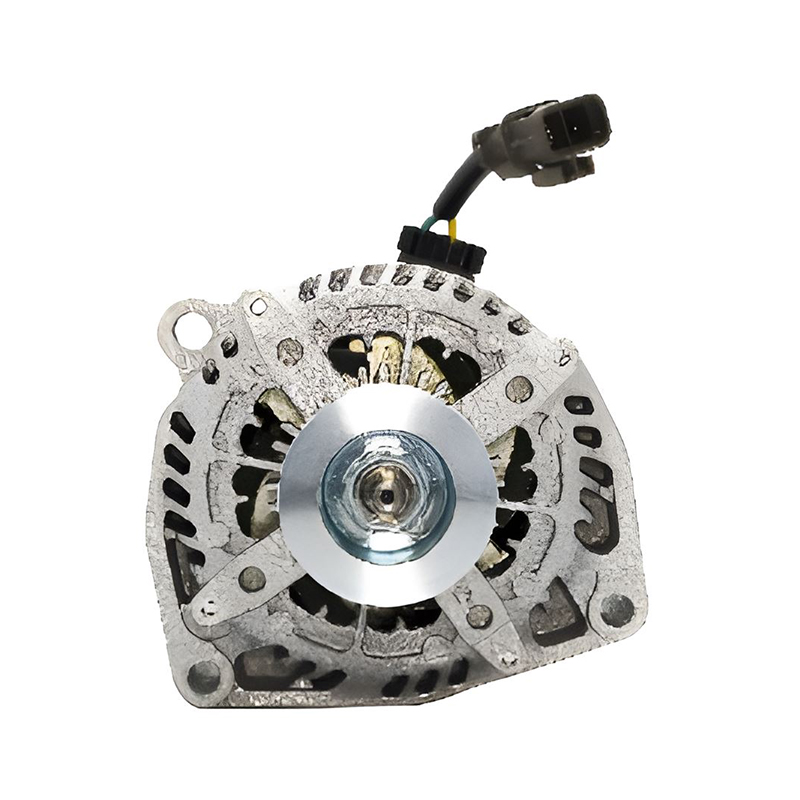 12V 250A 1042106860/22949466 DENSO car alternator for Chevrolet Truck Silverado 1500 V6 4.Product Model: ZKM86883View Product →
Heavy-Duty and 24V Applications
On long haul trucks, coaches, and earthmoving machines, the alternator works close to full output for hours at a time. Here the specification shifts toward robust bearings, sealed housings that resist dust and moisture, and rectifiers designed for continuous thermal load. Fleet buyers also care about model coverage, because keeping a mixed fleet on the road depends on finding the right unit quickly. Our Bosch car alternator range covers these truck and bus applications alongside passenger car fitments.
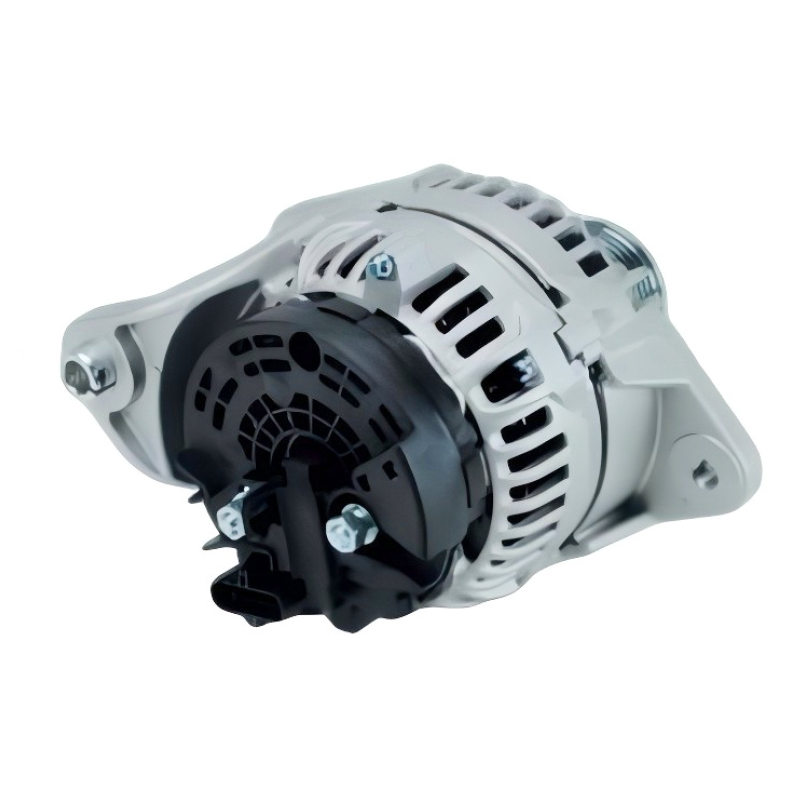 24V 80A 12599/0124555009 Bosch car alternator for VOLVO FH12 FH16 FH480 TRUCKSProduct Model: ZKM1853View Product →
Symptoms That Point to a Specific Component
Experienced technicians rarely test everything at once. They read the symptom, then go straight to the likely component, which saves both diagnostic time and unnecessary parts replacements.
- Battery lamp flickers at idle and settles with revs: brush holder or slip rings.
- Charging voltage above 15V on a 12V system: voltage regulator or a poor sense wire.
- Battery flat after sitting overnight: shorted power diode in the rectifier bridge.
- Output roughly two thirds of rating with visible ripple: one open diode.
- Whine or growl that rises with engine speed: bearings or pulley misalignment.
- Belt chirp at engine shutdown: overrunning pulley clutch locked solid.
Sourcing Components You Can Trust
Whether you are a distributor filling a catalog or a workshop ordering for a single repair, the quality of the individual components decides the outcome more than the brand label on the box. Rebuilt units often mix new bearings with reused slip rings, or fit a rectifier rated for a lower current than the stator can produce. Those compromises show up as repeat failures, comebacks, and lost customers.
Because we manufacture 100 percent new alternators rather than remanufactured ones, every rotor, stator, rectifier, regulator, and bearing in a unit is new and matched to the same output rating. Units are bench tested for output, ripple, and regulation before packing, and our team supports buyers in English, Spanish, French, and Chinese when they need to confirm a fitment or a duty cycle. If you are unsure which rating suits a particular vehicle, tell us the model, engine, and typical electrical load, and we will point you to the right unit instead of the closest one.
Alternator components are simple in concept and demanding in execution. Once you know which part does what, a charging complaint stops being a mystery and becomes a short list of checks. Build the parts well, match them to the load, and the alternator will quietly outlast the battery it is charging.
Related products
-
-
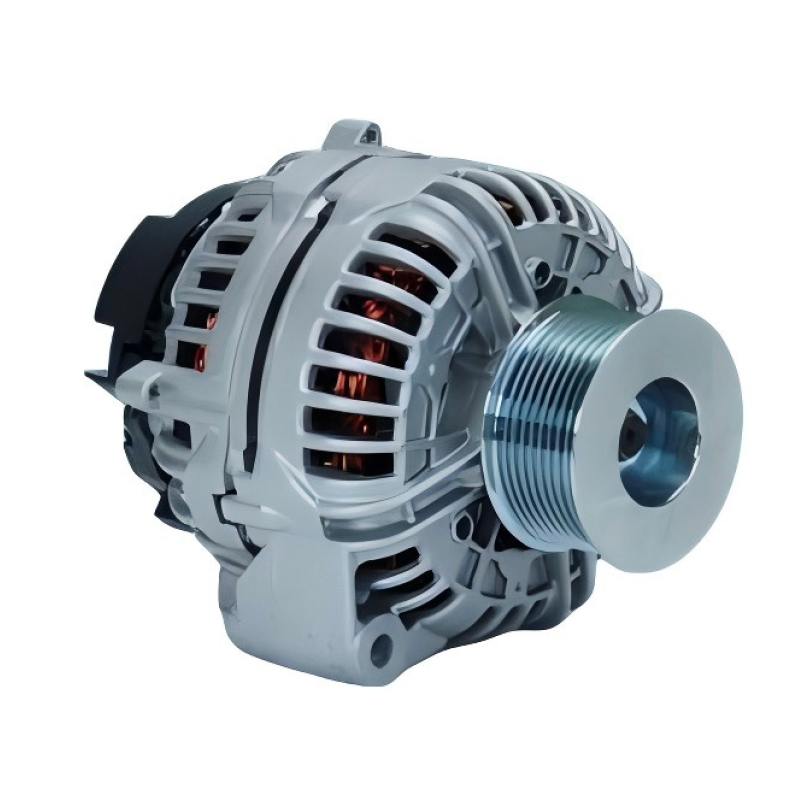
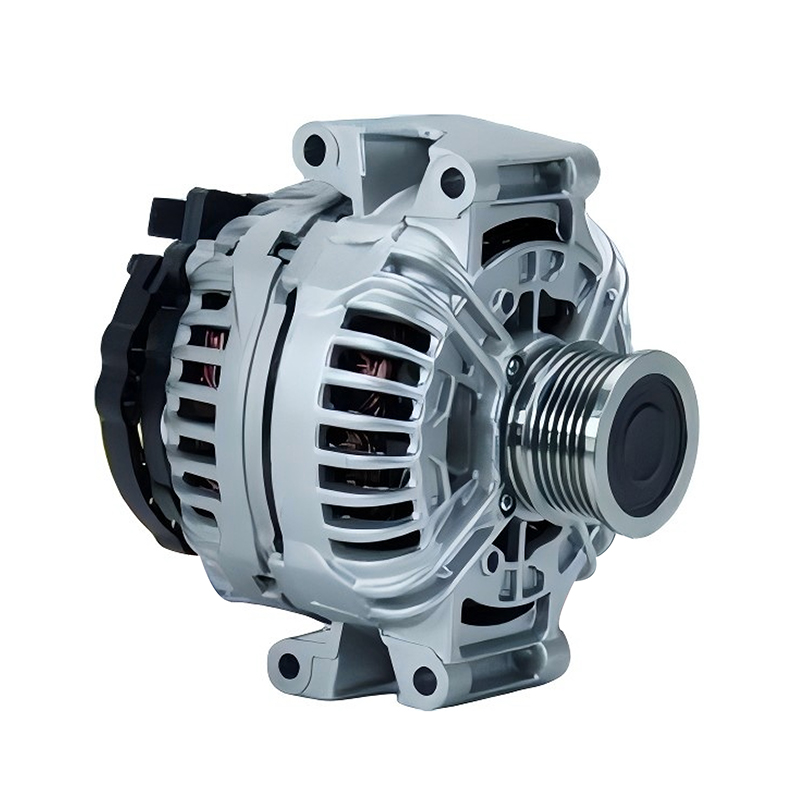
When it comes to keeping your JOHN DEERE 2007-2009 model running smoothly, a reliable alternator is non-negotiable—and the 12V 200A 12796/0124625030 Bosch car alternator for JOHN DEERE 2007-2009 is en...
See Details -
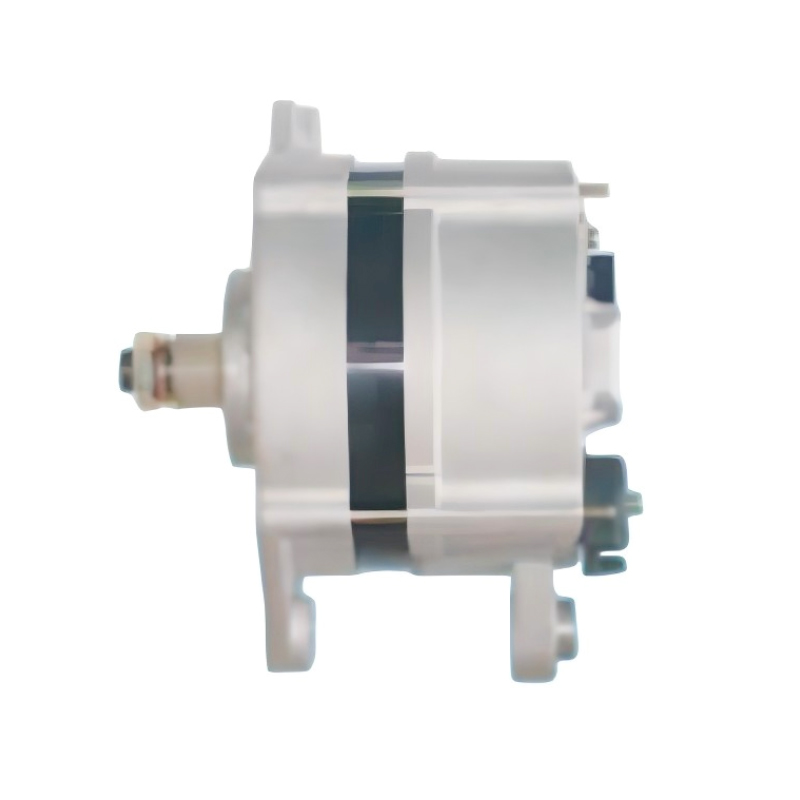
The 24V 55A 12135/0120469978 Bosch car alternator for IVECO EuroCargo EuroTrakker 100E15 90E37 is a reliable power solution specifically engineered for the IVECO EuroCargo EuroTrakker 100E15 90E37 eng...
See Details -
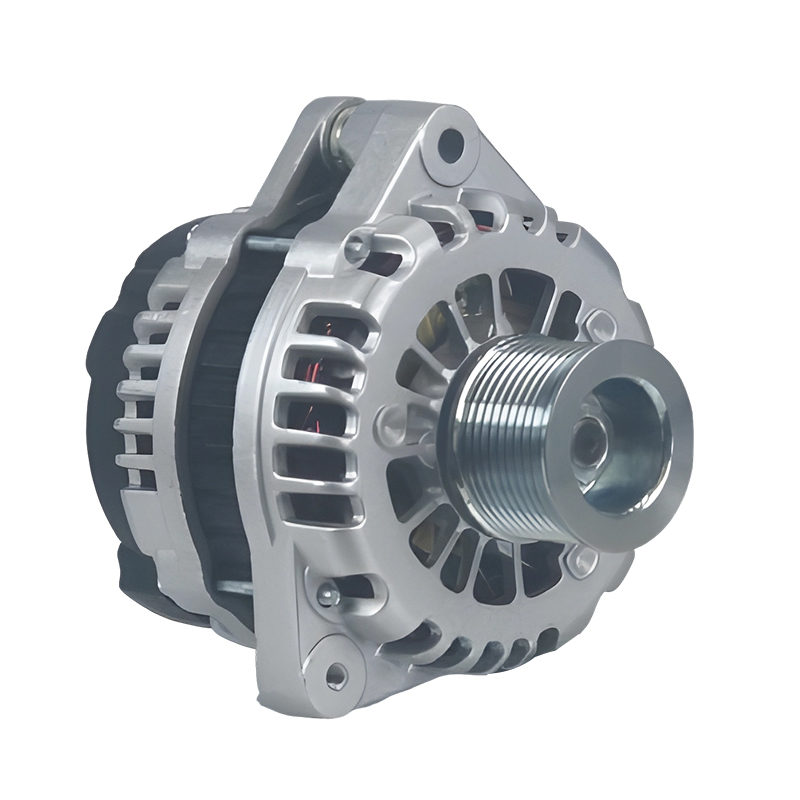
A reliable power solution for commercial and passenger vehicles, the 24V 90A 20289N/0123520500 Bosch car alternator for Hongyan,Genlyon,Saic,lveco,Howo,Weicha is engineered to deliver consistent perfo...
See Details -
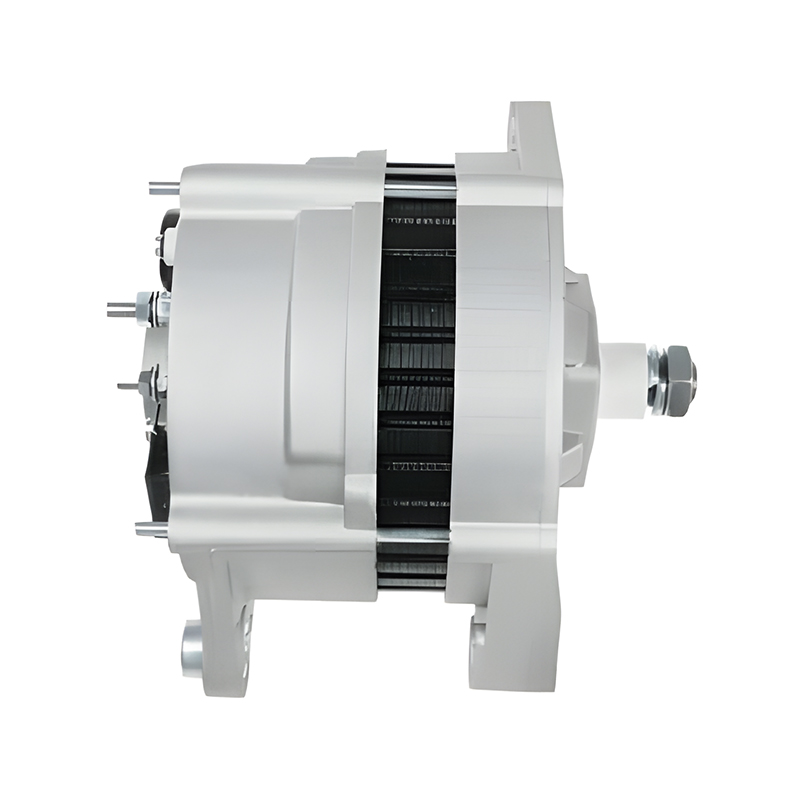
Designed as a reliable power solution for the IVECO 100 E15 engine series, the 24V 80A 12709/0120468116 Bosch car alternator for IVECO 100 E15 combines precision engineering with durable performance t...
See Details -
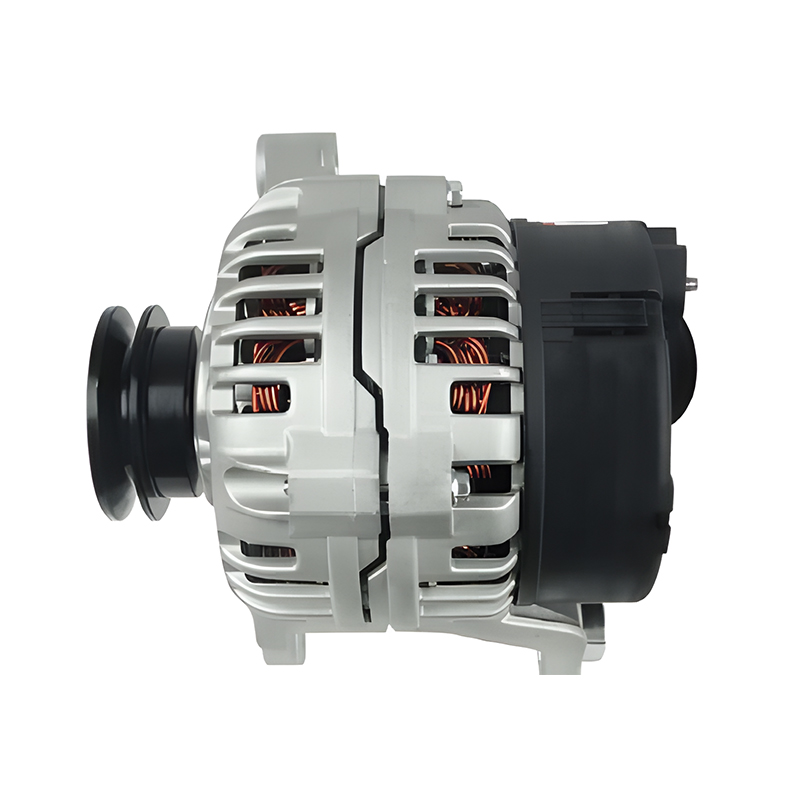
The 12V 90A 0123315503/112406 Bosch car alternator for IV ECO DAIY is a high-quality replacement part specifically designed for the IV ECO DAIY engine series, offering reliable performance to meet the...
See Details

Contact Information
-
Production Plant:No.19, West Taihu Avenue, Wujin District, Changzhou City, Jiangsu Province, China
-
Email:
-
Phone:+86 157 2060 1523
-
TEL:+86-519 8639 0626
Copyright © 2025 Changzhou Hancheng Auto Parts Co., Ltd. All Rights Reserved.
PrivacyAutomotive Alternators Manufacturers High Output Car Alternator Factory
