


 中文简体
 Español
 Français
The 24V 55A 12135/0120469978 Bosch car alternator for IVECO EuroCargo EuroTrakker 100E15 90E37 is a reliable power solution specifically engineered for the IVECO EuroCargo EuroTrakker 100E15 90E37 eng...
See Details

Get A Quote
Car Alternator Function Explained: Charging, Power Supply, and Warning Signs
Oct 27, 2026
Content
- 1 What a Car Alternator Does, in Plain Terms
- 2 How Rotation Becomes Usable Electrical Power
- 3 Why Output Rating Matters in Real Driving
- 4 Warning Signs That the Alternator Is Struggling
- 5 A Practical Testing Sequence
- 6 Replacement and Fitment: Small Details Matter
- 7 Everyday Habits That Help an Alternator Last
What a Car Alternator Does, in Plain Terms
When a car comes into our workshop with a flat battery, the first question is usually simple: is the battery tired, or is the alternator not doing its job? The alternator is the car’s on-board generator. The engine turns a belt, the belt turns the alternator pulley, and the alternator produces electrical power while the engine is running. That power keeps the battery charged and runs the lights, ignition, fuel pump, sensors, dashboard, climate fan, and every other electrical load. If you want a deeper walkthrough, our article on how a car alternator works covers the internal details.
It helps to think of the battery as a reservoir and the alternator as the pump. The battery has enough energy to start the engine and stabilise voltage, but it is not designed to carry the whole electrical load for long. Once the engine starts, the alternator takes over. It supplies current to the vehicle’s systems and sends a controlled charge back into the battery. That is the core car alternator function: continuous electrical supply, not just battery charging.
How Rotation Becomes Usable Electrical Power
The alternator is driven by the engine belt, so its speed changes with engine speed. Inside, a rotor creates a rotating magnetic field. That field induces alternating current in the stator windings. A rectifier bridge converts the alternating current into direct current, and a voltage regulator adjusts the field current so output stays within a safe range. The pulley, cooling fan, bearings, and housing all support that process. It sounds simple, but every part has to work together.
The basic sequence
- The engine turns the accessory belt and spins the alternator rotor.
- The rotor’s magnetic field generates AC voltage in the stator.
- The rectifier converts AC into DC for the battery and electrical system.
- The regulator controls field current to hold voltage steady as engine speed and load change.
- The battery absorbs and releases power as demand rises and falls.
The regulator is the quiet manager of the system. Without it, voltage would rise and fall with engine speed. In a typical 12-volt system, charging voltage often sits around 13.8 to 14.8 volts at normal operating temperature, though smart charging systems may vary this deliberately. A 24-volt system follows a similar principle at roughly double the voltage.
Why Output Rating Matters in Real Driving
Alternator output is measured in amps, usually at a specified rotor speed. A 90-amp alternator cannot deliver 150 amps just because the vehicle has more accessories. Modern cars carry heated seats, large screens, cameras, radar, powerful audio, USB charging, and extra lighting. Work vans may add refrigeration, winches, or communications gear. When electrical demand exceeds supply, the battery has to make up the difference. That works for a while, but it shortens battery life and can leave the vehicle short of power at idle.
| Output range | Typical application | What it means |
|---|---|---|
| 70-90A | Small cars, older vehicles, basic electrical loads | Enough for essential systems, limited reserve for accessories |
| 120-150A | Family cars, SUVs, light vans with air conditioning and electronics | A practical balance for daily driving and moderate accessory use |
| 180-250A | Heavy-duty vans, trucks, emergency vehicles, accessory-heavy builds | More reserve at idle and under load, but requires correct belt and wiring support |
These bands are a guide, not a rule. The right unit depends on the vehicle’s original electrical architecture, belt layout, pulley ratio, connector type, and regulator control. If you are adding a winch, a large audio system, or auxiliary lighting, choose an alternator that can support the load at realistic engine speeds, not just on paper.
In our factory, we build 100% new alternators rather than remanufactured units, and we pay close attention to output at idle as well as peak output. For a van or truck with a heavy electrical load, a high-output unit can be the practical answer. Here is an example of a 200-amp unit for a heavy-duty van application:
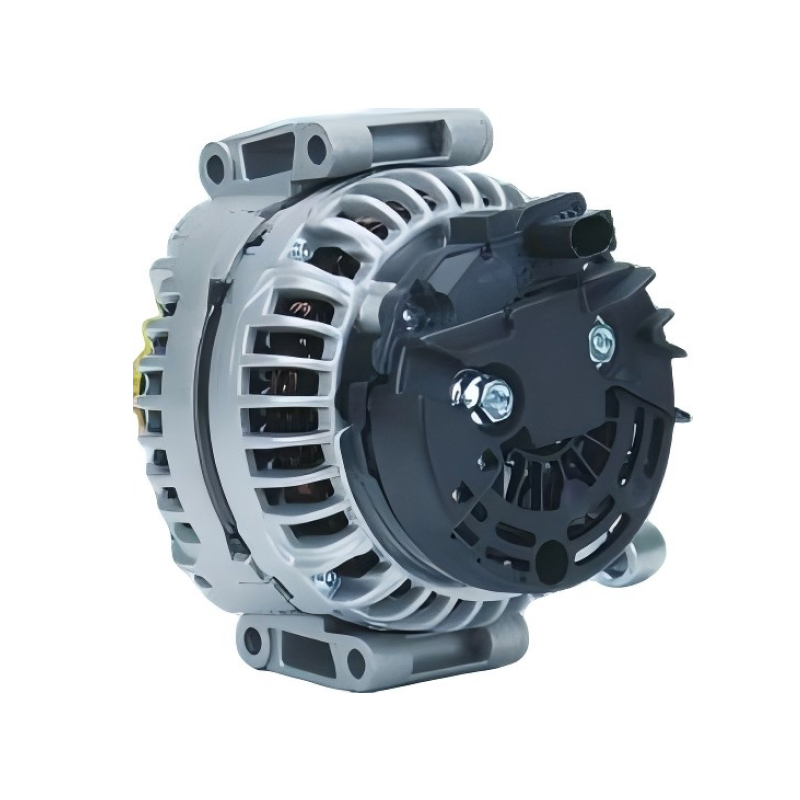 200A 12V Alternator for Mercedes-Benz Sprinter, Vito, and VianoHigh-output 200A replacement for heavy-duty van electrical loads; listed for Sprinter, Vito, and Viano CDi 2.1L with internal regulator.View Product →
Bigger is not automatically better. A very high-output alternator can place more load on the belt and charging wiring, and some vehicles require a specific regulator signal. Match the part to the vehicle, not just to the amp number on the box.
Warning Signs That the Alternator Is Struggling
Because the alternator supports so many systems, its failure rarely looks like one neat problem. Drivers often notice a combination of small issues that get worse. Common signs include:
- A battery warning light that stays on after the engine starts.
- Dim or flickering headlights, especially at idle.
- Slow cranking or repeated flat batteries, even after a battery charge.
- Electrical accessories behaving oddly, such as the radio cutting out or windows moving slowly.
- A burning rubber or hot electrical smell near the accessory belt.
- Whining or grinding noises from the alternator area.
A weak battery can mimic a failing alternator, and a loose or glazed belt can mimic both. That is why testing matters. Replacing an alternator because of a bad battery cable is an expensive way to learn the difference.
A Practical Testing Sequence
When a vehicle arrives with a charging complaint, we start with the battery and the belt. A battery that cannot hold charge will distort every voltage reading. After that, check the charging voltage at idle and under load, inspect the terminals and ground straps, and look for excessive AC ripple. High ripple often points to a failed diode inside the rectifier. A scan tool can also show regulator commands on vehicles with smart charging control.
- Inspect the battery state of charge and perform a load test if needed.
- Check belt condition, tension, and pulley alignment.
- Measure voltage at the battery with the engine off and running.
- Switch on headlights, blower, and rear defroster, then recheck voltage.
- Test for voltage drop on the positive and ground circuits.
- Check AC ripple and, where available, regulator control data.
If the alternator fails these checks, replacement is usually the sensible path. If it passes, keep looking: a poor ground, corroded cable, or parasitic drain can cause the same symptoms.
Replacement and Fitment: Small Details Matter
Alternators that look similar from the outside may not interchange. Mounting ear spacing, clock position, pulley diameter and offset, connector shape, and regulator protocol can all differ. Use the vehicle identification number or the original part number when possible. If you need a starting point, browse our alternator range and match by fitment rather than by appearance alone.
For a mid-size pickup used for daily work, a 110-amp unit can offer a sensible balance between charging capacity and belt load. This example fits that kind of application:
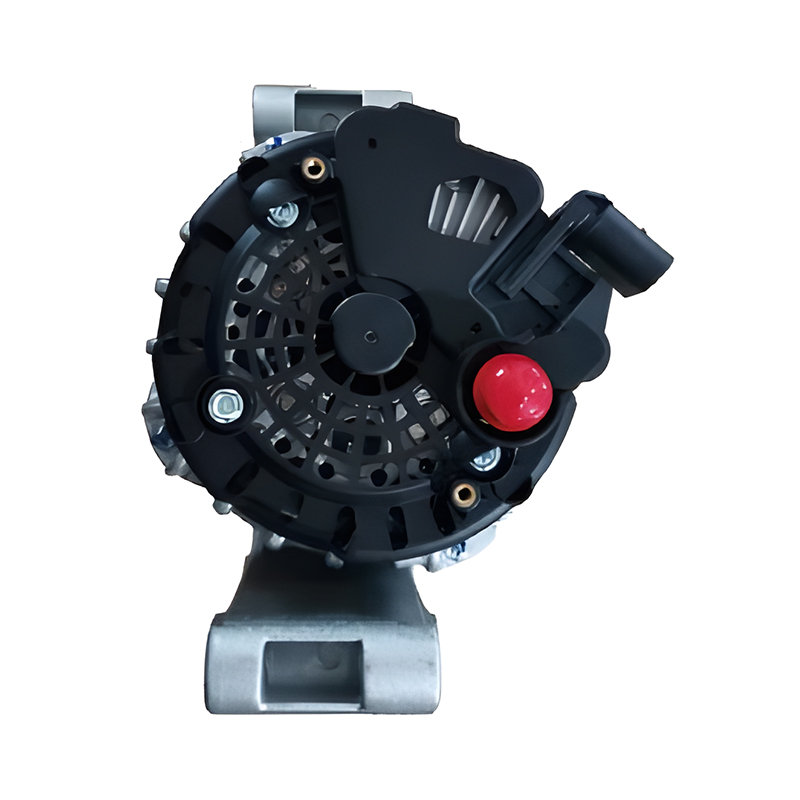 110A 12V Alternator for Ford Ranger and Mazda BT50A 110A replacement option for 2.2L/3.2L Ranger and BT50 applications, balancing charging capacity with typical pickup belt load.View Product →
During installation, disconnect the battery, check the belt and tensioner, clean the terminals, and verify charging voltage afterward. Do not overtighten the belt or leave the battery disconnected while the engine runs. A correct installation protects both the new alternator and the rest of the electrical system.
Everyday Habits That Help an Alternator Last
Alternators are durable, but they live in a hard environment: heat, vibration, dust, and constant speed changes. A few habits make a difference. Keep the battery in good condition, because a weak battery makes the alternator work harder. Fix oil or coolant leaks before they reach the alternator. Keep the belt and tensioner in good order. Avoid adding heavy electrical loads without checking charging capacity. And if the battery light appears, test the system instead of waiting for a breakdown.
At Hancheng Auto Parts, we spend our working days around these units, and the same lesson comes up again and again: the alternator is a system component, not a standalone box. Its function depends on the belt, battery, wiring, regulator, and every load connected to the vehicle. When all of those pieces are right, the alternator quietly does its job mile after mile.
Related products
-
-
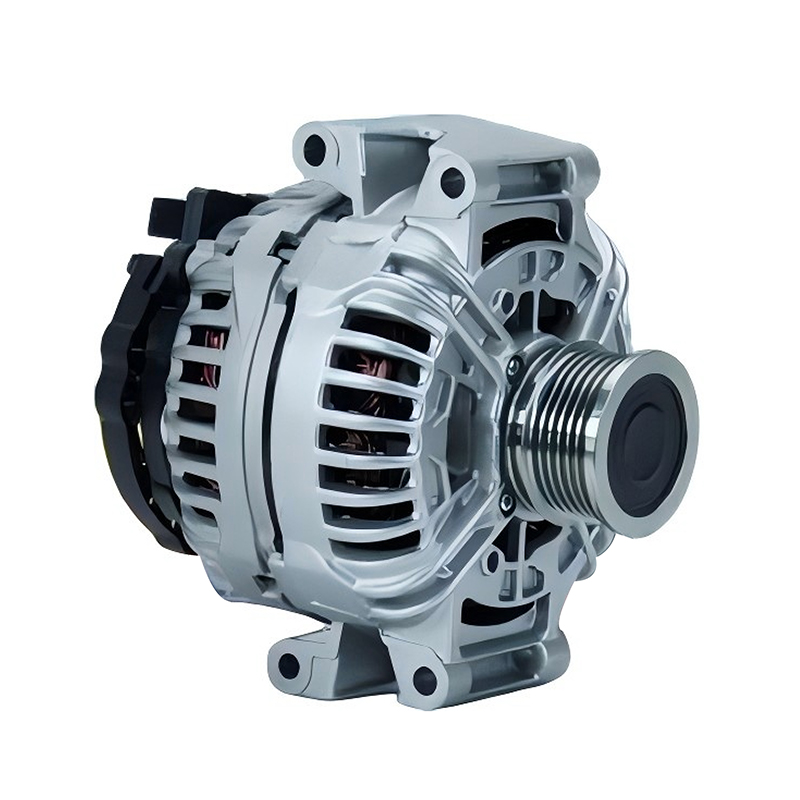
Designed to meet the demanding electrical needs of modern vehicles, the 12V 150A 11064/0124615009 Bosch car alternator for AUDI A4 1.6L, 1.8L, 2.0L is a trusted solution for AUDI A4 owners. Boasting a...
See Details -
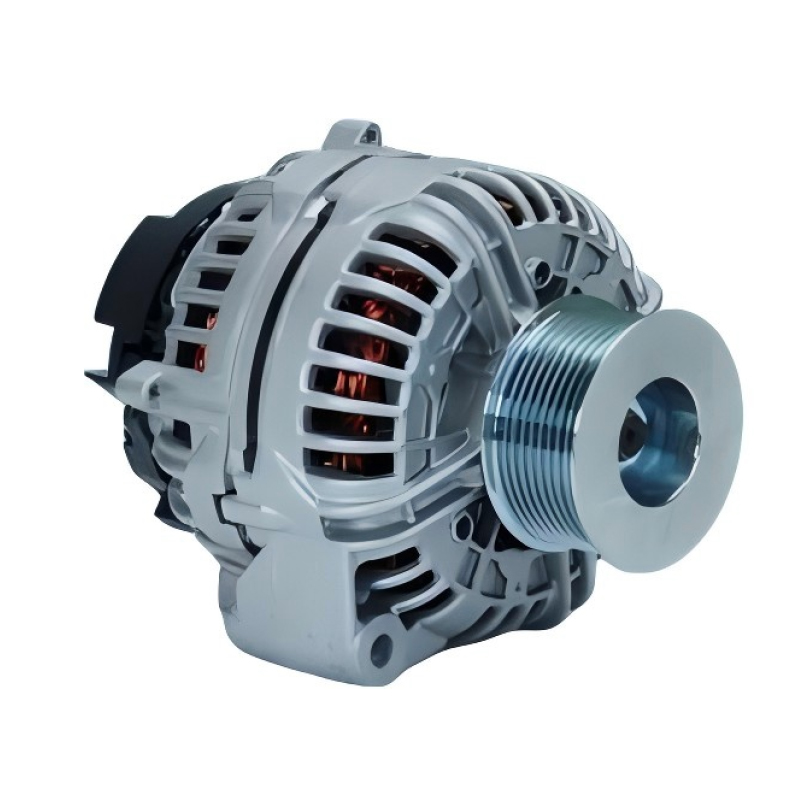
When it comes to keeping your JOHN DEERE 2007-2009 model running smoothly, a reliable alternator is non-negotiable—and the 12V 200A 12796/0124625030 Bosch car alternator for JOHN DEERE 2007-2009 is en...
See Details -
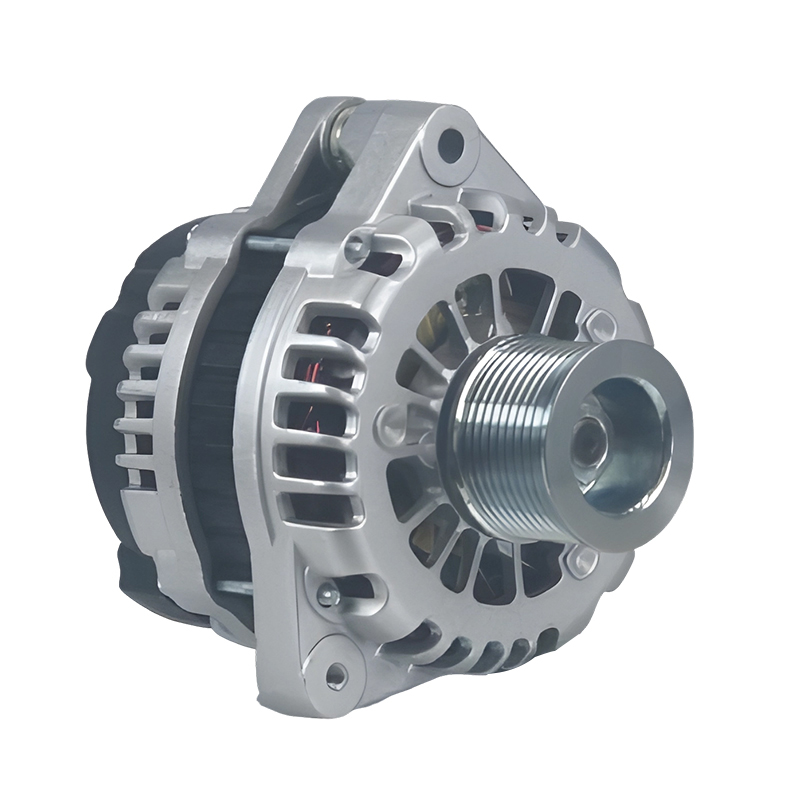
A reliable power solution for commercial and passenger vehicles, the 24V 90A 20289N/0123520500 Bosch car alternator for Hongyan,Genlyon,Saic,lveco,Howo,Weicha is engineered to deliver consistent perfo...
See Details -
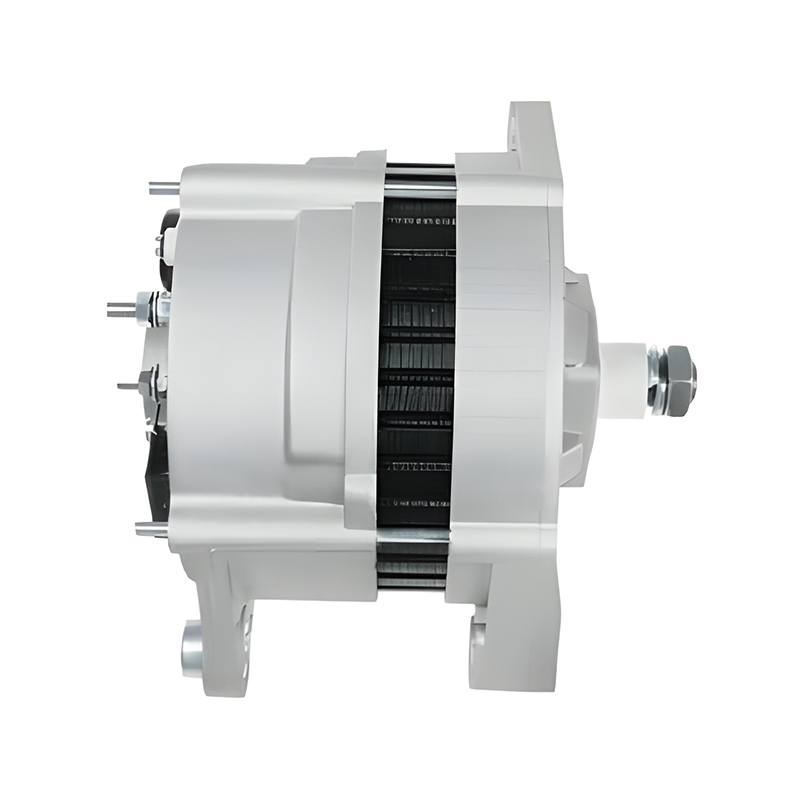
Designed as a reliable power solution for the IVECO 100 E15 engine series, the 24V 80A 12709/0120468116 Bosch car alternator for IVECO 100 E15 combines precision engineering with durable performance t...
See Details -
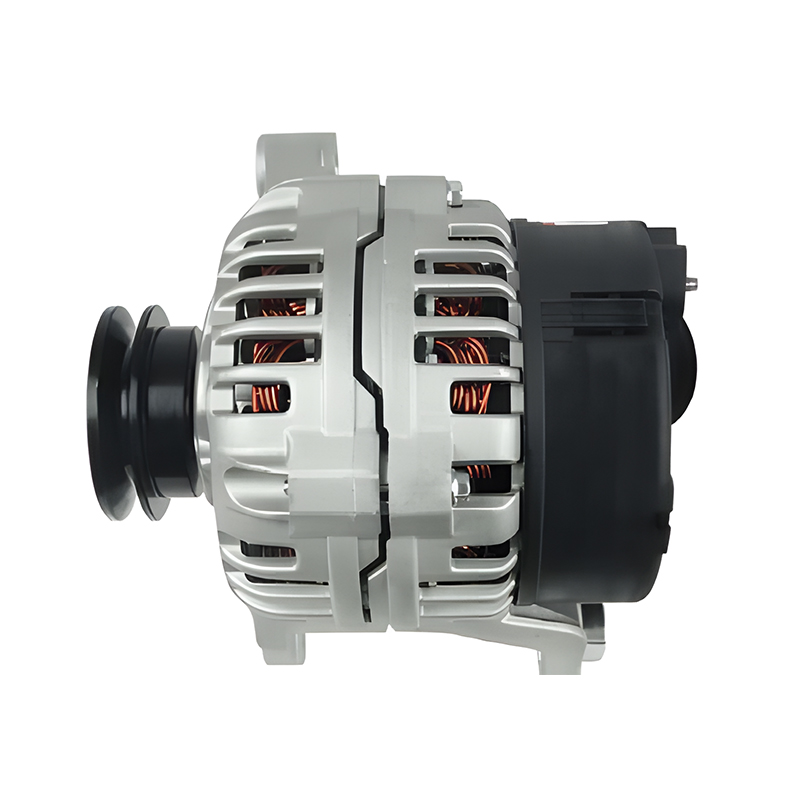
The 12V 90A 0123315503/112406 Bosch car alternator for IV ECO DAIY is a high-quality replacement part specifically designed for the IV ECO DAIY engine series, offering reliable performance to meet the...
See Details

Contact Information
-
Production Plant:No.19, West Taihu Avenue, Wujin District, Changzhou City, Jiangsu Province, China
-
Email:
-
Phone:+86 157 2060 1523
-
TEL:+86-519 8639 0626
Copyright © 2025 Changzhou Hancheng Auto Parts Co., Ltd. All Rights Reserved.
PrivacyAutomotive Alternators Manufacturers High Output Car Alternator Factory
