


 中文简体
 Español
 Français
A reliable power solution for commercial and passenger vehicles, the 24V 90A 20289N/0123520500 Bosch car alternator for Hongyan,Genlyon,Saic,lveco,Howo,Weicha is engineered to deliver consistent perfo...
See Details

Get A Quote
How Much Does It Cost to Replace an Alternator? Parts, Labor and Price Ranges
Nov 05, 2026
If your battery warning light just came on and the shop has already used the word "alternator", you are probably bracing for the bill. The honest answer is that replacing an alternator usually lands somewhere between $400 and $900 for a typical passenger car, but that range stretches in both directions once you look closely at the vehicle, the part and the labor involved.
Below we break down what drivers actually pay, which factors push the number up or down, and where you can save without cutting corners. We build alternators for a living, so we will also explain what separates a unit that lasts from one that comes back a year later.
Content
Average Alternator Replacement Cost at a Glance
Most quotes combine two numbers: the price of the alternator itself, and the labor to fit it. For a mainstream sedan or compact SUV, aftermarket parts run roughly $180 to $450 and labor adds another $120 to $300, so the total typically settles between $350 and $750. Dealership quotes and European luxury models often climb past $1,000, while an older car with the alternator sitting on top of the engine can be done for $300 or less.
| Vehicle type | Typical part cost | Typical labor | Total estimate |
|---|---|---|---|
| Compact sedan or hatchback | $160 - $330 | $120 - $260 | $300 - $590 |
| Family sedan or small SUV | $220 - $450 | $150 - $300 | $380 - $750 |
| Luxury or European model | $400 - $850 | $200 - $450 | $600 - $1,300 |
| Pickup, van or high-output unit | $300 - $620 | $180 - $360 | $480 - $980 |
| Heavy truck or commercial | $350 - $900 | $200 - $500 | $550 - $1,400 |
Treat the table as a sanity check rather than a quote. If someone offers to replace your alternator for $180 all-in, ask exactly what part they are fitting. If a quote comes in at $1,600 for a 2015 compact car, ask for the itemized breakdown before you agree.
What Actually Drives the Price
Parts: new, remanufactured or rebuilt
The part itself is usually 40 to 60 percent of the bill. A brand-new alternator costs more up front than a remanufactured one, but remanufactured units vary enormously in quality: some are properly rebuilt with new bearings, regulator and rectifier, while others are simply cleaned and resold. Rebuilt units are the cheapest and the shortest-lived. If you plan to keep the car for several more years, a new unit usually wins on cost per year of service.
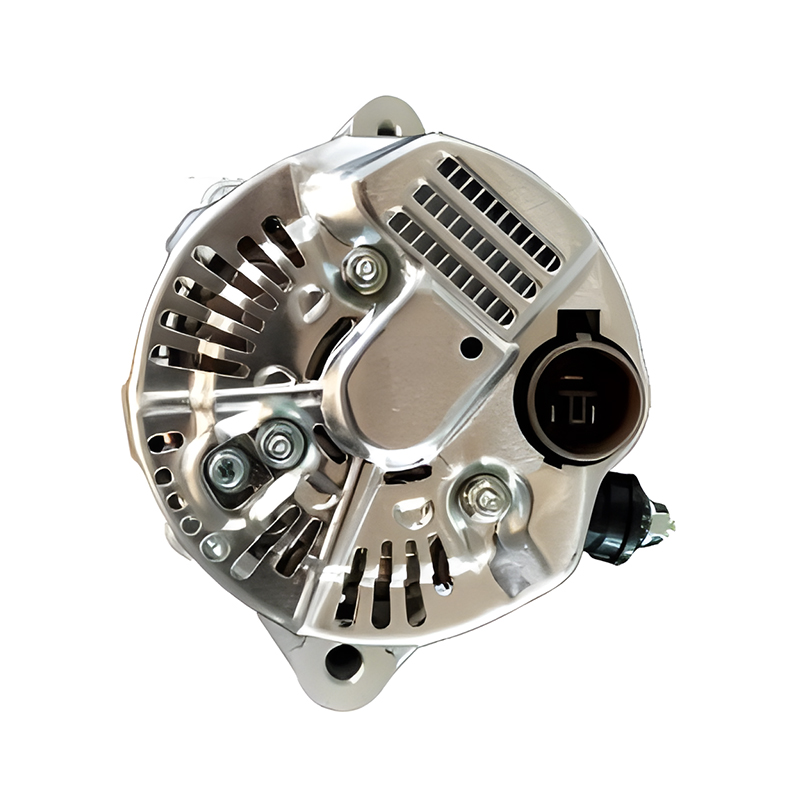 80A 12V Alternator for Toyota CamryAn 80A 12V replacement for Camry with 6-groove pulley and internal regulator; useful when weighing long-term cost against remanufactured options.View Product →
Take a familiar case: an 80 amp unit for a mid-size sedan is a modest part, yet the same housing in a 200 amp version for a loaded van costs noticeably more because of the copper and electronics inside.
Output and amperage
A basic 70 to 90 amp alternator for a small car is inexpensive. Once you move to 150, 200 or 250 amp units, common on vans, buses, trucks and vehicles with heavy electrical loads, prices rise. There is more copper, a larger housing and a heavier-duty regulator, and the tooling behind it is more demanding.
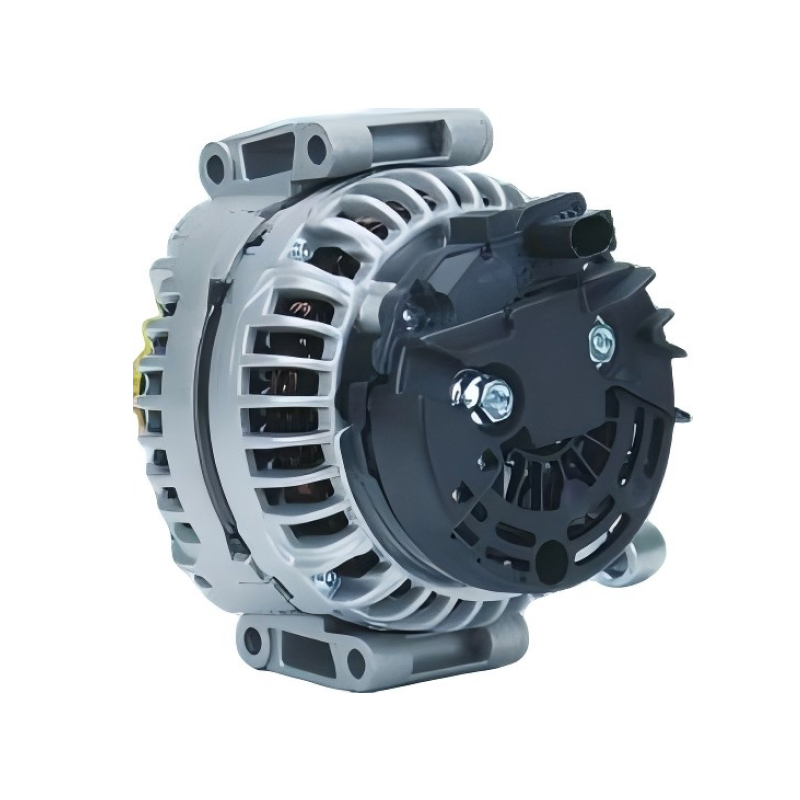 12V 200A Alternator for Mercedes Sprinter/Vito/VianoOEM-style replacement for CDi 2.1L models; relevant where high-output charging is needed for vans with heavy electrical demands.View Product →
Labor time and access
Book time for an alternator is often 1 to 2 hours, but it can reach 3 or 4 hours when the unit is buried. Some transverse V6 engines, certain minivans and a few European models require removing the air intake, coolant hoses or an engine mount to get the alternator out. Front-wheel-drive layouts sometimes tuck the alternator low and behind the engine, where the belt and tensioner also have to come off first.
Shop rate and extra parts
Independent shops commonly charge $90 to $150 per hour; dealers charge $150 to $200 or more. Expect a diagnostic fee if the shop has to confirm the fault, plus a core charge if you keep the old unit instead of returning it. A belt, a worn tensioner or a battery that has been repeatedly drained can add $50 to $250 to the final total.
Signs You Should Not Ignore
Cost is easier to accept when you know the failure is real. The classic symptoms are:
- A battery light or "check charging system" message on the dash
- Headlights and interior lights that dim or pulse at idle
- A battery that keeps going flat even after a full charge
- Growling, whining or grinding from the accessory belt area
- A hot, acrid smell of burning insulation
- Electrical oddities: the radio cutting out, slow windows, warning lights flickering in unison
If several of these appear together, stop driving and have the charging system tested. Most shops check voltage and ripple for a small fee, or free. We keep a longer walkthrough of symptoms and their causes in our guide to common vehicle alternator problems, and it is worth reading before you agree to any quote.
Choosing the Right Replacement Unit
Match the original specification
Voltage, amperage, pulley size and mounting pattern all have to match. A 12V unit on a 24V truck system, or a pulley that is a couple of millimeters off, will fail quickly and may take the belt with it. Quote the part number and the vehicle details whenever you can.
When an upgrade makes sense
If you run a winch, a large inverter, extra lighting or a refrigeration unit, a high-output alternator can be a better buy than replacing a standard unit twice. For ordinary commuting, there is no benefit, and the extra amperage simply goes unused.
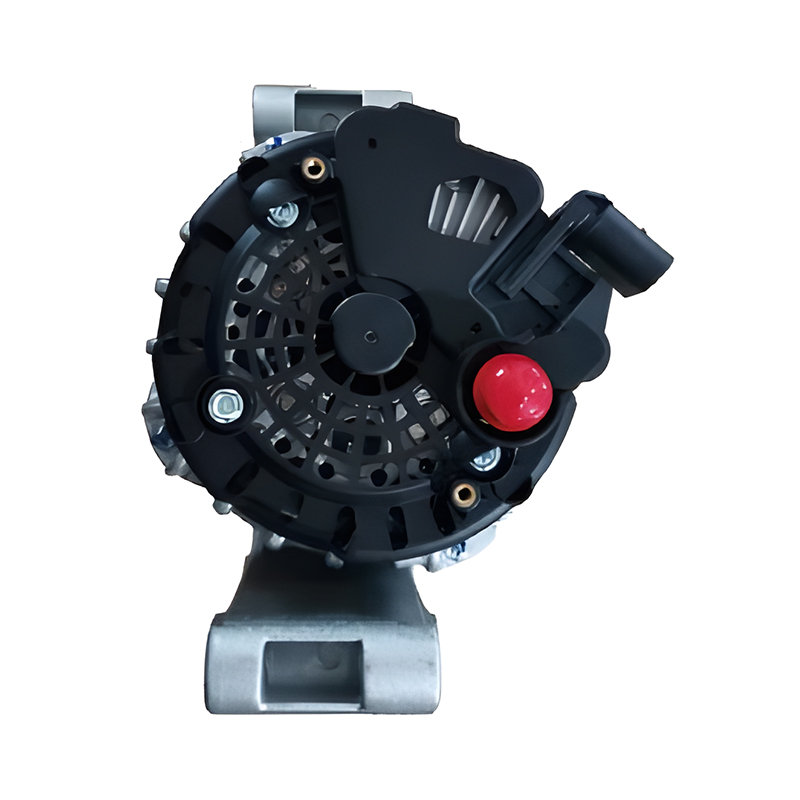 110A Alternator for Ford Ranger 2.2L and 3.2LA 110A 12V replacement with internal regulator and 7PK pulley for Ranger 2.2L/3.2L; relevant for standard charging-system maintenance.View Product →
Doing It Yourself Versus Paying a Shop
On many older cars with a longitudinal engine, the alternator is a 45-minute job: disconnect the battery, release the belt, unbolt two or three fasteners, swap the unit and reconnect. If you are comfortable with that, DIY can cut the bill roughly in half.
Before you decide, check three things:
- Belt routing and tensioner type. Serpentine systems with an automatic tensioner need the correct tool.
- Access. If the service manual says "remove the intake manifold", budget the extra time or hand the job over.
- The electrical side. A poor ground or a corroded charge cable mimics a failed alternator, and no new part fixes that.
If you do it yourself, disconnect the negative terminal first, torque the mounting bolts to specification and return the old unit for the core refund.
How to Keep the Bill Reasonable
- Diagnose before replacing: load-test the battery, check belt tension and inspect the charge cable.
- Ask for a written breakdown of parts, labor and any extras such as a belt or core charge.
- Choose a quality new or properly remanufactured unit over the cheapest listing; a second replacement costs more than one good part.
- Replace the belt, and the tensioner if worn, at the same time, since the labor is already being paid.
- Compare an independent specialist with your dealer, especially on vehicles older than five years.
Quick Answers to Common Questions
How much does a typical replacement cost?
For a common passenger car in the US, expect $400 to $750 including parts and labor. Luxury and commercial vehicles run higher, and heavy-duty trucks can exceed $1,000.
Is it worth replacing rather than repairing?
Usually yes. Bearings, slip rings and regulators wear together, so a partial repair on a high-mileage unit often fails again within a year.
Can I drive with a failing alternator?
Only as far as you must. Once charging stops, the car runs on the battery, which typically means 30 to 60 minutes of driving and less with headlights and air conditioning on.
Why is my quote so much higher than my neighbor's?
Different engines, different book times, different parts. A transverse V6 with a hidden unit legitimately costs twice as much to service as a rear-wheel-drive four-cylinder.
Prices vary by region and model, but the structure of the bill rarely does: a part, an hour or two of labor and a handful of consumables. If you are sourcing the alternator yourself, whether for a customer's car or your own, we manufacture 100% new units across the common OEM families and output ranges, from 45 amp compact-car alternators to 250 amp commercial units. You can browse our alternator catalogue to match a part number, and if the listing is unclear, send us the vehicle details and we will help you find the right fit.
Related products
-
-
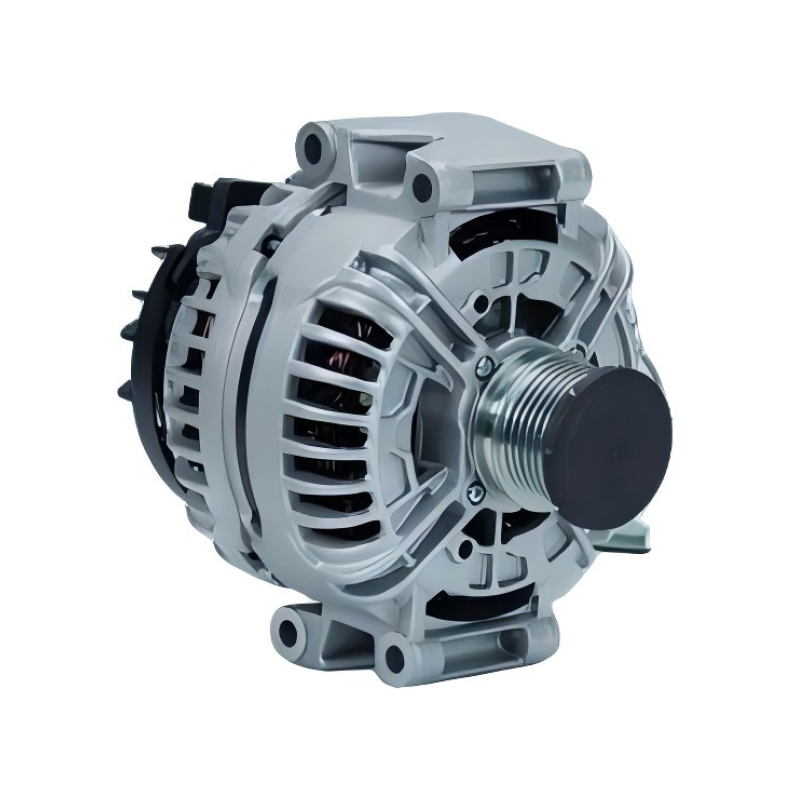
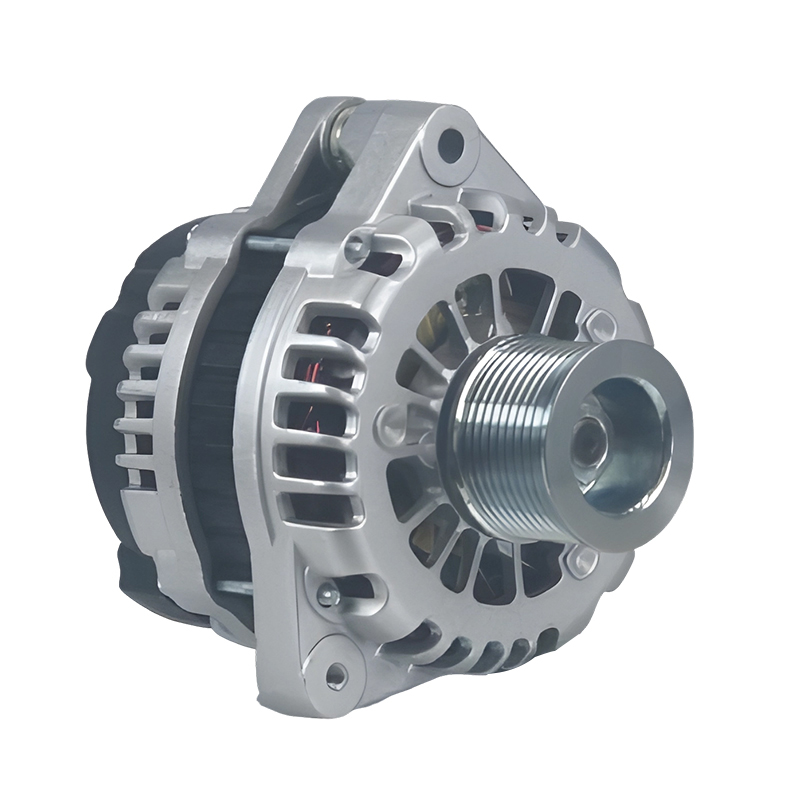
Designed as a reliable replacement for MERCEDES BENZ Sprinter, Vito, and Viano models equipped with the CDi2.1L engine, the 12V 200A 0124625006 Bosch car alternator for MERCEDES BENZ Sprinter/vito/via...
See Details -
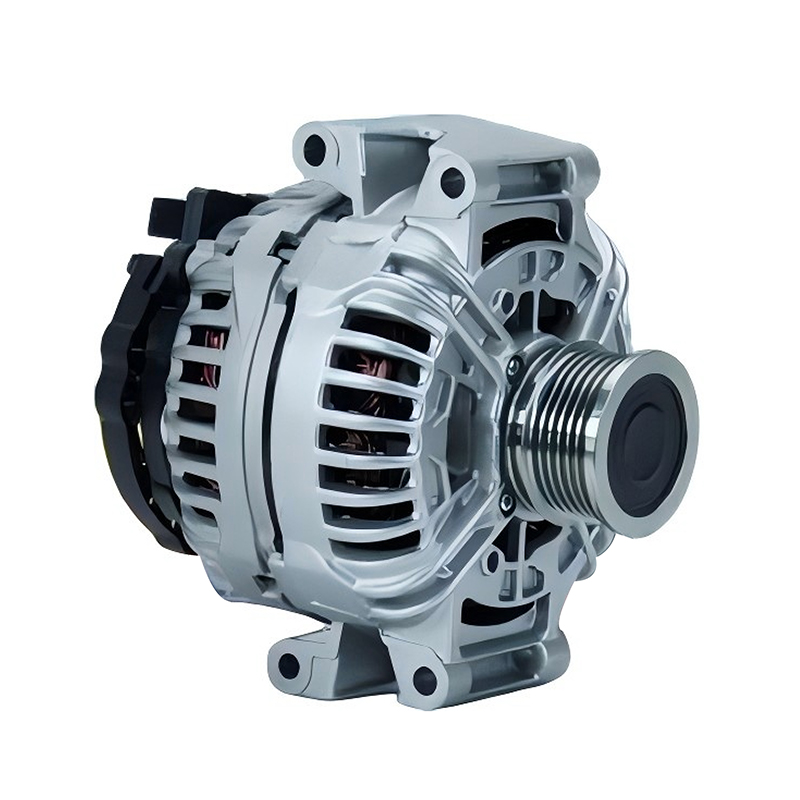
Designed to meet the demanding electrical needs of modern vehicles, the 12V 150A 11064/0124615009 Bosch car alternator for AUDI A4 1.6L, 1.8L, 2.0L is a trusted solution for AUDI A4 owners. Boasting a...
See Details -
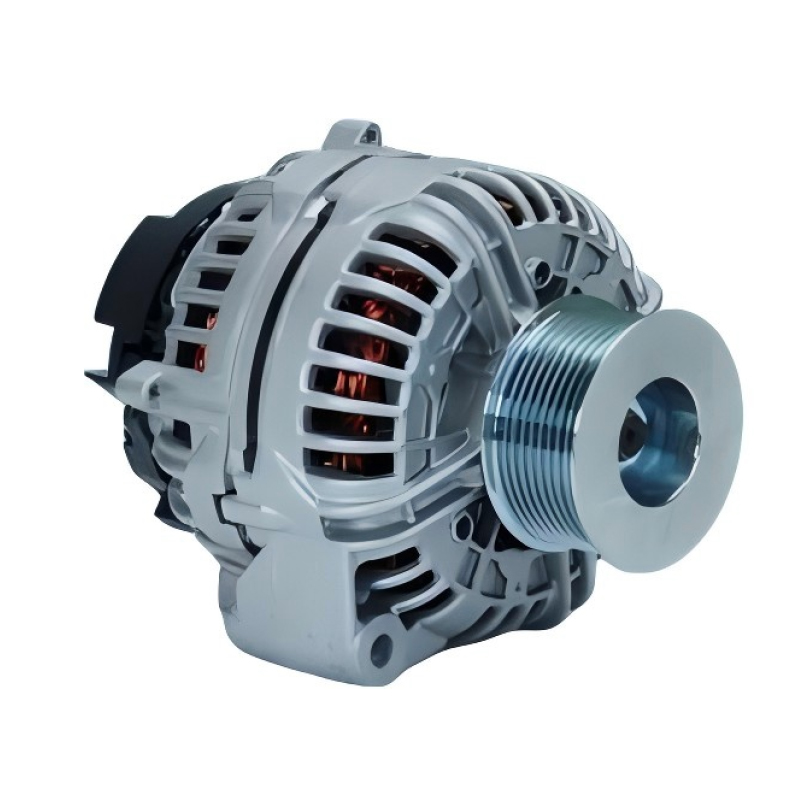
When it comes to keeping your JOHN DEERE 2007-2009 model running smoothly, a reliable alternator is non-negotiable—and the 12V 200A 12796/0124625030 Bosch car alternator for JOHN DEERE 2007-2009 is en...
See Details -
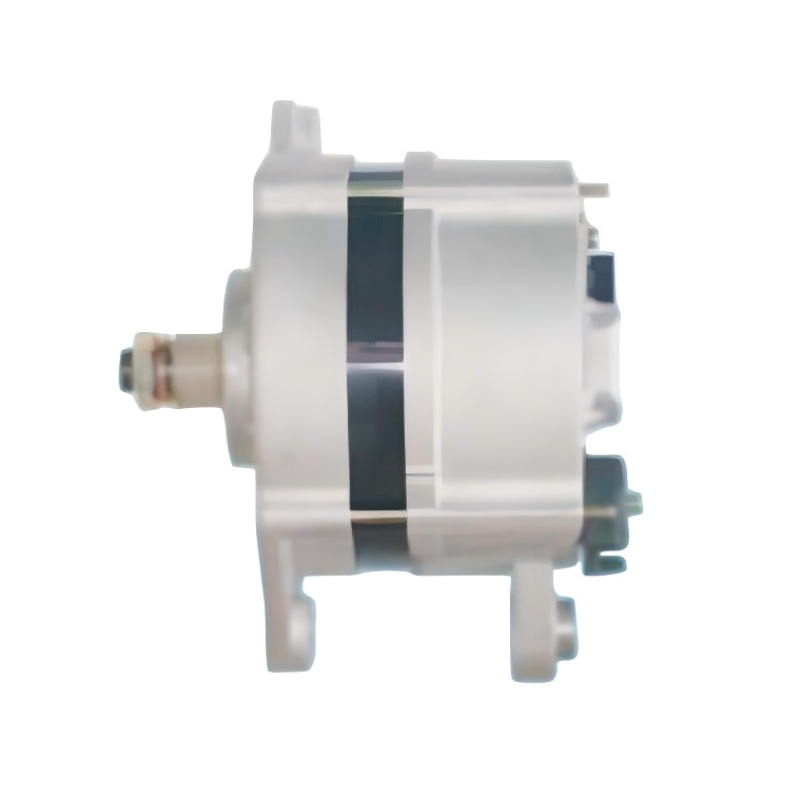
The 24V 55A 12135/0120469978 Bosch car alternator for IVECO EuroCargo EuroTrakker 100E15 90E37 is a reliable power solution specifically engineered for the IVECO EuroCargo EuroTrakker 100E15 90E37 eng...
See Details -
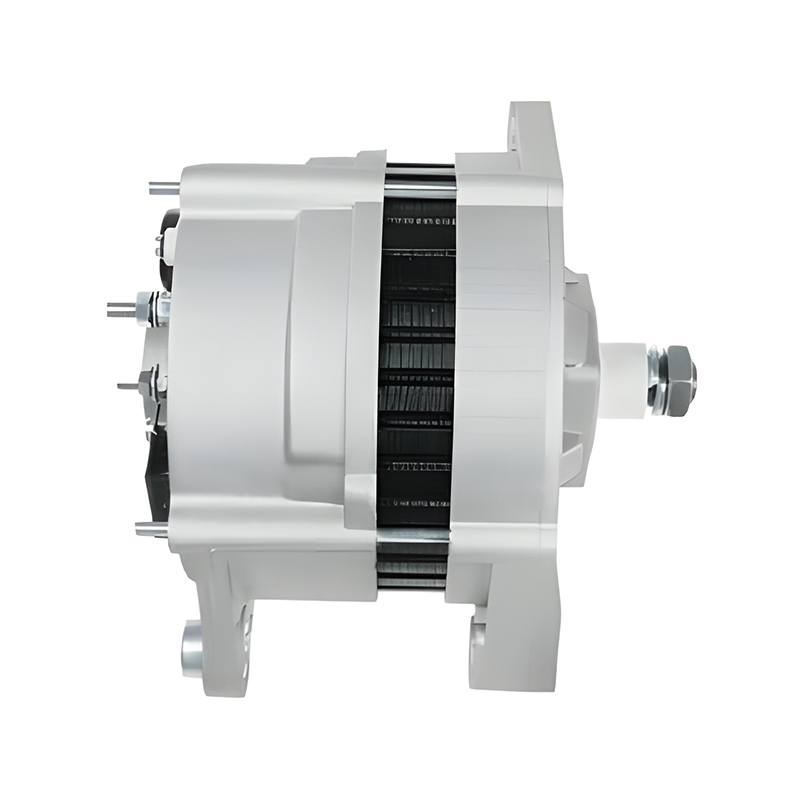
Designed as a reliable power solution for the IVECO 100 E15 engine series, the 24V 80A 12709/0120468116 Bosch car alternator for IVECO 100 E15 combines precision engineering with durable performance t...
See Details

Contact Information
-
Production Plant:No.19, West Taihu Avenue, Wujin District, Changzhou City, Jiangsu Province, China
-
Email:
-
Phone:+86 157 2060 1523
-
TEL:+86-519 8639 0626
Copyright © 2025 Changzhou Hancheng Auto Parts Co., Ltd. All Rights Reserved.
PrivacyAutomotive Alternators Manufacturers High Output Car Alternator Factory
