


 中文简体
 Español
 Français
The 24V 80A 23527/0124555010 Bosch car alternator for FARYMAN Engines Deutz, IHC 16.1L F10L is designed to provide continuous power and reliable performance. It is a high-end replacement solution spec...
See Details

Get A Quote
Alternator Function Explained: Charging, Power and Reliability in Daily Driving
Oct 22, 2026
Alternator function is often reduced to “charging the battery,” but that answer misses most of the work. While the engine runs, the alternator is the vehicle’s electrical power station. It turns belt-driven rotation into usable current, holds voltage in the range the vehicle expects, and keeps the battery ready for the next start. When the chain works, drivers rarely notice. When it slips, dim lights, slow cranking, or a battery warning light usually appear first.
Content
- 1 What the Alternator Function Covers
- 2 From Rotation to Usable Current
- 3 Why Alternator Function Matters in Daily Driving
- 4 Matching Alternator Function to Electrical Demand
- 5 Heavy-Duty and Commercial Alternator Function
- 6 When Alternator Function Drops: What You Notice
- 7 Practical Checks Before Replacing an Alternator
What the Alternator Function Covers
The alternator’s core job is energy conversion: mechanical rotation in, electrical current out. In practice, it must do several things at once, and each one matters to the vehicle’s electrical health.
- Generate current for the ignition, fuel, lighting, and control systems.
- Recharge the battery after cranking and recover charge used by accessories.
- Carry electrical loads while the engine is running, so the battery is not drained.
- Stabilize voltage as engine speed changes, because electrical components expect a steady supply.
Unlike an older DC generator, an alternator produces alternating current internally and rectifies it to direct current. That design helps it deliver useful output at lower engine speeds, which is one reason it became the standard for modern vehicles.
From Rotation to Usable Current
The belt turns the alternator pulley, and the rotor spins inside the stator. A small field current creates a magnetic field in the rotor. As that field moves past the stator windings, alternating current is induced. The rectifier converts that AC into DC for the battery and vehicle loads. The voltage regulator then adjusts field current to keep output within a safe range.
| Component | Function in the charging system |
|---|---|
| Rotor | Carries the field winding; its spinning magnetic field induces current in the stator. |
| Stator | Holds stationary windings where alternating current is generated. |
| Rectifier | Converts alternating current into direct current for the battery and electrical loads. |
| Voltage regulator | Controls field current so output stays stable as rpm and load change. |
| Bearing and pulley | Maintain alignment and transfer belt drive to the rotor. |
| Housing and cooling | Protect internal parts and dissipate heat during continuous operation. |
Why voltage regulation matters
A 12V system is not held at exactly 12V while running, and a 24V system is not held at exactly 24V. The regulator changes field current many times per second so the battery receives the right charging voltage without overcharging. If regulation drifts, lights may pulse, electronics may behave oddly, and battery life can fall.
Why Alternator Function Matters in Daily Driving
Every start draws energy from the battery. The alternator must replace that energy while also powering fans, pumps, lights, sensors, and comfort features. Short trips, cold weather, and stop-and-go traffic put more pressure on the charging system because idle output is lower than highway output. For a deeper look at the circuit, see our guide to how a car alternator works and why it matters.
Matching Alternator Function to Electrical Demand
Two alternators can look similar and behave differently. Amperage is not a single story; output at idle, pulley ratio, cooling, mounting, and regulator strategy all affect real-world charging. A like-for-like replacement is usually the right starting point. If accessories have been added, a higher-output unit may help, but only if the wiring, battery, and mounting are up to it.
A 12V 120A unit for a BMW 3 Series application, for example, is matched to a specific balance of idle output, charging voltage, and underhood space. The pulley and mounting must fit before the amperage number has meaning.
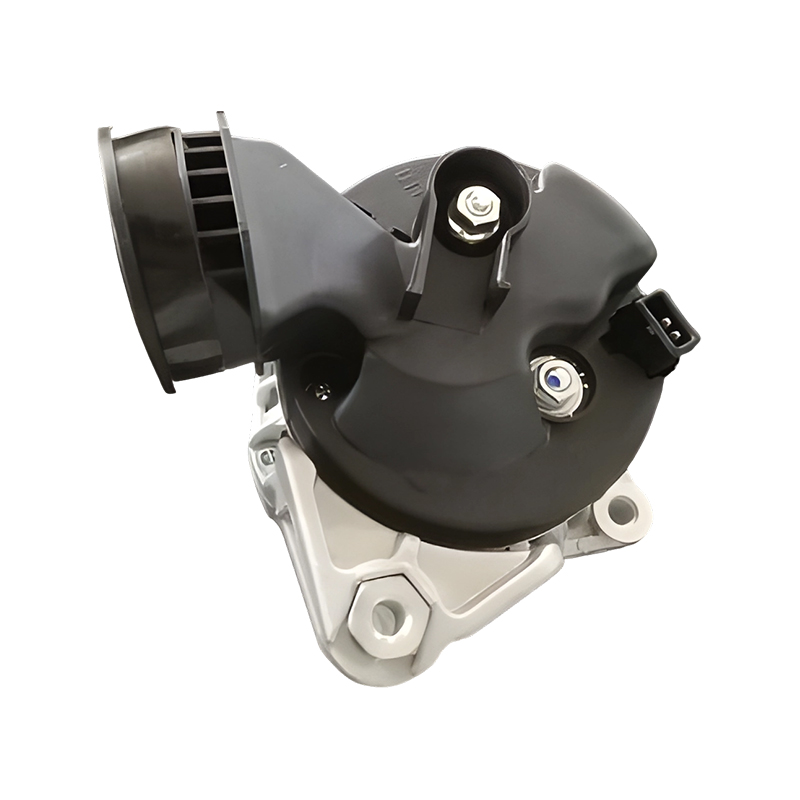 12V 120A Alternator for BMW 320 E46Direct-replacement 12V 120A alternator listed for BMW 320/2.0i E46 M52B20, with internal regulator and OE cross-references for fitment checks.View Product →
The same logic applies to a compact car such as a Toyota Auris. A 12V 100A unit may be plenty, provided it charges cleanly at low rpm and communicates correctly with the vehicle’s electrical system.
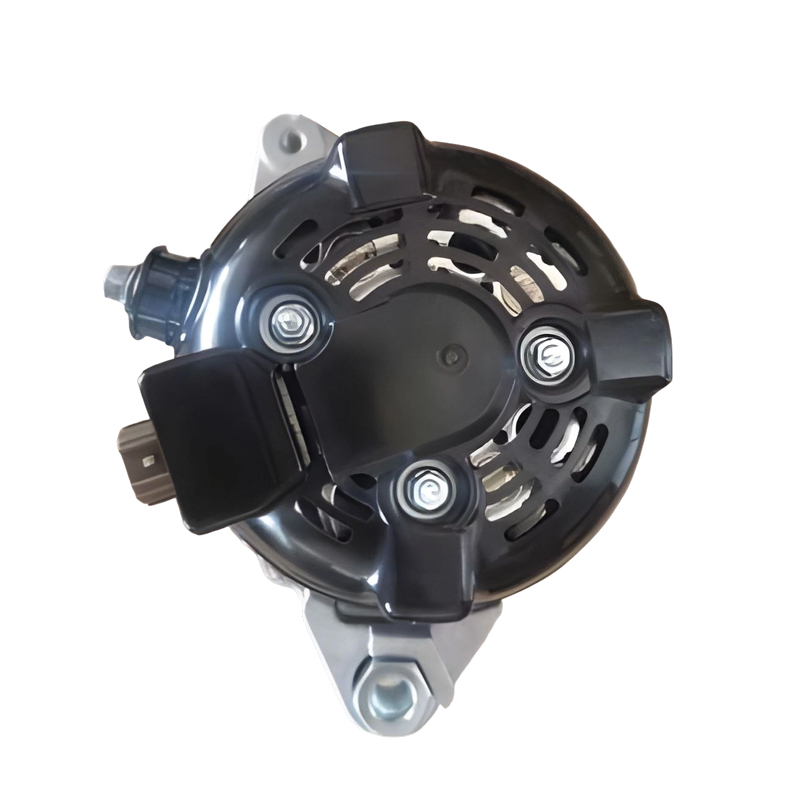 DENSO-Style 12V 100A Alternator for Toyota Auris 1.6LDirect-replacement 12V 100A alternator for Toyota Auris 1.6L and Corolla 1.8L, with internal regulator and listed OEM cross-reference numbers.View Product →
Heavy-Duty and Commercial Alternator Function
Trucks, buses, and equipment often run 24V systems with long duty cycles, high accessory loads, heat, dust, and vibration. In these applications, alternator function is less about a brief charge after start-up and more about continuous output under hard conditions. A 24V 100A unit for a Caterpillar-style quadmount application has to deliver in the field, not just on a test bench.
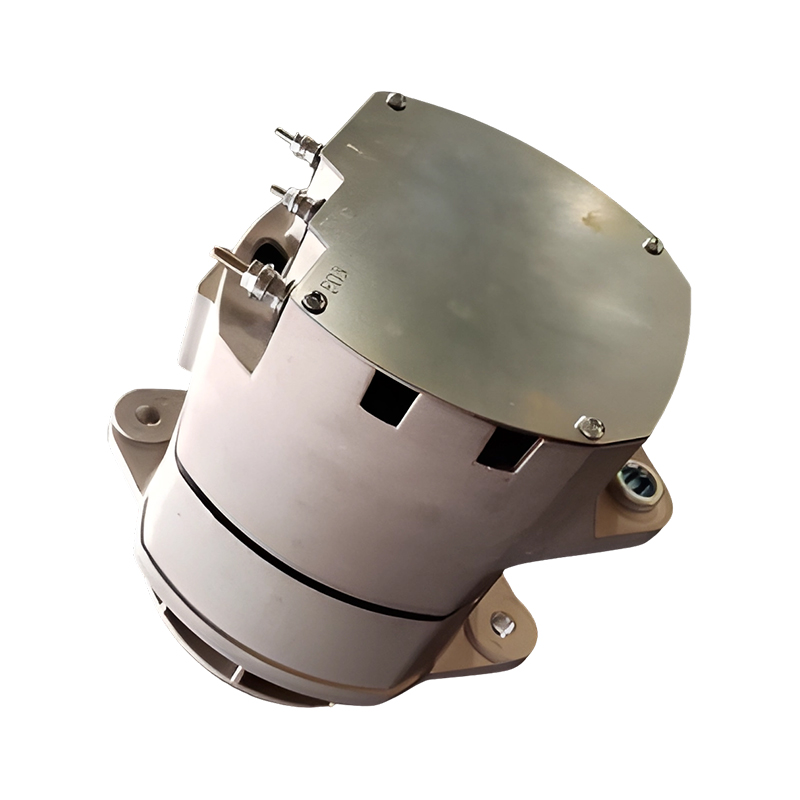 24V 100A Brushless Alternator for Caterpillar 34SIDirect-replacement 24V 100A brushless alternator for 34SI quad-mount Caterpillar applications, with internal regulator and listed Delco, Remy, and CAT references.View Product →
Because we build new alternators rather than reworking old cores, we pay close attention to the wear parts that limit life: bearings, slip rings, rectifiers, and regulator quality. That is not a sales slogan; it is the difference between a unit that charges on day one and one that still charges after a long season of work.
When Alternator Function Drops: What You Notice
Alternator failure is not always sudden. Common clues include:
- A battery warning light that stays on.
- Dim or flickering headlights at idle.
- Slow cranking or repeated dead batteries.
- Whining, grinding, or a burning smell near the belt.
- Electrical accessories behaving unpredictably.
Before replacing the unit, check battery health, belt tension, connections, and grounds. A voltage reading at idle and under load tells you more than a single dashboard warning. If output is low but the battery is healthy, the alternator or its control circuit deserves closer testing.
Practical Checks Before Replacing an Alternator
A replacement should restore alternator function, not just fit the bracket. Work through the basics first:
- Confirm battery condition and charge state.
- Inspect the belt, tensioner, and pulley alignment.
- Check the main positive cable, ground straps, and connector pins.
- Match voltage, amperage, pulley, mounting, and plug type to the application.
- Ask whether the unit is new or rebuilt, and confirm the warranty terms.
If the vehicle has added electrical load, discuss idle output as well as peak amps. A unit that fits but undercharges will eventually return as a battery problem, not an alternator problem.
Alternator function is simple in principle and demanding in practice. It has to work at idle, at highway speed, in cold starts, and under accessory loads, hour after hour. Once you understand the chain from rotation to rectification to regulation, diagnosis becomes clearer and replacement choices become more precise. That is the standard we keep in our own production, and it is how we prefer to help customers match a unit to the job.
Related products
-
-
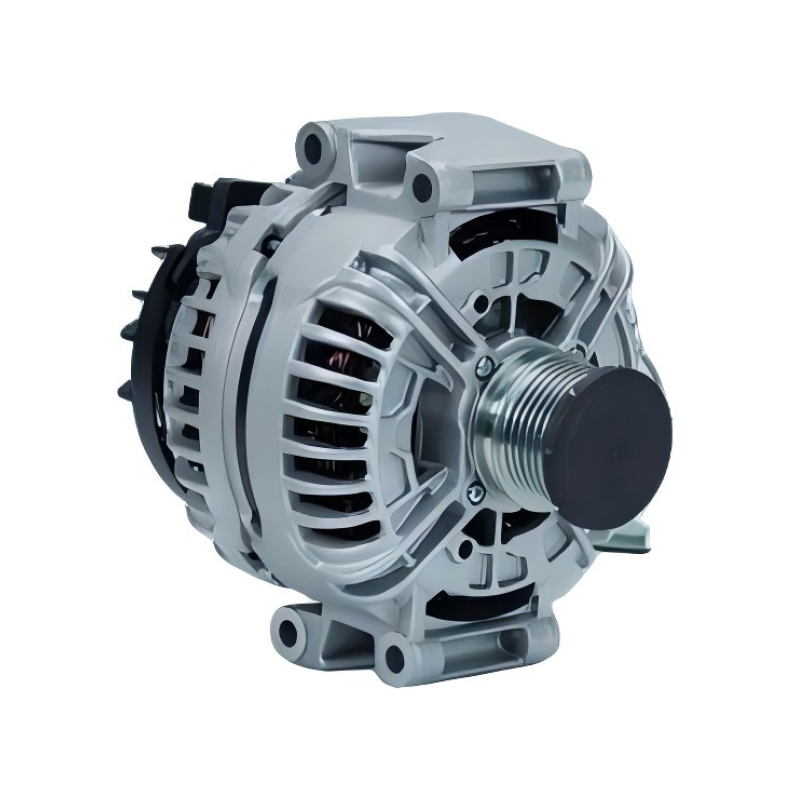
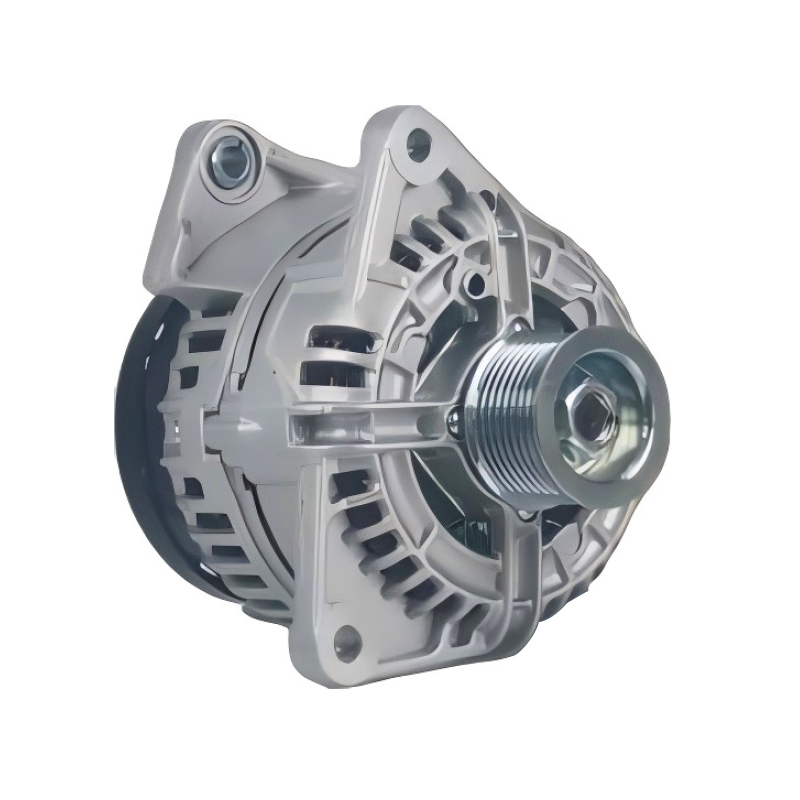
Designed as a reliable replacement for MERCEDES BENZ Sprinter, Vito, and Viano models equipped with the CDi2.1L engine, the 12V 200A 0124625006 Bosch car alternator for MERCEDES BENZ Sprinter/vito/via...
See Details -
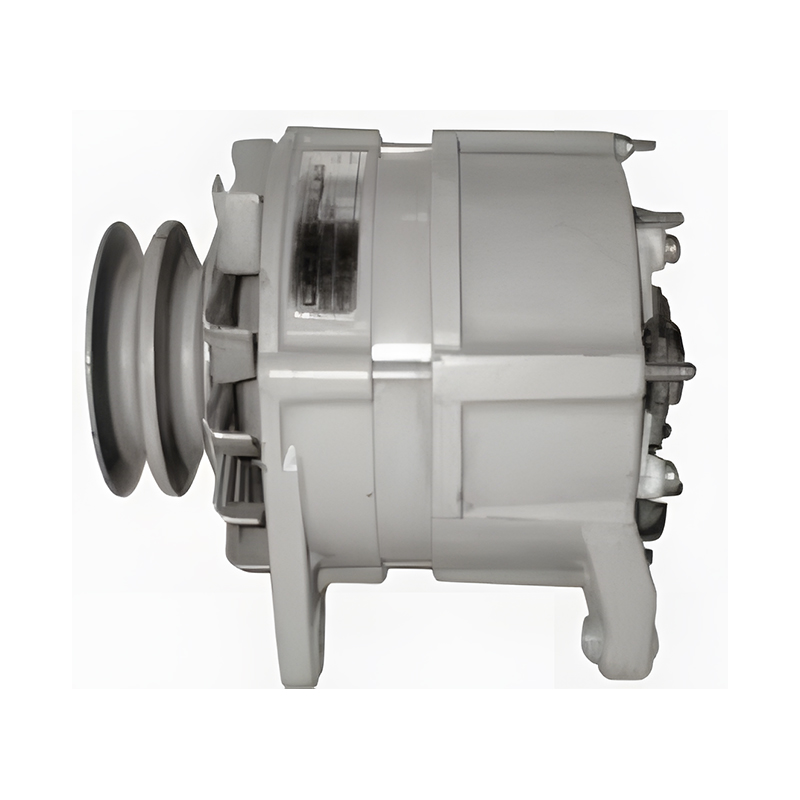
The 12V 70A 14054/0120488286 Bosch car alternator for CATERPILLAR LOADER 3054 ENGINE/perkins is a high-performance replacement part specifically engineered for CATERPILLAR LOADER models equipped with ...
See Details -
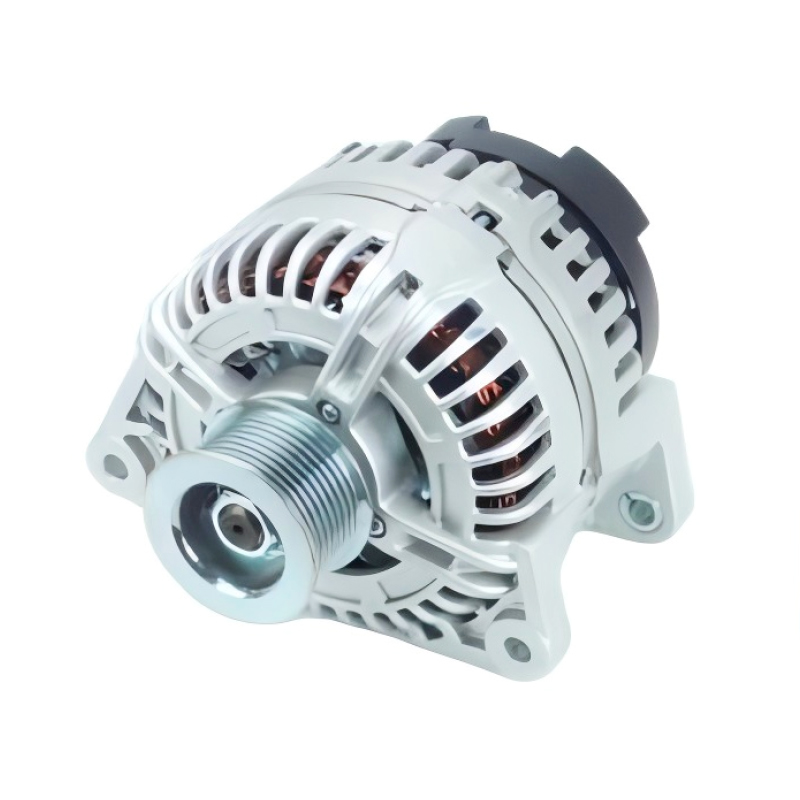
The 24V 100A 370100386 Bosch car alternator for Jinlong CMB YUCHAI YC4D140-20 is a high-quality power supply component meticulously designed for the Jinlong CMB YUCHAI YC4D140-20 engine series. As a t...
See Details -
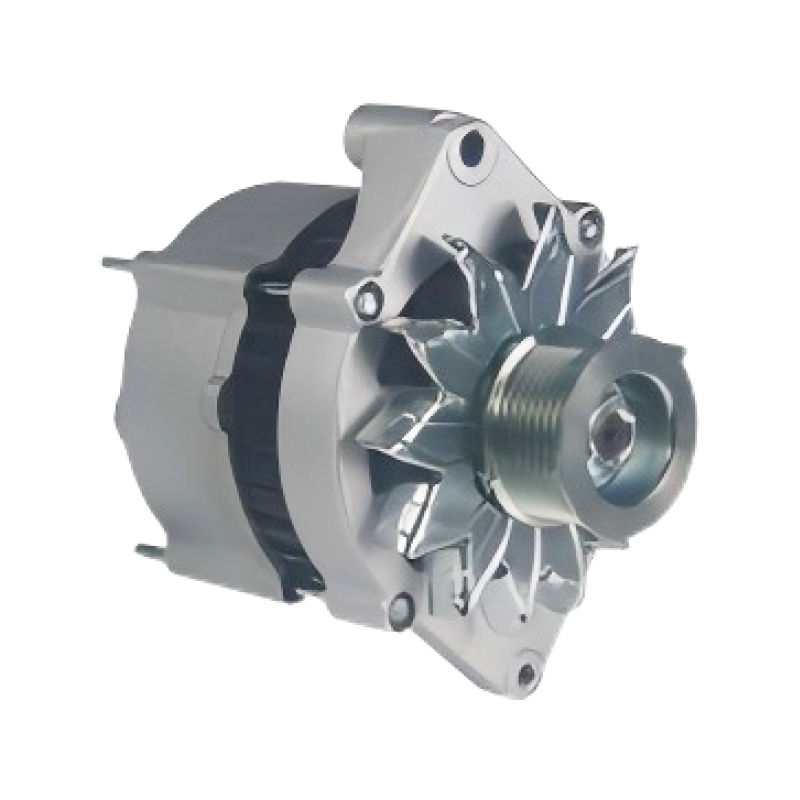
The 12V 120A 12373/0120484027 Bosch car alternator for Cummins 5.9L Diesel JOHN DEERE Combines 9540 is engineered specifically for Cummins 5.9L Diesel JOHN DEERE Combines 9540, delivering reliable pow...
See Details -

Designed to meet the rigorous demands of heavy-duty machinery, the 24V 27A 12031/012489023 Bosch car alternator for ATLAS Excavators KHD F10L413V/F8L413V Engine is a reliable power solution tailored f...
See Details

Contact Information
-
Production Plant:No.19, West Taihu Avenue, Wujin District, Changzhou City, Jiangsu Province, China
-
Email:
-
Phone:+86 157 2060 1523
-
TEL:+86-519 8639 0626
Copyright © 2025 Changzhou Hancheng Auto Parts Co., Ltd. All Rights Reserved.
PrivacyAutomotive Alternators Manufacturers High Output Car Alternator Factory
