


 中文简体
中文简体 Español
 Français
A reliable power solution for commercial and passenger vehicles, the 24V 90A 20289N/0123520500 Bosch car alternator for Hongyan,Genlyon,Saic,lveco,Howo,Weicha is engineered to deliver consistent perfo...
See Details

Get A Quote
What Is a Heavy Duty Truck Alternator and How It Supports Vehicle Electrical Systems
Jan 16, 2026
Content
- 1 Definition and Core Function of a Heavy Duty Truck Alternator
- 2 How a Heavy Duty Truck Alternator Generates Electrical Power
- 3 Electrical Systems Supported by Heavy Duty Truck Alternators
- 4 Why Heavy Duty Trucks Require Specialized Alternators
- 5 Key Design Characteristics of Heavy Duty Truck Alternators
- 6 Comparison Between Heavy Duty and Standard Automotive Alternators
- 7 Impact of Alternator Performance on Vehicle Electrical Reliability
- 8 Selection Considerations for Heavy Duty Truck Alternators
Definition and Core Function of a Heavy Duty Truck Alternator
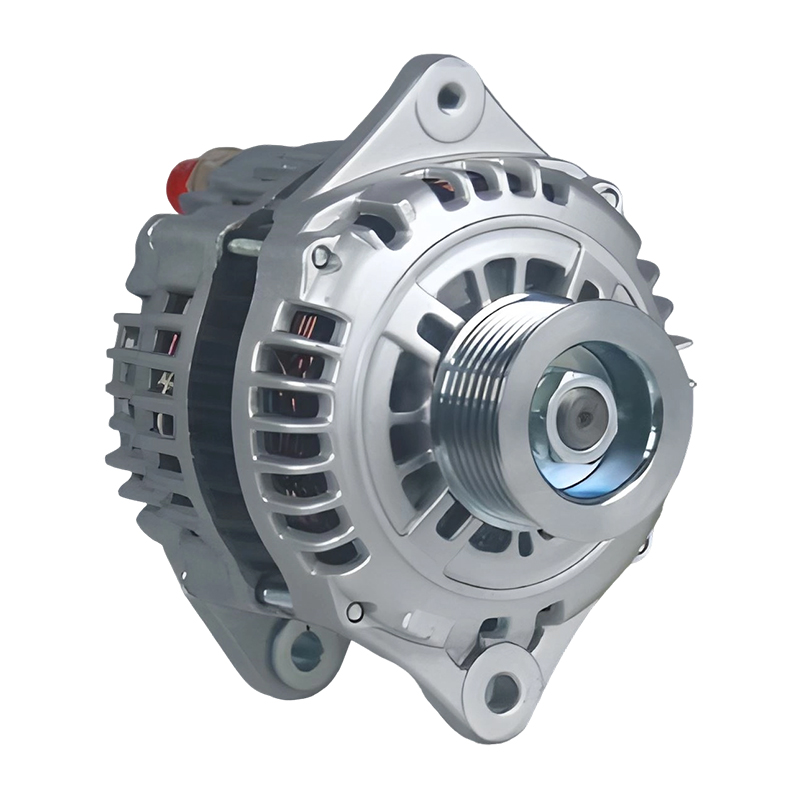
A heavy duty truck alternator is a power generation component designed to convert mechanical energy from the engine into electrical energy for commercial and vocational trucks. Unlike light-duty automotive alternators, it is engineered to operate under higher electrical loads, longer operating hours, and harsher environmental conditions. Its primary function is to supply continuous electrical power while maintaining battery charge during vehicle operation.
How a Heavy Duty Truck Alternator Generates Electrical Power
The alternator is driven by the engine through a belt or gear mechanism. As the rotor spins inside the stator, it generates alternating current, which is then converted to direct current by the rectifier assembly. This regulated output powers vehicle systems and replenishes the battery simultaneously, supporting stable electrical performance even at varying engine speeds.
Rotor, Stator, and Rectifier Interaction
The rotor creates a rotating magnetic field, while the stator windings capture this energy as electrical current. Heavy duty alternators use reinforced windings and higher thermal tolerance materials to manage sustained output. The rectifier converts generated current into usable DC power for onboard systems.
Electrical Systems Supported by Heavy Duty Truck Alternators
Heavy duty truck alternators support a wide range of electrical systems beyond basic ignition and lighting. These systems often operate simultaneously, requiring stable voltage and consistent current delivery during both highway driving and extended idling.
- Engine control units and vehicle management electronics
- Exterior and interior lighting systems
- HVAC systems and cab comfort equipment
- Auxiliary devices such as refrigeration units or hydraulic controls
Why Heavy Duty Trucks Require Specialized Alternators
Commercial trucks operate under conditions that place continuous demand on the electrical system. Extended idling, high accessory usage, and long service intervals require alternators that can deliver consistent output without excessive wear. Heavy duty alternators are designed with enhanced cooling, reinforced bearings, and higher current capacity to match these demands.
High Load and Long Operating Cycles
In fleet and long-haul operations, alternators may run for thousands of hours annually. Heavy duty designs prioritize thermal stability and mechanical durability to reduce the risk of electrical failure during prolonged use.
Key Design Characteristics of Heavy Duty Truck Alternators
- Increased amperage capacity to support multiple high-draw systems
- Enhanced cooling structures to manage heat during continuous operation
- Reinforced internal components for vibration and load resistance
- Voltage regulation tuned for commercial vehicle electrical architectures
Comparison Between Heavy Duty and Standard Automotive Alternators
| Feature | Heavy Duty Truck Alternator | Standard Automotive Alternator |
| Operating Load | High and continuous | Moderate and intermittent |
| Durability Focus | Extended service life | Standard driving cycles |
| Cooling and Heat Handling | Enhanced thermal management | Basic airflow cooling |
Impact of Alternator Performance on Vehicle Electrical Reliability
A properly matched heavy duty truck alternator supports stable voltage delivery, reduces battery stress, and maintains consistent operation of electronic systems. Reliable alternator performance directly affects vehicle uptime, especially in applications where electrical failure can disrupt logistics or on-site operations.
Selection Considerations for Heavy Duty Truck Alternators
Choosing a heavy duty truck alternator requires evaluating electrical load demands, engine compatibility, and operating environment. Alternators should be matched to the vehicle’s accessory profile and duty cycle to support efficient electrical system operation over the vehicle’s service life.
Related products
-
-
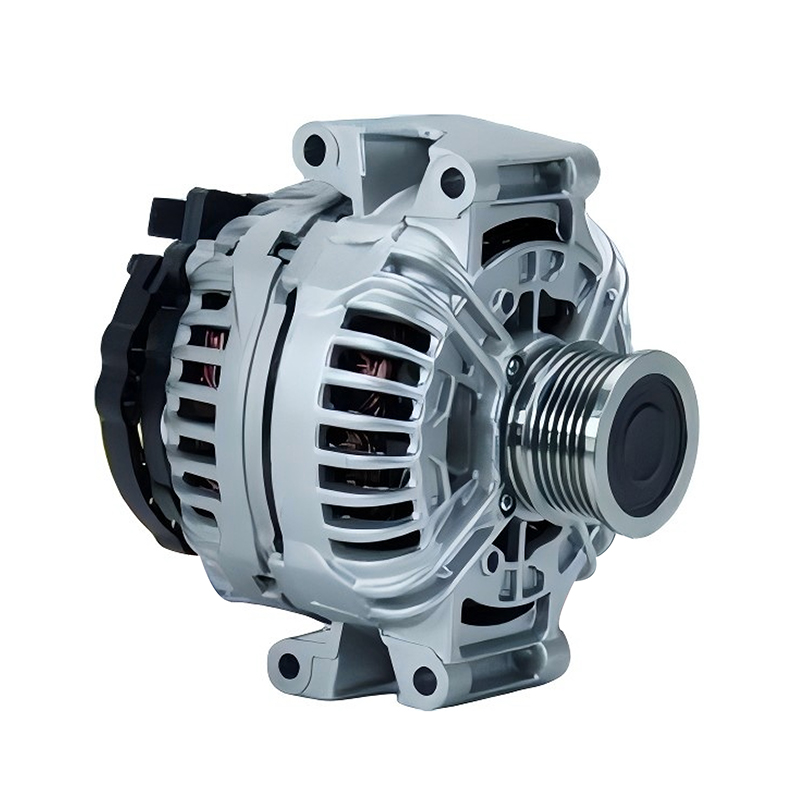
Designed to meet the demanding electrical needs of modern vehicles, the 12V 150A 11064/0124615009 Bosch car alternator for AUDI A4 1.6L, 1.8L, 2.0L is a trusted solution for AUDI A4 owners. Boasting a...
See Details -
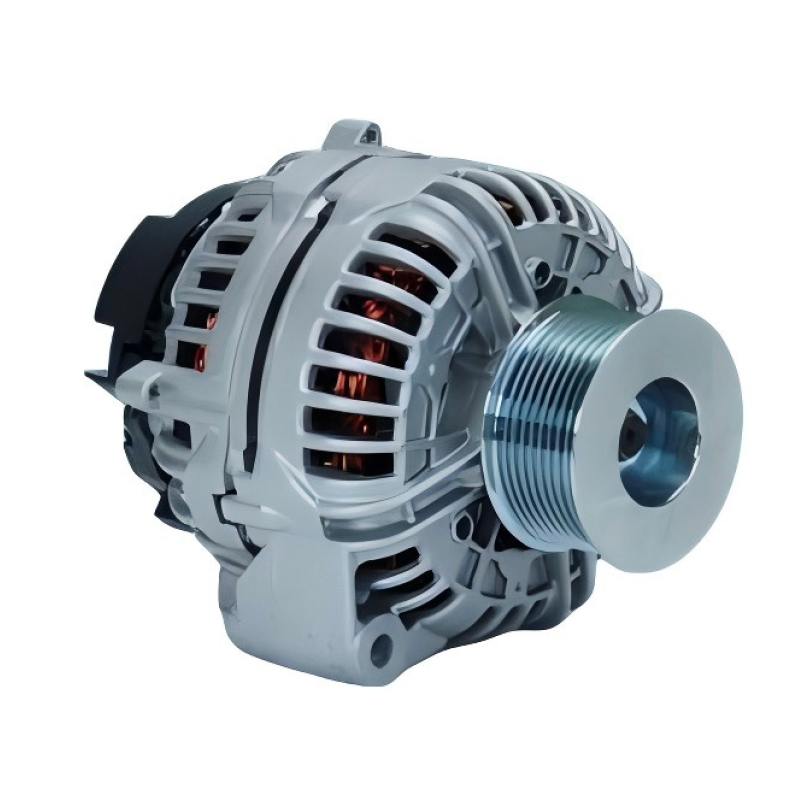
When it comes to keeping your JOHN DEERE 2007-2009 model running smoothly, a reliable alternator is non-negotiable—and the 12V 200A 12796/0124625030 Bosch car alternator for JOHN DEERE 2007-2009 is en...
See Details -
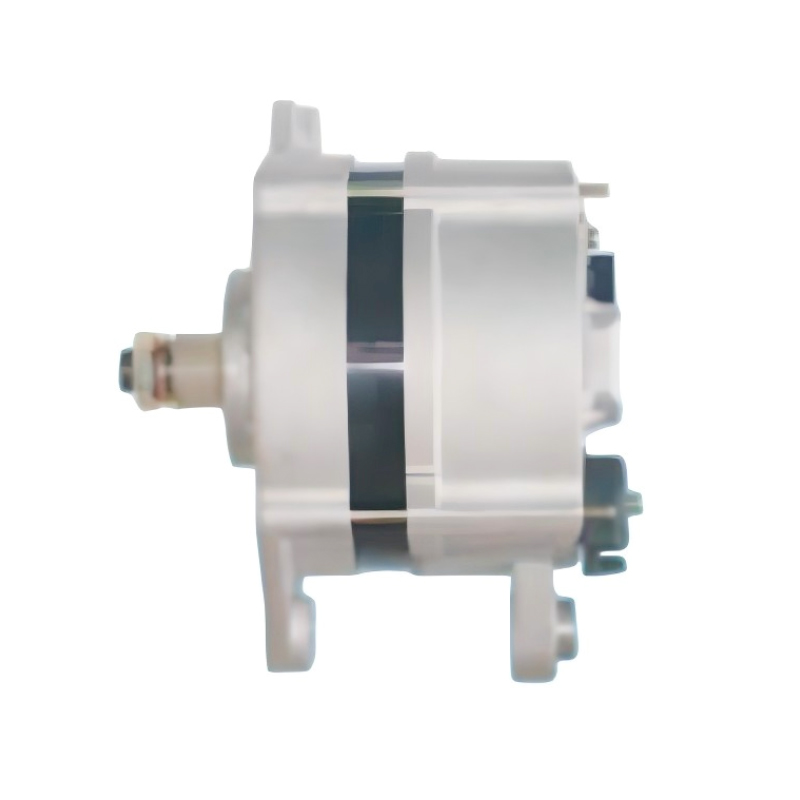
The 24V 55A 12135/0120469978 Bosch car alternator for IVECO EuroCargo EuroTrakker 100E15 90E37 is a reliable power solution specifically engineered for the IVECO EuroCargo EuroTrakker 100E15 90E37 eng...
See Details -
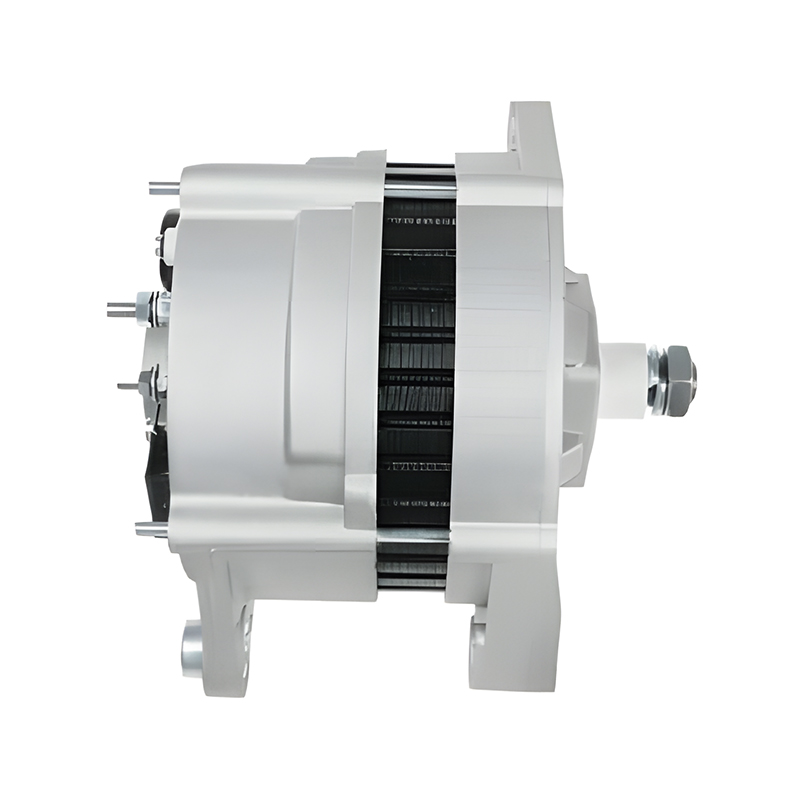
Designed as a reliable power solution for the IVECO 100 E15 engine series, the 24V 80A 12709/0120468116 Bosch car alternator for IVECO 100 E15 combines precision engineering with durable performance t...
See Details -
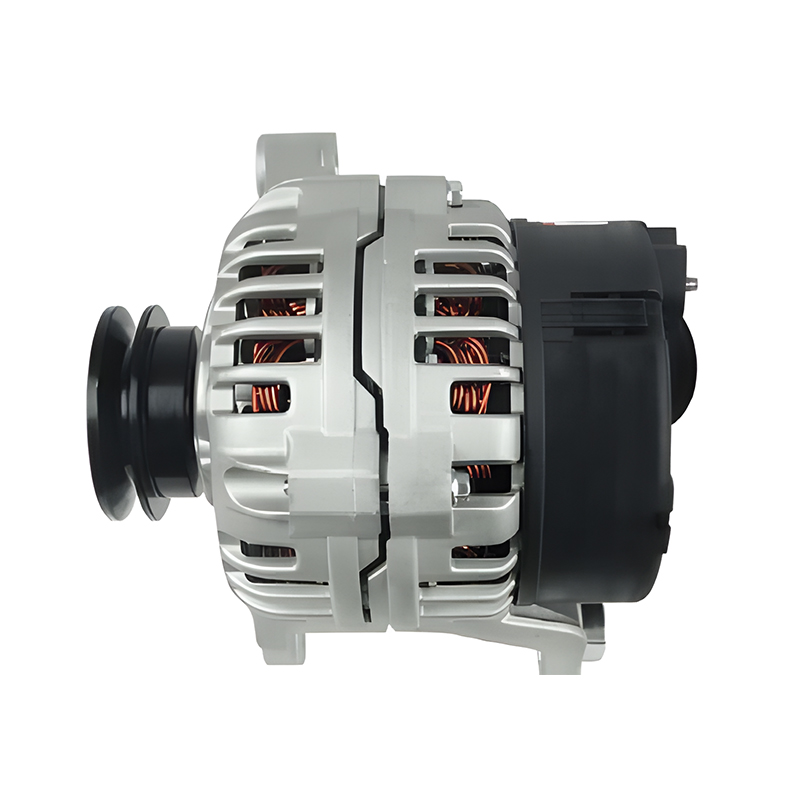
The 12V 90A 0123315503/112406 Bosch car alternator for IV ECO DAIY is a high-quality replacement part specifically designed for the IV ECO DAIY engine series, offering reliable performance to meet the...
See Details

Contact Information
-
Production Plant:No.19, West Taihu Avenue, Wujin District, Changzhou City, Jiangsu Province, China
-
Email:
-
Phone:+86 157 2060 1523
-
TEL:+86-519 8639 0626
Copyright © 2025 Changzhou Hancheng Auto Parts Co., Ltd. All Rights Reserved.
PrivacyAutomotive Alternators Manufacturers High Output Car Alternator Factory
