


 中文简体
中文简体 Español
 Français
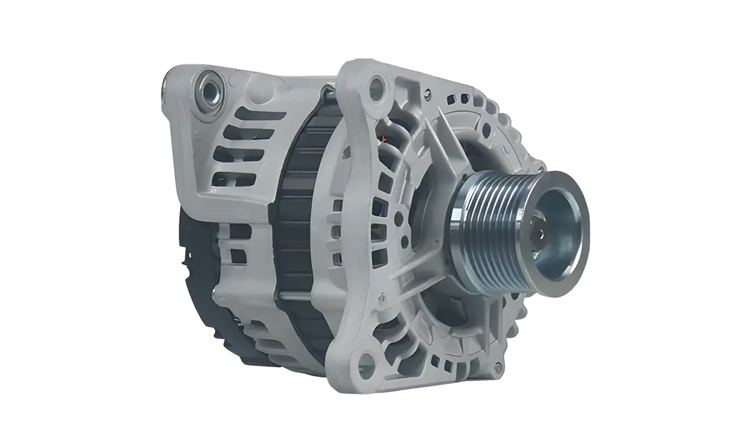
A reliable power solution for commercial and passenger vehicles, the 24V 90A 20289N/0123520500 Bosch car alternator for Hongyan,Genlyon,Saic,lveco,Howo,Weicha is engineered to deliver consistent perfo...
See Details

Get A Quote
Common Vehicle Alternator Problems and How to Identify Them
Jan 22, 2026
Content
- 1 Understanding the Role of the Vehicle Alternator in Daily Operation
- 2 Dim or Flickering Lights During Operation
- 3 Battery Warning Light Activation
- 4 Unusual Noises from the Engine Area
- 5 Electrical System Malfunctions
- 6 Difficulty Starting or Frequent Battery Drain
- 7 Overcharging and Voltage Regulation Issues
- 8 Basic Methods to Identify Alternator Problems
- 9 Why Early Detection Matters
Understanding the Role of the Vehicle Alternator in Daily Operation
The vehicle alternator is responsible for converting mechanical energy from the engine into electrical power. This electricity supplies power to essential systems such as lighting, ignition, engine control units, infotainment systems, and simultaneously keeps the battery charged. When alternator performance declines, electrical stability across the vehicle is affected, often leading to starting issues, warning lights, or system malfunctions. Understanding how alternator problems appear in real driving conditions helps identify faults before they escalate into complete failure.
Dim or Flickering Lights During Operation
One of the earliest and most noticeable alternator-related problems is inconsistent lighting. Headlights, dashboard illumination, or interior lights may appear dim, fluctuate in brightness, or pulse with engine speed. This behavior indicates unstable voltage output, often caused by worn brushes, deteriorating voltage regulators, or internal winding issues.
- Headlights dim at idle but brighten when engine speed increases
- Dashboard lights flicker while driving on uneven roads
- Interior lights fluctuate when electrical accessories are switched on
Battery Warning Light Activation
The battery warning light does not only indicate battery issues. In many cases, it signals that the alternator is not delivering sufficient charging voltage. This light may turn on intermittently or remain illuminated during driving, depending on the severity of the charging problem.
Common triggers include voltage regulator failure, loose drive belts, corroded wiring connections, or internal alternator component wear. Ignoring this warning often results in battery depletion and eventual engine shutdown.
Unusual Noises from the Engine Area
Mechanical noise originating from the alternator area is another indicator of developing problems. Since the alternator relies on bearings and pulleys, mechanical wear can generate distinct sounds during operation.
- Grinding noise caused by worn internal bearings
- High-pitched whining linked to bearing or rotor imbalance
- Squealing sounds resulting from loose or glazed drive belts
Electrical System Malfunctions
Modern vehicles rely heavily on stable electrical power. When the alternator output becomes inconsistent, electronic systems may behave unpredictably. This often appears as intermittent faults rather than permanent failures.
- Power windows operating slower than normal
- Infotainment system rebooting unexpectedly
- Warning messages appearing without clear mechanical cause
Difficulty Starting or Frequent Battery Drain
A failing alternator often leads to repeated battery discharge. While jump-starting may temporarily restore engine operation, the battery will continue to lose charge if the alternator cannot replenish it. Over time, this cycle shortens battery lifespan and creates unreliable starting conditions.
Slow cranking, clicking sounds when starting, or a completely unresponsive ignition after short parking periods are strong indicators of insufficient charging performance.
Overcharging and Voltage Regulation Issues
Not all alternator problems involve low voltage. A malfunctioning voltage regulator can cause excessive charging, which damages electrical components and shortens battery life. Overcharging often results in strong electrical odors, swollen battery cases, or frequent bulb failures.
| Normal Charging Voltage | Stable electrical system operation |
| Undercharging | Battery drains, vehicle may stall |
| Overcharging | Electrical component damage risk |
Basic Methods to Identify Alternator Problems
Practical identification of alternator problems does not always require advanced diagnostic equipment. Visual inspections and simple voltage checks provide valuable insight into charging system health.
- Inspect drive belts for tension, cracks, or glazing
- Check battery terminals and alternator wiring for corrosion
- Measure charging voltage at the battery with the engine running
Why Early Detection Matters
Identifying alternator problems early reduces the risk of unexpected breakdowns and secondary damage to batteries, control units, and electrical accessories. Addressing minor issues such as belt wear or connection faults often prevents complete alternator failure and reduces overall repair costs.
Consistent monitoring of electrical behavior provides a reliable way to maintain vehicle reliability and avoid sudden loss of power during operation.
Related products
-
-
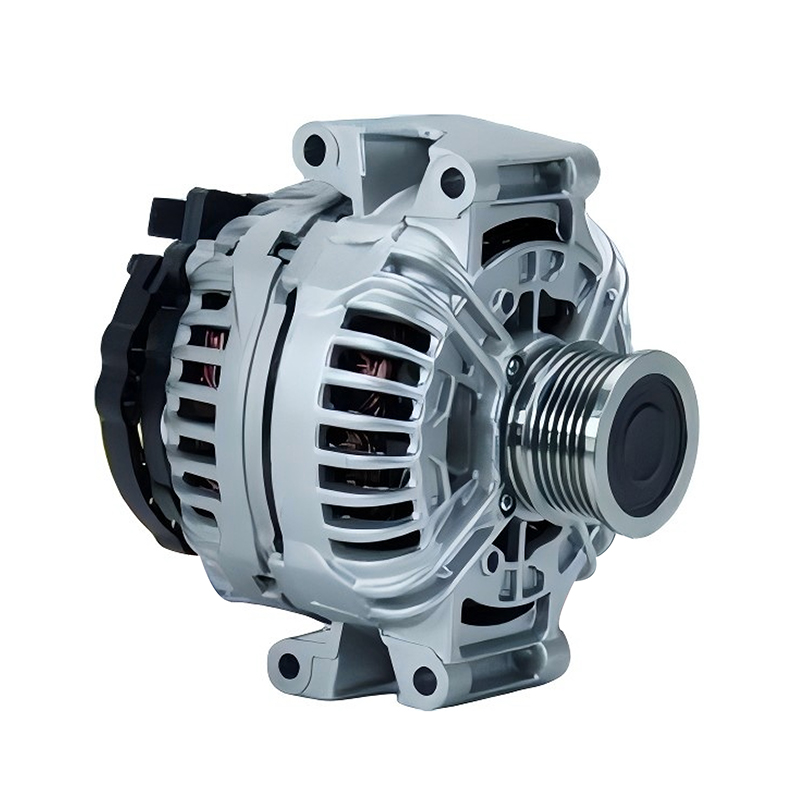
Designed to meet the demanding electrical needs of modern vehicles, the 12V 150A 11064/0124615009 Bosch car alternator for AUDI A4 1.6L, 1.8L, 2.0L is a trusted solution for AUDI A4 owners. Boasting a...
See Details -
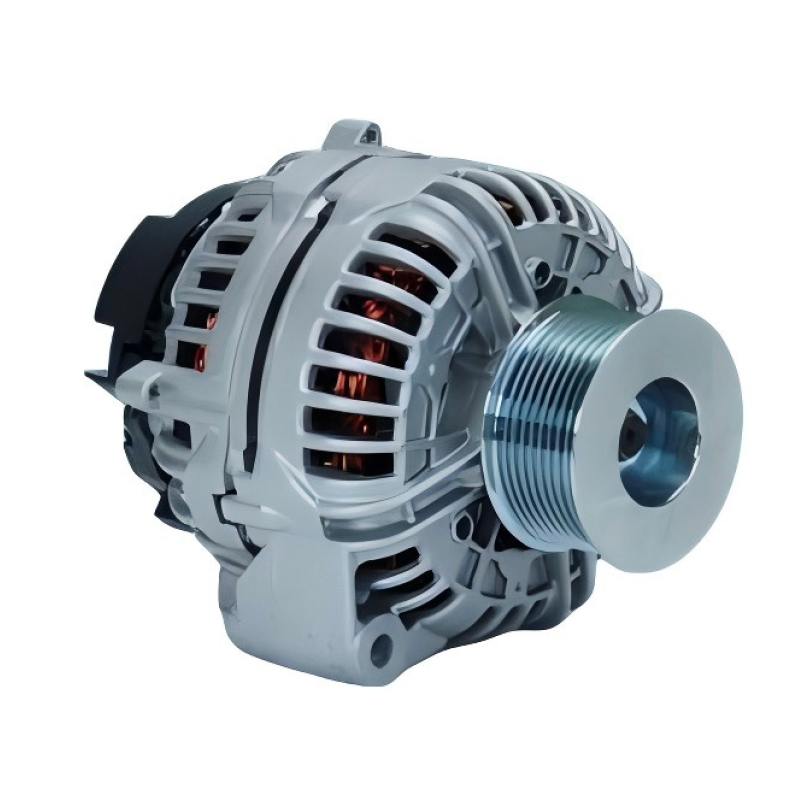
When it comes to keeping your JOHN DEERE 2007-2009 model running smoothly, a reliable alternator is non-negotiable—and the 12V 200A 12796/0124625030 Bosch car alternator for JOHN DEERE 2007-2009 is en...
See Details -
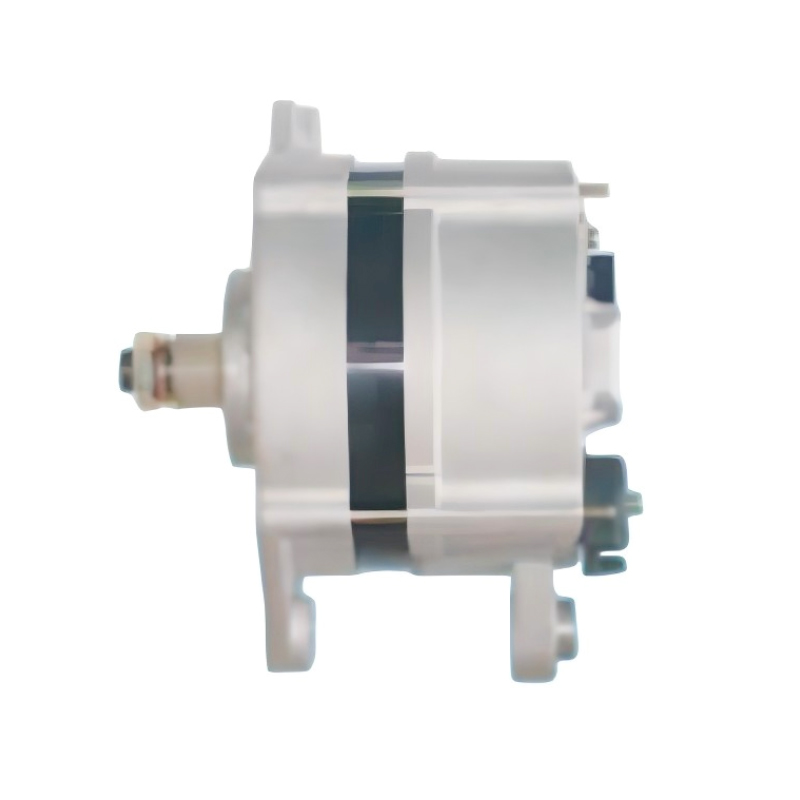
The 24V 55A 12135/0120469978 Bosch car alternator for IVECO EuroCargo EuroTrakker 100E15 90E37 is a reliable power solution specifically engineered for the IVECO EuroCargo EuroTrakker 100E15 90E37 eng...
See Details -
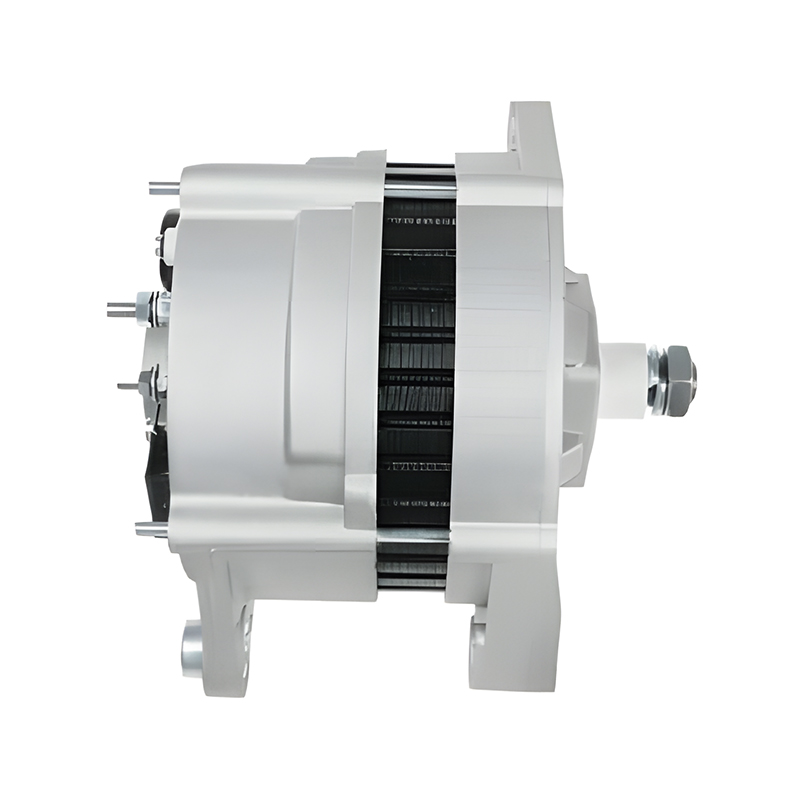
Designed as a reliable power solution for the IVECO 100 E15 engine series, the 24V 80A 12709/0120468116 Bosch car alternator for IVECO 100 E15 combines precision engineering with durable performance t...
See Details -
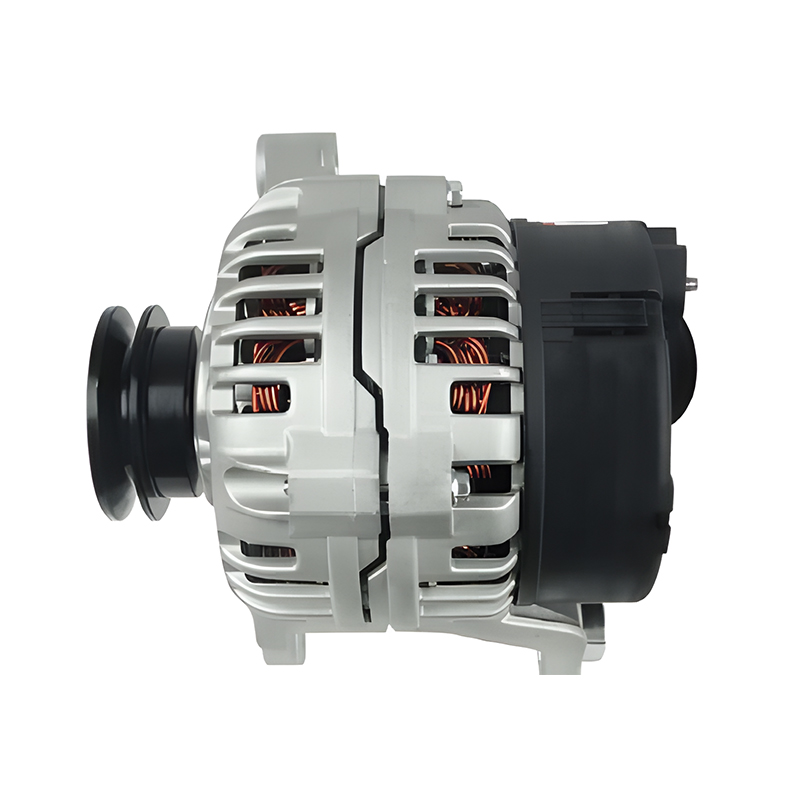
The 12V 90A 0123315503/112406 Bosch car alternator for IV ECO DAIY is a high-quality replacement part specifically designed for the IV ECO DAIY engine series, offering reliable performance to meet the...
See Details

Contact Information
-
Production Plant:No.19, West Taihu Avenue, Wujin District, Changzhou City, Jiangsu Province, China
-
Email:
-
Phone:+86 157 2060 1523
-
TEL:+86-519 8639 0626
Copyright © 2025 Changzhou Hancheng Auto Parts Co., Ltd. All Rights Reserved.
PrivacyAutomotive Alternators Manufacturers High Output Car Alternator Factory
