


 中文简体
中文简体 Español
 Français
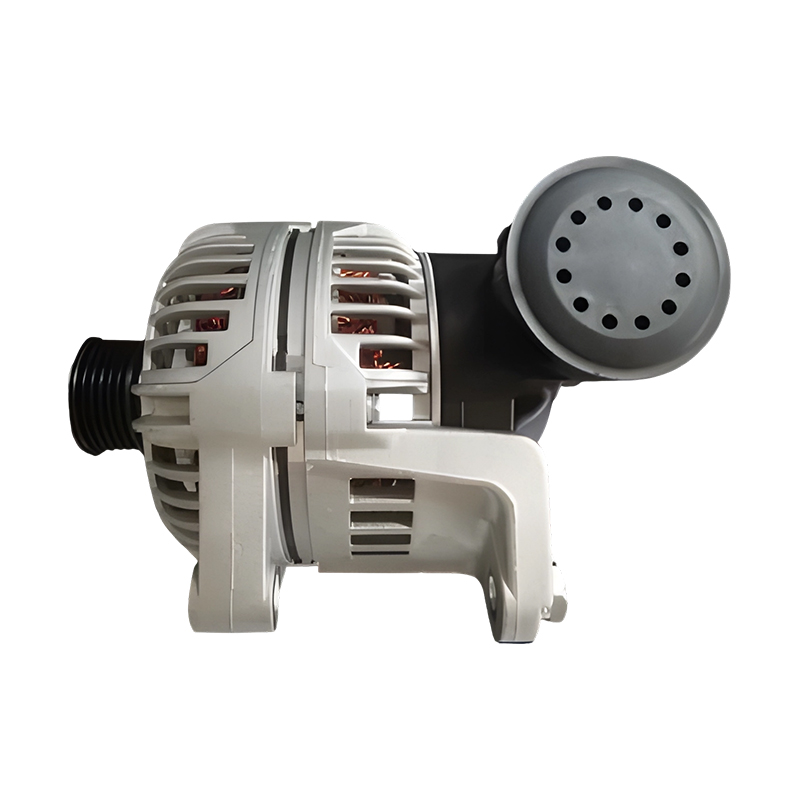
Designed as a reliable replacement for MERCEDES BENZ Sprinter, Vito, and Viano models equipped with the CDi2.1L engine, the 12V 200A 0124625006 Bosch car alternator for MERCEDES BENZ Sprinter/vito/via...
See Details

Get A Quote
What Does an Alternator Do & What Voltage Should It Be?
Mar 12, 2026
An alternator is the generator that keeps your vehicle's electrical system powered while the engine is running. Its primary purpose is to convert mechanical energy from the engine into electrical energy — charging the battery and supplying power to all electrical components simultaneously. Without a functioning alternator, the battery drains within minutes of starting the engine, and the vehicle stalls. A healthy alternator should produce 13.5–14.8 volts DC at the battery terminals with the engine running — anything consistently below 13 volts or above 15 volts indicates a problem. Choosing the right alternator type means matching output amperage to your vehicle's electrical load, with standard passenger cars requiring 90–130 amps and vehicles with high-demand accessories needing 150–250 amps or more.
Content
What an Alternator Does in a Vehicle
The alternator serves two simultaneous functions in every internal combustion vehicle: it recharges the 12V battery after engine starting draws it down, and it powers all active electrical loads — the ignition system, fuel injectors, headlights, climate control, infotainment, power windows, and any other electronics — without drawing from the battery at all during normal operation.
This distinction matters practically: the battery starts the car; the alternator runs it. A car with a healthy battery but a failed alternator will start normally and then progressively lose electrical function over 20–60 minutes as the battery discharges. Conversely, a car with a weak battery but a functioning alternator can run indefinitely once started — the alternator maintains the electrical system regardless of battery condition during operation.
How the Alternator Generates Electricity
The alternator operates on the principle of electromagnetic induction. It consists of three main components: a rotor (a spinning electromagnet powered by a small DC current through brushes and slip rings), a stator (a stationary set of three copper wire windings arranged around the rotor), and a rectifier bridge (a set of diodes that converts the alternating current the stator produces into direct current the vehicle's electrical system requires).
The rotor is driven by the engine's serpentine belt via a pulley. As the rotor spins inside the stator windings, its rotating magnetic field induces alternating current (AC) in the stator — hence the name "alternator." The rectifier bridge converts this AC output to DC at the appropriate voltage. A voltage regulator — either internal to the alternator or mounted externally — continuously adjusts the rotor's magnetic field strength to maintain output voltage within the target range regardless of engine speed or electrical load variation.
The Alternator's Role in the Charging System
The complete charging system includes the alternator, the battery, the voltage regulator, the charge warning circuit, and the wiring connecting them. The alternator output wire connects directly to the battery positive terminal (or the underhood fuse box on modern vehicles), so the alternator charges the battery and simultaneously feeds the electrical system from the same output. At idle with minimal electrical loads, a typical 120-amp alternator may only be producing 20–40 amps of actual output — the voltage regulator reduces rotor excitation current to match supply to demand. Under heavy load — lights, AC compressor, defroster, and audio all active — the same alternator produces near its rated output continuously.
What Alternator Voltage Should Be at Every Stage
Alternator voltage is the most direct health indicator of the charging system. Measuring it requires only a basic digital multimeter and takes under two minutes. Understanding what the readings mean at different conditions helps distinguish between a healthy system, a failing alternator, a bad voltage regulator, and wiring issues.
| Condition | Expected Voltage | What It Indicates |
|---|---|---|
| Engine off, battery at rest (12+ hrs) | 12.6–12.8V | Fully charged healthy battery |
| Engine off, battery partially discharged | 12.0–12.4V | Battery needs charging; alternator may not be charging fully |
| Engine running, no accessories | 13.8–14.8V | Normal alternator charging operation |
| Engine running, full electrical load | 13.5–14.5V | Normal — slight voltage drop under load is acceptable |
| Engine running, reading below 13.0V | <13.0V | Undercharging — failing alternator, regulator, or high resistance in wiring |
| Engine running, reading above 15.0V | >15.0V | Overcharging — failed voltage regulator; risk of battery damage |
Why the Target Range Is 13.8–14.8V
A 12V lead-acid battery requires a charging voltage above its resting voltage to accept a charge — Ohm's law requires a voltage differential to drive current flow in the charging direction. 13.8–14.8V represents the optimal range for charging a 12V battery without overcharging it. Below 13.5V, the battery charges very slowly and may not reach full charge during typical driving cycles, leading to progressive sulfation and shortened battery life. Above 15V, the voltage regulator has failed — the battery will be overcharged, electrolyte boils off in flooded batteries, and AGM batteries can be permanently damaged within hours of exposure to sustained overvoltage.
How to Test Alternator Voltage Yourself
Set a digital multimeter to DC voltage (20V range). With the engine off, touch the red probe to the battery positive terminal and the black probe to the negative terminal — record the resting voltage. Start the engine and repeat the measurement at idle. Then turn on the headlights, rear defroster, climate control fan on high, and any other large loads, and take a third reading. All three readings within the ranges in the table above confirm a healthy charging system. A reading below 13.5V with the engine running and minimal load strongly suggests an undercharging condition worth investigating before the battery fully discharges.
What Type of Alternator You Need: Choosing the Right One
Alternator selection is primarily determined by application — the vehicle it must fit, the amperage output required, and whether the vehicle has special electrical demands. Getting this wrong results in either an alternator that physically does not mount correctly, one that cannot supply sufficient current for the vehicle's loads, or one that is incompatible with the vehicle's voltage regulation system.
Amperage Output: The Most Important Specification
Amperage (current) output rating indicates the maximum electrical current the alternator can supply. Every electrical load in the vehicle draws a specific current — headlights draw approximately 10–15 amps, an electric radiator fan 15–25 amps, an HVAC blower motor 10–20 amps, and a fuel pump 5–10 amps. The sum of all concurrent loads must not exceed the alternator's output rating, or the battery will supplement the deficit and progressively discharge.
- Standard passenger car (no modifications): 90–130 amp alternator. This covers all OEM electrical loads with reserve capacity for battery charging. Most factory alternators in this category are adequate for stock vehicles.
- Vehicles with upgraded audio systems: Add the amplifier's fuse rating divided by the system voltage to determine the added current draw. A 1,000W amplifier draws approximately 83 amps at 12V. Adding this to base vehicle loads easily exceeds a stock 120-amp alternator — a 150–200 amp unit is appropriate.
- Trucks and SUVs with winches, auxiliary lighting, or emergency equipment: A 12,000 lb winch can draw 400+ amps at full load — no alternator supports this alone, and winches are typically operated from battery reserve. However, the charging recovery current after winch use demands a high-output unit. 200–250 amp alternators are appropriate for heavily accessorized work trucks.
- Commercial vehicles and emergency service vehicles: Police interceptors, ambulances, and utility trucks with extensive electronics require 250–320 amp alternators, often in dual-alternator configurations for redundancy.
OEM Replacement vs. Remanufactured vs. High-Output Aftermarket
| Type | Typical Cost | Output | Best For | Notes |
|---|---|---|---|---|
| OEM (dealer) | $200–$600+ | Stock spec | Warranty repairs, new vehicles | Exact fit and calibration; highest cost |
| Remanufactured | $80–$250 | Stock spec | Stock replacement, budget repair | Quality varies by brand; Denso, Bosch, ACDelco are reliable |
| New aftermarket | $100–$350 | Stock to slightly above | General replacement | Avoid unknown brands; check warranty length |
| High-output aftermarket | $200–$600+ | 150–370 amps | Modified, high-accessory vehicles | May require upgraded wiring and battery |
Voltage Regulator Compatibility on Modern Vehicles
On vehicles from approximately 2005 onward — particularly Ford, GM, Chrysler/RAM, and European brands — the voltage regulator is not a standalone component inside the alternator but is controlled by the PCM (Powertrain Control Module) via a duty-cycle signal to the alternator's field circuit. These "smart charging" or "variable voltage" systems adjust target charging voltage dynamically based on battery state of charge, temperature, and load conditions — sometimes deliberately dropping to 12.5–13.0V at cruise to reduce fuel consumption (the alternator is an engine load), then raising to 14.5V during deceleration to capture regenerative charging.
Replacing a PCM-controlled alternator with a standard externally regulated unit breaks this communication loop, causing charging system fault codes and potentially incorrect charging behavior. Always verify whether your vehicle uses PCM-controlled charging before selecting a replacement — the replacement must be compatible with the vehicle's charging control architecture, not just physically bolt-on.
Signs of Alternator Failure and What Each Symptom Means
Alternator failure is rarely instantaneous — it typically develops progressively over days to weeks, giving observable warning signs before complete failure. Recognizing these symptoms early allows a controlled repair rather than an unexpected roadside breakdown.
- Battery warning light illuminated: The battery or charging system warning light on the dashboard monitors charging system voltage. It illuminates when voltage falls outside the normal operating range — both undercharging and overcharging trigger it. This is the earliest and most reliable electronic indicator of a developing charging problem.
- Dimming or flickering headlights: Alternator output fluctuation directly affects lighting brightness. Lights that dim at idle and brighten when engine speed increases indicate the alternator is not producing adequate output at low RPM — a classic symptom of worn brushes or a failing rotor.
- Electrical accessories behaving erratically: Power windows moving slowly, infotainment system resetting, instrument cluster flickering, or power seats hesitating all suggest inadequate voltage supply — symptoms that appear before the vehicle stalls because the battery is still partially compensating.
- Whining, grinding, or squealing noise from the alternator: A whining noise that varies with engine speed — distinct from belt squeal — can indicate failing alternator bearings. Bearing failure eventually seizes the rotor, which either snaps the serpentine belt (disabling power steering and cooling on many vehicles simultaneously) or damages the alternator housing. A whining alternator should be replaced promptly, not monitored.
- Burning smell from the alternator area: An overloaded alternator running near its maximum rating continuously, or one with a shorted diode in the rectifier bridge, generates excess heat that produces a characteristic burning electrical odor. This is a serious warning sign of imminent failure.
- Battery repeatedly going dead despite being new: A new battery that requires frequent jump-starting or charging confirms the alternator is not charging it during operation — the battery is discharging to run the vehicle rather than being maintained by the alternator.
Alternator Maintenance and Lifespan Expectations
Alternators are generally reliable components with service lives of 80,000–150,000 miles (130,000–240,000 km) under normal conditions. The components that most commonly wear and cause failure are the brushes (which maintain electrical contact with the slip rings), the slip rings themselves, the rectifier diodes, and the bearings.
Factors That Shorten Alternator Life
- Running at or near maximum output continuously: An alternator rated at 120 amps that regularly produces 110+ amps due to high electrical loads runs hot, accelerating insulation degradation and bearing wear. If you regularly operate with heavy loads, specify an alternator with a higher amp rating than your calculated peak demand — a 150-amp unit running at 100 amps runs cooler and lasts longer than a 120-amp unit at its limit.
- Water and contamination exposure: Engine bay water intrusion from flooding, aggressive engine washing, or a failed serpentine belt cover can damage alternator bearings and cause rectifier diode corrosion. Avoid directing high-pressure water at the alternator during engine cleaning.
- Serpentine belt tension issues: An overtightened serpentine belt loads alternator bearings with excess radial force, dramatically shortening bearing life. A slipping belt creates heat at the pulley and inconsistent alternator drive. Belt tension and condition directly affect alternator longevity — always check both when replacing an alternator.
- Jump-starting other vehicles incorrectly: Reverse-polarity connection during jump-starting sends reverse voltage through the alternator's diode bridge, destroying the rectifier diodes instantly. Always verify polarity before connecting jump leads.
When to Replace the Serpentine Belt at the Same Time
When replacing an alternator, the serpentine belt and belt tensioner should be inspected and replaced if they are within 20,000 miles of their service interval — typically 60,000–100,000 miles for belts, 100,000 miles for tensioners. The labor to access and remove the belt is already performed during alternator replacement, making combined replacement highly cost-effective. A new alternator driven by a worn, slipping belt is a preventable failure waiting to happen — the marginal additional cost of a new belt during the same service is small compared to repeating the labor cost if belt failure damages the new alternator.
Related products
-
-
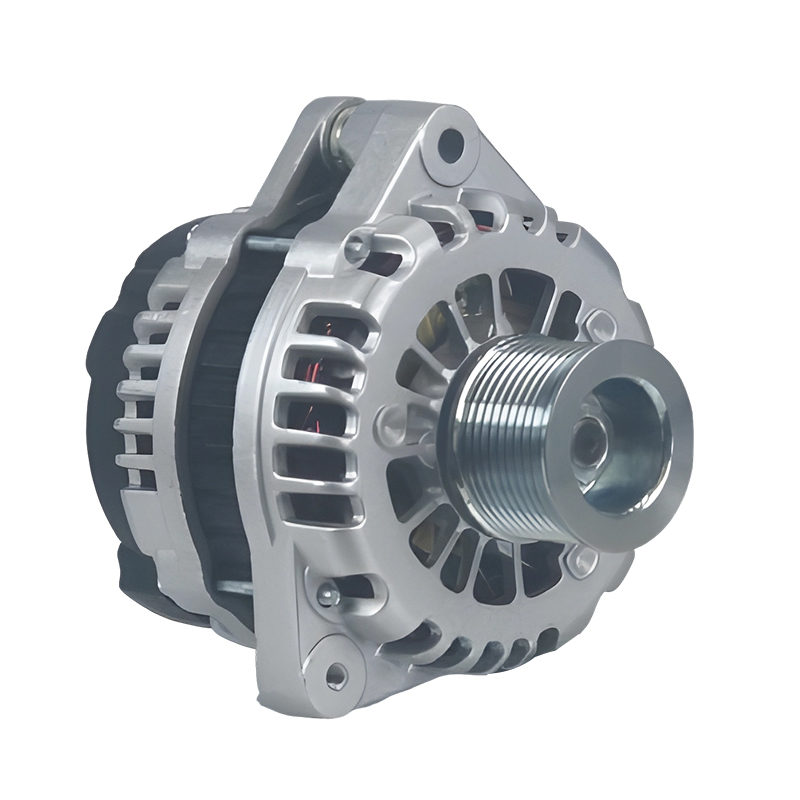
A reliable power solution for commercial and passenger vehicles, the 24V 90A 20289N/0123520500 Bosch car alternator for Hongyan,Genlyon,Saic,lveco,Howo,Weicha is engineered to deliver consistent perfo...
See Details -
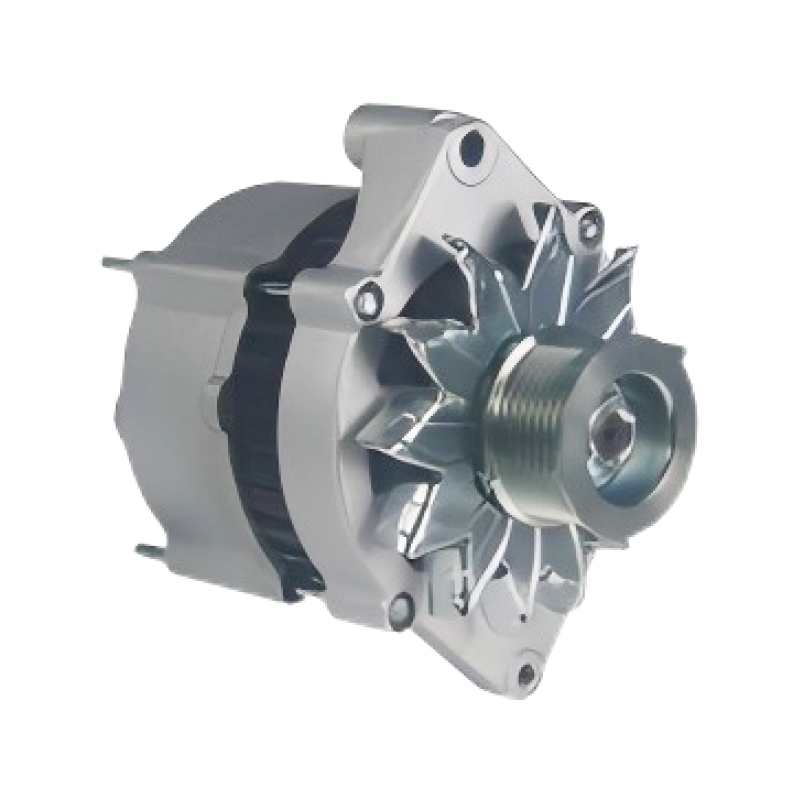
The 12V 95A 12145/0120484011 Bosch car alternator for CASE Crawler Dozer 650K Series 3 Case 4.5L is a high-quality replacement part specifically engineered for the CASE Crawler Dozer 650K Series 3 equ...
See Details -
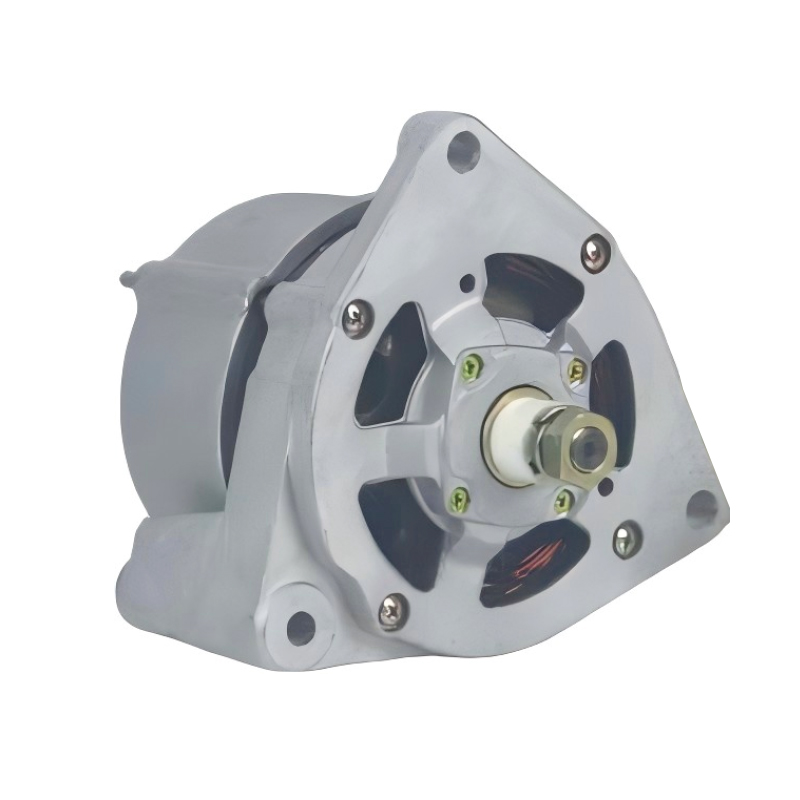
Designed as a reliable power solution, this 24V 27A 21823/012489727 Bosch car alternator for Mercedes Benz OM336 OM447 ENGINE operates at a rated voltage of 24V DC with a continuous output current of ...
See Details -
The 12V 55A 14391/012489032 Bosch car alternator for Mercedes Benz OM352 OM366 ENGINE is a precision-engineered component designed specifically for Mercedes-Benz OM352 and OM366 engine series, offeri...
See Details -
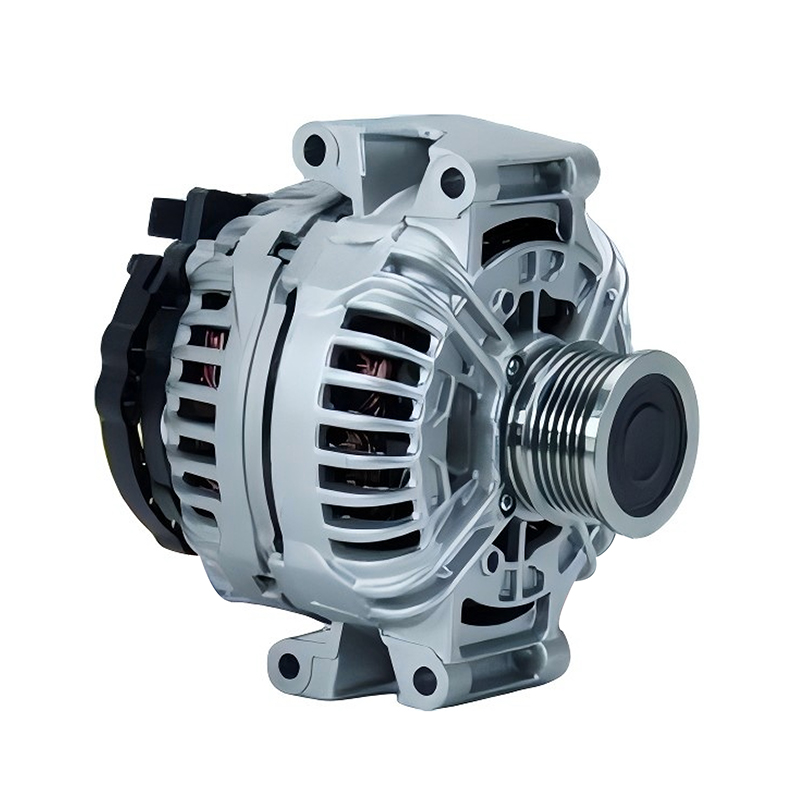
Designed to meet the demanding electrical needs of modern vehicles, the 12V 150A 11064/0124615009 Bosch car alternator for AUDI A4 1.6L, 1.8L, 2.0L is a trusted solution for AUDI A4 owners. Boasting a...
See Details

Contact Information
-
Production Plant:No.19, West Taihu Avenue, Wujin District, Changzhou City, Jiangsu Province, China
-
Email:
-
Phone:+86 157 2060 1523
-
TEL:+86-519 8639 0626
Copyright © 2025 Changzhou Hancheng Auto Parts Co., Ltd. All Rights Reserved.
PrivacyAutomotive Alternators Manufacturers High Output Car Alternator Factory
