


 中文简体
中文简体 Español
 Français
The 24V 55A 12135/0120469978 Bosch car alternator for IVECO EuroCargo EuroTrakker 100E15 90E37 is a reliable power solution specifically engineered for the IVECO EuroCargo EuroTrakker 100E15 90E37 eng...
See Details

Get A Quote
High Output Car Alternator & Heavy Duty Truck Alternator Guide
Mar 20, 2026
Content
What Is a High Output Car Alternator and Do You Need One?
A high output car alternator generates more amperage than a factory-spec unit — typically ranging from 150A to 370A or beyond, compared to the 65–120A output of a standard OEM alternator. If your vehicle runs aftermarket accessories such as high-powered audio systems, LED light bars, winches, inverters, or emergency equipment, the stock alternator simply cannot keep pace with the additional electrical load. A high output unit closes that gap, ensuring your battery stays fully charged and all systems run without voltage sag or premature component failure.
The key metric to evaluate is amperage at idle, not just peak output. Many budget units advertise impressive peak figures that are only achievable at high RPMs. A quality high output alternator should deliver at least 70–80% of its rated amperage at idle speed — critical for vehicles that spend long periods at low RPM, such as emergency response vehicles or off-road rigs idling on the trail.
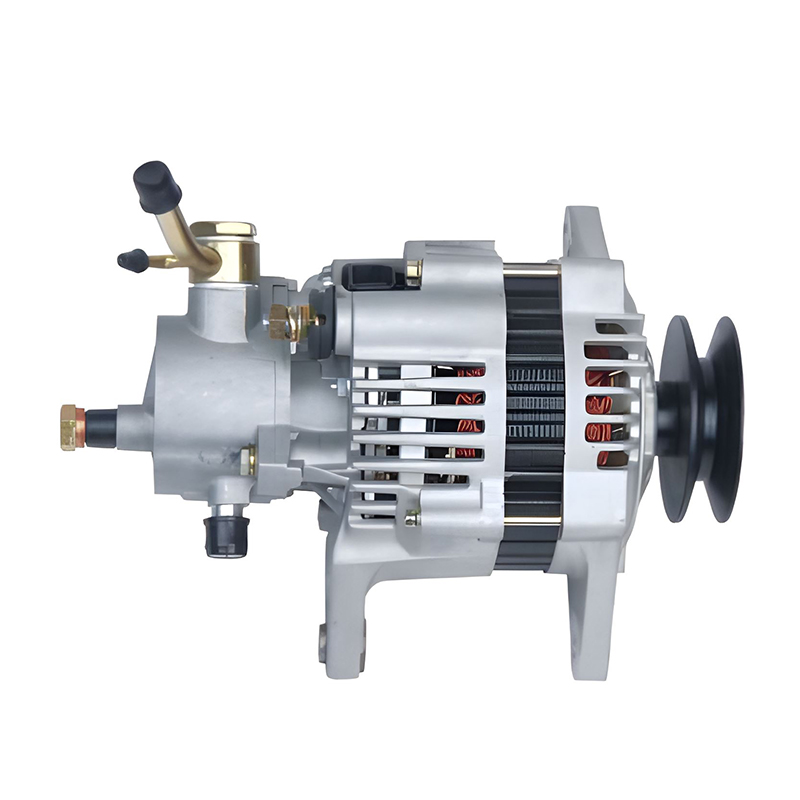
100% New Car Alternator vs. Remanufactured: Understanding the Difference
A 100% new car alternator is built entirely from new components — new stator, rotor, rectifier, voltage regulator, bearings, and housing. It has never been in service and carries no fatigue wear from a previous application. By contrast, a remanufactured (reman) alternator is a core unit that has been disassembled, cleaned, and rebuilt with a combination of new and reconditioned parts. While quality reman units can perform reliably, the level of reconditioning varies widely between suppliers.
| Feature | 100% New Alternator | Remanufactured Alternator |
|---|---|---|
| Component origin | All new parts | Mix of new & reconditioned |
| Expected lifespan | Longer (no prior wear) | Variable |
| Price point | Higher upfront cost | Lower upfront cost |
| Core charge required | No | Usually yes |
| Ideal for | High-demand & commercial use | Budget-conscious daily drivers |
For vehicles with elevated electrical demands — or where downtime is costly — investing in a 100% new car alternator is the more reliable long-term choice. The absence of pre-existing wear means more predictable performance and a longer service interval before the next replacement.
Heavy Duty Truck Alternator: Requirements and Selection Criteria
A heavy duty truck alternator operates under conditions that would quickly degrade a passenger-vehicle unit. Commercial trucks, semi-trucks, vocational work trucks, and fleet vehicles subject their alternators to continuous high-load cycles, extreme engine bay temperatures, vibration stress, and the demands of multiple onboard systems running simultaneously — refrigeration units, hydraulic controls, communications equipment, lighting arrays, and more.
When selecting a heavy duty truck alternator, the following specifications deserve close attention:
- Rated output amperage: Commercial trucks often require 160A–320A or more, depending on the application. Spec the alternator to handle 125% of your calculated peak load to build in a safety margin.
- Voltage compatibility: Confirm whether the truck operates on a 12V or 24V system — heavy equipment frequently uses 24V architecture.
- Mounting and fitment: Bracket configurations, pulley type (single vs. serpentine), and connector plugs must match the OEM specifications of the specific truck platform.
- Thermal performance: Look for heavy-duty internal fans and high-temperature-rated windings. A unit that overheats under sustained load will fail prematurely regardless of its amperage rating.
- IP rating / ingress protection: For trucks operating in harsh environments — construction sites, mining operations, off-highway use — a higher IP rating protects against dust and moisture infiltration.
Common Signs Your Alternator Needs Replacing
Regardless of vehicle type, a failing alternator typically presents one or more of the following warning signs before complete failure:
- Battery warning light illuminated on the dashboard
- Dimming or flickering headlights, especially at idle
- Electrical accessories behaving erratically (slow windows, stuttering audio)
- Frequent dead batteries despite a healthy battery cell
- Burning rubber or electrical smell from the engine bay
- Grinding or whining noise from the alternator pulley bearing
A simple multimeter test can confirm alternator health: with the engine running, a healthy alternator should read 13.8V–14.8V at the battery terminals. Readings consistently below 13.5V or above 15V signal a charging system fault that warrants immediate diagnosis.
How to Match the Right Alternator to Your Vehicle
Choosing the correct alternator — whether a high output car alternator, a 100% new replacement, or a heavy duty truck unit — requires matching four key parameters: vehicle year/make/model, engine size, OEM amperage rating, and any special fitment requirements such as clockwise vs. counterclockwise rotation or self-exciting vs. externally regulated designs.
For modified vehicles with significant electrical upgrades, calculate total continuous amp draw across all loads (audio amplifiers, lighting, accessories, factory systems) and select an alternator rated at least 20–30% above that calculated total. This overhead prevents the unit from operating at maximum capacity continuously, which degrades windings and rectifier diodes over time and shortens alternator life significantly.
Always verify the output curve data provided by the manufacturer — a trustworthy supplier will publish amperage output across the full RPM range, not just a peak figure. This transparency is the clearest indicator of product quality when comparing alternator options side by side.
Related products
-
-
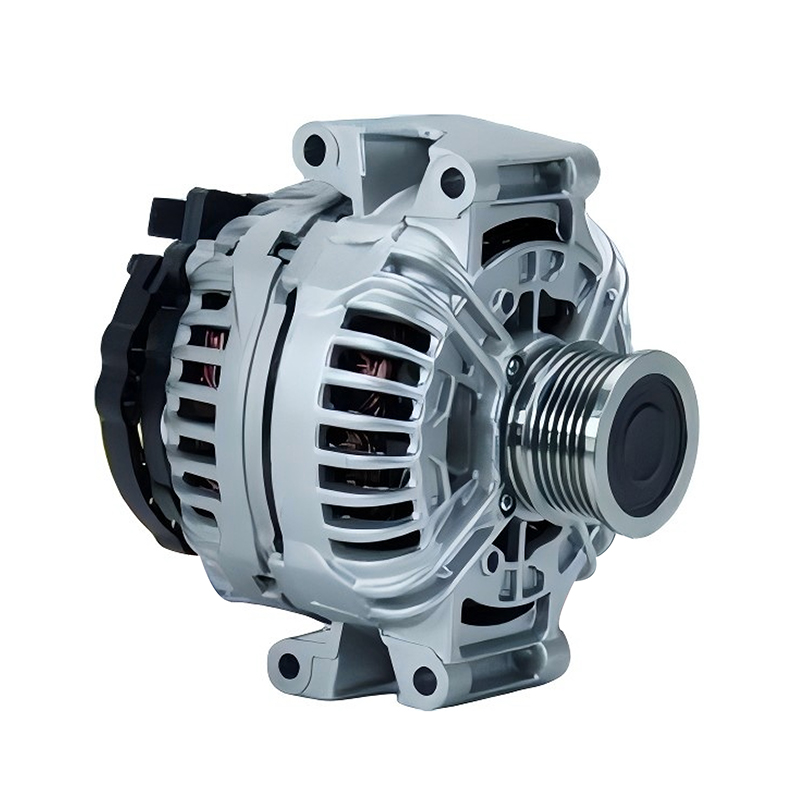
Designed to meet the demanding electrical needs of modern vehicles, the 12V 150A 11064/0124615009 Bosch car alternator for AUDI A4 1.6L, 1.8L, 2.0L is a trusted solution for AUDI A4 owners. Boasting a...
See Details -
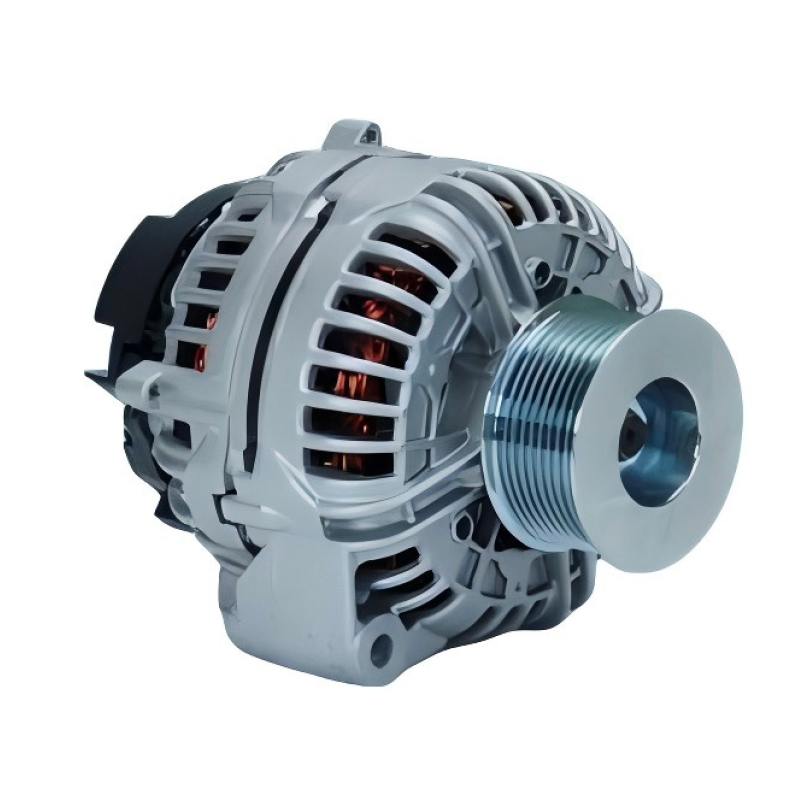
When it comes to keeping your JOHN DEERE 2007-2009 model running smoothly, a reliable alternator is non-negotiable—and the 12V 200A 12796/0124625030 Bosch car alternator for JOHN DEERE 2007-2009 is en...
See Details -
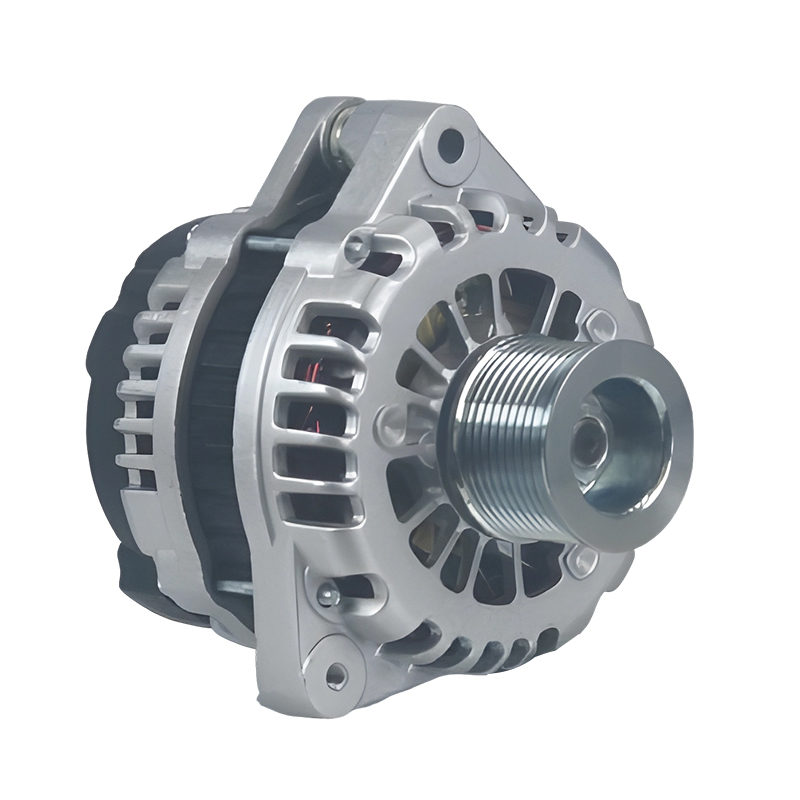
A reliable power solution for commercial and passenger vehicles, the 24V 90A 20289N/0123520500 Bosch car alternator for Hongyan,Genlyon,Saic,lveco,Howo,Weicha is engineered to deliver consistent perfo...
See Details -
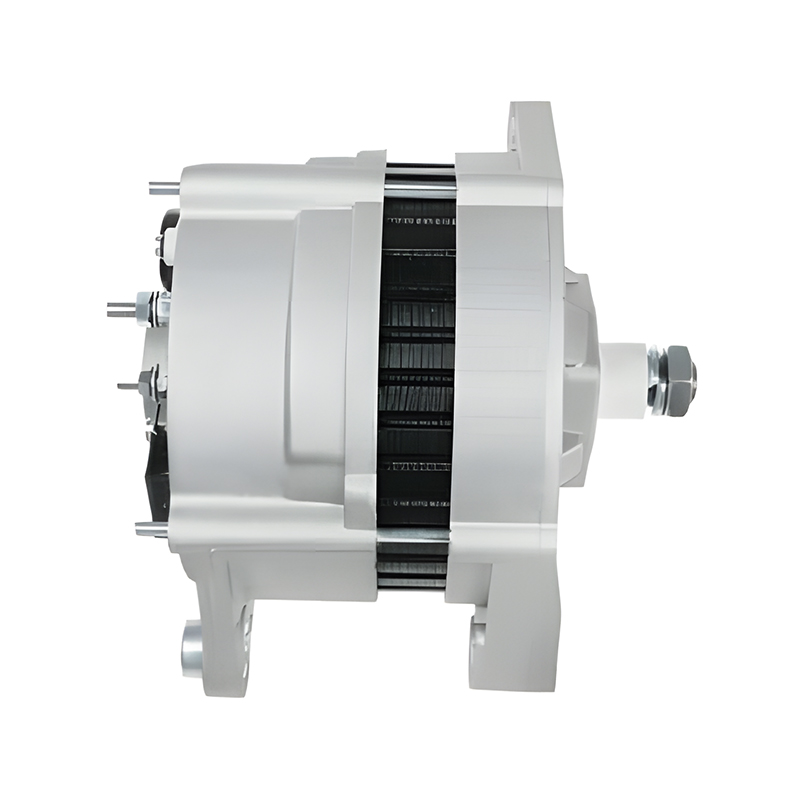
Designed as a reliable power solution for the IVECO 100 E15 engine series, the 24V 80A 12709/0120468116 Bosch car alternator for IVECO 100 E15 combines precision engineering with durable performance t...
See Details -
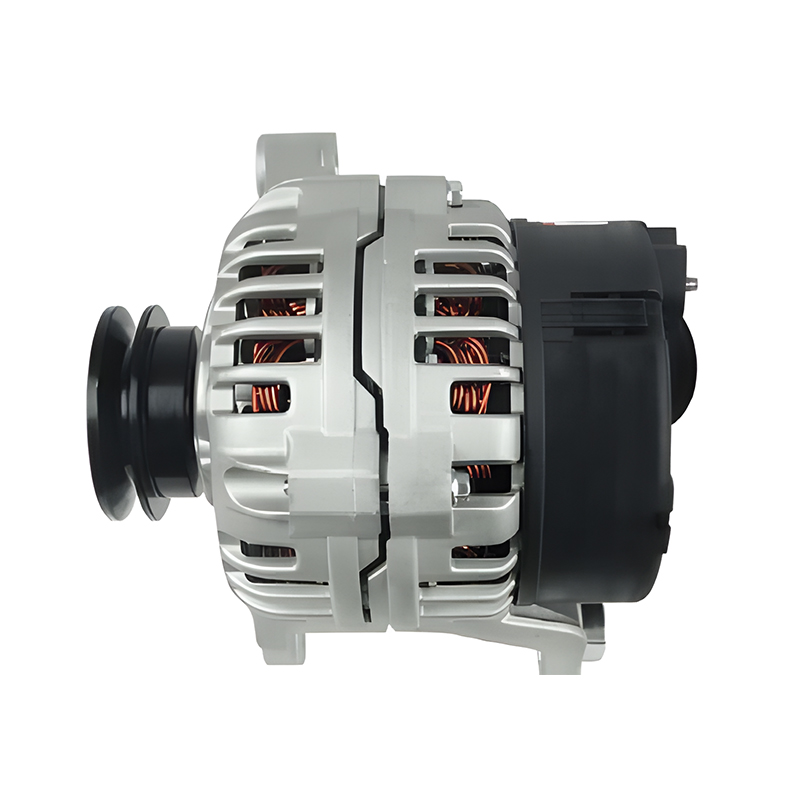
The 12V 90A 0123315503/112406 Bosch car alternator for IV ECO DAIY is a high-quality replacement part specifically designed for the IV ECO DAIY engine series, offering reliable performance to meet the...
See Details

Contact Information
-
Production Plant:No.19, West Taihu Avenue, Wujin District, Changzhou City, Jiangsu Province, China
-
Email:
-
Phone:+86 157 2060 1523
-
TEL:+86-519 8639 0626
Copyright © 2025 Changzhou Hancheng Auto Parts Co., Ltd. All Rights Reserved.
PrivacyAutomotive Alternators Manufacturers High Output Car Alternator Factory
