


 中文简体
中文简体 Español
 Français
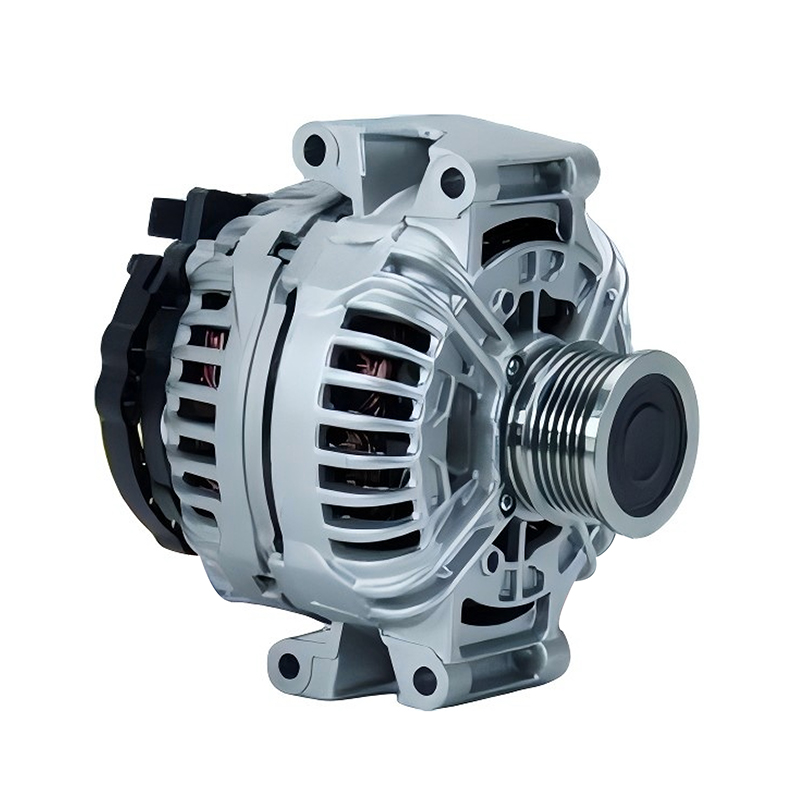
Designed to meet the demanding electrical needs of modern vehicles, the 12V 150A 11064/0124615009 Bosch car alternator for AUDI A4 1.6L, 1.8L, 2.0L is a trusted solution for AUDI A4 owners. Boasting a...
See Details

Get A Quote
Heavy Duty Truck Alternator & Vehicle Alternators Guide
Mar 06, 2026
A heavy duty truck alternator is the single most critical charging component in a commercial vehicle's electrical system. Without a properly functioning alternator, batteries drain, electronics fail, and trucks stop — often at the worst possible time. Whether you're managing a fleet or maintaining a single rig, understanding how vehicle alternators work, what separates heavy duty units from standard ones, and how to identify failure early will save you significant downtime and cost.
Content
- 1 What a Vehicle Alternator Actually Does
- 2 Heavy Duty Truck Alternators vs. Standard Alternators
- 3 How to Choose the Right Alternator for Your Truck
- 4 Warning Signs Your Truck Alternator Is Failing
- 5 Alternator Output Ratings: What the Numbers Mean
- 6 Maintenance Practices That Extend Alternator Life
- 7 Common Applications and Alternator Recommendations by Truck Type
- 8 The Cost of Getting It Wrong
What a Vehicle Alternator Actually Does
An alternator converts mechanical energy from the engine — via a belt-driven pulley — into alternating current (AC), which is then rectified into direct current (DC) to charge the battery and power onboard electrical systems. In passenger vehicles, a standard alternator typically outputs between 65 and 100 amps. That's sufficient for basic electrical loads like lighting, ignition, and infotainment.
Commercial trucks, however, carry a much heavier electrical burden. Refrigeration units, liftgates, advanced telematics, multiple ECUs, HVAC systems, and high-powered lighting all draw significant current simultaneously. This is why heavy duty truck alternators are engineered to an entirely different specification.
Heavy Duty Truck Alternators vs. Standard Alternators
The differences between a heavy duty truck alternator and a standard vehicle alternator go far beyond output rating. They are built for sustained operation under extreme conditions.
| Feature | Standard Alternator | Heavy Duty Truck Alternator |
|---|---|---|
| Output (Amps) | 65–100 A | 130–370 A |
| Voltage | 12V | 12V or 24V |
| Cooling | Internal fan | Dual fan or liquid-cooled |
| Duty Cycle | Intermittent | Continuous (100%) |
| Bearing Grade | Standard | Industrial-grade |
| Lifespan (avg.) | 80,000–100,000 mi | 200,000–300,000 mi |
A Delco Remy 38SI, one of the most widely used heavy duty truck alternators in North America, delivers up to 160 amps at idle and is rated for 24/7 continuous operation — something no standard passenger car alternator can do.
How to Choose the Right Alternator for Your Truck
Selecting the wrong alternator is a common and costly mistake. An underpowered unit will be overworked from day one, leading to premature failure. Follow these practical steps:
Calculate Your Total Electrical Load
Add up the amperage draw of every electrical system on the truck when running at peak demand. This includes the engine fan, headlights, HVAC blower, heated mirrors, cab electronics, GPS/telematics, and any auxiliary equipment like a refrigeration unit or liftgate. A typical Class 8 truck with a reefer unit can easily demand 250–300 amps simultaneously.
Match Voltage to Your System
Most North American heavy trucks run a 12V system, while many European and heavy-haul applications use 24V. Installing a 12V alternator on a 24V system — or vice versa — will result in immediate electrical damage. Always verify system voltage before purchasing.
Check Physical Compatibility
Alternators must match the mounting configuration, pulley type, and connector style of the original unit. For example, Kenworth T680 and Peterbilt 579 trucks using a Paccar MX-13 engine have a specific mounting bracket geometry that not all aftermarket units accommodate.
OEM vs. Remanufactured vs. Aftermarket
Each option carries trade-offs:
- OEM (Original Equipment Manufacturer): Highest reliability and guaranteed fit. Expect to pay $600–$1,200+ for a new unit.
- Remanufactured: Rebuilt to OEM specifications using original cores. Typically costs 40–60% less than new OEM and is a solid middle-ground for fleets.
- Aftermarket: Lowest upfront cost but highly variable quality. Reputable brands include Bosch, Leece-Neville, and Prestolite. Avoid unknown offshore brands for commercial applications.
Warning Signs Your Truck Alternator Is Failing
Alternator failure rarely happens without warning. Catching the symptoms early can prevent a roadside breakdown and thousands in secondary damage to batteries and electronics.
- Dim or flickering lights: Headlights or dashboard lights that dim at idle and brighten when revving the engine indicate the alternator isn't producing adequate output at low RPM.
- Battery warning light: This light signals a charging system fault — not necessarily a dead battery. Test the alternator before replacing the battery.
- Electrical accessories malfunctioning: Erratic behavior in power windows, HVAC systems, or digital displays under load is a classic sign of voltage irregularity.
- Whining or grinding noise: A failing bearing inside the alternator produces audible noise, particularly under load. Don't ignore this — a seized alternator can destroy the serpentine belt and cause engine overheating.
- Multiple dead batteries: If you're replacing batteries frequently, the alternator may be overcharging (above 14.8V on a 12V system) or undercharging, degrading battery life rapidly.
A healthy 12V alternator should produce between 13.8V and 14.5V at the battery terminals while the engine is running. A simple multimeter test takes under two minutes and can confirm whether the unit is functioning correctly.
Alternator Output Ratings: What the Numbers Mean
Alternator amperage ratings are often misunderstood. A unit rated at 200 amps does not produce 200 amps at idle. Output is RPM-dependent, and most alternators only achieve peak output at engine speeds above 2,000–3,000 RPM.
For trucking applications where idling is common — at loading docks, rest stops, and during PTO operations — idle amperage output is often more important than peak output. Always check the manufacturer's output curve, not just the headline amp rating. The Leece-Neville 4900 Series, for instance, delivers over 100 amps at idle, making it well-suited for idle-heavy fleet applications.
Maintenance Practices That Extend Alternator Life
Heavy duty truck alternators are robust, but they are not maintenance-free. A few straightforward practices can push service life well beyond the average and prevent unplanned failures.
- Inspect and tension the drive belt regularly. A slipping belt reduces alternator speed and output, causing the unit to overwork. Most manufacturers recommend belt inspection every 50,000 miles or annually.
- Keep battery terminals clean and tight. Corroded or loose connections force the alternator to compensate with higher voltage output, accelerating wear on the voltage regulator.
- Check for excessive heat exposure. Alternators mounted near exhaust components or lacking adequate airflow run hotter and wear faster. Heat is the primary enemy of alternator bearings and windings.
- Test output annually or at every major service. Proactive output testing catches declining performance before it leads to a failure event. Many fleet shops integrate this into PM schedules at 100,000-mile intervals.
- Avoid jump-starting from the alternator. Connecting a dead battery directly to a running alternator can send voltage spikes that damage the diode bridge and voltage regulator instantly.
Common Applications and Alternator Recommendations by Truck Type
Different truck configurations demand different alternator specifications. Here's a practical reference:
| Truck Type | Typical Load | Recommended Output | Example Unit |
|---|---|---|---|
| Class 6–7 Medium Duty | 100–150 A | 130–160 A | Delco Remy 19SI |
| Class 8 Long Haul (no reefer) | 150–200 A | 160–200 A | Delco Remy 38SI |
| Refrigerated (Reefer) Trailer | 200–280 A | 240–320 A | Leece-Neville 4962PA |
| Dump / Vocational Truck | 180–250 A | 200–280 A | Prestolite Electric J180 |
| Emergency / Fire Apparatus | 280–370 A | 320–370 A | Leece-Neville 4800 Series |
The Cost of Getting It Wrong
Alternator failure in a commercial truck doesn't just mean a repair bill. It means a truck off the road. For owner-operators, a single day of downtime can cost $800–$1,500 in lost revenue. For fleets, roadside alternator failures also incur towing costs ($300–$600 for a Class 8 truck), emergency labor rates, and potential cargo penalties for late delivery.
A proactive alternator replacement — typically costing $400–$900 in parts and labor for a remanufactured unit — is almost always cheaper than a reactive one. Many fleet managers schedule alternator replacement at 150,000–200,000 miles as a preventive measure, particularly for vehicles operating in high-idle environments where alternators wear faster.
Related products
-
-
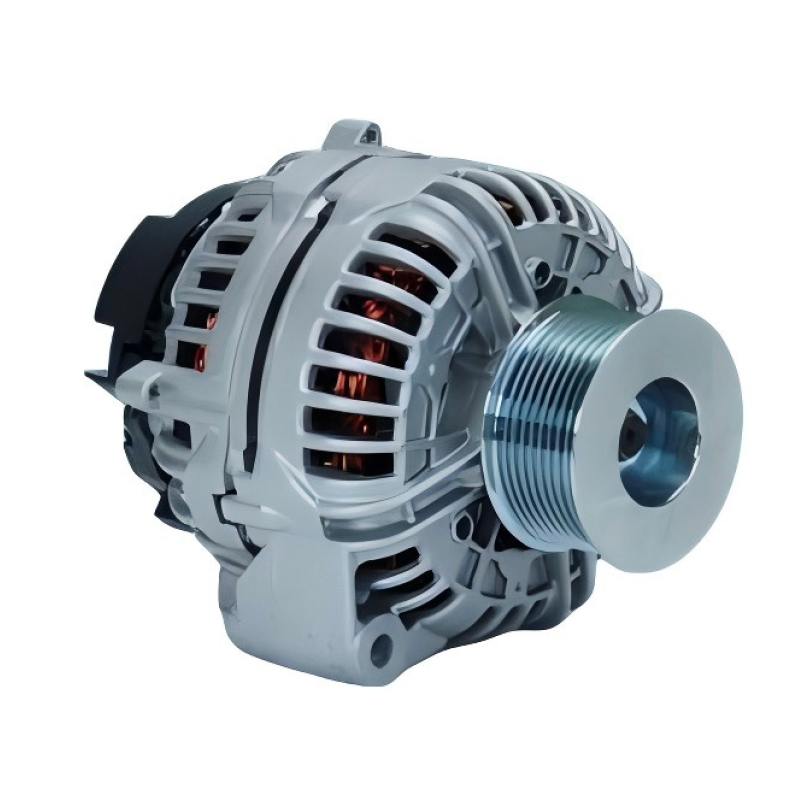
When it comes to keeping your JOHN DEERE 2007-2009 model running smoothly, a reliable alternator is non-negotiable—and the 12V 200A 12796/0124625030 Bosch car alternator for JOHN DEERE 2007-2009 is en...
See Details -
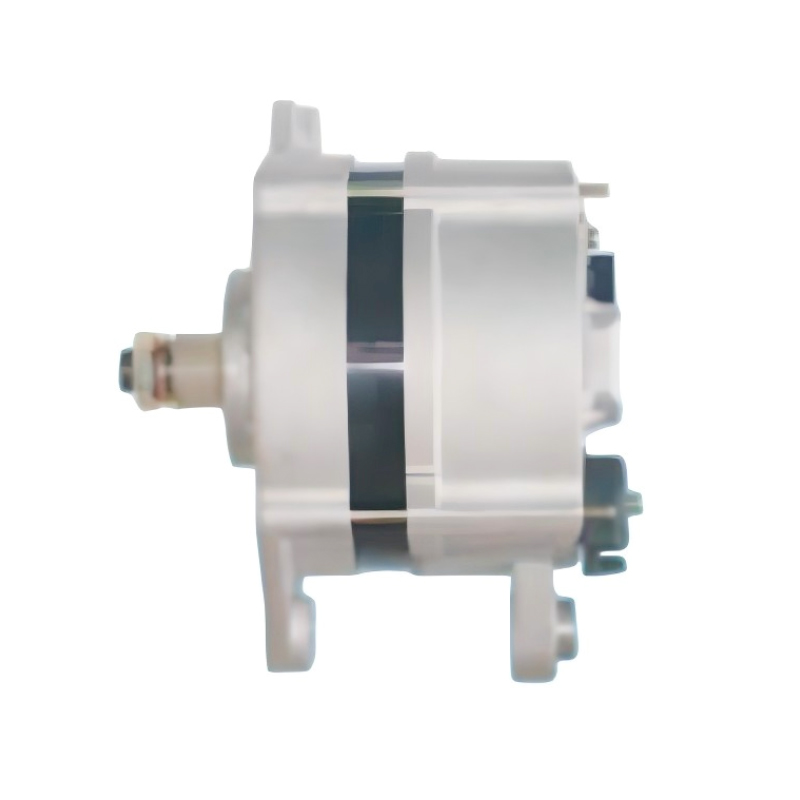
The 24V 55A 12135/0120469978 Bosch car alternator for IVECO EuroCargo EuroTrakker 100E15 90E37 is a reliable power solution specifically engineered for the IVECO EuroCargo EuroTrakker 100E15 90E37 eng...
See Details -
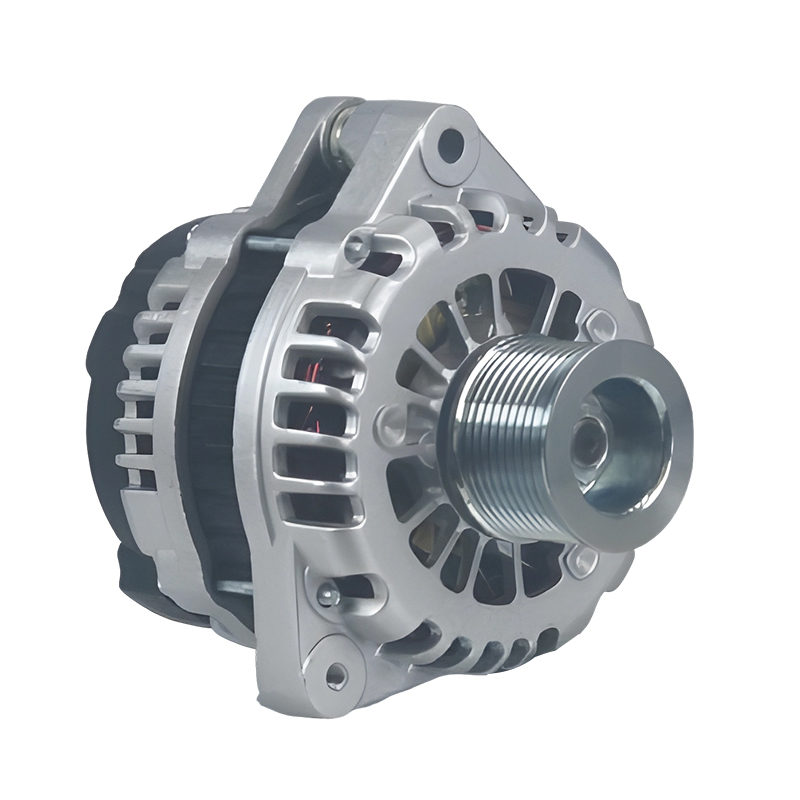
A reliable power solution for commercial and passenger vehicles, the 24V 90A 20289N/0123520500 Bosch car alternator for Hongyan,Genlyon,Saic,lveco,Howo,Weicha is engineered to deliver consistent perfo...
See Details -
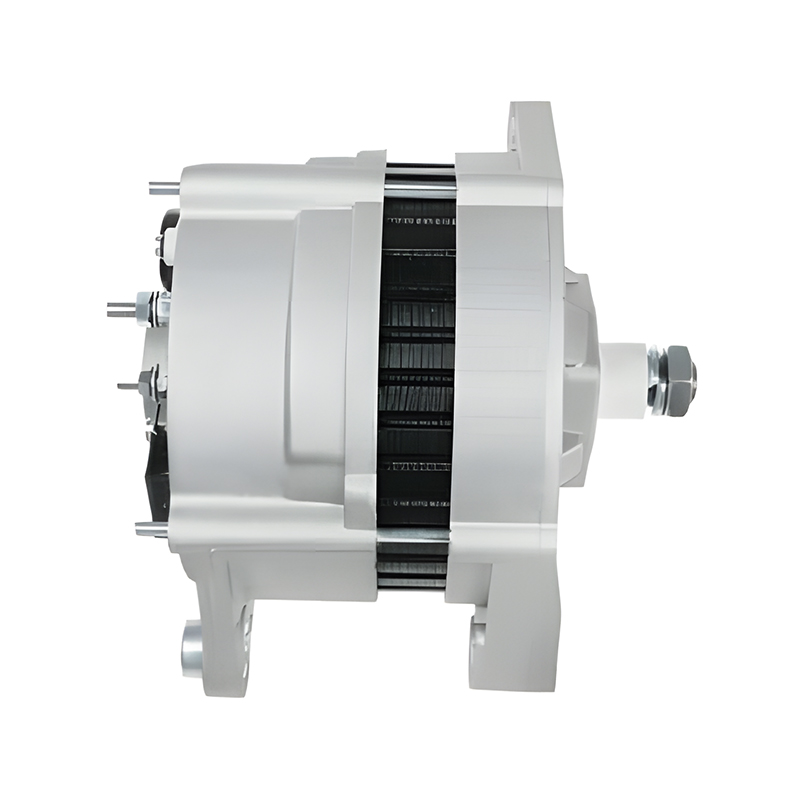
Designed as a reliable power solution for the IVECO 100 E15 engine series, the 24V 80A 12709/0120468116 Bosch car alternator for IVECO 100 E15 combines precision engineering with durable performance t...
See Details -
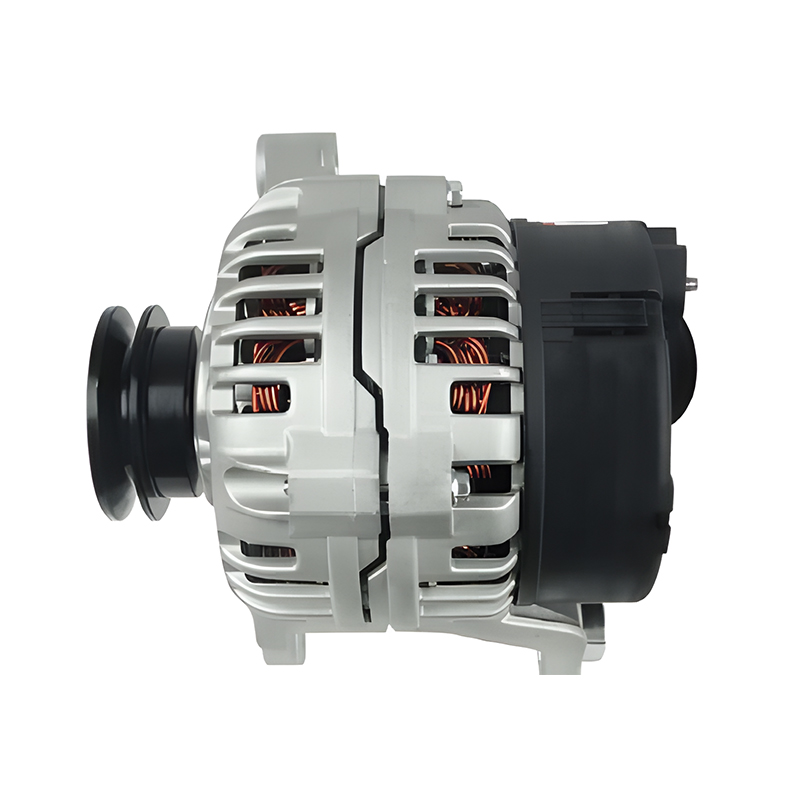
The 12V 90A 0123315503/112406 Bosch car alternator for IV ECO DAIY is a high-quality replacement part specifically designed for the IV ECO DAIY engine series, offering reliable performance to meet the...
See Details

Contact Information
-
Production Plant:No.19, West Taihu Avenue, Wujin District, Changzhou City, Jiangsu Province, China
-
Email:
-
Phone:+86 157 2060 1523
-
TEL:+86-519 8639 0626
Copyright © 2025 Changzhou Hancheng Auto Parts Co., Ltd. All Rights Reserved.
PrivacyAutomotive Alternators Manufacturers High Output Car Alternator Factory
