


 中文简体
中文简体 Español
 Français
Designed as a reliable replacement for MERCEDES BENZ Sprinter, Vito, and Viano models equipped with the CDi2.1L engine, the 12V 200A 0124625006 Bosch car alternator for MERCEDES BENZ Sprinter/vito/via...
See Details

Get A Quote
What Does an Alternator Do in a Vehicle? Complete Guide to Alternator Function
Feb 19, 2026
The alternator is one of the most critical components in your vehicle's electrical system, yet many drivers don't fully understand what it does or why it's so important. This essential device keeps your car running smoothly by generating electrical power and ensuring that your battery stays charged. Without a functioning alternator, your vehicle would quickly lose power and come to a halt, leaving you stranded. Understanding how your alternator works and what role it plays can help you recognize problems early and maintain your vehicle properly.

Content
- 1 The Primary Function of an Alternator
- 2 How the Alternator Charges Your Battery
- 3 Key Components of an Alternator and How They Work
- 4 Is the Alternator Part of the Engine
- 5 What Powers Your Vehicle: Battery vs. Alternator
- 6 Signs Your Alternator Is Failing
- 7 Common Causes of Alternator Failure
- 8 Testing Your Alternator
- 9 Maintaining Your Alternator for Longevity
- 10 The Relationship Between Alternator Size and Vehicle Electrical Demands
The Primary Function of an Alternator
The alternator serves as your vehicle's power generator, converting mechanical energy from the engine into electrical energy. When your engine runs, it turns a pulley connected to the alternator via a serpentine belt. This mechanical rotation drives the alternator's internal components, which generate alternating current (AC) electricity. The alternator then converts this AC power into direct current (DC) electricity that your vehicle's electrical system can use.
The primary job of the alternator is to supply electricity to all of your vehicle's electrical components while the engine is running. This includes everything from your headlights and radio to your fuel injection system and onboard computers. The alternator must produce enough power to meet these demands while simultaneously recharging the battery. Modern vehicles have increasingly sophisticated electrical systems with numerous power-hungry components, making the alternator's role more critical than ever.
A typical automotive alternator produces between 13.5 and 14.5 volts when the engine is running at normal speeds. This voltage is carefully regulated to prevent overcharging the battery or damaging sensitive electronic components. The alternator's voltage regulator monitors the electrical system's needs and adjusts output accordingly, ensuring a consistent and safe power supply regardless of engine speed or electrical load.
How the Alternator Charges Your Battery
Yes, the alternator does charge the battery, and this is one of its most important functions. While the battery provides the initial electrical power needed to start your engine, it would quickly become depleted if not recharged. The alternator takes over once the engine starts, replenishing the energy the battery used during startup and maintaining its charge level throughout your drive.
The charging process works through a continuous cycle. As the alternator generates electricity, it sends current back to the battery through the vehicle's charging system. The battery acts as an electrical reservoir, storing excess power for times when the engine isn't running or when electrical demands temporarily exceed the alternator's output capacity. This relationship between the alternator and battery is symbiotic—the battery helps start the engine so the alternator can run, and the alternator keeps the battery charged so it can start the engine again next time.
The charging rate varies depending on the battery's state of charge and the electrical load on the system. If you've just started your car after it sat overnight, the alternator will work harder to replace the charge used during startup. Once the battery reaches full charge, the alternator reduces its output to a maintenance level, providing just enough current to keep the battery topped off while powering the vehicle's electrical systems.
Key Components of an Alternator and How They Work
Understanding the alternator's internal components helps clarify how this crucial device generates electricity. The alternator consists of several key parts working together in precise coordination:
- Rotor: A spinning electromagnet at the center of the alternator that creates a rotating magnetic field when supplied with a small amount of current from the battery.
- Stator: A stationary set of wire coils surrounding the rotor that generates electricity as the rotor's magnetic field passes through them, producing alternating current.
- Diode Rectifier: A series of diodes that convert the alternating current produced by the stator into direct current that your vehicle's electrical system requires.
- Voltage Regulator: An electronic control unit that monitors the electrical system and adjusts the alternator's output to maintain proper voltage levels, preventing overcharging or undercharging.
- Pulley and Bearings: The pulley connects to the serpentine belt and transfers rotational energy from the engine, while bearings allow smooth rotation of the rotor shaft.
- Cooling Fan: Built into the alternator to dissipate heat generated during the electrical conversion process, preventing component damage from overheating.
These components work together seamlessly. As the engine turns the pulley, the rotor spins inside the stator, creating a changing magnetic field. This induces an electrical current in the stator windings, which is then converted from AC to DC by the diode rectifier. The voltage regulator continuously monitors and adjusts this output to meet the vehicle's electrical demands while protecting the battery and sensitive electronics from voltage spikes or drops.
Is the Alternator Part of the Engine
While the alternator is not technically part of the engine itself, it is directly connected to and driven by the engine. The alternator is considered an engine accessory or auxiliary component, mounted on the engine block or nearby and powered by the engine's rotation. It's part of the engine's accessory drive system, which includes other components like the power steering pump, air conditioning compressor, and water pump.
The alternator is typically located on the front of the engine, attached to the engine block with mounting brackets. A serpentine belt or V-belt connects the alternator's pulley to the engine's crankshaft pulley, allowing the engine's rotational force to spin the alternator. This direct mechanical connection means that the alternator's speed and output are directly related to engine speed—the faster the engine runs, the faster the alternator spins and the more power it can generate.
The alternator's location and mounting make it relatively accessible for inspection and replacement, though the exact positioning varies by vehicle make and model. Some vehicles have the alternator mounted high on the engine for easy access, while others position it lower or deeper within the engine bay, requiring more extensive disassembly for service. Despite not being an internal engine component, the alternator's performance is intimately tied to engine operation, and problems with either can affect the other.
What Powers Your Vehicle: Battery vs. Alternator
Many people mistakenly believe that the battery powers their vehicle while driving, but this is not accurate. The battery's primary role is to provide the initial burst of power needed to start the engine and to serve as a backup power source. Once the engine is running, the alternator takes over as the primary power source for all electrical systems in your vehicle.
When you turn the ignition key or press the start button, the battery supplies electricity to the starter motor, which cranks the engine. This process draws significant power from the battery, temporarily depleting its charge. Once the engine fires up and begins running, the alternator immediately begins generating electricity. From that point forward, the alternator powers everything in your vehicle—from essential systems like fuel injection and ignition to convenience features like power windows, infotainment systems, and climate control.
The battery continues to play an important supporting role even while the alternator is working. It acts as a voltage stabilizer, smoothing out fluctuations in the electrical system and providing extra power during high-demand situations. For example, if you turn on your headlights, heated seats, rear defroster, and stereo all at once while idling, the electrical demand might momentarily exceed what the alternator can produce at low engine speeds. In these situations, the battery supplements the alternator's output until engine speed increases or you reduce the electrical load.
Signs Your Alternator Is Failing
Recognizing the symptoms of a failing alternator can prevent you from being stranded with a dead battery. Since the alternator is responsible for keeping the battery charged and powering electrical systems, alternator problems often manifest as electrical issues throughout the vehicle.
Dashboard Warning Lights
The most obvious sign of alternator trouble is the battery warning light on your dashboard, often depicted as a battery symbol or the letters "ALT" or "GEN." This light illuminates when the vehicle's computer detects that the charging system isn't working properly. Don't ignore this warning—it indicates that your battery isn't being charged and you're running on battery power alone, which won't last long.
Dimming or Flickering Lights
If your headlights, dashboard lights, or interior lights dim when you're idling or brighten when you rev the engine, this suggests the alternator isn't producing consistent power. Flickering lights are another telltale sign that the alternator is struggling to maintain proper voltage output. These symptoms often become more noticeable at night when lights are in use.
Electrical Component Malfunctions
Modern vehicles rely heavily on electricity for numerous functions. When the alternator fails, you might notice power windows operating slowly, the radio cutting out, or unusual behavior from electronic systems. The vehicle's computer systems may trigger various warning lights or error messages as voltage drops below acceptable levels.
Strange Noises
A failing alternator often produces grinding, whining, or rattling noises. These sounds can indicate worn bearings inside the alternator, a loose pulley, or problems with the drive belt. Any unusual noise coming from the alternator area deserves immediate attention, as bearing failure can cause the alternator to seize completely.
Dead Battery or Difficulty Starting
While a dead battery can have multiple causes, if your battery repeatedly dies despite being relatively new, the alternator is likely the culprit. If the alternator isn't charging the battery properly, the battery will drain over time, leaving you unable to start the vehicle. Jump-starting the car only provides a temporary fix if the underlying alternator problem isn't addressed.
Common Causes of Alternator Failure
Understanding what causes alternators to fail can help you prevent problems and extend the life of this critical component. Several factors contribute to alternator wear and eventual failure:
| Cause | Description | Prevention |
| Normal Wear and Tear | Bearings, brushes, and other internal components wear out over time with regular use | Regular maintenance and replacement at manufacturer intervals |
| Excessive Electrical Load | Aftermarket accessories or multiple high-draw devices can overtax the alternator | Avoid excessive electrical accessories; upgrade alternator if needed |
| Belt Problems | Loose, worn, or damaged serpentine belts prevent proper alternator operation | Inspect and replace belts according to maintenance schedule |
| Heat Damage | Excessive engine heat can damage alternator components and shorten lifespan | Maintain proper cooling system function; avoid extended high-load operation |
| Moisture and Contamination | Water, oil, or dirt entering the alternator can cause electrical shorts or corrosion | Fix fluid leaks promptly; avoid deep water crossings when possible |
| Voltage Regulator Failure | Faulty voltage regulation can cause overcharging or undercharging, damaging components | Test charging system regularly; replace regulator when signs appear |
Most alternators are designed to last between 80,000 and 150,000 miles under normal driving conditions, though some may fail earlier or last longer depending on usage patterns and environmental factors. Vehicles that make frequent short trips, operate in extreme temperatures, or carry heavy electrical loads tend to experience faster alternator wear. Regular inspection of the charging system during routine maintenance can catch problems early, potentially saving you from an inconvenient breakdown.
Testing Your Alternator
If you suspect alternator problems, several tests can help confirm whether the alternator is functioning properly. While professional testing is most accurate, you can perform some basic checks yourself with simple tools.
The most straightforward test involves using a multimeter to measure voltage at the battery terminals. With the engine off, a healthy battery should read around 12.6 volts. Start the engine and check again—the voltage should rise to between 13.5 and 14.5 volts if the alternator is working correctly. If the voltage doesn't increase or rises above 15 volts, the alternator or voltage regulator likely has problems. You can also test under load by turning on headlights, air conditioning, and other accessories while monitoring voltage—it should remain in the 13.5-14.5 volt range.
Most auto parts stores offer free alternator and battery testing. They use specialized equipment to perform more comprehensive tests, including load testing that simulates real-world electrical demands. These tests can determine if the alternator is producing adequate amperage, not just voltage, and can identify problems that simple voltage tests might miss. Many shops can test the alternator both on and off the vehicle, providing a complete picture of its condition.
Maintaining Your Alternator for Longevity
While alternators don't require much direct maintenance, several practices can help extend their service life and prevent premature failure. Taking care of related systems and paying attention to warning signs goes a long way toward avoiding alternator problems.
- Inspect the serpentine belt regularly for cracks, fraying, or glazing, and replace it according to your vehicle's maintenance schedule. A slipping or damaged belt prevents the alternator from spinning at proper speed.
- Keep battery terminals clean and tight. Corroded or loose connections increase electrical resistance, forcing the alternator to work harder to maintain proper charging.
- Address fluid leaks promptly, especially coolant, oil, or power steering fluid that could drip onto the alternator and cause damage to electrical components.
- Avoid running excessive electrical accessories when the engine is idling for extended periods, as this places unnecessary strain on the alternator.
- Have your charging system tested during regular maintenance intervals, typically every 30,000 miles or as recommended by your vehicle manufacturer.
- If installing aftermarket electrical accessories like high-powered stereos, lighting, or winches, consider upgrading to a higher-capacity alternator designed to handle the additional load.
- Listen for unusual noises from the alternator area and investigate immediately, as bearing problems or other mechanical issues can quickly escalate to complete failure.
Proactive maintenance and early problem detection can save you money and prevent the inconvenience of a roadside breakdown. Since alternator replacement can be costly and labor-intensive on some vehicles, taking steps to maximize its lifespan is worthwhile. Remember that a failing alternator rarely gives much warning before it stops working entirely, so addressing minor issues promptly is essential.
The Relationship Between Alternator Size and Vehicle Electrical Demands
Not all alternators are created equal—they come in various sizes and output capacities to match different vehicle requirements. The alternator in a basic economy car might produce 70-90 amps, while a large truck or SUV with numerous electrical accessories could have an alternator rated for 150-220 amps or more. Understanding this relationship helps explain why upgrading electrical systems requires careful consideration.
Vehicle manufacturers carefully match alternator capacity to electrical system requirements, accounting for all factory-installed features and accessories. They include a safety margin to handle peak loads and future needs, but this margin isn't unlimited. When owners add aftermarket accessories like powerful audio systems, additional lighting, refrigerators, or communication equipment, they can easily exceed the alternator's design capacity. An overtaxed alternator runs hot, works inefficiently, and fails prematurely.
Modern vehicles present particular challenges for alternators due to increasingly complex electrical systems. Features like heated and ventilated seats, advanced driver assistance systems, multiple computer modules, and sophisticated infotainment systems all draw power continuously. Electric power steering, active suspension systems, and start-stop technology add further demands. As vehicles become more electrified and connected, alternator technology continues to evolve to meet these growing power requirements while maintaining efficiency and reliability.
Related products
-
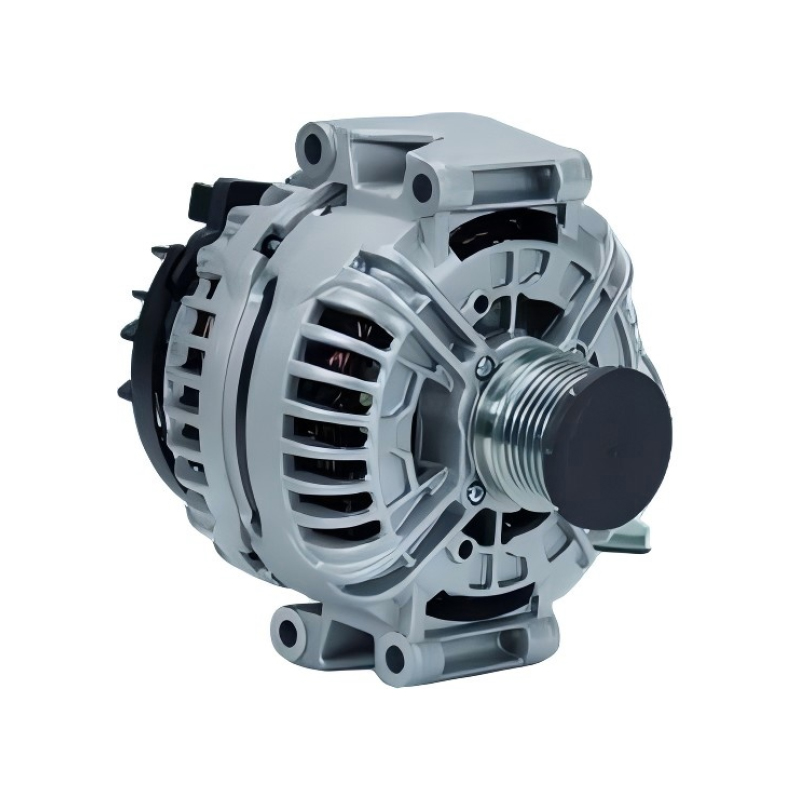
-
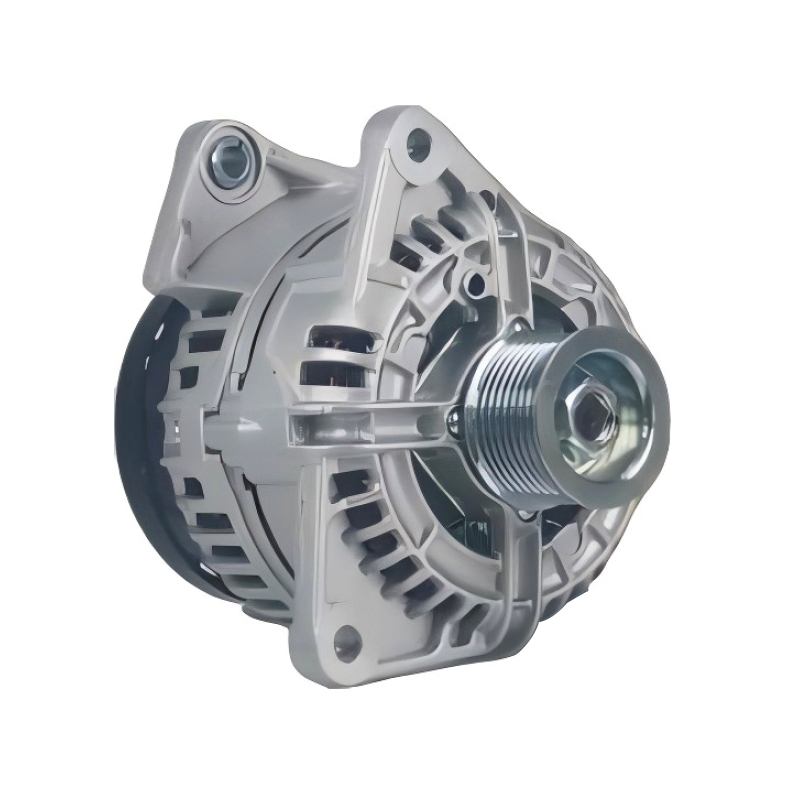
The 24V 80A 23527/0124555010 Bosch car alternator for FARYMAN Engines Deutz, IHC 16.1L F10L is designed to provide continuous power and reliable performance. It is a high-end replacement solution spec...
See Details -
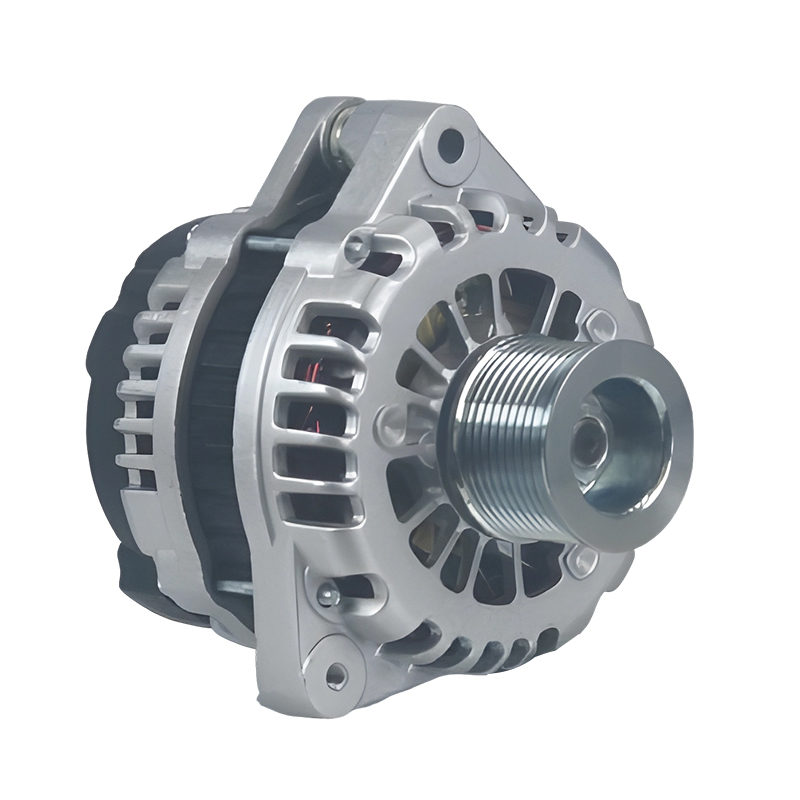
A reliable power solution for commercial and passenger vehicles, the 24V 90A 20289N/0123520500 Bosch car alternator for Hongyan,Genlyon,Saic,lveco,Howo,Weicha is engineered to deliver consistent perfo...
See Details -
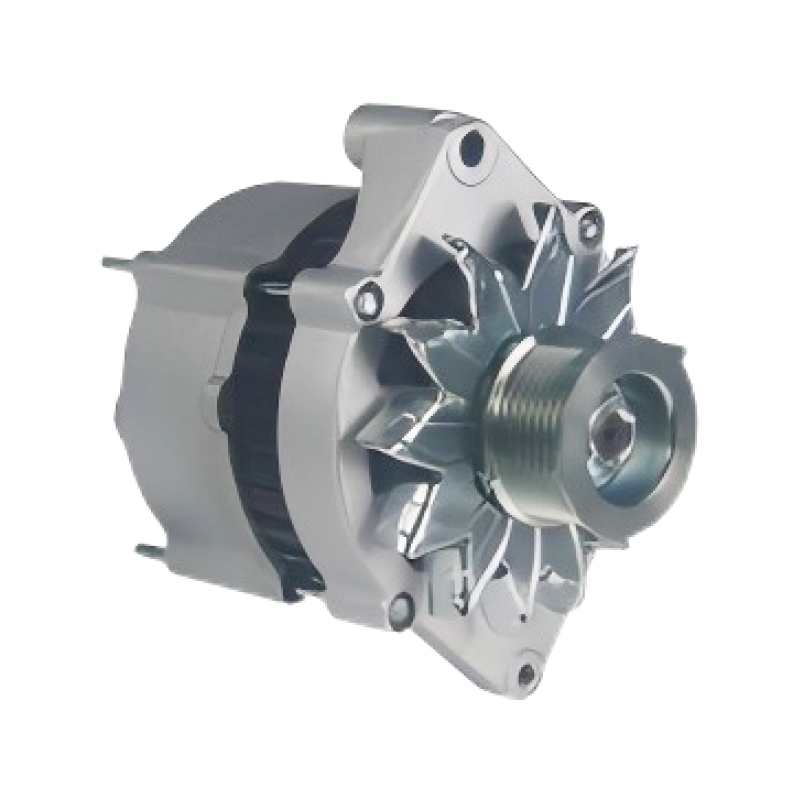
The 12V 95A 12145/0120484011 Bosch car alternator for CASE Crawler Dozer 650K Series 3 Case 4.5L is a high-quality replacement part specifically engineered for the CASE Crawler Dozer 650K Series 3 equ...
See Details -
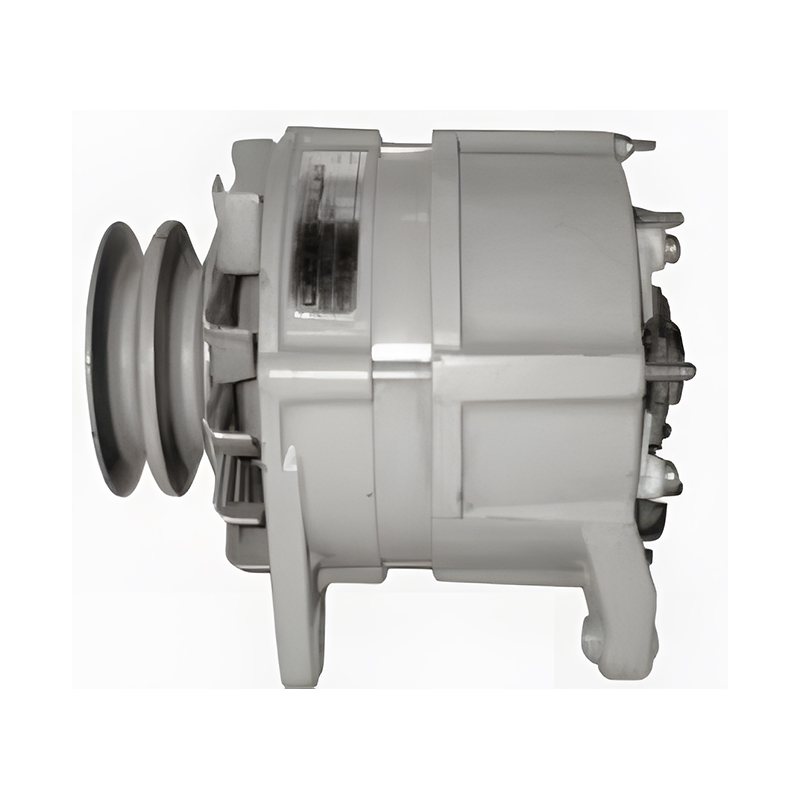
The 12V 70A 14054/0120488286 Bosch car alternator for CATERPILLAR LOADER 3054 ENGINE/perkins is a high-performance replacement part specifically engineered for CATERPILLAR LOADER models equipped with ...
See Details -
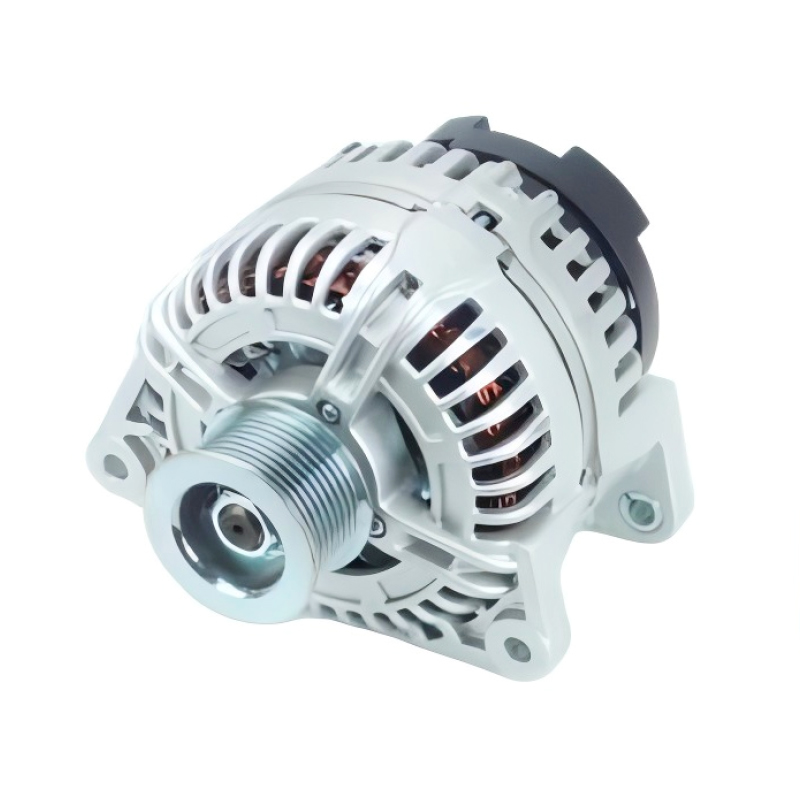
The 24V 100A 370100386 Bosch car alternator for Jinlong CMB YUCHAI YC4D140-20 is a high-quality power supply component meticulously designed for the Jinlong CMB YUCHAI YC4D140-20 engine series. As a t...
See Details

Contact Information
-
Production Plant:No.19, West Taihu Avenue, Wujin District, Changzhou City, Jiangsu Province, China
-
Email:
-
Phone:+86 157 2060 1523
-
TEL:+86-519 8639 0626
Copyright © 2025 Changzhou Hancheng Auto Parts Co., Ltd. All Rights Reserved.
PrivacyAutomotive Alternators Manufacturers High Output Car Alternator Factory
