


 中文简体
中文简体 Español
 Français
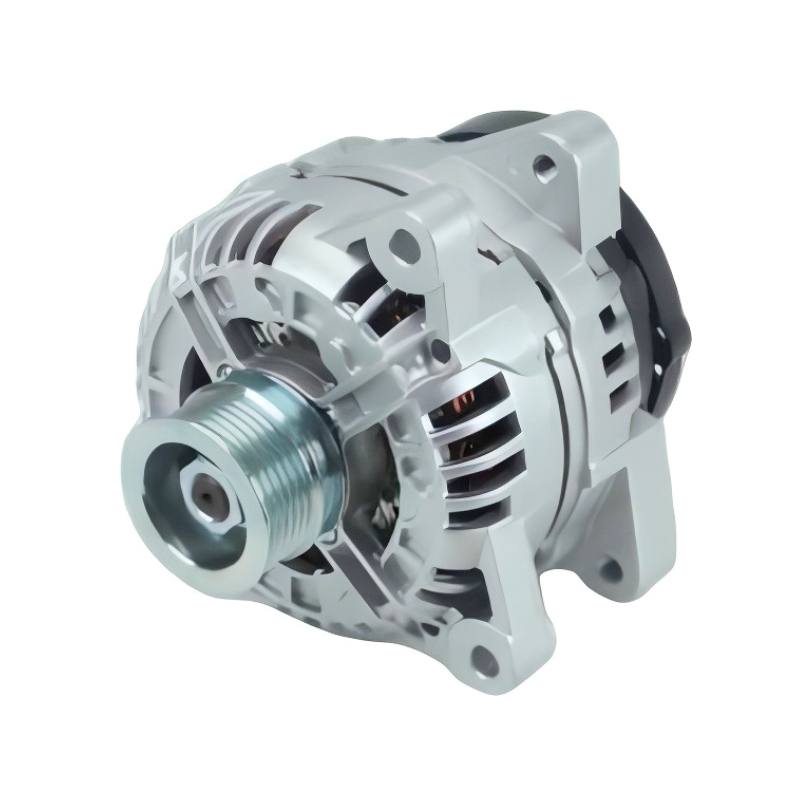
Designed to meet the demanding electrical needs of modern vehicles, the 12V 150A 11064/0124615009 Bosch car alternator for AUDI A4 1.6L, 1.8L, 2.0L is a trusted solution for AUDI A4 owners. Boasting a...
See Details

Get A Quote
Heavy Duty Truck Alternator: Selection, Performance, Maintenance, and Replacement Guide
Feb 23, 2026
Content
Role of a Heavy Duty Truck Alternator in Commercial Vehicles
A heavy duty truck alternator is responsible for generating electrical power while the engine is running and maintaining battery charge under demanding operating conditions. Unlike passenger vehicles, commercial trucks rely on higher electrical loads to support lighting systems, HVAC units, refrigeration trailers, telematics, lift gates, and auxiliary equipment.
The alternator converts mechanical energy from the engine via a belt-driven pulley into electrical energy. This energy powers onboard systems and recharges multiple high-capacity batteries. A properly functioning alternator ensures voltage stability across long-haul operations and prevents unexpected downtime.
Core Components of a Heavy Duty Alternator
- High-output stator windings for increased amperage
- Heavy-duty rotor assembly
- Integrated or external voltage regulator
- Durable rectifier and diode pack
- Reinforced cooling system for heat dissipation
Output Ratings and Electrical Load Requirements
Heavy duty truck alternators typically range from 160 amps to over 300 amps depending on application. Selecting the correct output rating requires calculating total electrical demand, including continuous loads and peak startup loads from accessories such as refrigeration compressors or hydraulic systems.
Insufficient alternator capacity can lead to undercharged batteries, voltage drops, and premature component failure. Conversely, selecting an alternator with appropriate reserve capacity ensures reliable system operation even under idle conditions or extreme weather environments.
Typical Alternator Output Comparison
| Amperage Rating | Application Type | Recommended Use |
| 160–200A | Standard long-haul trucks | Basic electrical systems |
| 200–250A | Fleet vehicles with accessories | Moderate auxiliary loads |
| 250A+ | Refrigerated or specialty trucks | High-demand equipment |
Common Failure Symptoms and Causes
Heavy duty truck alternators operate under high thermal and vibration stress, making wear inevitable over time. Common failure indicators include dim lights, warning dashboard indicators, weak battery performance, unusual noise from bearings, and fluctuating voltage readings.
Frequent causes of failure include worn brushes, damaged diodes, faulty voltage regulators, belt slippage, and overheating due to inadequate cooling. In fleet operations, preventive inspection schedules significantly reduce roadside breakdown risks.
Warning Signs to Monitor
- Battery warning light remains illuminated
- Voltage below 13.5V during operation
- Grinding or whining noise from alternator housing
- Frequent battery replacements
Diagnostic Procedures for Accurate Evaluation
Proper diagnosis of a heavy duty truck alternator begins with voltage testing using a multimeter. With the engine running, voltage at the battery terminals should typically measure between 13.8V and 14.5V. Load testing verifies alternator performance under operational stress.
Advanced diagnostics may involve ripple voltage testing to detect diode failure, belt tension inspection, and checking wiring connections for corrosion or loose terminals. For fleet maintenance operations, periodic system scans can identify irregular charging patterns early.
Installation and Replacement Best Practices
When replacing a heavy duty truck alternator, compatibility with engine configuration and mounting brackets is essential. Always disconnect batteries before removal to prevent electrical shorts. Inspect belts, pulleys, and wiring harnesses during installation to ensure optimal performance.
Torque specifications should follow manufacturer guidelines to avoid mounting stress. After installation, perform a charging system test to confirm proper voltage regulation and stable output under load conditions.
Replacement Checklist
- Verify correct amperage rating
- Inspect drive belt condition
- Clean and secure electrical connections
- Test charging voltage after installation
Preventive Maintenance for Extended Service Life
Routine inspection extends alternator lifespan and reduces operational downtime. Regularly check belt tension, monitor voltage output, and ensure cooling vents remain free of debris. In high-load applications, consider upgrading to high-efficiency alternators with improved thermal management systems.
Implementing preventive maintenance schedules within fleet management programs ensures consistent electrical performance and supports overall vehicle reliability during long-haul operations.
Related products
-
-
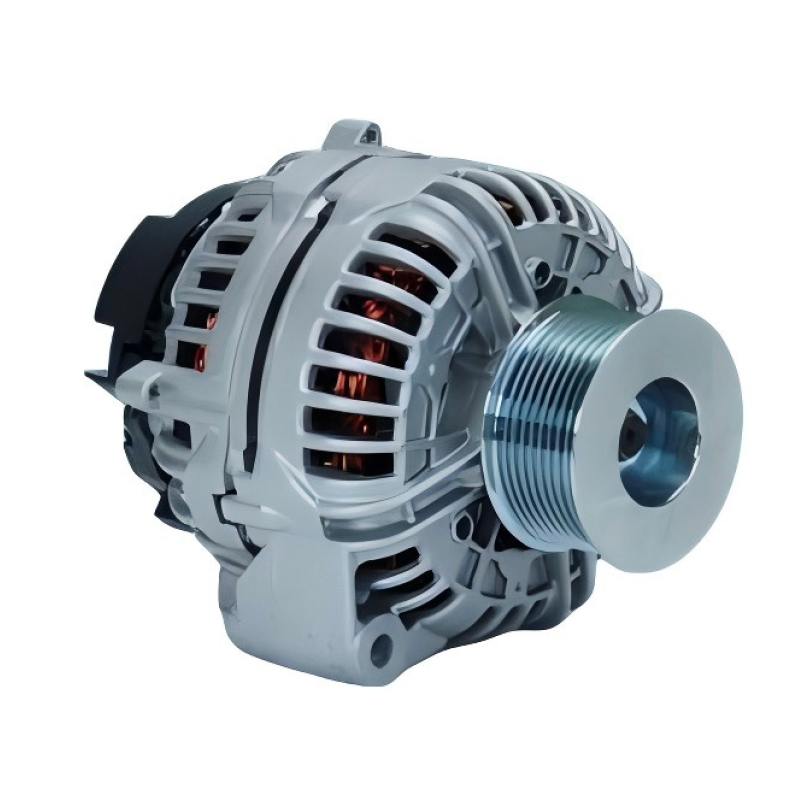
When it comes to keeping your JOHN DEERE 2007-2009 model running smoothly, a reliable alternator is non-negotiable—and the 12V 200A 12796/0124625030 Bosch car alternator for JOHN DEERE 2007-2009 is en...
See Details -
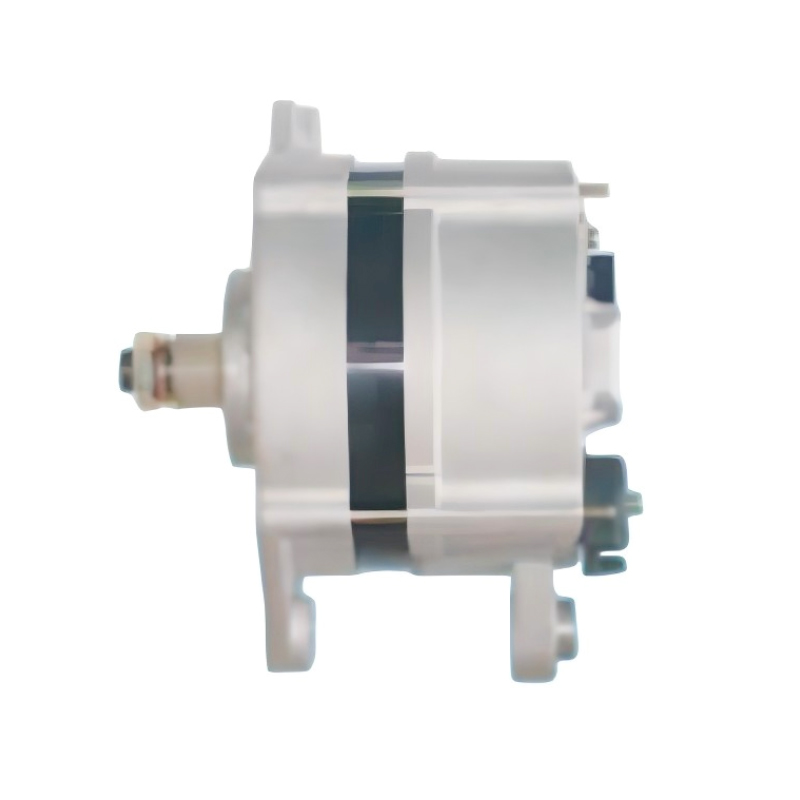
The 24V 55A 12135/0120469978 Bosch car alternator for IVECO EuroCargo EuroTrakker 100E15 90E37 is a reliable power solution specifically engineered for the IVECO EuroCargo EuroTrakker 100E15 90E37 eng...
See Details -
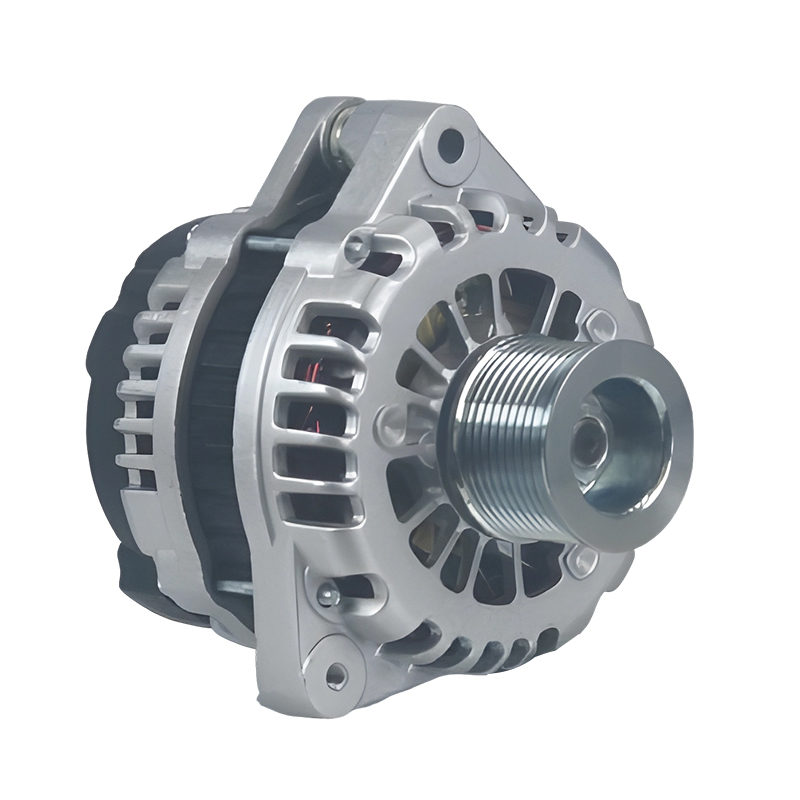
A reliable power solution for commercial and passenger vehicles, the 24V 90A 20289N/0123520500 Bosch car alternator for Hongyan,Genlyon,Saic,lveco,Howo,Weicha is engineered to deliver consistent perfo...
See Details -
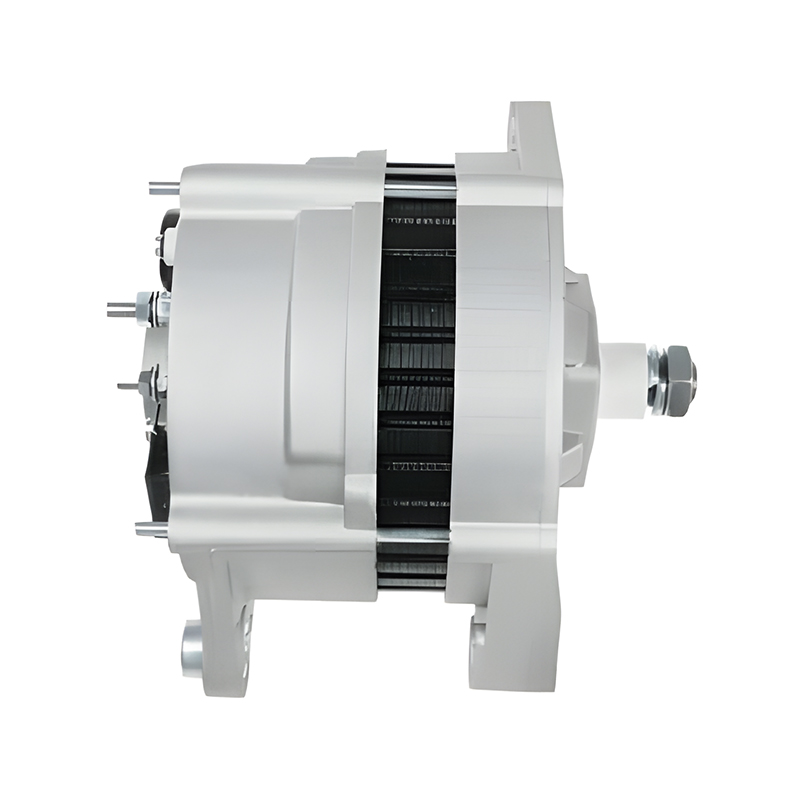
Designed as a reliable power solution for the IVECO 100 E15 engine series, the 24V 80A 12709/0120468116 Bosch car alternator for IVECO 100 E15 combines precision engineering with durable performance t...
See Details -
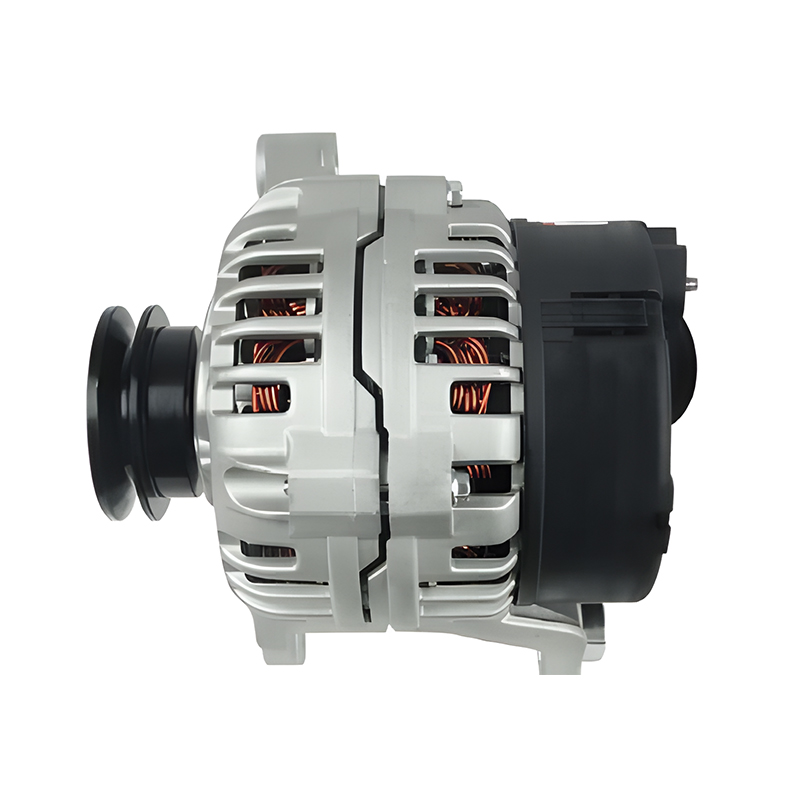
The 12V 90A 0123315503/112406 Bosch car alternator for IV ECO DAIY is a high-quality replacement part specifically designed for the IV ECO DAIY engine series, offering reliable performance to meet the...
See Details

Contact Information
-
Production Plant:No.19, West Taihu Avenue, Wujin District, Changzhou City, Jiangsu Province, China
-
Email:
-
Phone:+86 157 2060 1523
-
TEL:+86-519 8639 0626
Copyright © 2025 Changzhou Hancheng Auto Parts Co., Ltd. All Rights Reserved.
PrivacyAutomotive Alternators Manufacturers High Output Car Alternator Factory
