


 中文简体
中文简体 Español
 Français
The 24V 55A 12135/0120469978 Bosch car alternator for IVECO EuroCargo EuroTrakker 100E15 90E37 is a reliable power solution specifically engineered for the IVECO EuroCargo EuroTrakker 100E15 90E37 eng...
See Details

Get A Quote
What Are the Real Consequences of a Failing or Poor-Quality Car Alternator?
Apr 14, 2026
Content
The Alternator's Role in the Modern Vehicle Electrical System
The car alternator is the electrical heart of a running vehicle. While the battery provides the initial current to start the engine, it is the alternator that sustains every electrical system during operation — from the engine management unit and fuel injection system to the climate control, infotainment, power steering, ABS, and increasingly, the advanced driver assistance systems that modern vehicles depend on for safety. Understanding this scope makes it clear that the alternator is not a peripheral component but a central enabling device for virtually everything a vehicle does while in motion.
A car alternator operates on the principle of electromagnetic induction: the engine drives a rotor inside a stator winding via a belt connected to the crankshaft, generating alternating current (AC) that an internal rectifier assembly converts to the direct current (DC) required by the vehicle's 12V or 14V electrical architecture. The voltage regulator — either internal or externally mounted — maintains output within the 13.5–14.8V range that ensures battery charging while protecting sensitive electronics from overvoltage damage.
Modern vehicles demand far more from their alternators than vehicles of previous decades. The proliferation of electronic systems, comfort features, and safety equipment has pushed average electrical demand in mid-range passenger vehicles to 1,200–2,000 watts during normal operation, with peak demands during cold-start and high-load conditions exceeding 3,000 watts in some configurations. A good alternator must meet this demand reliably across a wide temperature range and over a service life of 100,000 miles or more.
What a Failing Alternator Does to Your Vehicle
Alternator failure rarely announces itself dramatically — it typically degrades progressively, creating a widening gap between electrical supply and demand that produces increasingly severe symptoms before the vehicle finally loses power entirely. Recognizing these symptoms and understanding their cause is the first step toward appreciating what a quality alternator genuinely protects against.
Early-stage alternator degradation typically manifests as:
- Dimming or flickering headlights, particularly at idle when alternator output is at its lowest
- Slow or labored engine cranking after short trips, indicating the battery is not being fully recharged
- Warning lights on the dashboard — typically the battery warning or a generic electrical fault indicator
- Erratic behavior from electronic accessories such as the radio, power windows, or climate control
- A faint whining or grinding noise from the alternator pulley, indicating bearing wear or rotor contact
As the condition worsens, the vehicle management system may begin selectively shutting down non-critical electrical consumers to preserve power for core engine functions — a strategy known as load shedding. Heated seats, rear window defrosters, and infotainment systems may cut out before the engine itself is affected. In vehicles with electrically assisted power steering or electronic throttle control, alternator failure can create steering resistance increases and throttle response anomalies that directly affect driver safety.
The final stage of alternator failure leaves the vehicle running exclusively on battery reserve — a supply that, under full electrical load, is typically depleted within 20 to 45 minutes of driving. When battery voltage drops below the threshold required by the engine management system, the engine stops. In highway or traffic conditions, this is a serious safety event.

What Separates a Good Alternator from a Poor One
The automotive aftermarket contains a wide spectrum of alternator quality, from OEM-specification units built to original equipment standards down to budget remanufactured or low-cost new units that cut corners on materials, tolerances, and testing. The performance gap between these categories is substantial and directly translates into differences in vehicle reliability, electrical system stability, and total cost of ownership.
Winding and Stator Quality
The stator winding uses copper wire insulated by enamel coating. Lower-quality units sometimes substitute aluminum winding wire, which has approximately 60% of the conductivity of copper, reducing output current capacity and thermal efficiency. Inadequate enamel insulation thickness increases the risk of inter-winding short circuits under high-temperature conditions — a failure mode that destroys the alternator rapidly and without warning.
Rectifier Diode Assembly
The rectifier converts AC to DC through a bridge of six or more diodes. Diode quality determines both conversion efficiency and failure resistance under voltage spikes generated by load switching in the vehicle's electrical system. Premium alternators use diodes rated for higher peak inverse voltage — typically 50V or above — providing a safety margin against transient spikes that budget units with lower-rated diodes cannot absorb without damage.
Voltage Regulator Precision
A precisely calibrated voltage regulator keeps output within a tight window around 14.4V at operating temperature. Budget alternators often have wider regulation tolerances — some allowing output to reach 15V or above under light load conditions. At these elevated voltages, battery electrolyte is lost through gassing, battery life is shortened, and sensitive vehicle electronics designed for a 12V nominal system are subjected to chronic overvoltage stress that accelerates component aging.
Bearing Grade and Lubrication
The alternator rotor spins at two to three times engine RPM throughout its service life. Bearing quality determines how long the alternator operates without noise and without the rotor shaft movement that eventually causes brush and slip ring wear. Industrial-grade sealed bearings with appropriate lubricant fill life are the standard in quality units; remanufactured budget alternators frequently reuse original bearings or install low-grade replacements that begin generating noise within 20,000–30,000 miles of installation.
Key Performance Specifications to Evaluate
When selecting a replacement alternator, the following specifications determine whether a unit is truly suitable for the vehicle's electrical demands:
| Specification | What to Look For | Why It Matters |
|---|---|---|
| Rated Output Current (Amps) | Match or exceed OEM specification | Ensures adequate supply under full electrical load |
| Idle Output Current | ≥ 50% of rated output at 800 RPM | Prevents battery drain during city/stop-go driving |
| Output Voltage Range | 13.5–14.8V across operating temperature | Protects battery and electronics from under/overvoltage |
| Temperature Rating | Rated to ≥ 150°C ambient | Ensures reliability in hot underhood environments |
| Warranty Period | Minimum 2 years / 50,000 miles | Reflects manufacturer's confidence in build quality |
The True Cost of Compromising on Alternator Quality
The initial price difference between a budget replacement alternator and an OEM-quality unit typically ranges from $40 to $150 depending on vehicle type and application. Against this saving, the true cost equation must include the probability of premature failure, the labor cost of a second replacement (typically $80–$200 for alternator replacement labor), the cost of battery damage from improper voltage regulation, and the potential cost of ECU or sensor damage from voltage spikes that a poorly designed rectifier fails to suppress.
For commercial and fleet vehicles, the cost calculation extends further to include downtime cost per hour — a figure that can easily reach $500–$2,000 per vehicle per day in logistics operations. An alternator failure that strands a delivery vehicle mid-route does not merely cost the price of the part; it costs route disruption, emergency call-out labor, towing charges, and potentially contractual penalty exposure for missed delivery windows.
A good alternator is one of the highest-return investments in vehicle reliability. Specified correctly, installed properly, and sourced from a reputable manufacturer, it operates invisibly for the life of the vehicle — which is precisely the role it was designed to play. The vehicles and fleets that experience the least electrical trouble are almost invariably those that never compromised on this component.
Related products
-
-
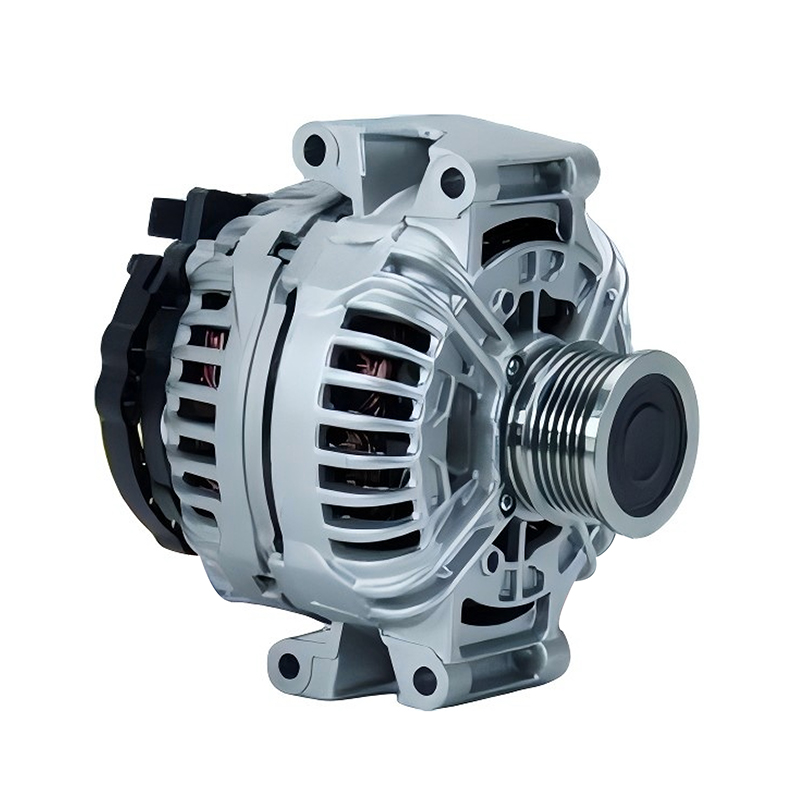
Designed to meet the demanding electrical needs of modern vehicles, the 12V 150A 11064/0124615009 Bosch car alternator for AUDI A4 1.6L, 1.8L, 2.0L is a trusted solution for AUDI A4 owners. Boasting a...
See Details -
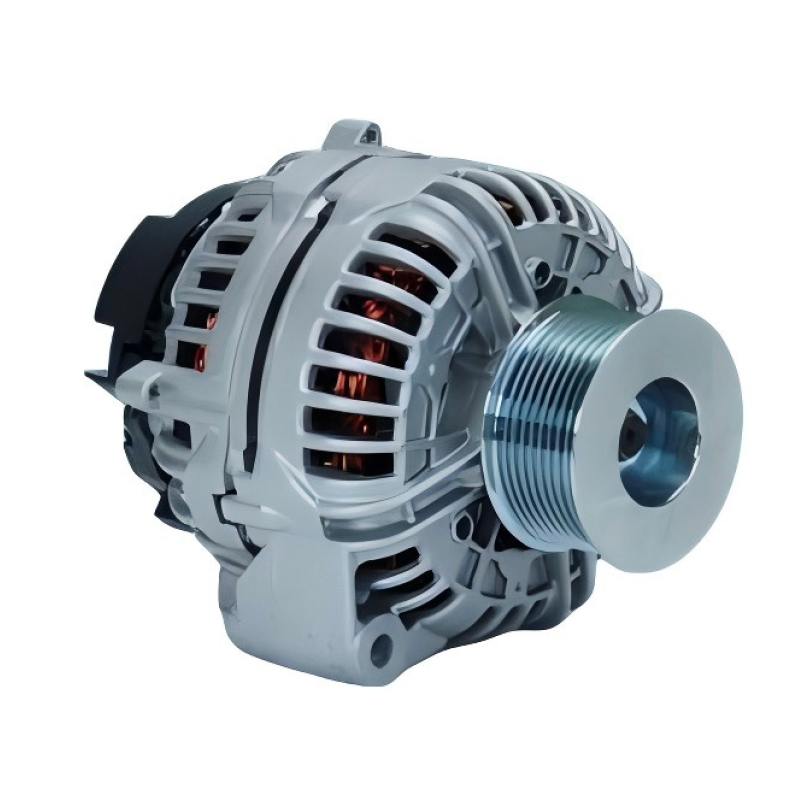
When it comes to keeping your JOHN DEERE 2007-2009 model running smoothly, a reliable alternator is non-negotiable—and the 12V 200A 12796/0124625030 Bosch car alternator for JOHN DEERE 2007-2009 is en...
See Details -
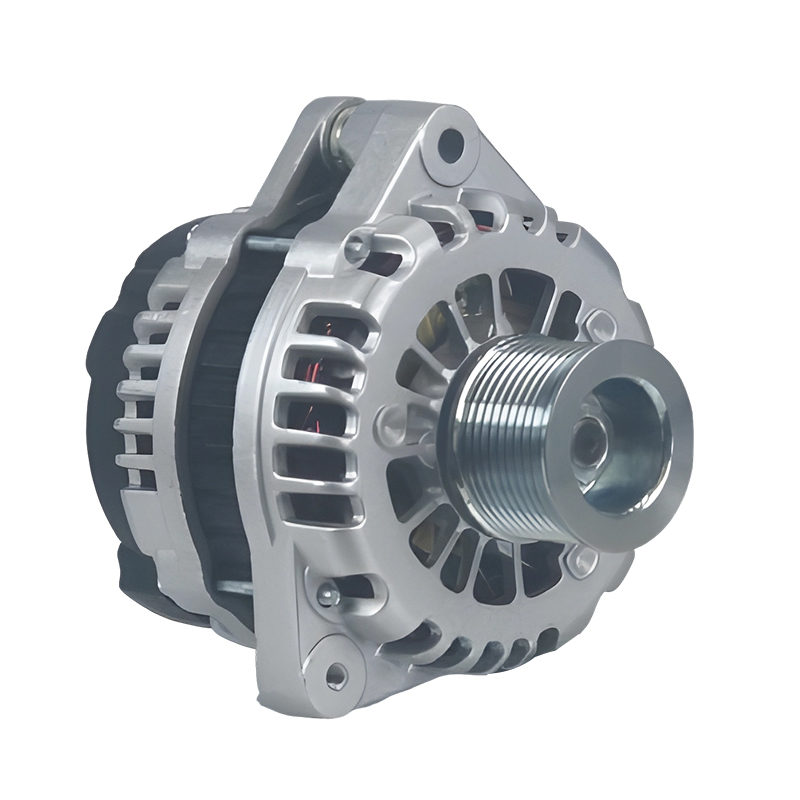
A reliable power solution for commercial and passenger vehicles, the 24V 90A 20289N/0123520500 Bosch car alternator for Hongyan,Genlyon,Saic,lveco,Howo,Weicha is engineered to deliver consistent perfo...
See Details -
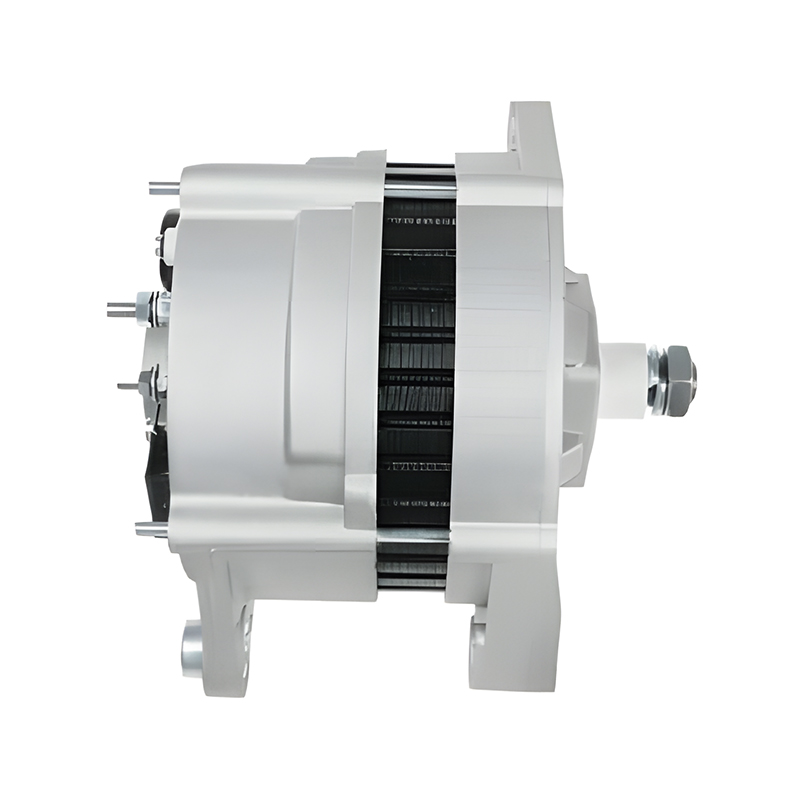
Designed as a reliable power solution for the IVECO 100 E15 engine series, the 24V 80A 12709/0120468116 Bosch car alternator for IVECO 100 E15 combines precision engineering with durable performance t...
See Details -
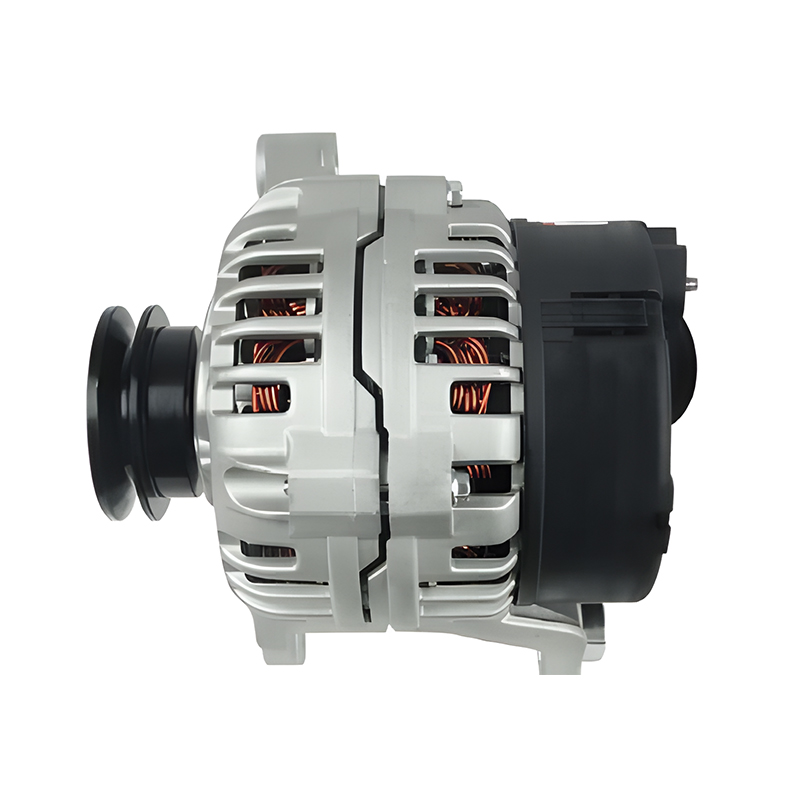
The 12V 90A 0123315503/112406 Bosch car alternator for IV ECO DAIY is a high-quality replacement part specifically designed for the IV ECO DAIY engine series, offering reliable performance to meet the...
See Details

Contact Information
-
Production Plant:No.19, West Taihu Avenue, Wujin District, Changzhou City, Jiangsu Province, China
-
Email:
-
Phone:+86 157 2060 1523
-
TEL:+86-519 8639 0626
Copyright © 2025 Changzhou Hancheng Auto Parts Co., Ltd. All Rights Reserved.
PrivacyAutomotive Alternators Manufacturers High Output Car Alternator Factory
