


 中文简体
中文简体 Español
 Français
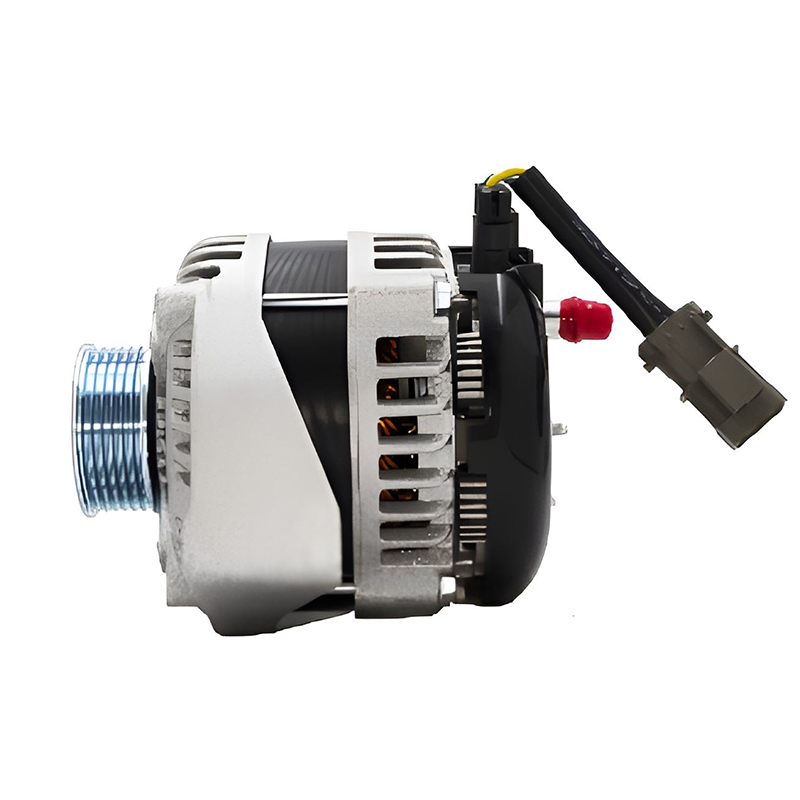
The 12V 250A 1042106860/22949466 DENSO car alternator for Chevrolet Truck Silverado 1500 V6 4.3L is a precision-engineered replacement part specifically designed for the Chevrolet Truck Silverado 1500...
See Details

Get A Quote
Understanding Heavy Duty Truck Alternators: Function and Importance
Dec 11, 2025
Content
- 1 What is a Heavy Duty Truck Alternator?
- 2 How Heavy Duty Truck Alternators Work
- 3 Key Components of a Heavy Duty Truck Alternator
- 4 Signs of a Faulty Alternator in Heavy Duty Trucks
- 5 Common Problems and Causes of Alternator Failure
- 6 How to Maintain and Extend the Life of a Heavy Duty Truck Alternator
- 7 When to Replace a Heavy Duty Truck Alternator
- 8 Conclusion
What is a Heavy Duty Truck Alternator?
A heavy-duty truck alternator is an essential component of the electrical system in large trucks. It generates electricity to power the truck's systems and recharge the battery while the engine is running. The alternator converts mechanical energy into electrical energy, ensuring that the battery stays charged and the vehicle's electrical components operate smoothly. Unlike smaller vehicles, heavy-duty trucks require more robust alternators due to the greater energy demand from various electrical systems, such as lights, HVAC, and onboard diagnostics.
How Heavy Duty Truck Alternators Work
The alternator is driven by the engine's crankshaft via a belt. As the engine runs, the alternator’s rotor spins inside the stator, generating alternating current (AC). This AC is then converted into direct current (DC) by the rectifier, which is essential for charging the truck's 12-volt or 24-volt electrical system. The alternator typically includes a voltage regulator that maintains a steady voltage to prevent overcharging or undercharging of the battery.
Key Components of a Heavy Duty Truck Alternator
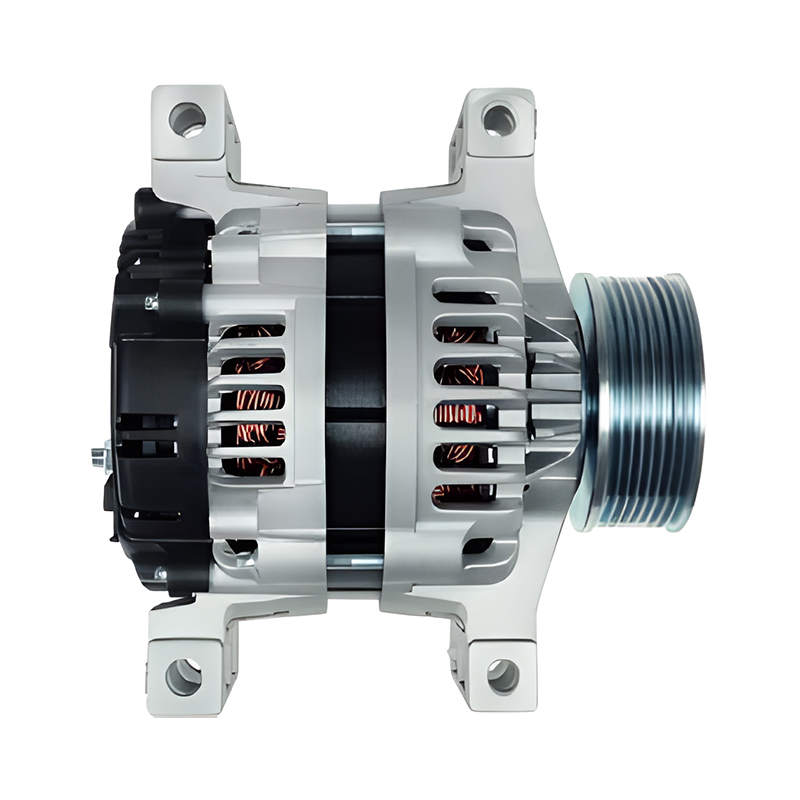
A heavy-duty truck alternator is composed of several critical components, each playing a role in the efficiency and performance of the alternator:
- Rotor: The rotating part of the alternator that generates a magnetic field.
- Stator: The stationary part that receives the magnetic field and produces electrical current.
- Rectifier: Converts AC to DC current to charge the truck's battery and power electrical systems.
- Voltage Regulator: Ensures that the alternator produces a consistent voltage to prevent electrical damage.
- Brushes: Help transmit electrical current to the rotor while it spins.
Signs of a Faulty Alternator in Heavy Duty Trucks
A malfunctioning alternator can lead to a variety of issues with your heavy-duty truck. Common symptoms of a faulty alternator include:
- Dim or flickering headlights.
- Frequent battery failures or difficulty starting the truck.
- Electrical accessories, like the radio or power windows, malfunctioning.
- Warning lights on the dashboard, including the battery or alternator light.
- Burning smell or unusual noises from the alternator area.
Common Problems and Causes of Alternator Failure
Heavy-duty truck alternators can fail due to various reasons. Some of the most common issues include:
- Worn-out Brushes: Over time, the brushes in the alternator wear out, leading to poor contact and inefficient charging.
- Faulty Voltage Regulator: A damaged voltage regulator can cause the alternator to overcharge or undercharge the battery, leading to electrical system issues.
- Corrosion: Corrosion in the electrical connections can cause resistance and disrupt the flow of current.
- Broken Diodes: If the diodes in the rectifier fail, the alternator will be unable to convert AC to DC, causing charging failure.
- Damaged Bearings: Bearings inside the alternator can wear out, causing grinding noises or the alternator to seize up.
How to Maintain and Extend the Life of a Heavy Duty Truck Alternator
Proper maintenance can significantly extend the life of a heavy-duty truck alternator and ensure its optimal performance. Here are some tips:
- Regularly inspect the alternator for any signs of wear, corrosion, or loose connections.
- Check the alternator's voltage output using a multimeter to ensure it's within the recommended range.
- Clean the alternator and its surrounding area to prevent dirt and debris from interfering with its operation.
- Replace worn-out belts promptly to avoid putting additional strain on the alternator.
- Test the battery and charging system regularly to catch early signs of alternator failure.
When to Replace a Heavy Duty Truck Alternator
If an alternator is showing signs of failure and is beyond repair, it’s crucial to replace it as soon as possible to avoid being stranded with an inoperative truck. Key indicators that a replacement is needed include:
- The alternator no longer provides sufficient power to recharge the battery.
- Signs of physical damage, such as cracks in the housing or broken components.
- Frequent and consistent warning lights or electrical malfunctions.
Conclusion
The alternator plays a crucial role in the electrical system of a heavy-duty truck, providing the power necessary to keep the truck running smoothly. Regular maintenance and timely replacement are essential to avoid costly breakdowns. Understanding how your alternator works, recognizing the signs of a malfunction, and knowing when to replace it can help keep your truck on the road and reduce downtime.
Related products
-
-
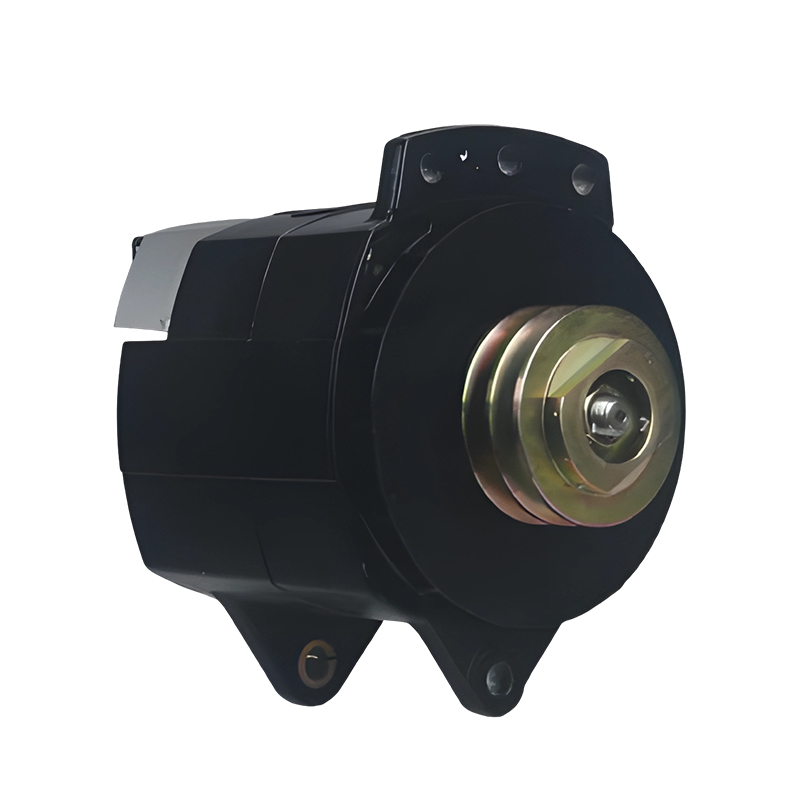
The 24 150A 8SC3160V/1501935 Prestolite car alternator for CATERPILLAR CUMMINS XICHAI-FAWD Trucks is a reliable power solution tailored for CATERPILLAR, CUMMINS, and XICHAI-FAWD Trucks, engineered to ...
See Details -
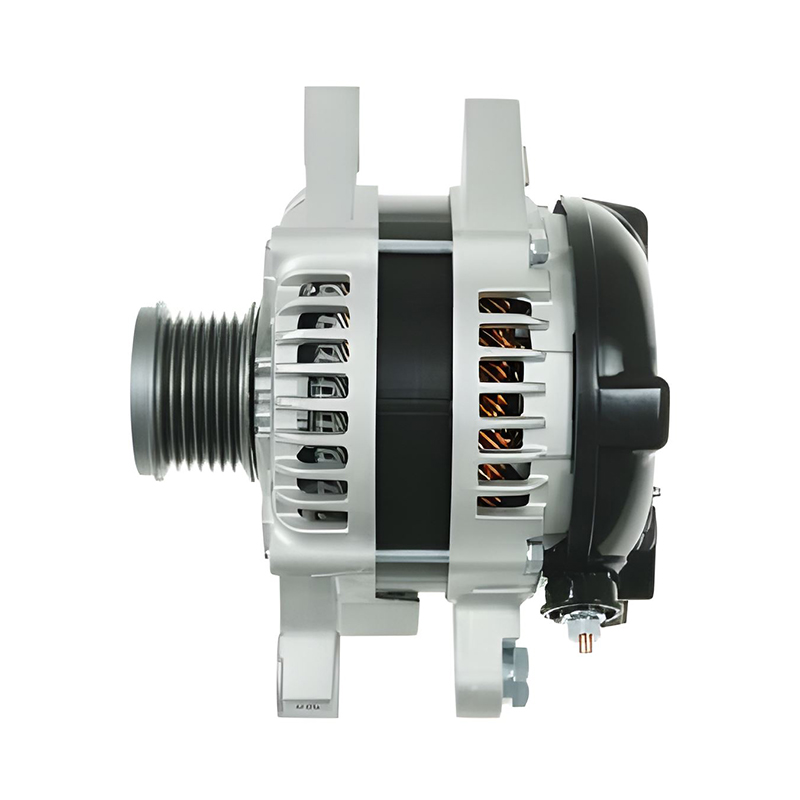
The 12V 80A 11137N/2706031040 DENSO car alternator for TOYOTA Highlander Avalon Venza 3.5 2GRFE is a precision-engineered replacement part designed specifically for TOYOTA Highlander, Avalon, and Venz...
See Details -

Designed as a reliable replacement for the original alternator, the 12V 70A 120488211 Bosch car alternator for FORD ESCORT AND FIESTA 1.4i-MAZDASOHO is engineered to meet the specific electrical deman...
See Details -
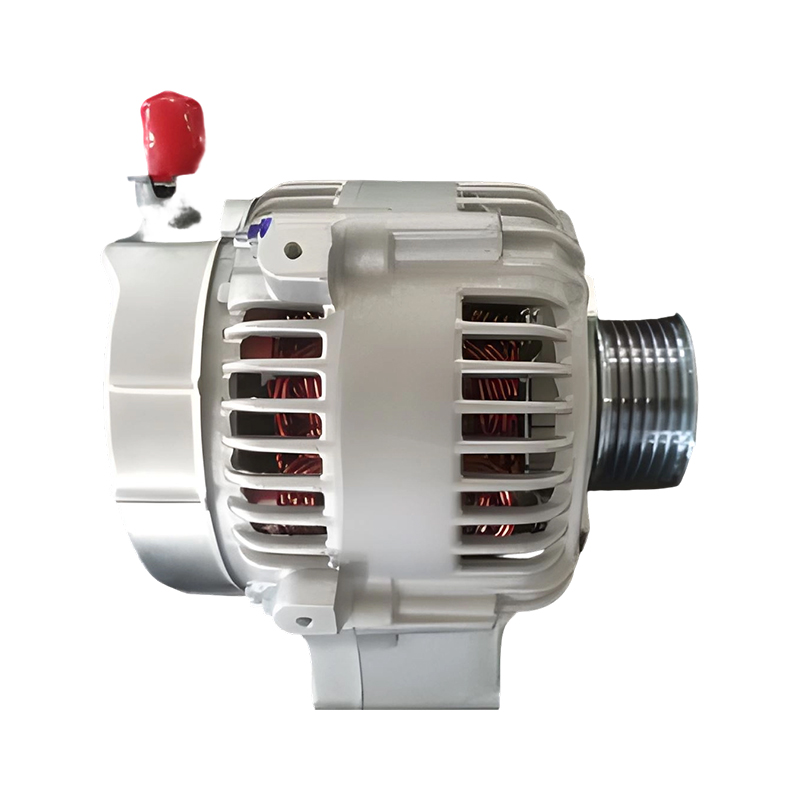
This 12V 120A 270606750/1022110710 DENSO car alternator for TOYOTA LAND CRUISER 3.0L operates at a stable 12V DC and delivers a continuous 120A output, meeting the electrical demands of TOYOTA LAND CR...
See Details -
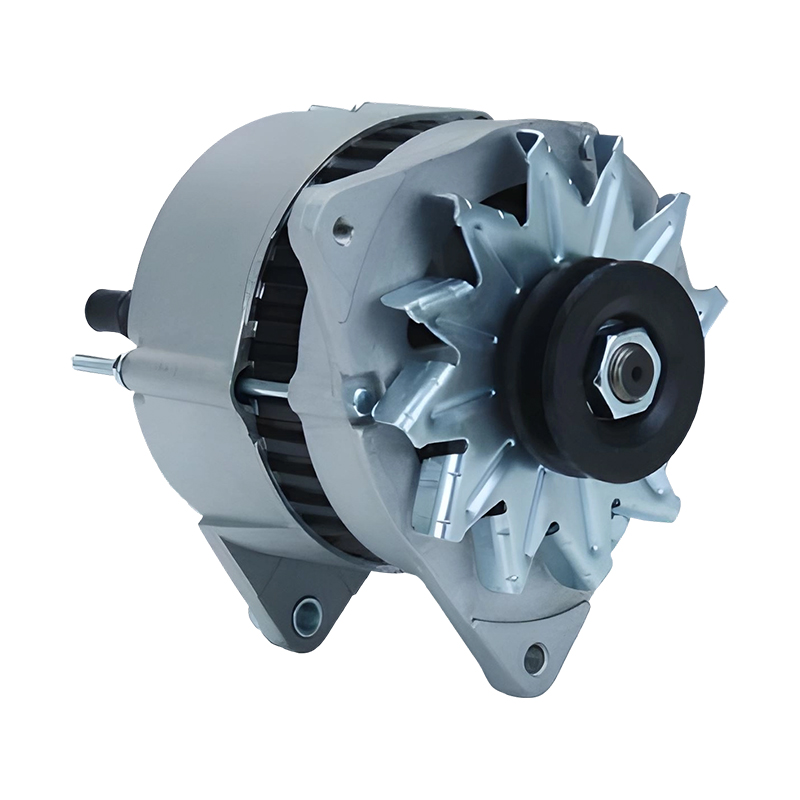
The ZKM84014 automotive alternator operates at a rated voltage of 12V DC system with a continuous output current of 55A, featuring an integrated internal voltage regulator. It is suitable for various ...
See Details

Contact Information
-
Production Plant:No.19, West Taihu Avenue, Wujin District, Changzhou City, Jiangsu Province, China
-
Email:
-
Phone:+86 157 2060 1523
-
TEL:+86-519 8639 0626
Copyright © 2025 Changzhou Hancheng Auto Parts Co., Ltd. All Rights Reserved.
PrivacyAutomotive Alternators Manufacturers High Output Car Alternator Factory
