


 中文简体
中文简体 Español
 Français
The 24V 55A 12135/0120469978 Bosch car alternator for IVECO EuroCargo EuroTrakker 100E15 90E37 is a reliable power solution specifically engineered for the IVECO EuroCargo EuroTrakker 100E15 90E37 eng...
See Details

Get A Quote
Understanding Car Alternators: How They Work & Common Issues
Dec 11, 2025
Content
What Is a Car Alternator?
A car alternator is an essential component of your vehicle’s electrical system. It converts mechanical energy from the engine into electrical energy, which is used to power the car's electrical components and charge the battery. Without a functioning alternator, your car would not be able to maintain power for things like headlights, the radio, and, of course, starting the engine.
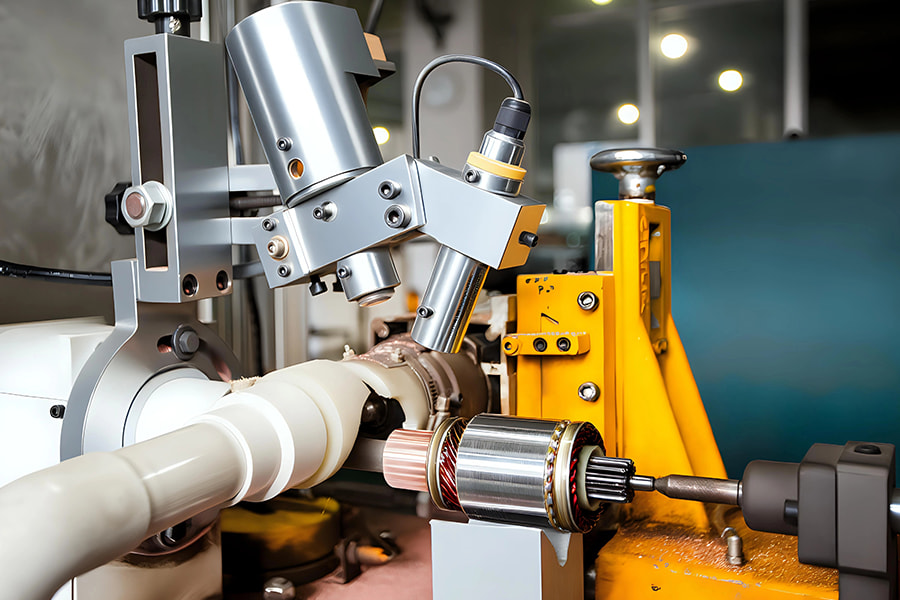
How Does a Car Alternator Work?
The alternator works through the principle of electromagnetic induction. When the engine runs, it drives a belt connected to the alternator’s rotor. As the rotor spins, it generates a magnetic field that passes through a set of copper windings (stator). This movement creates electricity, which is then rectified and stored in the battery or distributed to the car’s electrical system.
Key Components of an Alternator
An alternator has several key components that work together to produce and regulate electrical output:
- Rotor: The rotating part that generates the magnetic field.
- Stator: A set of stationary windings that convert the magnetic field into electrical energy.
- Rectifier: Converts the alternating current (AC) produced by the stator into direct current (DC).
- Voltage Regulator: Controls the voltage produced by the alternator to prevent overcharging or undercharging the battery.
- Fan: Cools the alternator to prevent overheating during operation.
Common Alternator Problems
Alternators are generally reliable, but over time, they can develop issues that affect their performance. Here are some common problems:
1. Failing Voltage Regulator
The voltage regulator controls the alternator's output to ensure the battery receives the right amount of charge. If the regulator fails, the battery may be overcharged or undercharged, leading to electrical issues or a dead battery.
2. Worn-out Bearings
Alternator bearings allow the rotor to spin. Over time, these bearings can wear out, causing a grinding or whining noise. If left unchecked, worn bearings can damage the entire alternator.
3. Faulty Diodes
Diodes in the rectifier convert AC to DC. If one or more diodes fail, the alternator may not charge the battery properly, leading to electrical failures or a complete battery drain.
4. Broken Belt
The alternator is driven by a serpentine belt. If this belt snaps or becomes loose, the alternator will stop working, and the vehicle's electrical system will rely solely on the battery.
Signs of a Bad Alternator
If your automotive alternator is failing, you'll likely notice some symptoms. Here are some common signs that your alternator may be on its way out:
- Dim or flickering headlights.
- Battery warning light on the dashboard.
- Electrical accessories (like the radio or power windows) malfunctioning.
- Grinding or whining noise coming from the engine.
- Difficulty starting the car, or the car stalling while driving.
How to Maintain Your Car Alternator
Regular maintenance can help extend the life of your alternator and prevent issues before they arise. Here are a few tips:
- Check the alternator belt regularly for signs of wear or cracking.
- Clean the alternator terminals to prevent corrosion.
- Inspect the alternator for any signs of physical damage or loose connections.
- Ensure that the battery is in good condition, as a weak battery can strain the alternator.
Alternator Repair vs. Replacement
If your alternator is malfunctioning, you may wonder whether it's better to repair it or replace it entirely. The decision often depends on the severity of the issue and the cost of repair. In general, if the alternator is relatively new and only has minor issues, a repair may be sufficient. However, if the alternator is old or has major damage, replacement is often the better option.
Cost Comparison
The cost of replacing an alternator can vary widely depending on the make and model of the vehicle. Here’s a rough estimate:
| Repair | Replacement |
| $100 - $300 | $300 - $800 |
Conclusion
The alternator plays a vital role in your vehicle’s electrical system, ensuring that the battery is charged and all electrical components operate correctly. Understanding how it works, recognizing the signs of a failing alternator, and maintaining it properly can save you from costly repairs and help keep your vehicle running smoothly. If you suspect an issue with your alternator, it’s always a good idea to consult a professional mechanic to assess and address the problem promptly.
Related products
-
-
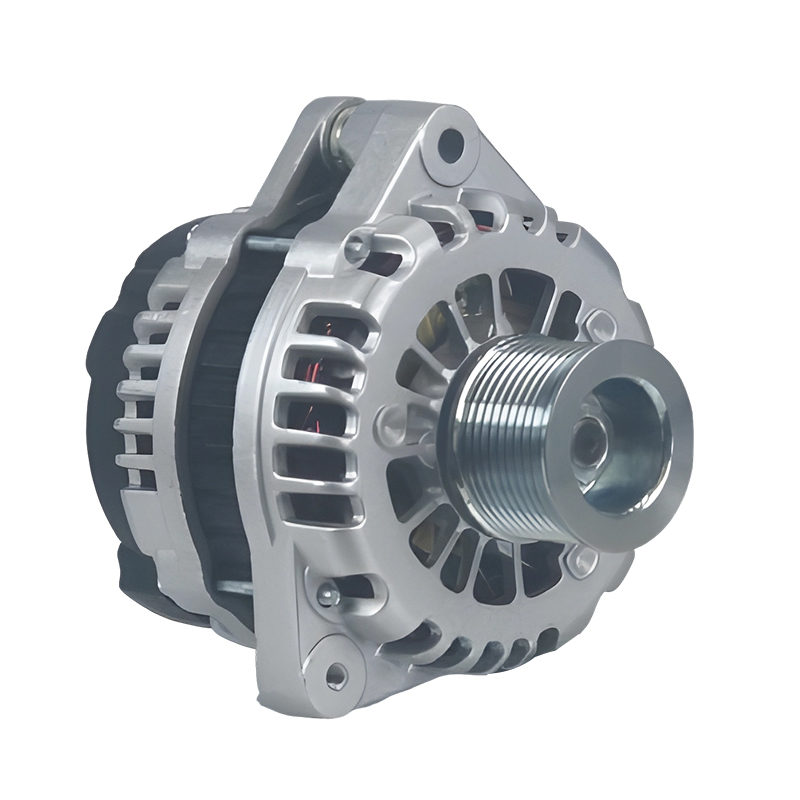
A reliable power solution for commercial and passenger vehicles, the 24V 90A 20289N/0123520500 Bosch car alternator for Hongyan,Genlyon,Saic,lveco,Howo,Weicha is engineered to deliver consistent perfo...
See Details -
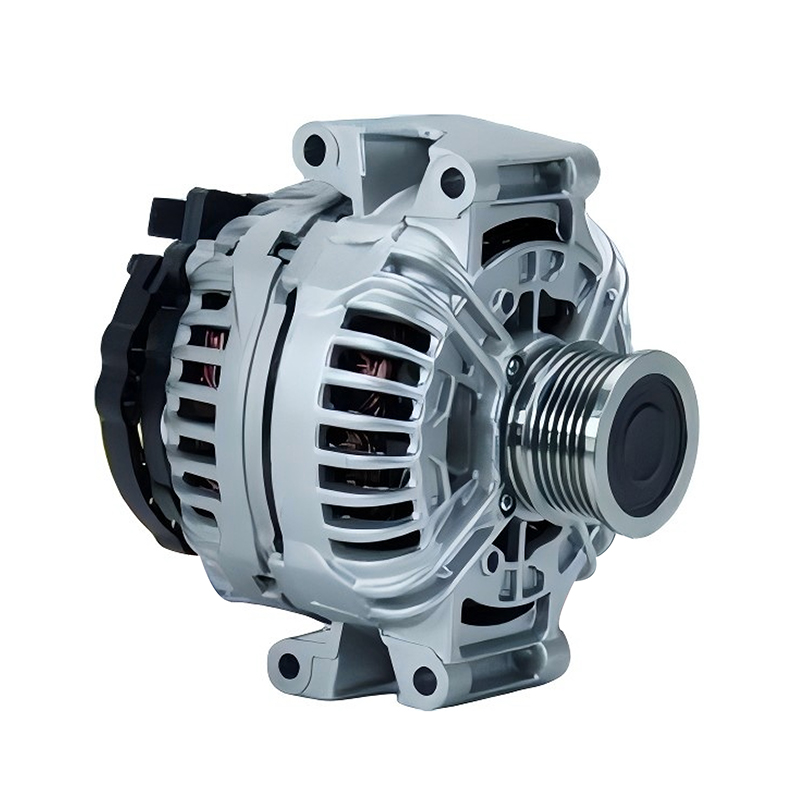
Designed to meet the demanding electrical needs of modern vehicles, the 12V 150A 11064/0124615009 Bosch car alternator for AUDI A4 1.6L, 1.8L, 2.0L is a trusted solution for AUDI A4 owners. Boasting a...
See Details -
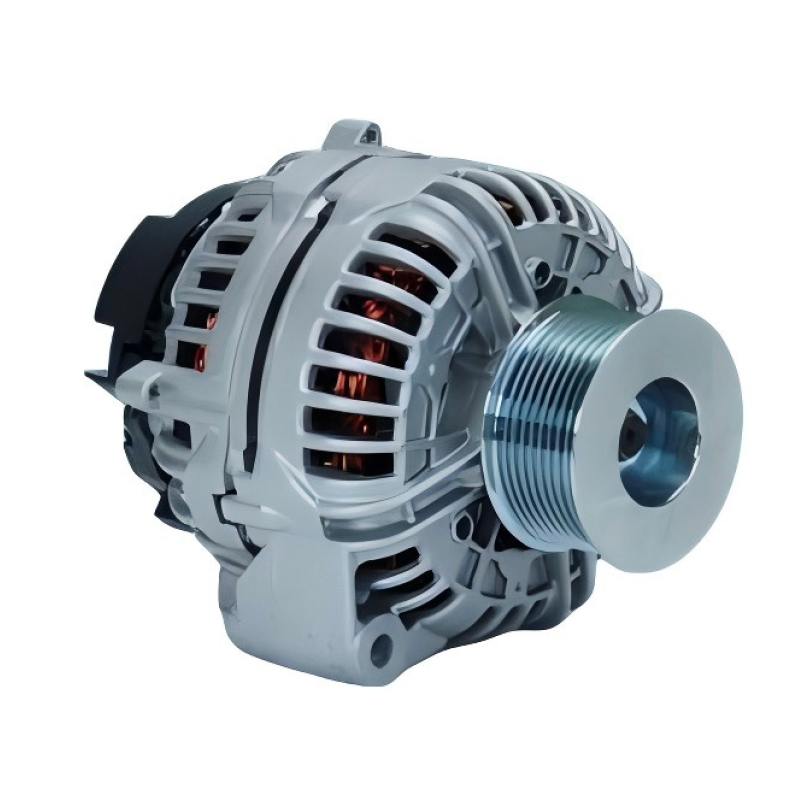
When it comes to keeping your JOHN DEERE 2007-2009 model running smoothly, a reliable alternator is non-negotiable—and the 12V 200A 12796/0124625030 Bosch car alternator for JOHN DEERE 2007-2009 is en...
See Details -
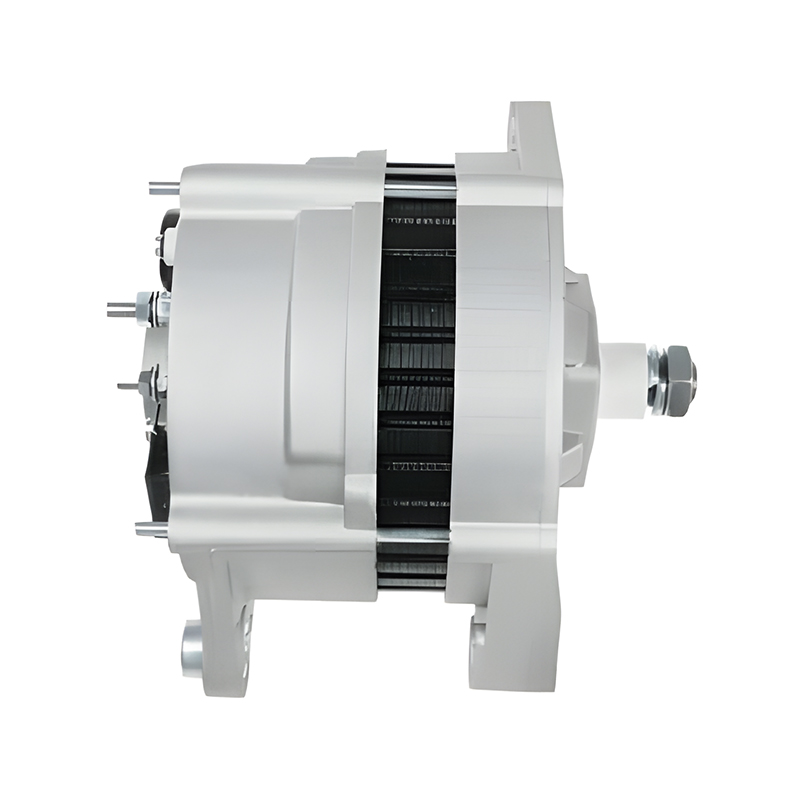
Designed as a reliable power solution for the IVECO 100 E15 engine series, the 24V 80A 12709/0120468116 Bosch car alternator for IVECO 100 E15 combines precision engineering with durable performance t...
See Details -
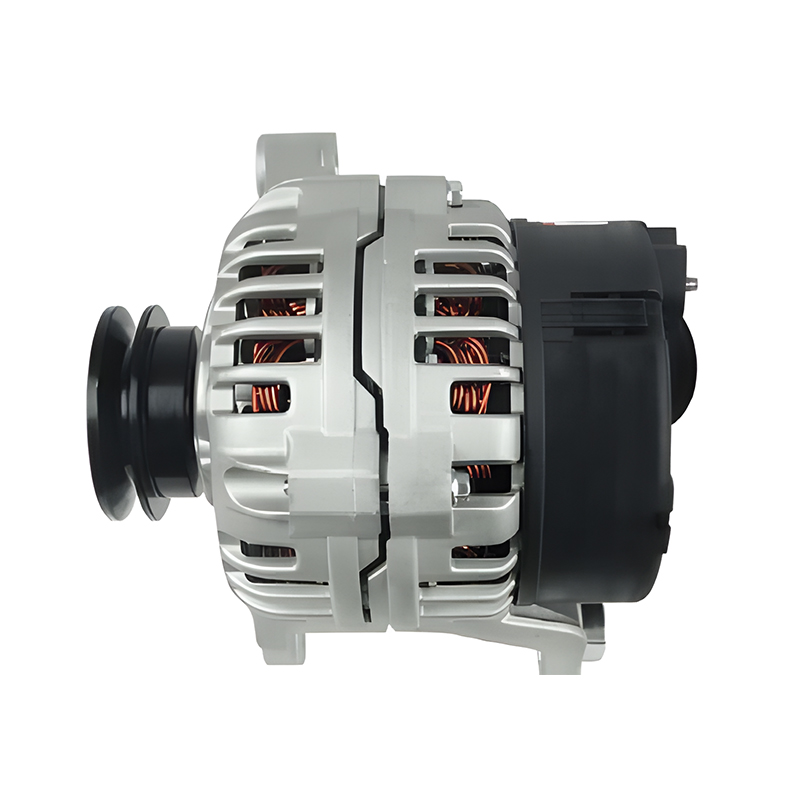
The 12V 90A 0123315503/112406 Bosch car alternator for IV ECO DAIY is a high-quality replacement part specifically designed for the IV ECO DAIY engine series, offering reliable performance to meet the...
See Details

Contact Information
-
Production Plant:No.19, West Taihu Avenue, Wujin District, Changzhou City, Jiangsu Province, China
-
Email:
-
Phone:+86 157 2060 1523
-
TEL:+86-519 8639 0626
Copyright © 2025 Changzhou Hancheng Auto Parts Co., Ltd. All Rights Reserved.
PrivacyAutomotive Alternators Manufacturers High Output Car Alternator Factory
