


 中文简体
中文简体 Español
 Français
The 24V 55A 12135/0120469978 Bosch car alternator for IVECO EuroCargo EuroTrakker 100E15 90E37 is a reliable power solution specifically engineered for the IVECO EuroCargo EuroTrakker 100E15 90E37 eng...
See Details

Get A Quote
How Do You Maintain a DENSO Car Alternator for Long-Term Reliability?
May 11, 2026
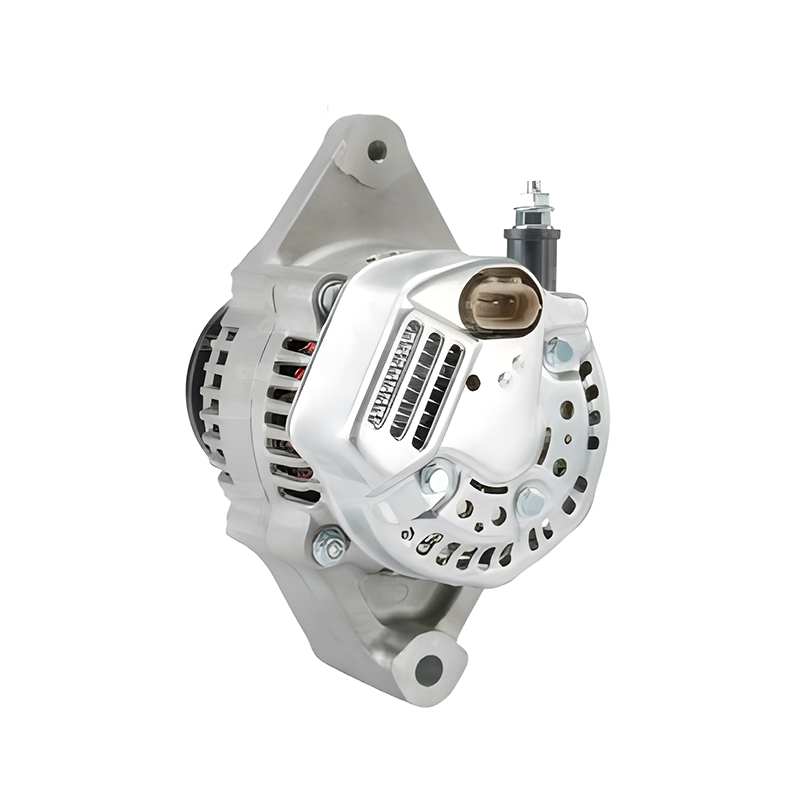
DENSO car alternators are widely respected for their efficiency, durability, and OEM-level engineering quality. As one of the world's leading automotive component manufacturers, DENSO supplies alternators to many major vehicle brands, including Toyota, Honda, Ford, and General Motors. Even though DENSO alternators are built to perform reliably for many years, regular maintenance is still essential to maximize charging efficiency and prevent unexpected breakdowns.
The alternator is responsible for generating electricity while the engine runs. It powers the vehicle's electrical systems and recharges the battery. When an alternator begins to wear, symptoms may include dim headlights, a weak battery, dashboard warning lights, and poor engine performance. Proper care can help you detect minor issues before they turn into costly repairs.
This guide explains how to maintain DENSO car alternators, what signs to watch for, and which practices can help extend service life.
Content
- 1 Why DENSO Alternators Are Highly Regarded
- 2 How a DENSO Alternator Works
- 3 Common Causes of Alternator Wear
- 4 Routine Maintenance Checklist
- 5 Inspecting the Serpentine Belt
- 6 Keeping Electrical Connections Clean
- 7 Testing Alternator Output
- 8 Recognizing Early Warning Signs
- 9 Protecting the Alternator from Contamination
- 10 Battery Health and Alternator Stress
- 11 When to Replace a DENSO Alternator
- 12 Final Thoughts
Why DENSO Alternators Are Highly Regarded
DENSO alternators are designed to meet strict original equipment standards. They are known for precise voltage regulation, efficient cooling, and durable internal components such as bearings, brushes, and rectifiers.
Compared with many low-cost aftermarket alternatives, genuine DENSO units offer:
- Consistent charging voltage.
- Superior heat resistance.
- Long-lasting bearings and brushes.
- Excellent compatibility with OEM electronics.
- Lower risk of charging system failures.
Proper maintenance ensures these advantages are preserved over time.
How a DENSO Alternator Works
The alternator converts mechanical energy from the engine into electrical energy. The serpentine belt spins the alternator pulley, rotating the rotor inside a stationary stator. This motion generates alternating current, which is then converted to direct current by the rectifier. The internal voltage regulator controls output to maintain a stable charging voltage, typically between 13.8 and 14.7 volts.
Because this process depends on moving parts and electrical components, regular inspection helps prevent wear-related failures.
Common Causes of Alternator Wear
Even premium DENSO alternators are affected by environmental and mechanical factors.
- High under-hood temperatures.
- Oil or coolant contamination.
- Loose or worn belts.
- Corroded battery terminals.
- Frequent short trips with heavy electrical loads.
- Weak batteries that force the alternator to work harder.
Routine Maintenance Checklist
| Maintenance Task | Recommended Interval | Purpose |
| Inspect drive belt | Every 10,000 miles | Prevent slipping and low output |
| Clean terminals | Every 6 months | Reduce resistance |
| Test charging voltage | Every 12 months | Verify regulator performance |
| Check for unusual noises | Monthly | Detect bearing wear |
| Inspect wiring connections | Every oil change | Ensure secure electrical flow |
Inspecting the Serpentine Belt
The alternator depends on the serpentine belt to spin at the correct speed. A cracked, glazed, or loose belt can cause undercharging and squealing noises.
What to Look For
- Frayed edges.
- Surface cracks.
- Shiny or glazed ribs.
- Improper tension.
Replace the belt if significant wear is visible.
Keeping Electrical Connections Clean
Corrosion at battery terminals or alternator output studs increases resistance and reduces charging efficiency.
Disconnect the battery, clean terminals with a wire brush, and apply dielectric grease to protect against moisture and oxidation.
Testing Alternator Output
Use a digital multimeter to test charging voltage at the battery terminals.
Normal Voltage Readings
- Engine off: 12.4 to 12.7 volts.
- Engine idling: 13.8 to 14.7 volts.
- With accessories on: Above 13.5 volts.
Values outside this range may indicate a faulty regulator, worn brushes, or diode issues.
Recognizing Early Warning Signs
- Battery warning light illuminated.
- Headlights dimming at idle.
- Whining or grinding noises.
- Burning electrical smell.
- Repeated dead battery.
Addressing these symptoms early often prevents complete alternator failure.
Protecting the Alternator from Contamination
Oil leaks from valve cover gaskets and coolant leaks from hoses can damage the alternator. Fluids attract dirt and degrade brushes, bearings, and electrical insulation.
If you notice fluid around the alternator housing, repair the source immediately and clean the surrounding area.
Battery Health and Alternator Stress
A failing battery places additional strain on the alternator because the charging system works continuously to restore voltage. Replacing a weak battery promptly helps protect your DENSO alternator from overheating and premature wear.
When to Replace a DENSO Alternator
If charging output remains inconsistent after belt and battery checks, or if bearing noise becomes pronounced, replacement may be the most cost-effective solution. Genuine DENSO alternators are recommended to maintain OEM performance and fitment.
Final Thoughts
DENSO car alternators are engineered for long service life, but they perform best when supported by regular maintenance. Inspecting the belt, cleaning terminals, testing voltage, and monitoring warning signs can significantly extend alternator life and improve charging reliability.
By following these practical maintenance steps, vehicle owners can reduce repair costs, avoid unexpected breakdowns, and ensure their electrical systems operate at peak efficiency for years to come.
Related products
-
-
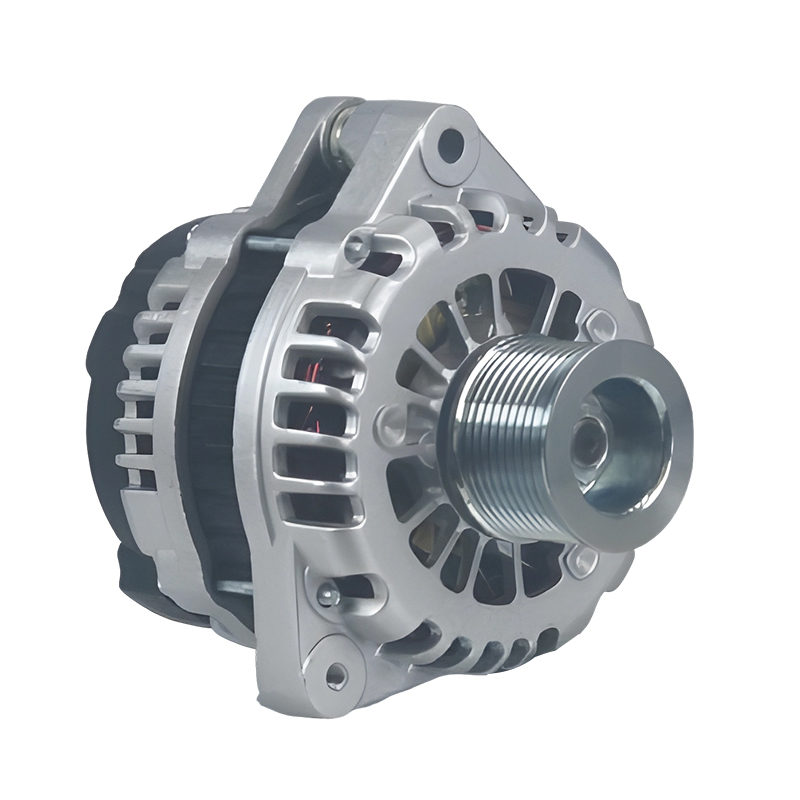
A reliable power solution for commercial and passenger vehicles, the 24V 90A 20289N/0123520500 Bosch car alternator for Hongyan,Genlyon,Saic,lveco,Howo,Weicha is engineered to deliver consistent perfo...
See Details -
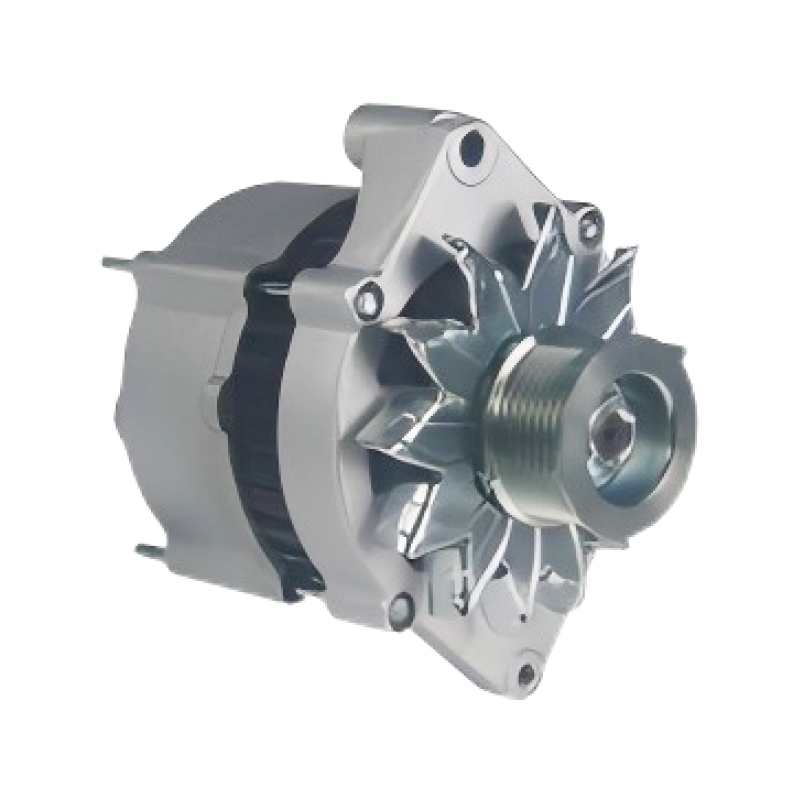
The 12V 95A 12145/0120484011 Bosch car alternator for CASE Crawler Dozer 650K Series 3 Case 4.5L is a high-quality replacement part specifically engineered for the CASE Crawler Dozer 650K Series 3 equ...
See Details -
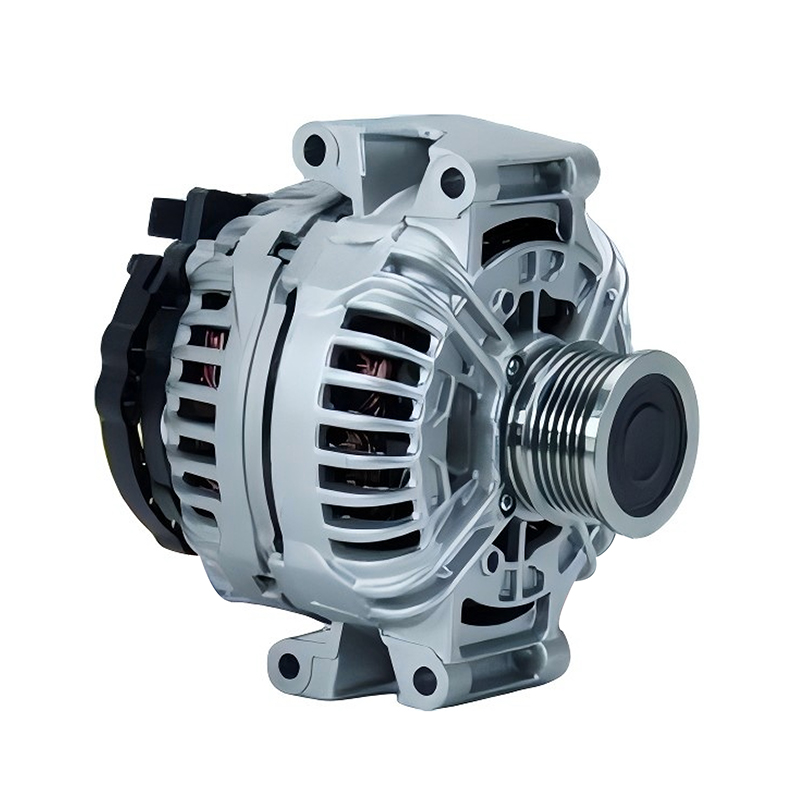
Designed to meet the demanding electrical needs of modern vehicles, the 12V 150A 11064/0124615009 Bosch car alternator for AUDI A4 1.6L, 1.8L, 2.0L is a trusted solution for AUDI A4 owners. Boasting a...
See Details -
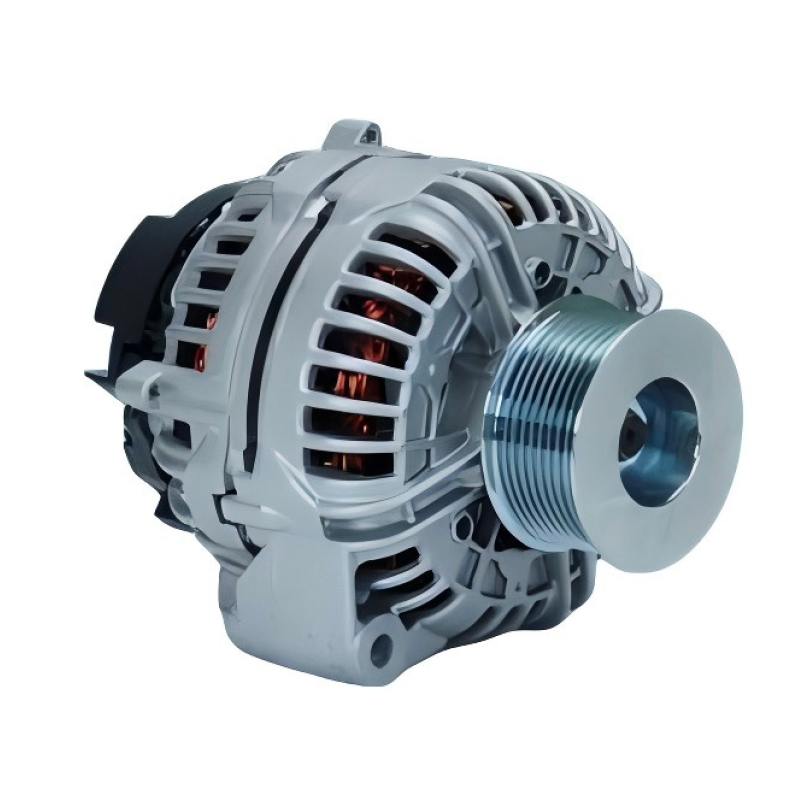
When it comes to keeping your JOHN DEERE 2007-2009 model running smoothly, a reliable alternator is non-negotiable—and the 12V 200A 12796/0124625030 Bosch car alternator for JOHN DEERE 2007-2009 is en...
See Details -
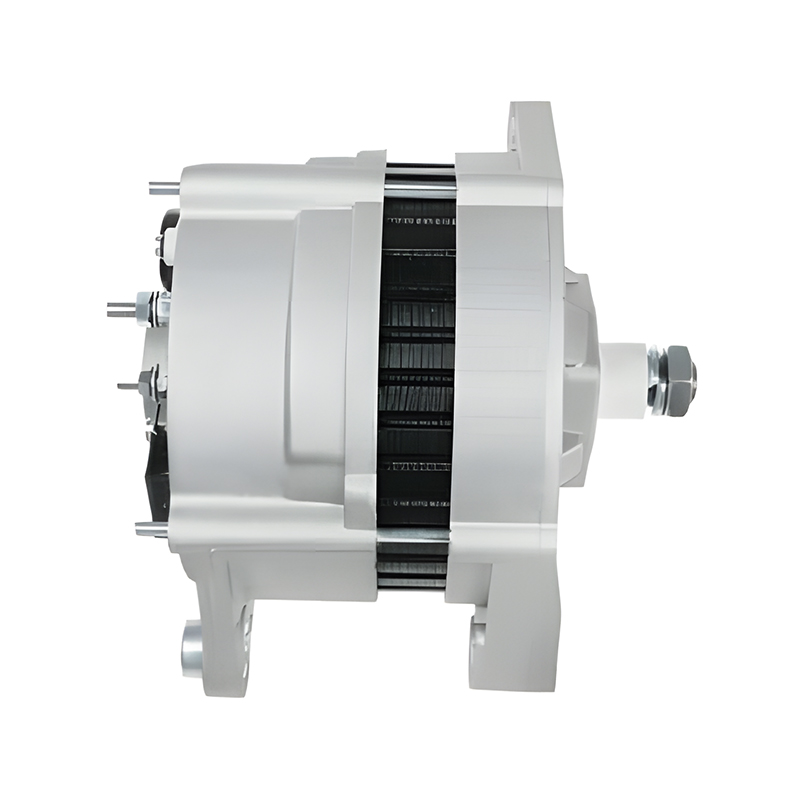
Designed as a reliable power solution for the IVECO 100 E15 engine series, the 24V 80A 12709/0120468116 Bosch car alternator for IVECO 100 E15 combines precision engineering with durable performance t...
See Details

Contact Information
-
Production Plant:No.19, West Taihu Avenue, Wujin District, Changzhou City, Jiangsu Province, China
-
Email:
-
Phone:+86 157 2060 1523
-
TEL:+86-519 8639 0626
Copyright © 2025 Changzhou Hancheng Auto Parts Co., Ltd. All Rights Reserved.
PrivacyAutomotive Alternators Manufacturers High Output Car Alternator Factory
