


 中文简体
中文简体 Español
 Français
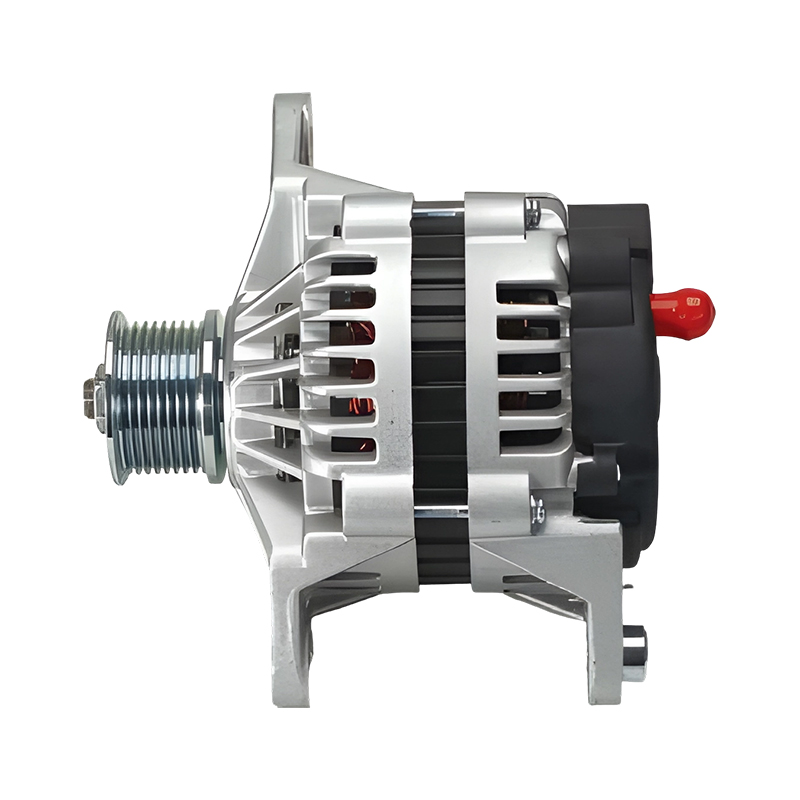
The 24V 55A 12135/0120469978 Bosch car alternator for IVECO EuroCargo EuroTrakker 100E15 90E37 is a reliable power solution specifically engineered for the IVECO EuroCargo EuroTrakker 100E15 90E37 eng...
See Details

Get A Quote
What Are the Three Signs That Your Car Alternator Needs Repair?
May 07, 2026
Content
- 1 Why the Alternator Is Essential to Your Vehicle
- 2 Understanding How a Car Alternator Works
- 3 Sign One: Dim or Flickering Lights
- 4 Sign Two: Battery Warning Light Appears
- 5 Sign Three: Strange Noises or Burning Smells
- 6 Additional Symptoms of Alternator Problems
- 7 How Mechanics Diagnose Alternator Problems
- 8 Can You Continue Driving with a Bad Alternator?
- 9 Repair or Replacement: Which Option Is Better?
- 10 Preventing Alternator Failure Through Maintenance
- 11 Recognizing Alternator Problems Early Can Prevent Major Repairs
Why the Alternator Is Essential to Your Vehicle
Modern vehicles rely heavily on electrical systems to operate safely and efficiently. From headlights and dashboard displays to ignition systems and air conditioning, nearly every important automotive function depends on a stable power supply. At the center of this electrical network is the alternator, a critical component responsible for generating electricity while the engine is running.
Many drivers mistakenly believe the battery powers the vehicle continuously. In reality, the battery mainly starts the engine, while the alternator supplies electricity to the vehicle afterward and recharges the battery during operation. When the alternator begins to fail, the entire electrical system becomes unstable, often leading to breakdowns and expensive repairs if ignored.
Recognizing the early warning signs of alternator problems can help drivers prevent unexpected vehicle failure. Understanding the three signs that your car alternator needs repair is especially important because early diagnosis can reduce repair costs and improve vehicle reliability.
Understanding How a Car Alternator Works
The alternator is a generator driven by the engine through a serpentine belt. Its main function is converting mechanical energy into electrical energy. Once the engine starts, the alternator powers electrical components and replenishes the battery’s charge.
Inside the alternator are several important components, including the rotor, stator, voltage regulator, bearings, and rectifier. These parts work together to produce alternating current, which is then converted into direct current suitable for automotive electrical systems.
Because the alternator operates continuously whenever the engine runs, it experiences wear over time. Heat, vibration, moisture, and aging components can gradually reduce performance and eventually cause system failure.
Main Functions of an Alternator
- Recharging the vehicle battery
- Providing power to headlights and dashboard systems
- Supporting engine ignition systems
- Operating electronic accessories and sensors
- Maintaining stable electrical voltage
Sign One: Dim or Flickering Lights
One of the earliest and most noticeable signs of alternator trouble is dim or flickering lights. Since the alternator powers the vehicle’s electrical systems, insufficient voltage output can immediately affect lighting performance.
Drivers may notice headlights becoming unusually dim at idle speeds or flickering while driving at night. Interior dashboard lights may also pulse or fluctuate unexpectedly. In some cases, the brightness may temporarily improve when accelerating because higher engine speeds increase alternator output.
Electrical instability often affects more than just headlights. Power windows may move slowly, infotainment systems may restart unexpectedly, and air conditioning performance may weaken due to insufficient electrical supply.
Why Lighting Problems Occur
A failing alternator cannot maintain proper charging voltage, usually between 13.5 and 14.5 volts. When voltage drops below normal levels, electrical components receive inconsistent power. Lighting systems are highly sensitive to voltage fluctuations, making them one of the first warning indicators.
Ignoring these symptoms can eventually lead to complete electrical failure, leaving the vehicle unable to start or operate safely.
Sign Two: Battery Warning Light Appears
Another major indicator that your car alternator needs repair is the appearance of the battery warning light on the dashboard. Many drivers mistakenly assume this warning automatically means the battery itself is failing. However, the warning light often indicates a charging system problem rather than a battery issue.
The battery light activates when the vehicle detects abnormal charging voltage. A weak alternator may fail to recharge the battery properly, causing the system to recognize insufficient electrical output.
In some vehicles, drivers may also see messages related to charging system failure, low voltage warnings, or electrical system malfunctions.
Common Causes Behind the Warning Light
- Worn alternator brushes
- Damaged voltage regulator
- Loose or broken serpentine belt
- Internal wiring problems
- Failed rectifier components
Because multiple issues can trigger the warning light, professional testing is often necessary to identify the exact source of the charging problem.
Sign Three: Strange Noises or Burning Smells
Unusual sounds coming from the engine compartment can also indicate alternator failure. Worn bearings inside the alternator often produce grinding, whining, or rattling noises while the engine is running.
A damaged serpentine belt connected to the alternator may also create squealing noises, especially during startup or acceleration. Because the belt drives the alternator pulley, improper tension or pulley resistance can produce noticeable sound changes.
In more severe cases, drivers may notice a burning rubber or electrical smell. Overheated wiring, excessive electrical resistance, or slipping belts can all generate strong odors that should never be ignored.
Why These Symptoms Are Serious
Mechanical alternator damage can quickly escalate into complete charging failure. If bearings seize or belts break, the alternator may stop functioning entirely. In some vehicles, the serpentine belt also powers the water pump, meaning alternator-related belt failure can eventually cause engine overheating.
Burning smells may indicate dangerous electrical overheating that could damage wiring harnesses or electronic control systems. Immediate inspection is recommended whenever these symptoms appear.
Additional Symptoms of Alternator Problems
Although dim lights, warning indicators, and strange noises are the three most common signs, failing alternators may produce several additional symptoms depending on vehicle design and electrical demand.
| Symptom | Possible Cause |
| Dead battery | Alternator not charging properly |
| Difficulty starting | Low battery voltage |
| Stalling engine | Electrical power loss |
| Malfunctioning electronics | Inconsistent voltage supply |
| Weak air conditioning | Insufficient electrical support |
These symptoms often worsen gradually over time. Early diagnosis significantly reduces the risk of sudden roadside breakdowns.
How Mechanics Diagnose Alternator Problems
Professional mechanics use several testing methods to determine whether the alternator requires repair or replacement. Voltage testing is one of the most common diagnostic procedures.
With the engine running, technicians measure battery voltage using a multimeter. A healthy alternator normally produces between 13.5 and 14.5 volts. Lower readings may indicate charging failure.
Load testing may also be performed to evaluate alternator performance under electrical demand. Technicians activate headlights, air conditioning, and other accessories while monitoring voltage stability.
Components Often Checked During Inspection
- Serpentine belt condition
- Battery charge level
- Alternator voltage output
- Electrical connections and grounding
- Internal bearing condition
Can You Continue Driving with a Bad Alternator?
Driving with a failing alternator is risky because the battery alone can only power the vehicle for a limited period. Once battery voltage drops too low, critical systems such as fuel injection, ignition, and electronic steering may stop functioning.
Some vehicles may continue operating for several miles after alternator failure, while others may stall almost immediately depending on battery condition and electrical demand.
Ignoring alternator problems can also damage other electrical components. Voltage instability may affect sensitive electronic modules, resulting in costly repairs beyond the alternator itself.
Repair or Replacement: Which Option Is Better?
Whether an alternator should be repaired or replaced depends on the severity of the damage and the age of the component. Minor issues such as worn bearings, brushes, or voltage regulators may sometimes be repaired individually.
However, many modern vehicles use compact alternator designs that are more practical to replace entirely. Replacement alternators often include updated internal components and warranty protection.
Vehicle owners should also consider mileage and overall reliability. If the alternator has already operated for many years, full replacement may provide better long-term value than repeated repairs.
Preventing Alternator Failure Through Maintenance
Regular maintenance can significantly extend alternator lifespan and reduce the likelihood of unexpected failure. Keeping the serpentine belt properly tensioned and replacing worn belts on schedule helps maintain stable alternator operation.
Battery maintenance is equally important because damaged batteries can place excessive strain on the charging system. Corroded battery terminals should be cleaned regularly to ensure efficient electrical flow.
Drivers should also avoid excessive aftermarket electrical modifications without proper charging system upgrades. High-powered audio systems, auxiliary lighting, and additional electronics can overload factory alternators if not properly designed.
Recognizing Alternator Problems Early Can Prevent Major Repairs
Understanding the three signs that your car alternator needs repair can help drivers avoid dangerous breakdowns and expensive vehicle damage. Dim lights, dashboard warning indicators, and unusual noises are all important signals that should never be ignored.
Because the alternator powers nearly every electrical system in the vehicle, even small charging problems can quickly escalate into major operational failures. Early diagnosis and professional inspection remain the most effective ways to protect vehicle reliability.
As vehicles continue becoming more electronically advanced, maintaining a healthy charging system is more important than ever. Prompt alternator repair not only improves safety but also extends the lifespan of batteries, electronics, and engine systems throughout the vehicle.
Related products
-
-
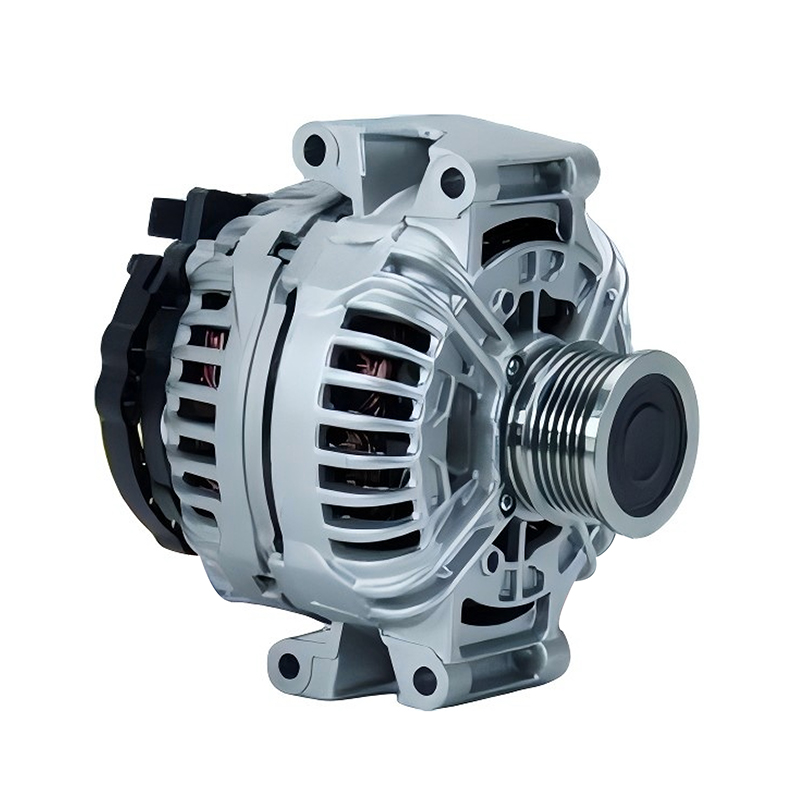
Designed to meet the demanding electrical needs of modern vehicles, the 12V 150A 11064/0124615009 Bosch car alternator for AUDI A4 1.6L, 1.8L, 2.0L is a trusted solution for AUDI A4 owners. Boasting a...
See Details -
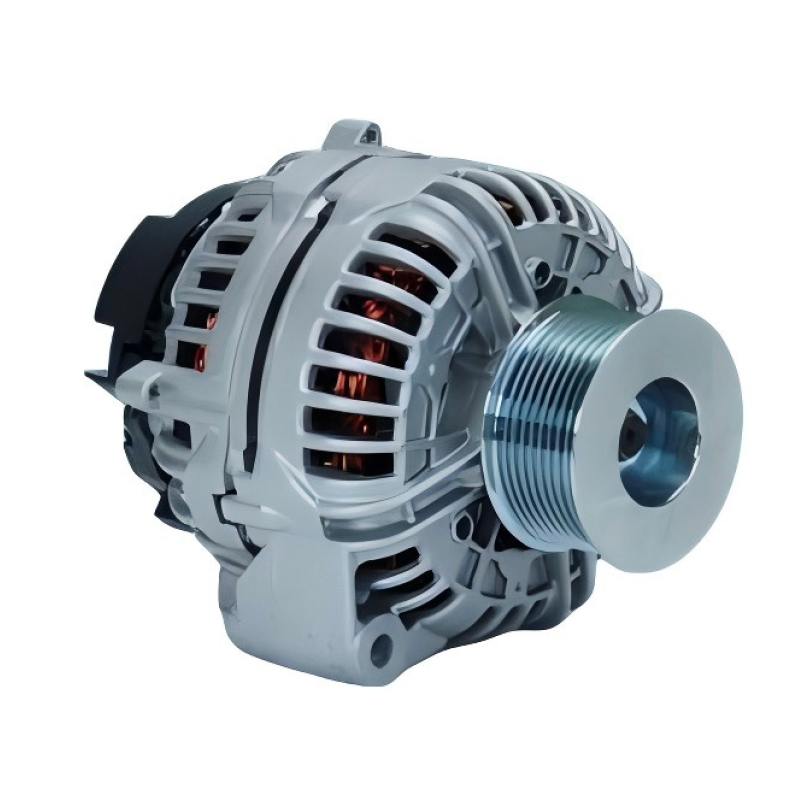
When it comes to keeping your JOHN DEERE 2007-2009 model running smoothly, a reliable alternator is non-negotiable—and the 12V 200A 12796/0124625030 Bosch car alternator for JOHN DEERE 2007-2009 is en...
See Details -
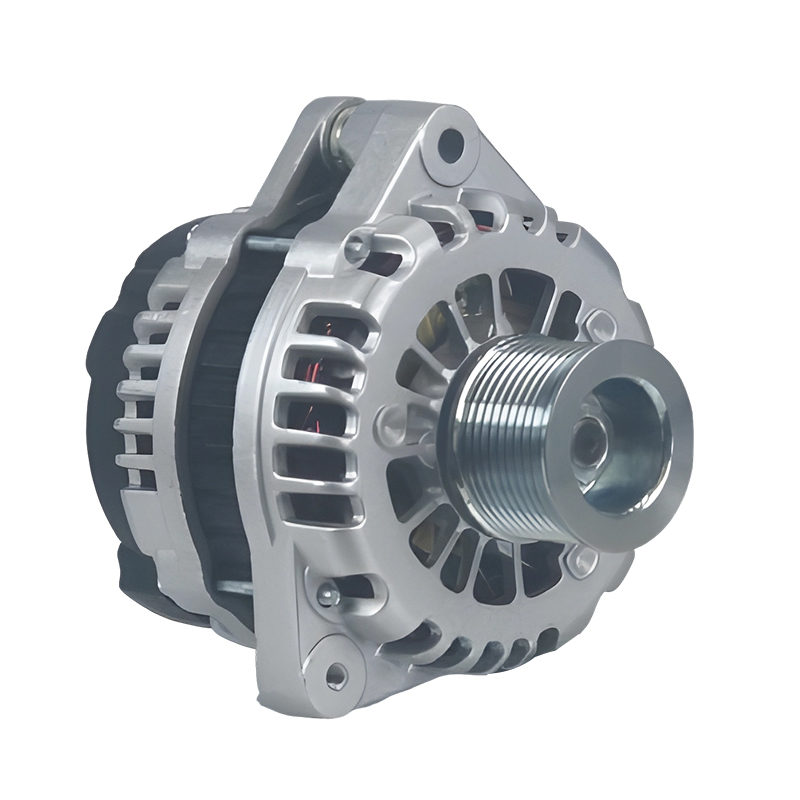
A reliable power solution for commercial and passenger vehicles, the 24V 90A 20289N/0123520500 Bosch car alternator for Hongyan,Genlyon,Saic,lveco,Howo,Weicha is engineered to deliver consistent perfo...
See Details -
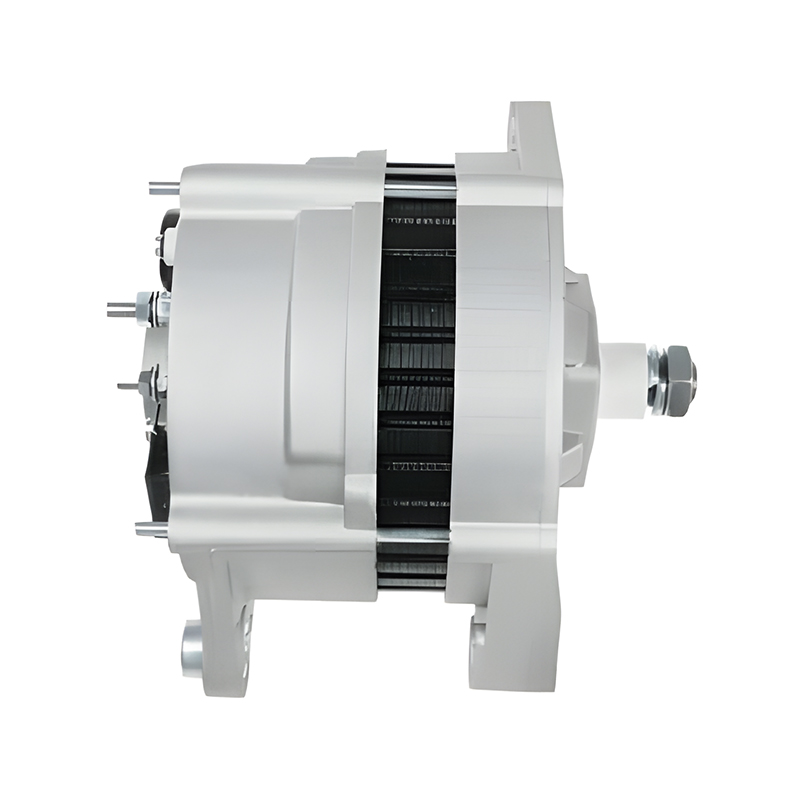
Designed as a reliable power solution for the IVECO 100 E15 engine series, the 24V 80A 12709/0120468116 Bosch car alternator for IVECO 100 E15 combines precision engineering with durable performance t...
See Details -
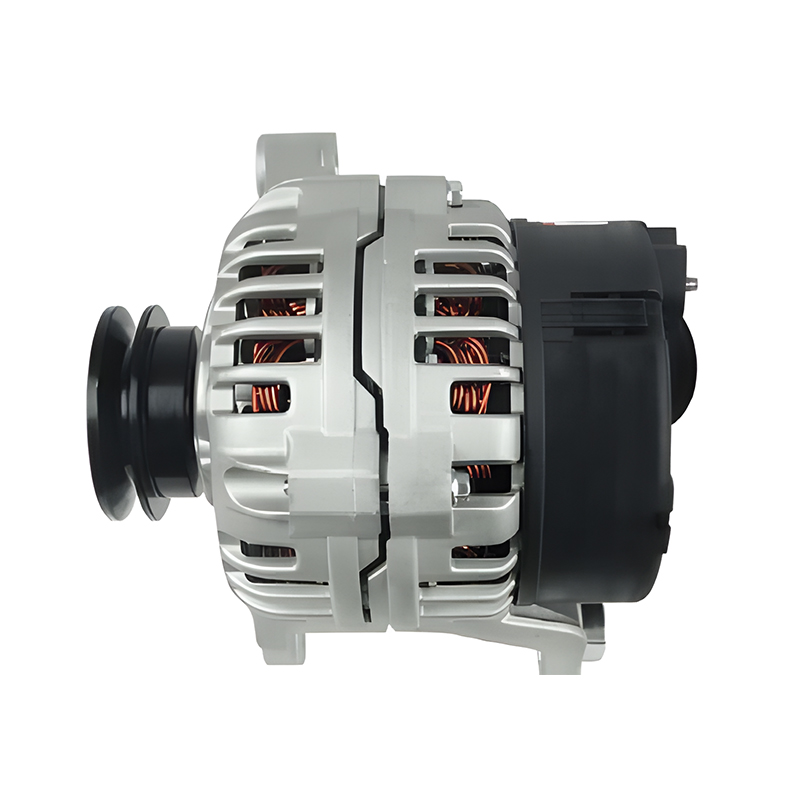
The 12V 90A 0123315503/112406 Bosch car alternator for IV ECO DAIY is a high-quality replacement part specifically designed for the IV ECO DAIY engine series, offering reliable performance to meet the...
See Details

Contact Information
-
Production Plant:No.19, West Taihu Avenue, Wujin District, Changzhou City, Jiangsu Province, China
-
Email:
-
Phone:+86 157 2060 1523
-
TEL:+86-519 8639 0626
Copyright © 2025 Changzhou Hancheng Auto Parts Co., Ltd. All Rights Reserved.
PrivacyAutomotive Alternators Manufacturers High Output Car Alternator Factory
