


 中文简体
中文简体 Español
 Français
Designed to meet the demanding electrical needs of modern vehicles, the 12V 150A 11064/0124615009 Bosch car alternator for AUDI A4 1.6L, 1.8L, 2.0L is a trusted solution for AUDI A4 owners. Boasting a...
See Details

Get A Quote
What Makes the Alternator So Important to Your Vehicle's Electrical System?
May 20, 2026
Content
- 1 What an Alternator Does and How It Works
- 2 The Alternator's Role in Keeping the Battery Charged
- 3 Powering the Vehicle's Entire Electrical Ecosystem
- 4 Warning Signs That Your Alternator Is Failing
- 5 How Alternator Problems Affect Other Vehicle Components
- 6 Alternator Lifespan, Maintenance, and Replacement Guidance
- 7 Why Investing in Alternator Health Protects Your Entire Vehicle
What an Alternator Does and How It Works
The alternator is one of the most critical components in any modern vehicle's electrical system, yet it is frequently overlooked until something goes wrong. In simple terms, the alternator is an electrical generator that converts mechanical energy from the engine into alternating current (AC), which is then converted to direct current (DC) by an internal rectifier to power the vehicle's electrical systems and recharge the battery while the engine is running. Without a functioning alternator, even a fully charged battery will be depleted within minutes of starting the engine, leaving the vehicle completely unable to operate its ignition system, fuel injection, lighting, or any other electrically dependent function.
The alternator is driven by a serpentine belt connected to the engine's crankshaft pulley. As the engine runs, the belt spins a rotor inside the alternator at high speed. The rotating magnetic field generated by the rotor induces an alternating electrical current in the surrounding stator windings. A built-in rectifier bridge—typically composed of six diodes—converts the alternating current into the stable direct current that vehicle electrical systems require. A voltage regulator, either internal or external depending on the vehicle design, maintains the output voltage at a consistent 13.5 to 14.8 volts regardless of engine speed or electrical load, ensuring that sensitive electronics receive a stable power supply at all times.
The Alternator's Role in Keeping the Battery Charged
A widespread misconception among vehicle owners is that the battery is responsible for powering the car while it is running. In reality, the battery's primary function is to provide the high current burst needed to crank the starter motor and start the engine. Once the engine is running, the alternator takes over as the primary electrical power source for the entire vehicle while simultaneously recharging the battery to replace the energy consumed during starting. The battery essentially acts as a buffer and emergency reserve, not as a continuous power supply during normal operation.
This distinction is important because it explains why a vehicle with a failing alternator will continue to run for a short period after the alternator stops charging—the battery provides temporary power—but will inevitably stall once the battery voltage drops below the minimum threshold required by the engine management system, typically around 9 to 10 volts for most modern vehicles. In practical terms, a vehicle running solely on battery power with a dead alternator may travel only 15 to 30 minutes before complete electrical failure occurs, depending on the battery's state of charge and the electrical load being drawn at the time.
Powering the Vehicle's Entire Electrical Ecosystem
Modern vehicles contain a far greater number of electrically powered systems than vehicles of even two decades ago, and all of them depend on the alternator for their continuous power supply during operation. The electrical demands placed on the alternator have increased dramatically as vehicles have incorporated more advanced technology, making alternator reliability more important than ever.
The systems that rely on continuous alternator output during vehicle operation include:
- Engine management system: The engine control unit (ECU), fuel injectors, ignition coils, sensors, and actuators all require stable DC power to manage combustion, emissions, and performance in real time.
- Lighting systems: Headlights, taillights, interior lights, and instrument cluster illumination draw continuous current that would rapidly drain the battery without alternator support.
- Climate control: Blower motors for heating and air conditioning, as well as electrically operated blend doors and control modules, demand significant current—particularly at high fan speeds.
- Infotainment and navigation: Touchscreen displays, audio amplifiers, Bluetooth modules, GPS receivers, and smartphone integration systems all draw power continuously during use.
- Safety systems: Anti-lock braking systems (ABS), electronic stability control (ESC), airbag control modules, and advanced driver assistance systems (ADAS) require uninterrupted power to function correctly in emergency situations.
- Charging ports and accessories: USB charging outlets, 12V accessory sockets, and built-in inverters for laptop or device charging all add to the total electrical load that the alternator must supply.
A typical modern passenger vehicle may have a total continuous electrical load of 50 to 100 amperes during normal operation, rising to 150 amperes or more in vehicles with high-power audio systems, multiple heated seats, rear window defrosters, and active safety systems all operating simultaneously. High-output alternators rated at 150 to 220 amperes are increasingly standard equipment on premium and performance vehicles for exactly this reason.
Warning Signs That Your Alternator Is Failing
Recognising the early warning signs of alternator deterioration allows vehicle owners to address the problem before it results in a breakdown or damage to other electrical components. Alternator failure is rarely sudden—it typically develops progressively, with symptoms that become more noticeable as the component degrades.
Battery Warning Light on the Dashboard
The battery warning light—often depicted as a battery symbol or labelled "ALT" or "GEN" on older vehicles—is the most direct indicator of a charging system problem. On modern vehicles, this light is triggered by the ECU when the system voltage falls outside the normal operating range of 13.5 to 14.8 volts. Importantly, this warning light does not necessarily indicate a faulty battery; it indicates a problem with the charging circuit, which most commonly points to the alternator, the serpentine belt, or the voltage regulator. Any illumination of this warning while the engine is running should be investigated promptly by a qualified technician.
Dimming Lights and Fluctuating Electrical Performance
When the alternator begins to under-perform, the voltage available to electrical systems drops below normal levels. This manifests as noticeably dimmer headlights—particularly at idle when alternator output is lowest—flickering interior lights, slow power window operation, and sluggish response from electrically operated accessories. Some drivers notice that the headlights brighten noticeably when the engine is revved, a classic indicator that the alternator is producing insufficient output at low engine speeds due to worn brushes, a failing rotor, or a degraded voltage regulator.
Unusual Noises from the Alternator Area
Mechanical wear within the alternator produces characteristic sounds that are audible from the engine bay. A worn alternator bearing produces a grinding or whining noise that changes in pitch with engine speed. A slipping or worn serpentine belt—which drives the alternator—produces a squealing noise, particularly on cold starts or when heavy electrical loads are switched on. A failing diode within the rectifier bridge can produce an audible whine through the vehicle's audio system, often described as a high-pitched noise that increases with engine speed. Any of these sounds warrant immediate inspection, as continued operation can lead to complete alternator seizure or belt failure.
Frequent Battery Discharge and Jump-Start Requirements
If a vehicle requires frequent jump-starts despite having a relatively new battery in good condition, the alternator is the most likely cause. A battery that appears to charge overnight on an external charger but discharges rapidly during vehicle operation is not receiving adequate charging current from the alternator. This pattern of behaviour—where the battery tests as healthy in isolation but fails to maintain charge in service—is one of the most common presentations of alternator failure that vehicle owners and workshop technicians encounter.
How Alternator Problems Affect Other Vehicle Components
A failing or failed alternator does not only affect the vehicle's ability to start and run—it can cause secondary damage to other expensive components if the problem is not addressed promptly. Understanding these downstream effects helps vehicle owners appreciate the full cost of ignoring alternator warning signs.
The most direct victim of alternator failure is the battery. When the alternator undercharges the battery over an extended period, the battery enters a state of chronic partial discharge. Lead-acid batteries—which are standard in most conventional vehicles—suffer sulphation damage when repeatedly discharged and not fully recharged. Sulphation involves the formation of hard lead sulphate crystals on the battery plates that permanently reduce capacity and cold cranking performance, eventually requiring battery replacement even though the battery itself was not originally defective.
An overcharging alternator—caused by a faulty voltage regulator allowing output voltage to rise above 15 volts—presents the opposite problem. Excessive voltage accelerates electrolyte loss in lead-acid batteries, overheats sensitive electronic control modules, and can damage the delicate circuitry within infotainment systems, sensor modules, and transmission control units. Voltage spikes from a failing rectifier diode can corrupt the memory in programmable control modules, requiring dealer-level reprogramming to restore normal vehicle function after alternator replacement.
Alternator Lifespan, Maintenance, and Replacement Guidance
Under normal operating conditions, a quality original-equipment alternator can be expected to last between 100,000 and 150,000 miles or approximately 8 to 12 years. However, several factors can significantly shorten alternator service life, and understanding them helps vehicle owners take preventive action.
| Factor | Effect on Alternator Life | Preventive Action |
| High electrical load operation | Accelerates brush and bearing wear | Avoid unnecessary accessory use at idle |
| Water and fluid contamination | Corrodes windings and bearings | Fix leaks promptly; avoid deep water fording |
| Worn or loose serpentine belt | Reduces charging efficiency; overloads bearing | Replace belt and tensioner per schedule |
| Frequent short-trip driving | Keeps alternator at high output to recover battery | Periodically take longer drives to fully recharge |
| Aftermarket high-power accessories | Exceeds original design load capacity | Upgrade to high-output alternator if needed |
When alternator replacement becomes necessary, vehicle owners face a choice between remanufactured units and new aftermarket or original-equipment alternatives. Remanufactured alternators—rebuilt with new brushes, bearings, rectifier diodes, and voltage regulators—represent a cost-effective option that performs comparably to new units when sourced from a reputable remanufacturer. Cheap unbranded alternators from unknown sources frequently use inferior-grade diodes and bearings that fail prematurely, making them a false economy. Regardless of the unit selected, the serpentine belt and tensioner should always be inspected and replaced if worn at the same time as the alternator, since accessing the alternator typically requires belt removal and a worn belt will simply accelerate wear on the new unit.
Why Investing in Alternator Health Protects Your Entire Vehicle
The alternator occupies a position of unique importance in the vehicle's mechanical and electrical architecture because its failure cascades immediately and severely through virtually every other system on the vehicle. Unlike a failed sensor or a malfunctioning actuator—which may trigger a warning light but leave the vehicle driveable—alternator failure typically renders the vehicle inoperable within a short period, often in situations and locations that are inconvenient or dangerous. The cost of an unexpected roadside breakdown, including towing, emergency service charges, and potential secondary damage to the battery and electronics, almost always exceeds the cost of addressing early warning signs through timely inspection and maintenance.
Treating the alternator as a maintenance item—having the charging system tested as part of routine service, replacing the serpentine belt and tensioner on schedule, and acting promptly when warning signs appear—is one of the most cost-effective strategies available to vehicle owners for protecting both their safety and their total investment in the vehicle. A healthy alternator is not a luxury; it is the foundation on which every other electrical system in the vehicle depends.
Related products
-
-
When it comes to keeping your JOHN DEERE 2007-2009 model running smoothly, a reliable alternator is non-negotiable—and the 12V 200A 12796/0124625030 Bosch car alternator for JOHN DEERE 2007-2009 is en...
See Details -
The 24V 55A 12135/0120469978 Bosch car alternator for IVECO EuroCargo EuroTrakker 100E15 90E37 is a reliable power solution specifically engineered for the IVECO EuroCargo EuroTrakker 100E15 90E37 eng...
See Details -
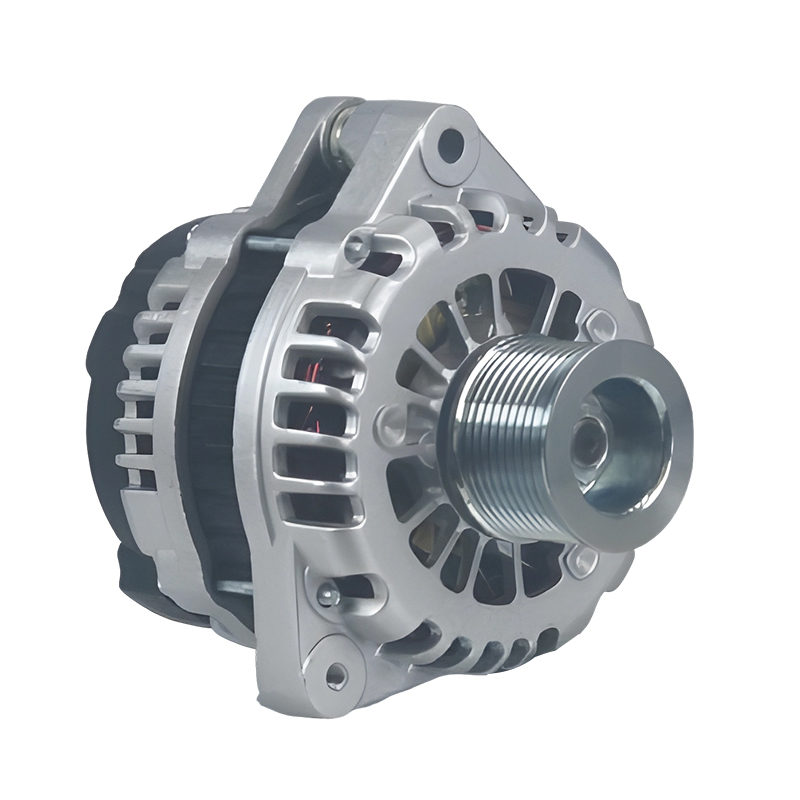
A reliable power solution for commercial and passenger vehicles, the 24V 90A 20289N/0123520500 Bosch car alternator for Hongyan,Genlyon,Saic,lveco,Howo,Weicha is engineered to deliver consistent perfo...
See Details -
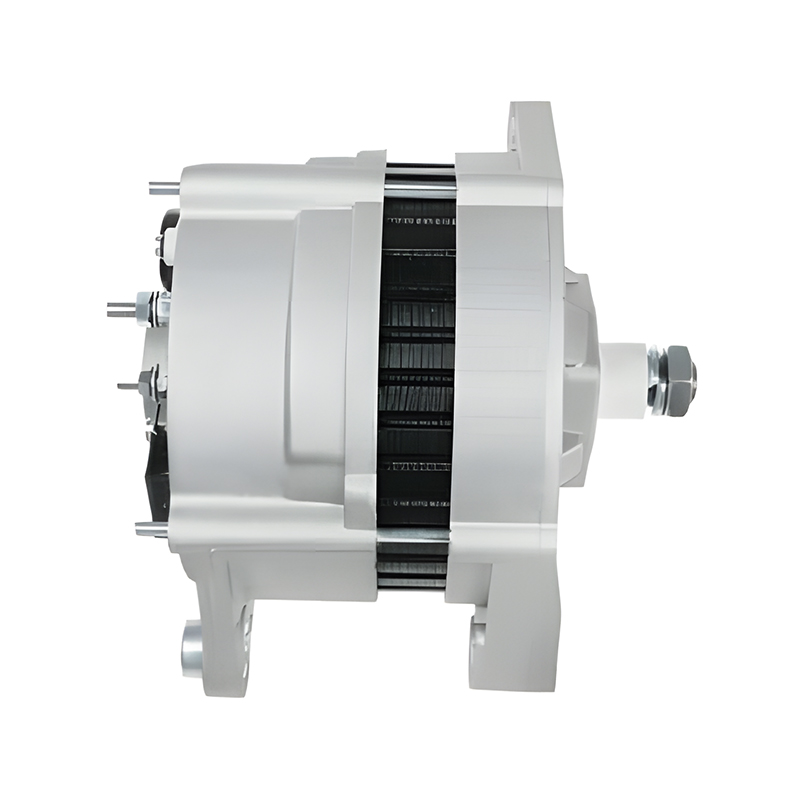
Designed as a reliable power solution for the IVECO 100 E15 engine series, the 24V 80A 12709/0120468116 Bosch car alternator for IVECO 100 E15 combines precision engineering with durable performance t...
See Details -
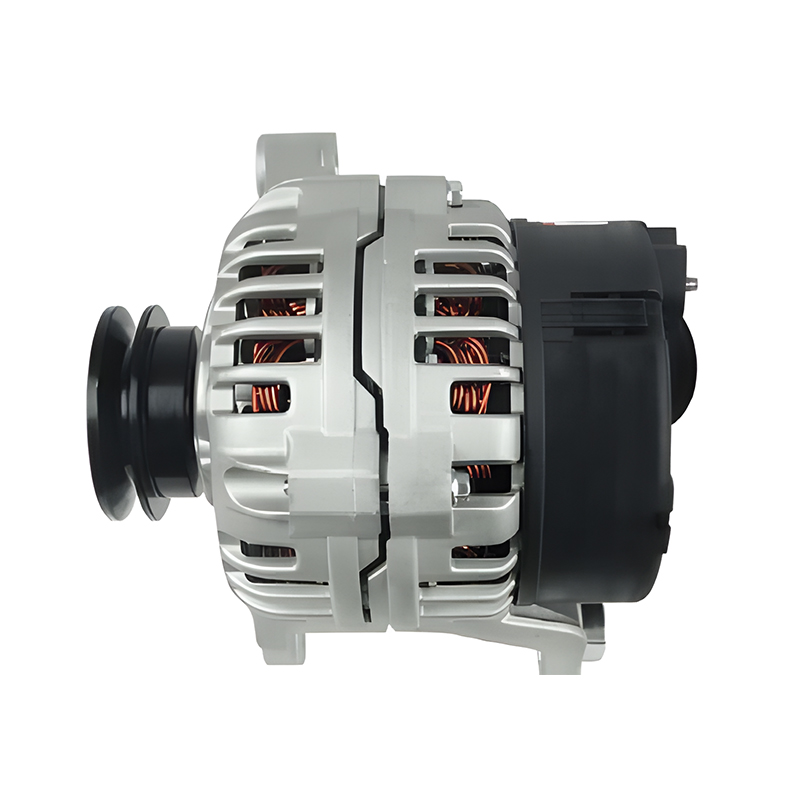
The 12V 90A 0123315503/112406 Bosch car alternator for IV ECO DAIY is a high-quality replacement part specifically designed for the IV ECO DAIY engine series, offering reliable performance to meet the...
See Details

Contact Information
-
Production Plant:No.19, West Taihu Avenue, Wujin District, Changzhou City, Jiangsu Province, China
-
Email:
-
Phone:+86 157 2060 1523
-
TEL:+86-519 8639 0626
Copyright © 2025 Changzhou Hancheng Auto Parts Co., Ltd. All Rights Reserved.
PrivacyAutomotive Alternators Manufacturers High Output Car Alternator Factory
