


 中文简体
中文简体 Español
 Français
The 24V 55A 12135/0120469978 Bosch car alternator for IVECO EuroCargo EuroTrakker 100E15 90E37 is a reliable power solution specifically engineered for the IVECO EuroCargo EuroTrakker 100E15 90E37 eng...
See Details

Get A Quote
High Output Car Alternator for High Electrical Demand Vehicles
Feb 04, 2026
Content
- 1 What Defines a High Output Car Alternator
- 2 Electrical Load Scenarios That Require Higher Output
- 3 Key Design Features of High Output Alternators
- 4 Idle Output Performance and Why It Matters
- 5 Comparison Between Standard and High Output Alternators
- 6 Vehicle Compatibility and Installation Considerations
- 7 Use Cases Across Different Vehicle Types
- 8 Long-Term Reliability and Maintenance Factors
What Defines a High Output Car Alternator
A high output car alternator is designed to deliver significantly higher electrical current than standard OEM alternators, especially under demanding electrical loads. Unlike factory alternators that are optimized for basic vehicle systems, high output models focus on sustained amperage delivery, voltage stability, and heat resistance.
These alternators are commonly rated well above stock amperage levels and are engineered to maintain output not only at high engine speeds but also at idle. This characteristic is critical for vehicles running power-hungry accessories such as upgraded audio systems, auxiliary lighting, winches, refrigeration units, or onboard electronics.
Electrical Load Scenarios That Require Higher Output
Vehicle electrical demand has increased substantially as modern cars and modified vehicles incorporate more electronic systems. A high output car alternator becomes necessary when total electrical consumption consistently approaches or exceeds the safe operating range of the original alternator.
- High-power audio amplifiers and subwoofer systems
- Off-road lighting arrays and auxiliary LED bars
- Electric winches, air compressors, and recovery equipment
- Refrigerated transport units or camper electrical systems
- Fleet vehicles with continuous onboard electronics
In these situations, insufficient alternator capacity can lead to battery drain, unstable voltage, dimming lights, or premature electrical component failure.
Key Design Features of High Output Alternators
High output alternators differ from standard units not just in amperage rating but also in internal construction. These design changes allow them to manage higher electrical loads while maintaining durability.
Enhanced Stator and Rotor Configuration
Upgraded stator windings with higher copper density improve current generation efficiency. Optimized rotor designs increase magnetic field strength, allowing higher output without excessive mechanical strain.
Advanced Rectifier and Regulator Systems
High-capacity rectifiers and precision voltage regulators support stable output under load fluctuations. This stability helps protect sensitive vehicle electronics from voltage spikes or drops.
Improved Thermal Management
Higher current output generates more heat. High output car alternators often use upgraded bearings, heavy-duty housings, and optimized airflow paths to dissipate heat efficiently and support long-term operation.
Idle Output Performance and Why It Matters
One of the most practical performance indicators of a high output car alternator is its idle amperage. Many vehicles operate accessories while stationary, such as during traffic stops, off-road recovery, or parked operation.
A properly designed high output alternator maintains usable current at low engine speeds, reducing reliance on the battery and preventing voltage sag. This capability is especially relevant for emergency vehicles, service trucks, and overland builds.
Comparison Between Standard and High Output Alternators
| Output Capacity | Standard Alternator | High Output Car Alternator |
| Idle Amperage | Limited | Optimized for low RPM |
| Thermal Handling | Basic | Enhanced cooling design |
| Accessory Support | Factory electrical systems | High-demand accessories |
Vehicle Compatibility and Installation Considerations
Before selecting a high output car alternator, vehicle compatibility should be carefully evaluated. Mounting points, pulley alignment, belt configuration, and electrical connectors must match or be properly adapted.
In some applications, wiring upgrades such as heavier gauge charge cables or upgraded grounds are necessary to safely handle increased current flow. These supporting modifications help maximize alternator performance and system reliability.
Use Cases Across Different Vehicle Types
High output car alternators are used across a wide range of vehicle categories. Passenger cars with audio upgrades, off-road vehicles with recovery equipment, commercial fleets, and specialty vehicles all benefit from enhanced electrical capacity.
In each case, the alternator is selected based on real-world electrical demand rather than peak theoretical output, helping maintain consistent performance under continuous load.
Long-Term Reliability and Maintenance Factors
A high output car alternator is typically built for sustained operation, but long-term reliability depends on proper installation, adequate cooling, and balanced electrical systems. Regular inspection of belts, wiring, and mounting hardware supports stable output over time.
When correctly matched to the vehicle’s electrical profile, a high output alternator reduces battery stress and contributes to overall system longevity.
Related products
-
-
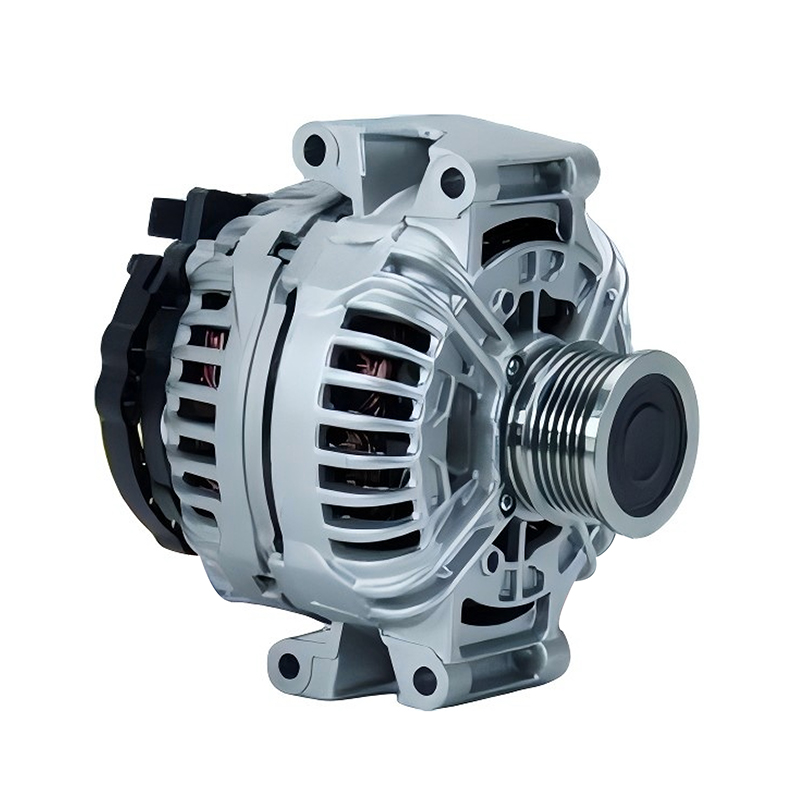
Designed to meet the demanding electrical needs of modern vehicles, the 12V 150A 11064/0124615009 Bosch car alternator for AUDI A4 1.6L, 1.8L, 2.0L is a trusted solution for AUDI A4 owners. Boasting a...
See Details -
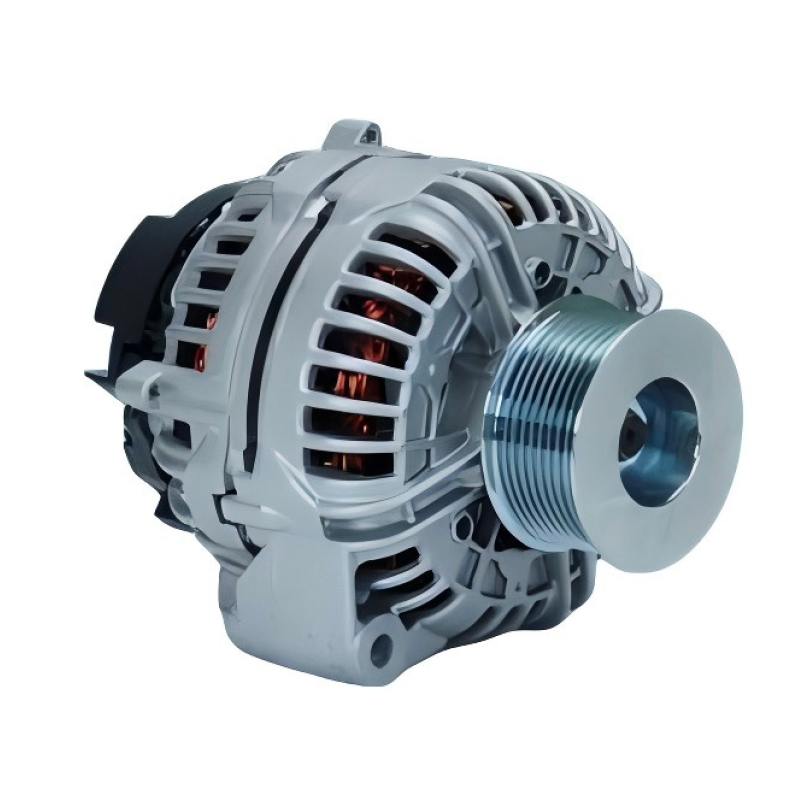
When it comes to keeping your JOHN DEERE 2007-2009 model running smoothly, a reliable alternator is non-negotiable—and the 12V 200A 12796/0124625030 Bosch car alternator for JOHN DEERE 2007-2009 is en...
See Details -
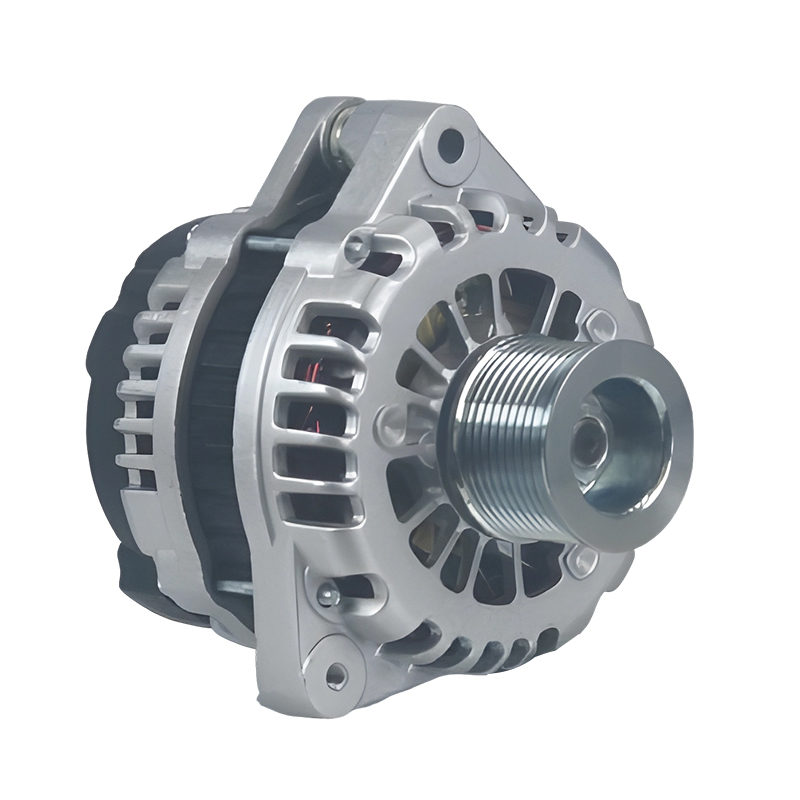
A reliable power solution for commercial and passenger vehicles, the 24V 90A 20289N/0123520500 Bosch car alternator for Hongyan,Genlyon,Saic,lveco,Howo,Weicha is engineered to deliver consistent perfo...
See Details -
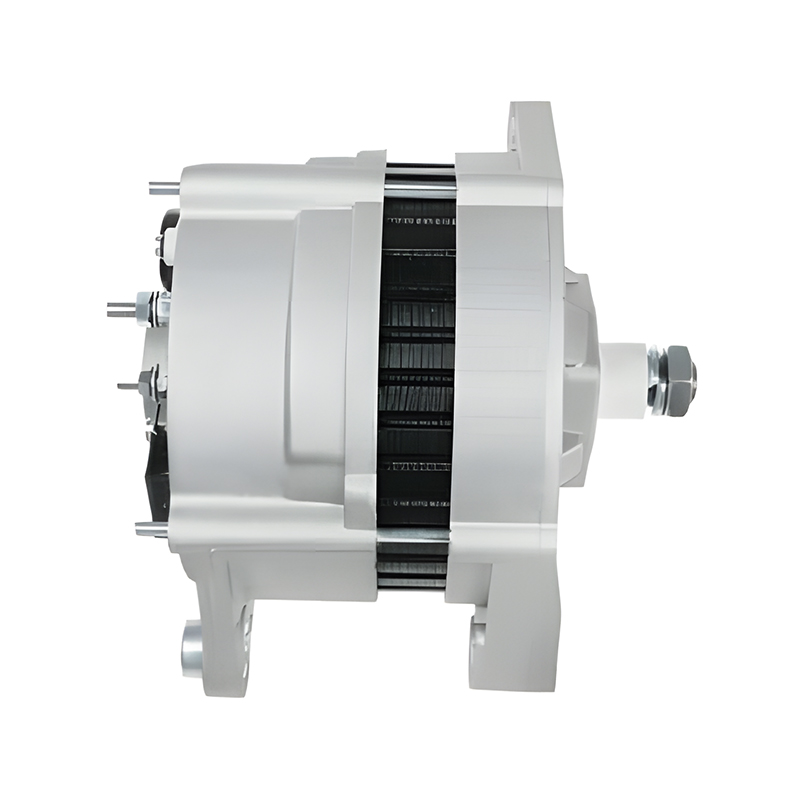
Designed as a reliable power solution for the IVECO 100 E15 engine series, the 24V 80A 12709/0120468116 Bosch car alternator for IVECO 100 E15 combines precision engineering with durable performance t...
See Details -
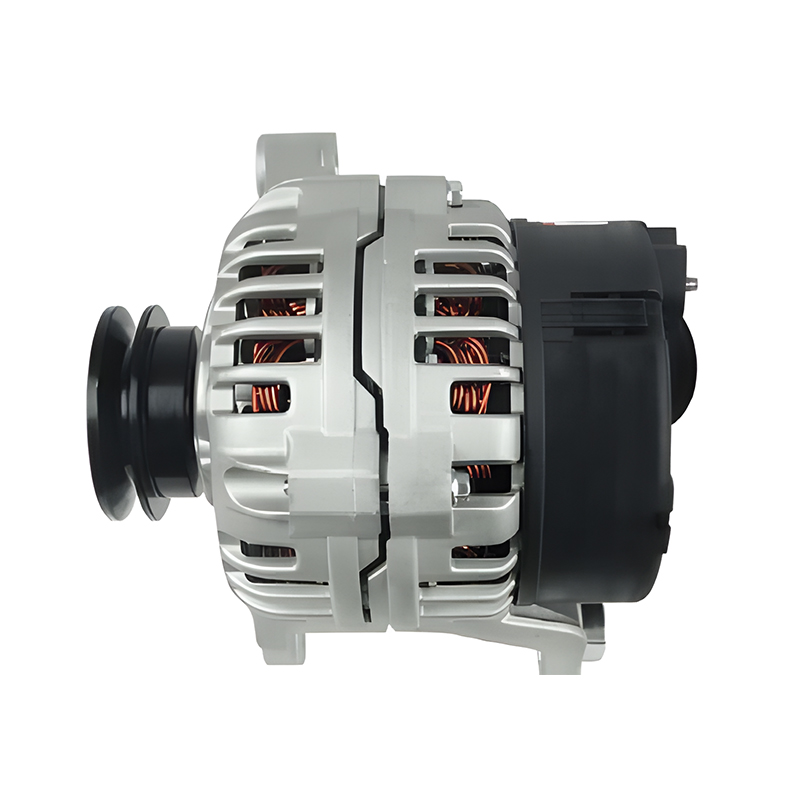
The 12V 90A 0123315503/112406 Bosch car alternator for IV ECO DAIY is a high-quality replacement part specifically designed for the IV ECO DAIY engine series, offering reliable performance to meet the...
See Details

Contact Information
-
Production Plant:No.19, West Taihu Avenue, Wujin District, Changzhou City, Jiangsu Province, China
-
Email:
-
Phone:+86 157 2060 1523
-
TEL:+86-519 8639 0626
Copyright © 2025 Changzhou Hancheng Auto Parts Co., Ltd. All Rights Reserved.
PrivacyAutomotive Alternators Manufacturers High Output Car Alternator Factory
