


 中文简体
中文简体 Español
 Français
Designed to meet the demanding electrical needs of modern vehicles, the 12V 150A 11064/0124615009 Bosch car alternator for AUDI A4 1.6L, 1.8L, 2.0L is a trusted solution for AUDI A4 owners. Boasting a...
See Details

Get A Quote
Does Your Mitsubishi or Honda Need Alternator Repair or Replacement?
Jul 08, 2026
Content
- 1 Why the Alternator Is Critical to Your Mitsubishi or Honda's Performance
- 2 Common Warning Signs That Your Alternator Is Failing
- 3 How Alternator Problems Differ Between Mitsubishi and Honda Models
- 4 Diagnosing an Alternator Problem Before Committing to Replacement
- 5 Choosing Between OEM, Remanufactured, and Aftermarket Alternators
- 6 Maintenance Practices That Extend Alternator Life
- 7 Deciding When Repair Makes Sense Versus Full Replacement
Why the Alternator Is Critical to Your Mitsubishi or Honda's Performance
The alternator is one of the most overlooked components in a vehicle's electrical system, yet it is responsible for keeping the battery charged and powering every electrical component while the engine runs. In Mitsubishi and Honda vehicles, the alternator works alongside the engine's serpentine belt to convert mechanical energy into electrical energy, supplying power to the ignition system, headlights, infotainment system, power steering assist in some models, and dozens of onboard sensors that modern engines depend on to run efficiently. When the alternator begins to fail, the entire vehicle's electrical system becomes unstable, often long before the battery itself shows any sign of weakness.
Mitsubishi and Honda both use alternators built to fairly tight tolerances for their engine bay layouts, meaning that generic or poorly matched replacement units can create fitment issues, pulley misalignment, or voltage regulation problems that a factory-matched or high-quality aftermarket alternator would avoid. Understanding how this component fails and what to look for helps owners catch problems early, before a dead alternator leaves them stranded.
Common Warning Signs That Your Alternator Is Failing
Alternator failure rarely happens without warning. In most Mitsubishi and Honda models, the symptoms build gradually, giving attentive drivers a window of time to schedule diagnosis and repair before a complete breakdown occurs.
Dimming or Flickering Lights
One of the earliest and most noticeable signs of alternator trouble is headlights or dashboard lights that dim, flicker, or pulse, particularly when the engine is idling or when multiple electrical accessories are running at once. This happens because the alternator is no longer supplying a stable voltage to the electrical system, forcing the battery to compensate for the shortfall.
Dashboard Warning Light
Most Mitsubishi and Honda models are equipped with a battery-shaped warning light on the instrument cluster that illuminates when the charging system detects a voltage irregularity. While this light is often assumed to indicate a battery problem, it is frequently the alternator that is at fault, since the battery warning light is directly tied to the vehicle's charging voltage rather than the battery's internal condition alone.
Unusual Noises from the Engine Bay
A failing alternator can produce a grinding, whining, or growling noise caused by worn bearings inside the unit. This noise typically changes pitch with engine speed and can often be isolated to the alternator by listening near the accessory belt area with the hood open and the engine idling.
Frequent Battery Problems
If a battery keeps losing charge despite being replaced or fully charged, the underlying cause is often an alternator that is not delivering sufficient charging voltage while the vehicle is running. Replacing the battery without addressing a failing alternator typically results in the same problem recurring within a short period.
How Alternator Problems Differ Between Mitsubishi and Honda Models
While the fundamental function of an alternator is the same across manufacturers, Mitsubishi and Honda vehicles have some differences in how their charging systems are configured, which can affect diagnosis and repair.
| Aspect | Mitsubishi Models | Honda Models |
| Common Alternator Output Range | 80-130 amps depending on model | 80-150 amps depending on model |
| Voltage Regulator Type | Integrated (IC) regulator on most models | Integrated regulator with ECU-linked control on newer models |
| Typical Failure Point | Bearings and brush wear | Voltage regulator and diode failure |
| Belt System | Serpentine belt, single or dual depending on model | Serpentine belt, mostly single-belt configuration |
Diagnosing an Alternator Problem Before Committing to Replacement
Before assuming a full alternator replacement is necessary, a proper diagnostic process can confirm whether the alternator itself is the source of the problem or whether the issue lies elsewhere in the charging system, such as a corroded battery terminal, a loose belt, or a failing wiring connection.
- Test battery voltage with the engine off, which should read around 12.6 volts on a healthy battery
- Test charging voltage with the engine running, which should typically read between 13.5 and 14.7 volts
- Inspect the serpentine belt for cracking, glazing, or slipping that could reduce alternator output
- Check battery terminals and ground connections for corrosion that can mimic charging system failure
- Listen for abnormal bearing noise directly at the alternator housing during idle
A multimeter test at the battery terminals with the engine running is one of the simplest ways for an owner to get an initial read on charging system health before bringing the vehicle in for professional diagnosis.
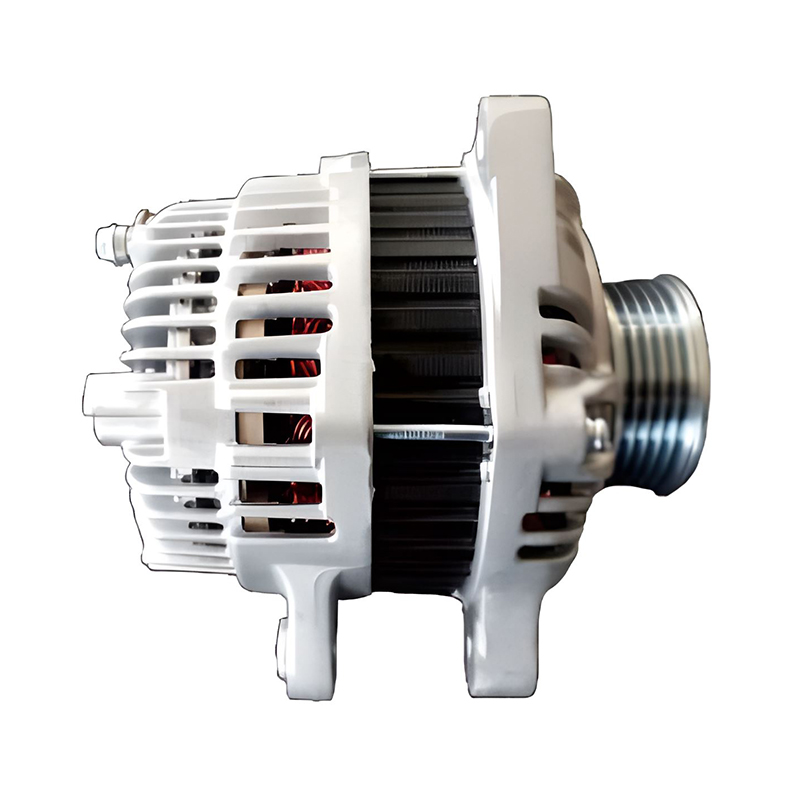
Choosing Between OEM, Remanufactured, and Aftermarket Alternators
When an alternator does need to be replaced, Mitsubishi and Honda owners typically have three main options, each with different cost and reliability trade-offs.
OEM Replacement Units
Original equipment manufacturer alternators are built to the exact specifications of the factory unit, ensuring correct amperage output, pulley size, and mounting fitment. These units typically carry a higher price tag but offer the most predictable long-term reliability, particularly for owners planning to keep their vehicle for many years.
Remanufactured Alternators
Remanufactured units are rebuilt from used alternator cores, with worn components such as bearings, brushes, and diodes replaced before the unit is tested and resold. This option offers a middle ground between cost and reliability, and reputable remanufacturers typically provide a warranty that reflects confidence in their rebuild process.
Aftermarket Alternators
Aftermarket alternators are new units produced by third-party manufacturers rather than the original vehicle brand. Quality varies significantly between suppliers, so owners should prioritize brands with a strong track record and clear warranty terms rather than choosing based on price alone, since a poorly made aftermarket unit can fail prematurely and cause repeat labor costs.
Maintenance Practices That Extend Alternator Life
While alternators are not typically part of a routine maintenance schedule the way oil changes or brake pads are, a few preventive habits can meaningfully extend the service life of the unit in both Mitsubishi and Honda vehicles. Keeping the serpentine belt properly tensioned and replacing it before it becomes cracked or glazed prevents slippage that forces the alternator to work harder than necessary. Ensuring battery terminals stay clean and corrosion-free reduces electrical resistance that can strain the charging system over time. Avoiding excessive use of high-draw accessories while the engine is idling, such as running the air conditioning and sound system simultaneously at a stoplight, also reduces continuous load on the alternator.
Deciding When Repair Makes Sense Versus Full Replacement
In some cases, an alternator problem can be resolved through targeted repair rather than full replacement, particularly if the issue is isolated to a specific component such as the voltage regulator, brushes, or bearings. This approach can be more cost-effective for owners with access to a qualified auto electrical shop, but it does carry some risk if other internal components are also nearing the end of their service life. For older alternators with high mileage, a full replacement often provides better long-term value, since repairing one failing component may simply be followed by another part failing shortly after. Consulting with a trusted mechanic who can inspect the specific unit and provide a clear recommendation based on its condition is generally the most reliable way to make this decision confidently.
Related products
-
-
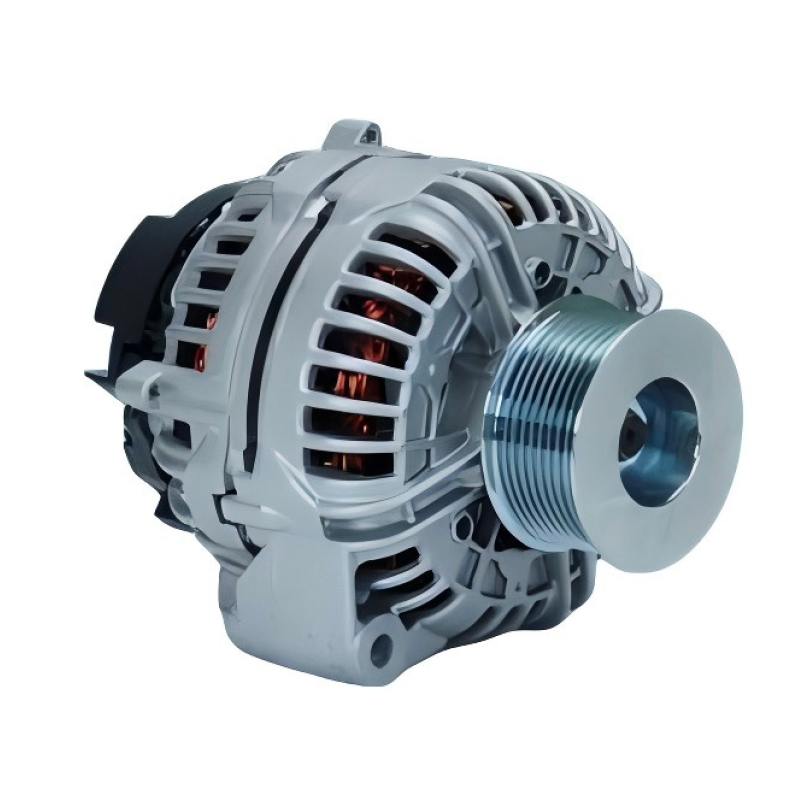
When it comes to keeping your JOHN DEERE 2007-2009 model running smoothly, a reliable alternator is non-negotiable—and the 12V 200A 12796/0124625030 Bosch car alternator for JOHN DEERE 2007-2009 is en...
See Details -
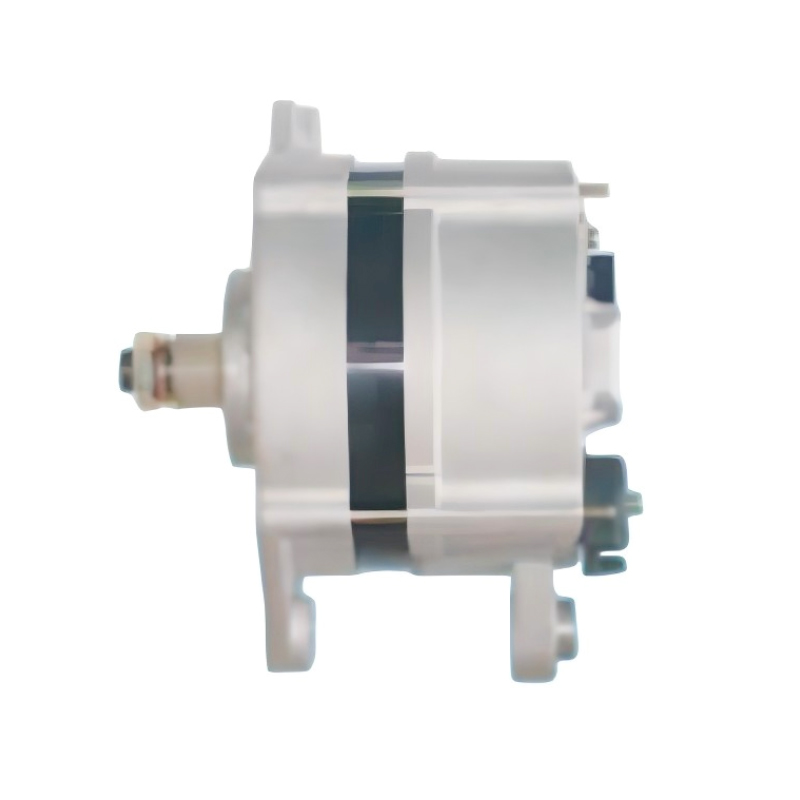
The 24V 55A 12135/0120469978 Bosch car alternator for IVECO EuroCargo EuroTrakker 100E15 90E37 is a reliable power solution specifically engineered for the IVECO EuroCargo EuroTrakker 100E15 90E37 eng...
See Details -
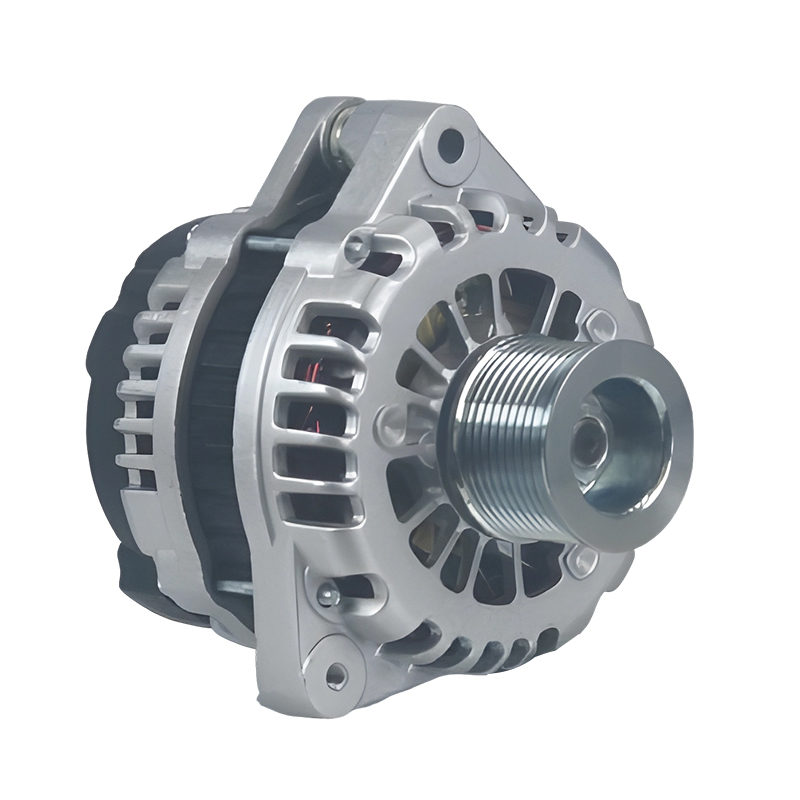
A reliable power solution for commercial and passenger vehicles, the 24V 90A 20289N/0123520500 Bosch car alternator for Hongyan,Genlyon,Saic,lveco,Howo,Weicha is engineered to deliver consistent perfo...
See Details -
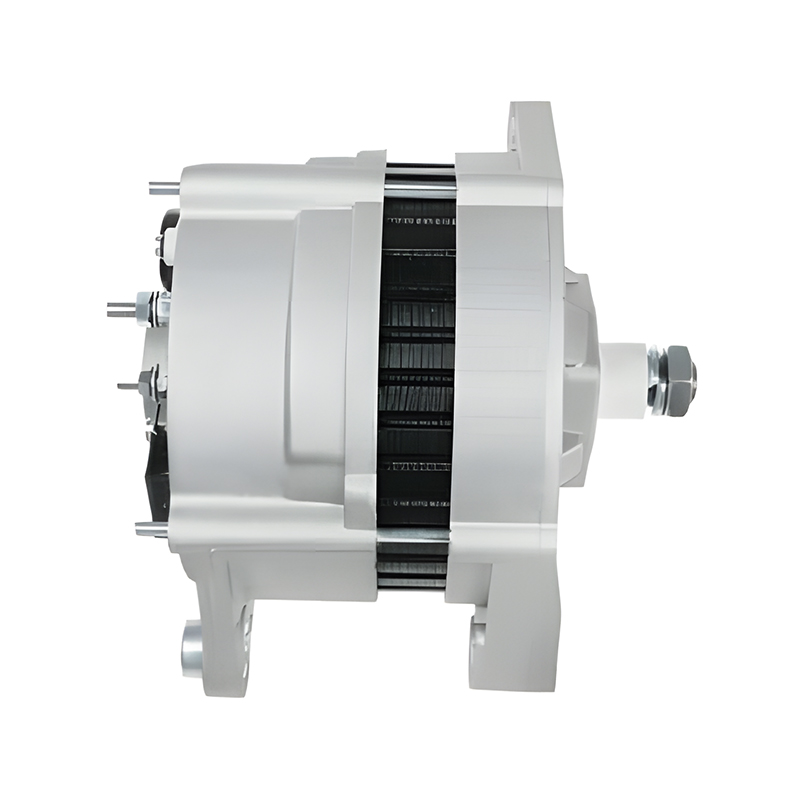
Designed as a reliable power solution for the IVECO 100 E15 engine series, the 24V 80A 12709/0120468116 Bosch car alternator for IVECO 100 E15 combines precision engineering with durable performance t...
See Details -
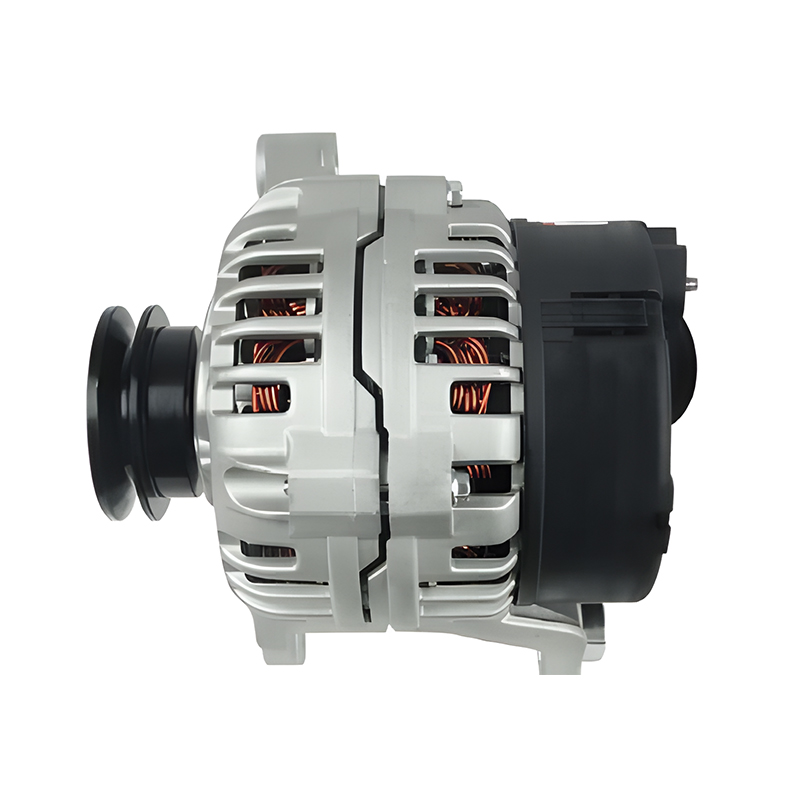
The 12V 90A 0123315503/112406 Bosch car alternator for IV ECO DAIY is a high-quality replacement part specifically designed for the IV ECO DAIY engine series, offering reliable performance to meet the...
See Details

Contact Information
-
Production Plant:No.19, West Taihu Avenue, Wujin District, Changzhou City, Jiangsu Province, China
-
Email:
-
Phone:+86 157 2060 1523
-
TEL:+86-519 8639 0626
Copyright © 2025 Changzhou Hancheng Auto Parts Co., Ltd. All Rights Reserved.
PrivacyAutomotive Alternators Manufacturers High Output Car Alternator Factory
