


 中文简体
中文简体 Español
 Français
The 24V 55A 12135/0120469978 Bosch car alternator for IVECO EuroCargo EuroTrakker 100E15 90E37 is a reliable power solution specifically engineered for the IVECO EuroCargo EuroTrakker 100E15 90E37 eng...
See Details

Get A Quote
What Makes DELCO Car Alternators a Reliable Choice for Vehicle Charging Systems?
Jul 02, 2026
DELCO has been a trusted name in automotive electrical components for decades, and its alternators remain a popular choice among vehicle owners, mechanics, and fleet operators. Known for durability and consistent charging performance, DELCO alternators are used across a wide range of vehicles, from passenger cars to heavy-duty trucks. This article explores how these alternators work, what sets them apart from other brands, common issues to watch for, and practical guidance for selecting and maintaining the right unit for your vehicle.
Content
- 1 Understanding the Role of an Alternator in Your Vehicle
- 2 What Sets DELCO Alternators Apart
- 3 Key Advantages of Choosing a DELCO Alternator
- 4 Common Signs of Alternator Failure
- 5 New vs Remanufactured DELCO Alternators
- 6 How to Choose the Right DELCO Alternator for Your Vehicle
- 7 Maintenance Tips to Extend Alternator Lifespan
- 8 Final Thoughts on DELCO Alternators
Understanding the Role of an Alternator in Your Vehicle
An alternator is responsible for converting mechanical energy from the engine into electrical energy that powers the vehicle's electrical systems while simultaneously recharging the battery. Without a properly functioning alternator, a vehicle's battery would quickly drain, leading to failure of essential systems such as lights, power steering assist, ignition, and infotainment. The alternator works continuously while the engine runs, using a belt-driven pulley system connected to the engine's crankshaft to generate alternating current, which is then converted to direct current through a rectifier for use by the vehicle's components.
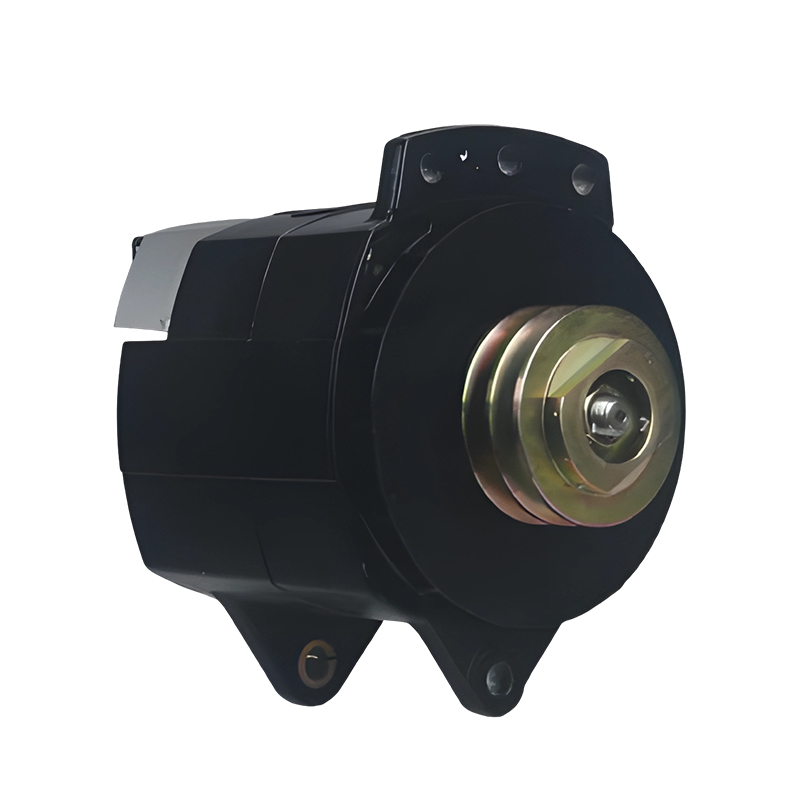
DELCO alternators are engineered to handle this demanding cycle reliably, even under high engine temperatures and constant vibration. Their internal components, including the rotor, stator, diode rectifier, and voltage regulator, are built to maintain consistent output across a wide range of driving conditions.
What Sets DELCO Alternators Apart
DELCO has built its reputation on manufacturing electrical components that meet original equipment standards, and its alternators reflect that same commitment to quality. Several features distinguish DELCO units from generic aftermarket alternatives.
Build Quality and Materials
DELCO alternators typically use higher-grade copper windings and heavy-duty bearings compared to budget aftermarket brands. This construction reduces internal resistance, improves heat dissipation, and extends the operational lifespan of the unit, particularly in vehicles that experience frequent stop-and-go driving or extended idling.
Voltage Regulation Consistency
A well-calibrated voltage regulator is critical for protecting sensitive electronics and preventing battery overcharging. DELCO alternators are known for tight voltage regulation tolerances, which helps maintain a stable electrical system voltage even as engine RPM fluctuates during acceleration, idling, or deceleration.
Key Advantages of Choosing a DELCO Alternator
- Long service life due to durable internal components and quality bearing assemblies.
- Consistent charging output that protects battery health and extends battery lifespan.
- Wide compatibility across many GM vehicles and other makes using similar mounting configurations.
- Strong availability of remanufactured and new units, making replacement straightforward.
- Reliable performance in high-heat engine bay environments and demanding duty cycles.
Common Signs of Alternator Failure
Recognizing early warning signs of alternator trouble can prevent a vehicle from being stranded with a dead battery. While symptoms can sometimes overlap with battery issues, there are distinct patterns that point specifically to alternator problems.
- Dimming or flickering headlights and interior lights, especially when idling or using multiple electrical accessories.
- Dashboard battery or charging warning light illuminating while the engine is running.
- Unusual whining, grinding, or squealing noises coming from the alternator area.
- Frequent battery drain or a battery that needs repeated jump-starts despite being in good condition.
- Burning rubber or hot electrical smell, which may indicate a slipping belt or overheating internal components.
If any of these symptoms appear, testing the alternator's output with a multimeter or having it checked at a service center is recommended before the issue leads to a complete electrical failure.
New vs Remanufactured DELCO Alternators
When replacing an alternator, vehicle owners often face a choice between purchasing a brand-new unit or a remanufactured one. Both options have distinct advantages depending on budget and performance expectations.
| Factor | New Alternator | Remanufactured Alternator |
| Cost | Higher | Lower |
| Component Condition | All new parts | Mix of new and refurbished parts |
| Warranty Coverage | Typically longer | Varies by supplier |
| Availability | Moderate | Widely available |
For most everyday drivers, a quality remanufactured DELCO alternator offers a reliable and cost-effective solution, provided it comes from a reputable rebuilder that tests each unit thoroughly before sale. For vehicles used in demanding commercial or fleet applications, investing in a new unit may provide added peace of mind and longer service intervals.
How to Choose the Right DELCO Alternator for Your Vehicle
Selecting the correct alternator involves more than just matching the brand name. Several technical specifications must align with your vehicle's electrical demands to ensure proper performance and longevity.
Amperage Output Rating
Vehicles with additional electrical accessories, such as aftermarket sound systems, winches, or auxiliary lighting, require alternators with higher amperage output to handle the increased load without straining the system. Matching or exceeding the factory amperage rating is essential for reliable performance.
Mounting Configuration and Pulley Type
Alternators must match the vehicle's specific mounting bracket design and pulley type, whether it uses a serpentine belt or V-belt system. Installing an incompatible unit can cause belt misalignment, premature wear, or complete installation failure.
Connector and Wiring Compatibility
Electrical connector types vary between vehicle models and years, so confirming that the replacement alternator's wiring harness connector matches the vehicle's existing setup prevents the need for additional wiring modifications.
Maintenance Tips to Extend Alternator Lifespan
Proper maintenance can significantly extend the service life of a DELCO alternator and reduce the likelihood of unexpected failure. Regular inspection of the drive belt for cracks, fraying, or glazing helps prevent slippage that can reduce charging efficiency. Keeping the alternator's electrical connections clean and free of corrosion also ensures consistent power transfer.
It's also important to have the battery tested periodically, since a failing battery can place additional strain on the alternator, shortening its lifespan. Routine electrical system checks during scheduled maintenance visits can catch early signs of wear before they escalate into more costly repairs.
Final Thoughts on DELCO Alternators
DELCO car alternators have earned a strong reputation for reliability, durability, and consistent charging performance across a wide range of vehicle types. Whether choosing a new or remanufactured unit, understanding key specifications like amperage rating, mounting configuration, and connector compatibility ensures a smooth replacement process. Combined with routine maintenance and early attention to warning signs, a properly selected DELCO alternator can provide dependable service for years, keeping your vehicle's electrical system running smoothly under a wide range of driving conditions.
Related products
-
-
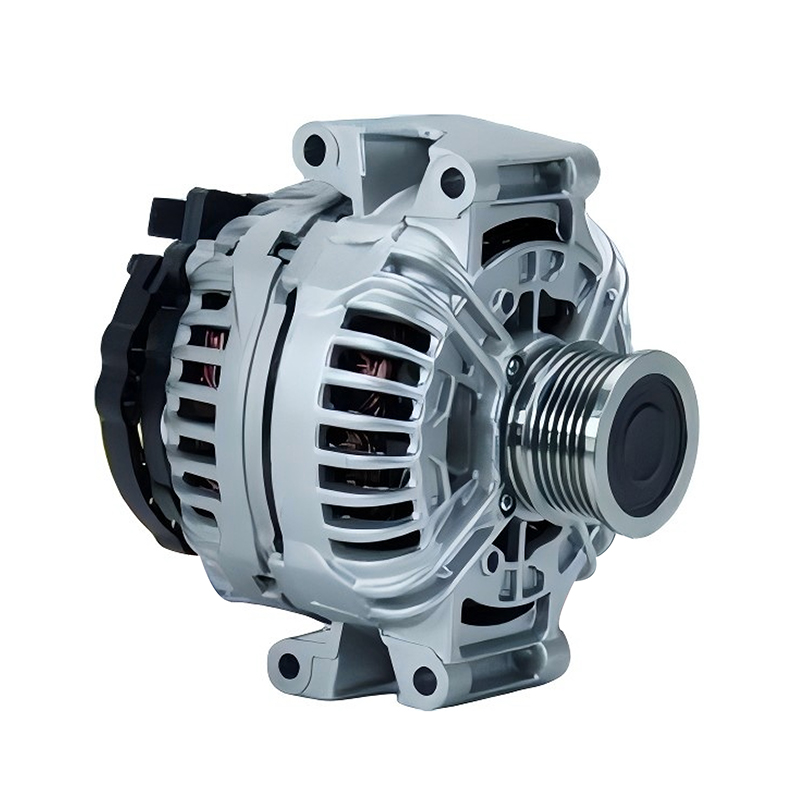
Designed to meet the demanding electrical needs of modern vehicles, the 12V 150A 11064/0124615009 Bosch car alternator for AUDI A4 1.6L, 1.8L, 2.0L is a trusted solution for AUDI A4 owners. Boasting a...
See Details -
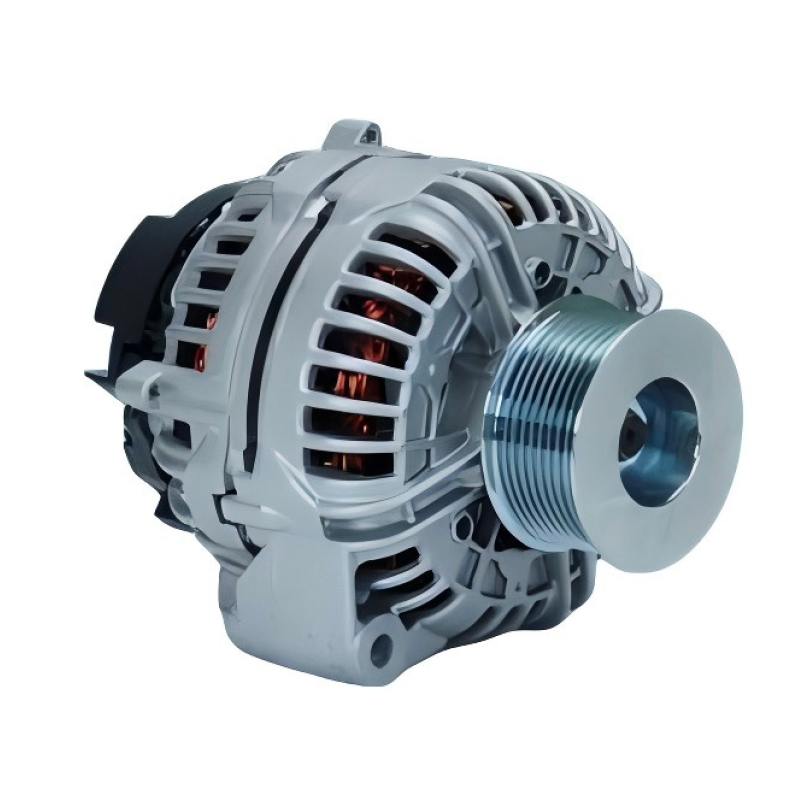
When it comes to keeping your JOHN DEERE 2007-2009 model running smoothly, a reliable alternator is non-negotiable—and the 12V 200A 12796/0124625030 Bosch car alternator for JOHN DEERE 2007-2009 is en...
See Details -
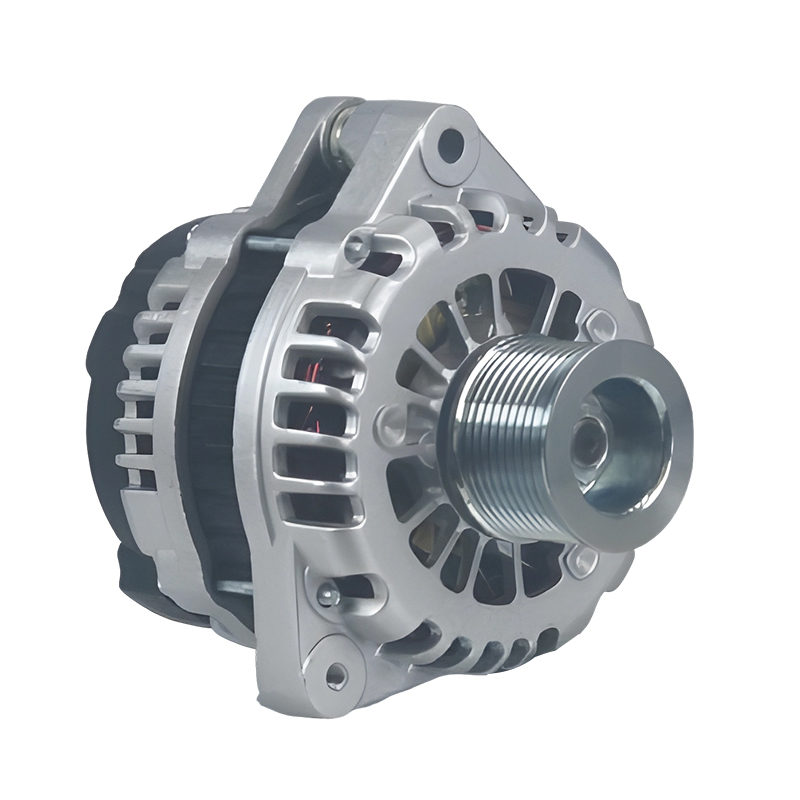
A reliable power solution for commercial and passenger vehicles, the 24V 90A 20289N/0123520500 Bosch car alternator for Hongyan,Genlyon,Saic,lveco,Howo,Weicha is engineered to deliver consistent perfo...
See Details -
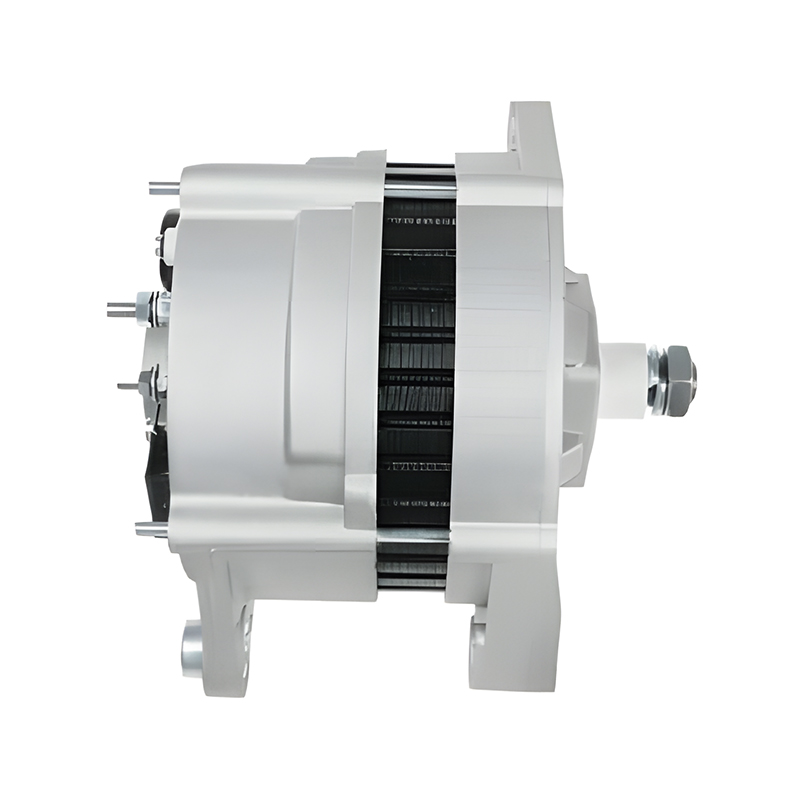
Designed as a reliable power solution for the IVECO 100 E15 engine series, the 24V 80A 12709/0120468116 Bosch car alternator for IVECO 100 E15 combines precision engineering with durable performance t...
See Details -
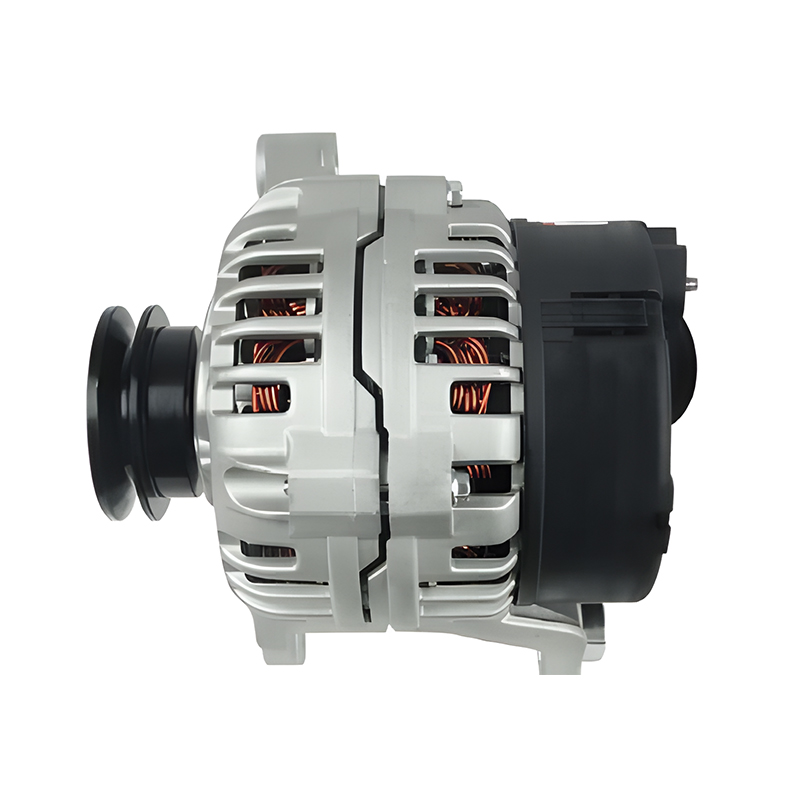
The 12V 90A 0123315503/112406 Bosch car alternator for IV ECO DAIY is a high-quality replacement part specifically designed for the IV ECO DAIY engine series, offering reliable performance to meet the...
See Details

Contact Information
-
Production Plant:No.19, West Taihu Avenue, Wujin District, Changzhou City, Jiangsu Province, China
-
Email:
-
Phone:+86 157 2060 1523
-
TEL:+86-519 8639 0626
Copyright © 2025 Changzhou Hancheng Auto Parts Co., Ltd. All Rights Reserved.
PrivacyAutomotive Alternators Manufacturers High Output Car Alternator Factory
