


 中文简体
 Español
 Français
The 24V 55A 12135/0120469978 Bosch car alternator for IVECO EuroCargo EuroTrakker 100E15 90E37 is a reliable power solution specifically engineered for the IVECO EuroCargo EuroTrakker 100E15 90E37 eng...
See Details

Get A Quote
Car Alternator Parts Explained: Rotor, Stator, Rectifier & Regulator Guide
Nov 17, 2026
If your headlights dim at idle, the battery light comes on, or a belt starts chirping, the fault may be in one of the small car alternator parts rather than the whole unit. An alternator is a compact power plant: it turns belt drive into rotation, rotation into alternating current, and alternating current into the stable DC your vehicle needs. When one part in that chain wears, the whole charging system can feel tired.
We build alternators every day, so we tend to look at charging problems part by part. That approach is also useful for drivers, technicians, and parts buyers. If you want the big picture first, this guide on how a car alternator works is a good place to start. Below is a practical view of the parts that decide output, durability, and fit.
Content
- 1 The Main Car Alternator Parts and What They Do
- 2 Rotor, Stator, and the Magnetic Circuit
- 3 Rectifier, Regulator, and Brush Assembly
- 4 Pulley, Housing, and Cooling Parts
- 5 Matching Car Alternator Parts to the Vehicle
- 6 When High Output Makes Sense
- 7 Installation and Long-Term Care
- 8 What We See on the Factory Floor
The Main Car Alternator Parts and What They Do
Most alternators use the same basic layout. The differences are in materials, tolerances, cooling, and the way the unit is controlled. The table below is a quick shop-floor view of the parts we inspect most often.
| Part | Main job | Common wear clue |
|---|---|---|
| Rotor | Spins the magnetic field inside the stator | Worn slip rings, rough bearing, rub marks |
| Stator | Holds stationary windings that produce AC | Burnt varnish, low output, phase imbalance |
| Rectifier bridge | Converts AC into DC for the battery and loads | Failed diode, ripple, battery drain |
| Voltage regulator | Controls field current and charging voltage | Overcharging, undercharging, flickering lights |
| Brushes and slip rings | Transfer field current to the spinning rotor | Short brushes, dirty rings, intermittent charge |
| Bearings | Support the rotor and keep it balanced | Whine, rumble, roughness, shaft play |
| Pulley and drive | Transfer belt drive to the alternator shaft | Clutch slip, misalignment, chirp, worn grooves |
| Housing and cooling fan | Protect internals and manage heat | Cracks, blocked fins, heat damage, loose mounts |
No single part works alone. A tired bearing can make a good rotor noisy; a failing rectifier can drain a healthy battery; a sticking regulator can cook a battery or leave it undercharged.
Rotor, Stator, and the Magnetic Circuit
The rotor is the spinning electromagnet. It receives field current through the brushes and slip rings, creates a magnetic field, and rotates inside the stator. The stator holds stationary copper windings. As the field sweeps past those windings, AC voltage is induced. This is the heart of the machine, and small changes in air gap, winding quality, or balance can change output and noise.
What we check in the magnetic circuit
On the rotor side, look for worn slip rings, brush dust, a rough bearing, or a rub mark. On the stator side, look for overheated varnish, loose lamination, or a phase that tests differently from the others. A stator that has been cooked by a loose connection or a failing rectifier may still charge at idle but fade under load. Bearings deserve equal attention: a rough bearing adds heat and vibration, and vibration can damage brushes, terminals, and the regulator over time.
Rectifier, Regulator, and Brush Assembly
The rectifier bridge turns AC from the stator into DC for the battery and vehicle loads. It is a small part with a hard job, and diode failure is a common reason for a battery warning light, a flat battery after standing, or a charging voltage that looks normal but carries ripple. The voltage regulator controls field current so output stays within a safe range as engine speed and electrical load change. On modern vehicles, that control may also involve load response or communication with the vehicle.
Brushes and slip rings are simple, but they are often the first wear point in a high-mileage alternator. Worn brushes can cause intermittent charging, a flickering light, or a no-charge condition after a bump. Dirty slip rings can do the same. When we inspect a core, we look at brush length, ring wear, spring tension, and dust build-up. A cheap brush replacement can restore charging, but if the rings are deeply grooved or the bearing is rough, the repair may not last.
Pulley, Housing, and Cooling Parts
The pulley looks simple until it causes a chirp or throws a belt. A fixed pulley, a clutch pulley, and an overrunning alternator pulley behave differently, and using the wrong type can damage the belt drive or the alternator. The housing holds alignment, protects the internals, and carries heat away. Cooling fins and internal fans matter more on high-output units because more current means more heat. A cracked housing, a bent mounting ear, or a blocked cooling passage is a reason to replace the assembly rather than patch it.
Matching Car Alternator Parts to the Vehicle
Fit is more than bolt pattern. Match voltage, rated current, pulley type, mounting points, terminal position, and, where applicable, the control protocol. A 12V passenger car unit and a 24V commercial unit may look similar in photos but belong to different electrical worlds. Two vehicles with the same engine can also use different housings, pulley offsets, or regulator types. That is why a part number and a clear vehicle description still matter in the age of online shopping.
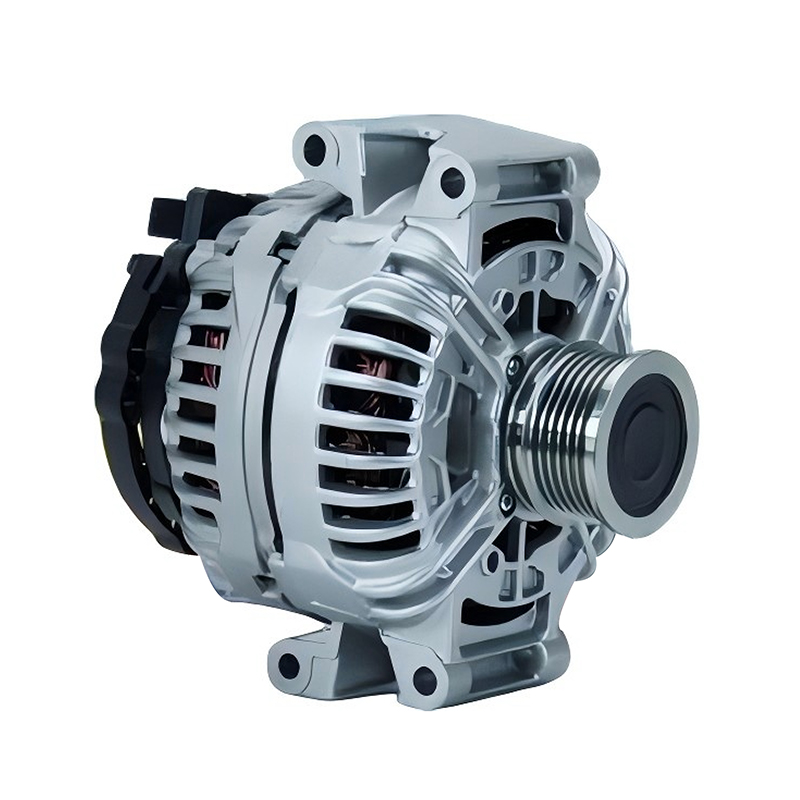 BOSCH Car Alternators by Vehicle and ApplicationBrowse BOSCH alternators by vehicle and application, with voltage, amperage and OE references to help match fit, pulley, terminals and charging compatibility.View Product →
When you compare options, ask for the output at cruising rpm, not just the peak number. Check that the pulley lines up, the terminals clear the harness, and the mounting ears are not stressed by a missing bracket. If the vehicle has a smart charging system, confirm that the replacement is compatible or that the vehicle can learn the new unit.
When High Output Makes Sense
A high-output alternator can be a good answer for winches, auxiliary lights, refrigerated bodies, ambulances, buses, and work trucks with added electrical load. It is not automatically better for a standard car. Extra output needs more belt grip, better cooling, and a battery that can accept the charge. At idle, a large unit may still produce modest current, so match the unit to the way the vehicle actually works.
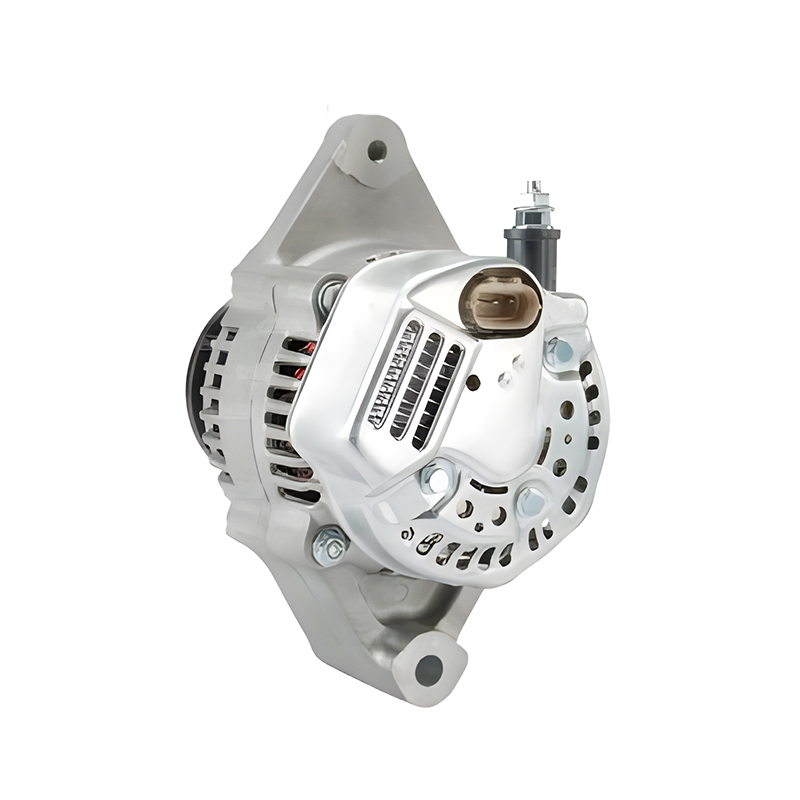 DENSO Car Alternators for Varied Vehicle and Equipment ApplicationsReview DENSO alternators by vehicle, engine or equipment brand, including high-output options, while matching output to duty cycle, belt grip and cooling.View Product →
For fleet buyers, the practical question is duty cycle. A delivery van that idles for hours has different needs from a highway truck. A machine that runs in dust needs a housing and cooling path that can take it. We would rather help a buyer choose a realistic output than sell the biggest number on the page.
Installation and Long-Term Care
Most charging failures are not caused by the alternator alone. A weak battery, a slipping belt, corroded cables, or a bad ground can imitate alternator trouble. Before replacing parts, test battery condition, belt tension, voltage drop on the charge cable, and charging voltage at idle and under load. After installation, confirm that the battery light goes out, the belt runs true, and the charge voltage is stable.
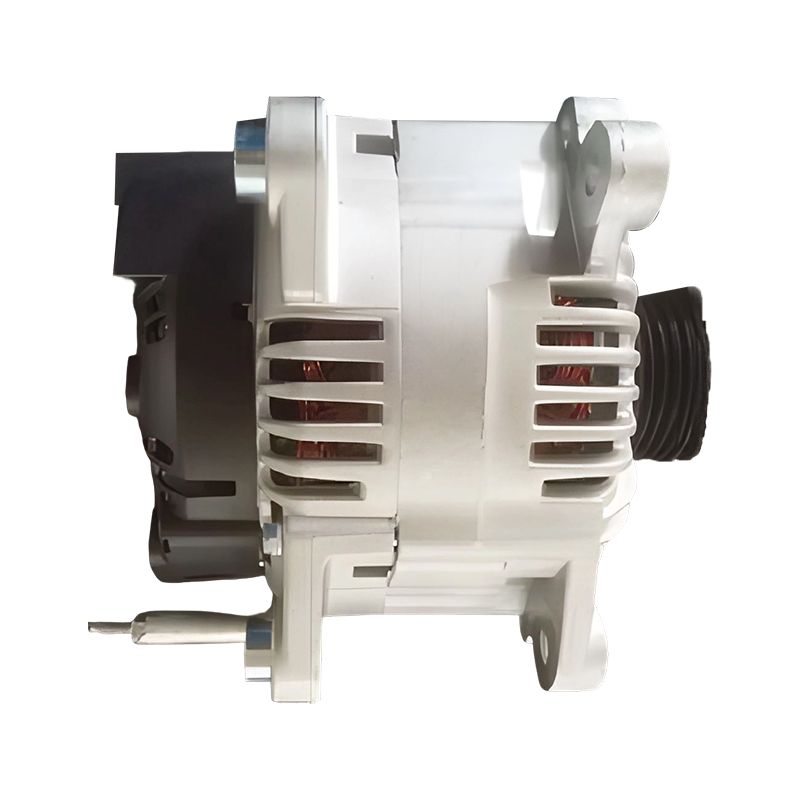 VALEO Car Alternators Range for Multiple Vehicle BrandsExplore VALEO 12V alternators across Audi, BMW, Ford, Hyundai, Kubota and Mercedes-Benz applications, with outputs from 80A to 220A and OE references for fit checks.View Product →
- Keep the battery fully charged and clean the terminals.
- Replace a glazed or stretched belt before it damages the pulley.
- Check mounting bolts and brackets; movement can crack a housing.
- Listen for bearing whine or a dry bearing rumble at cold start.
- Keep cooling fins clear of mud, oil, and road debris.
What We See on the Factory Floor
Our view is simple: a reliable alternator starts with honest parts. We make 100% new alternators, not rebuilt units, and we pay attention to the details that are easy to hide, such as winding consistency, brush fit, bearing feel, and terminal quality. Because we cover many vehicle families, we also see how often a small difference in pulley offset or regulator control decides whether a unit fits and lasts.
If you are choosing car alternator parts for a repair, a fleet, or a parts counter, start with the vehicle details and the real electrical load. A sensible match will always beat a guessed upgrade.
Related products
-
-
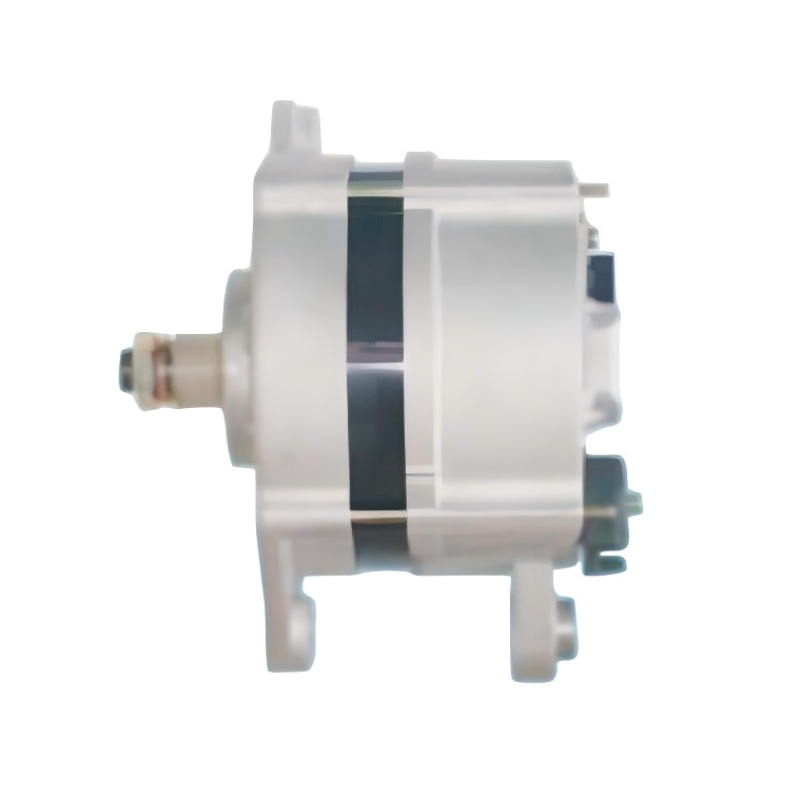
Designed to meet the demanding electrical needs of modern vehicles, the 12V 150A 11064/0124615009 Bosch car alternator for AUDI A4 1.6L, 1.8L, 2.0L is a trusted solution for AUDI A4 owners. Boasting a...
See Details -
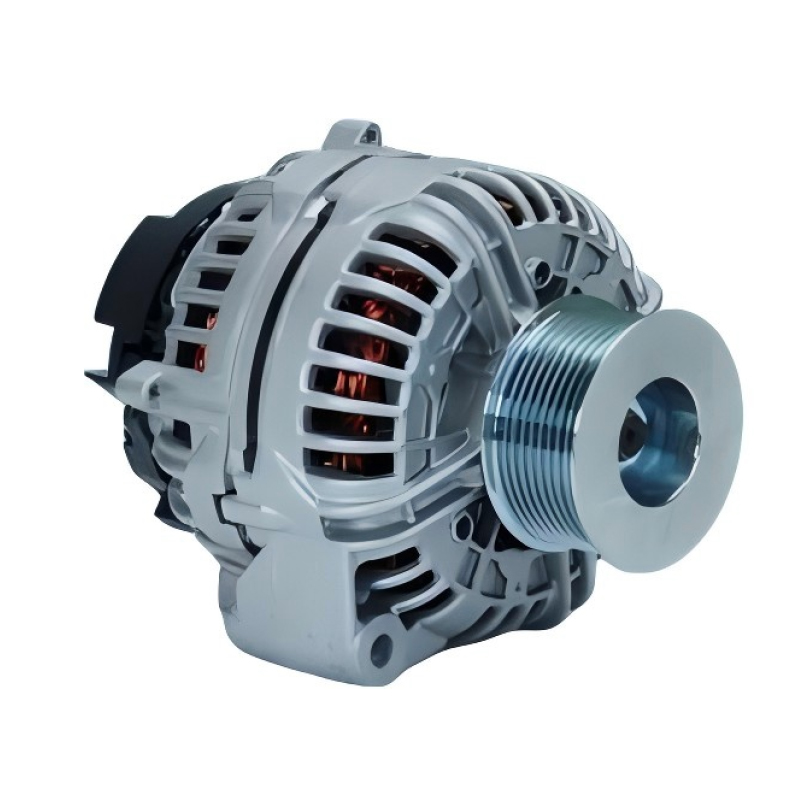
When it comes to keeping your JOHN DEERE 2007-2009 model running smoothly, a reliable alternator is non-negotiable—and the 12V 200A 12796/0124625030 Bosch car alternator for JOHN DEERE 2007-2009 is en...
See Details -
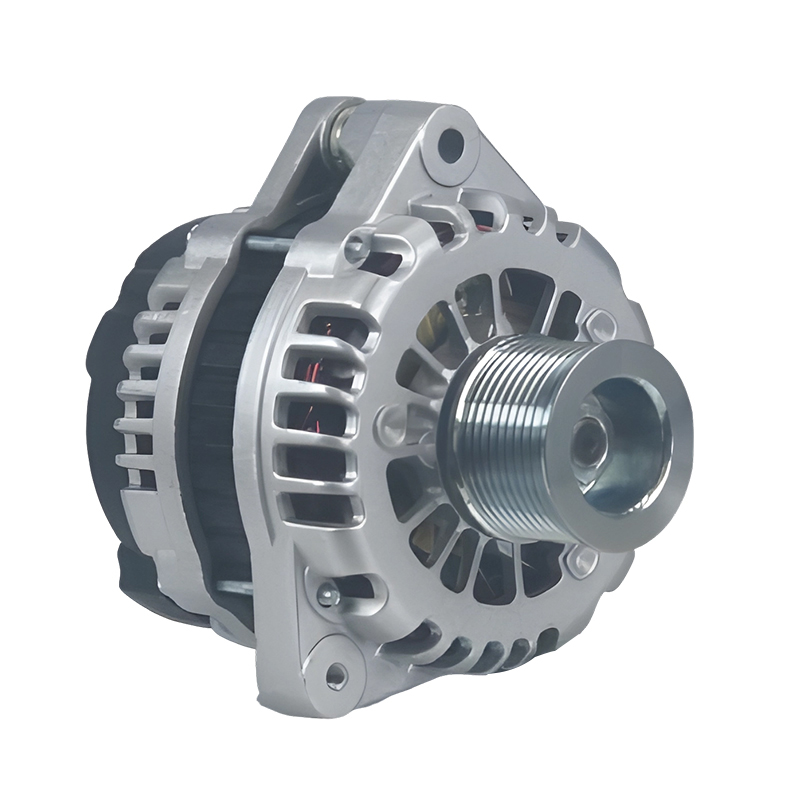
A reliable power solution for commercial and passenger vehicles, the 24V 90A 20289N/0123520500 Bosch car alternator for Hongyan,Genlyon,Saic,lveco,Howo,Weicha is engineered to deliver consistent perfo...
See Details -
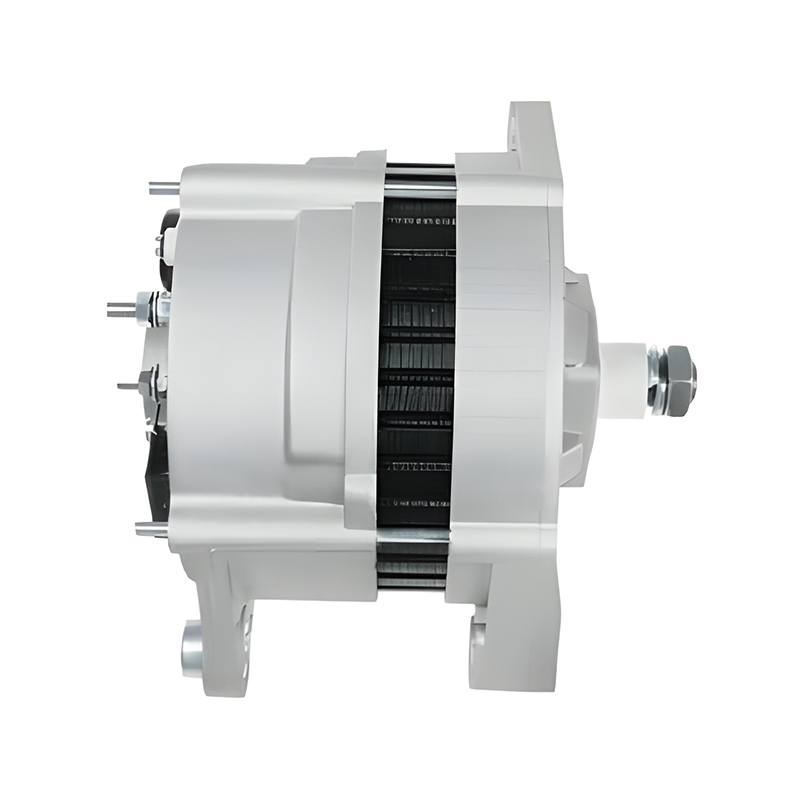
Designed as a reliable power solution for the IVECO 100 E15 engine series, the 24V 80A 12709/0120468116 Bosch car alternator for IVECO 100 E15 combines precision engineering with durable performance t...
See Details -
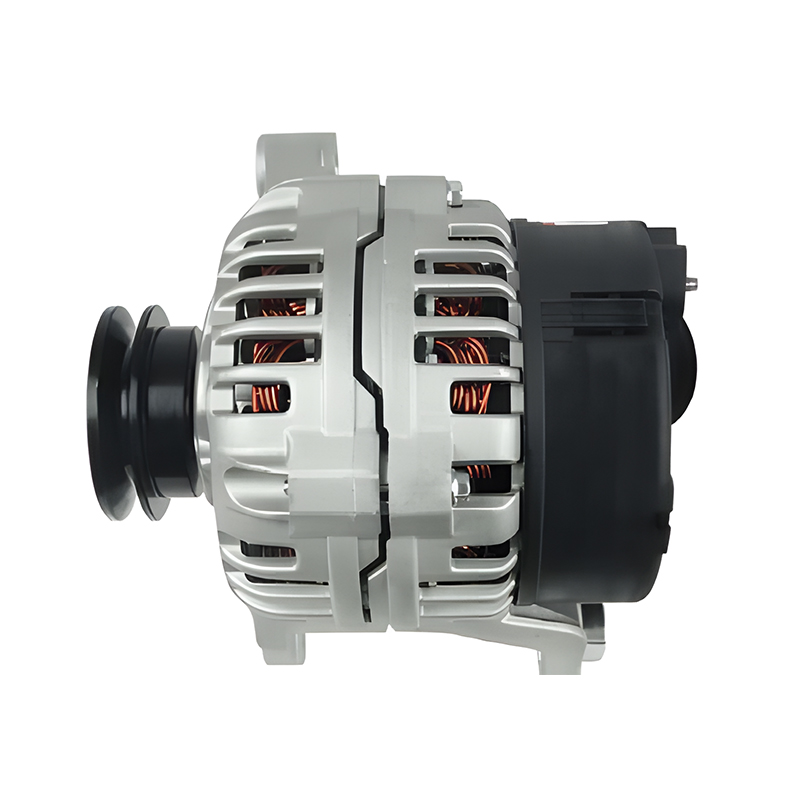
The 12V 90A 0123315503/112406 Bosch car alternator for IV ECO DAIY is a high-quality replacement part specifically designed for the IV ECO DAIY engine series, offering reliable performance to meet the...
See Details

Contact Information
-
Production Plant:No.19, West Taihu Avenue, Wujin District, Changzhou City, Jiangsu Province, China
-
Email:
-
Phone:+86 157 2060 1523
-
TEL:+86-519 8639 0626
Copyright © 2025 Changzhou Hancheng Auto Parts Co., Ltd. All Rights Reserved.
PrivacyAutomotive Alternators Manufacturers High Output Car Alternator Factory
