


 中文简体
 Español
 Français
Designed to meet the demanding electrical needs of modern vehicles, the 12V 150A 11064/0124615009 Bosch car alternator for AUDI A4 1.6L, 1.8L, 2.0L is a trusted solution for AUDI A4 owners. Boasting a...
See Details

Get A Quote
Alternator Replacement Cost: Parts, Labor and What Drives the Price Tag
Nov 24, 2026
Few repair bills cause the same mix of confusion and dread as an alternator replacement. The part hides low in the engine bay, most drivers have never given it a second thought, and the quote can land anywhere from a couple of hundred dollars to well over a thousand depending on what is parked in the driveway.
We manufacture alternators, so we see this question from an unusual angle. We know what a genuinely new unit costs to build, what a remanufactured one costs to rebuild, and why two shops can quote wildly different numbers for what sounds like the same job. What follows is an honest breakdown of what an alternator replacement costs, what pushes the figure up or down, and how to avoid paying for work you do not need.
Content
- 1 What an Alternator Replacement Actually Includes
- 2 Typical Alternator Replacement Cost by Vehicle Type
- 3 Why the Same Job Costs Different Amounts
- 4 Signs the Alternator Is Failing
- 5 Repair or Replace? A Practical Way to Decide
- 6 How to Keep the Cost Down Without Regret
- 7 When It Is a Truck, Bus or Machine
- 8 Warranty and What to Ask Before You Pay
What an Alternator Replacement Actually Includes
Before comparing quotes, it helps to know what is inside them. A fair estimate usually bundles several separate items:
- The alternator itself, priced new, remanufactured or used
- Labor, billed either at flat book time or by the hour
- A core charge, refundable once the old unit is returned (remanufactured parts only)
- Serpentine belt and, often, a tensioner or idler pulley
- Diagnostic time to confirm the alternator is genuinely at fault
- A battery test, and sometimes a new battery if it has been drained repeatedly
That last point catches people out. A failing alternator quietly starves the battery, and a battery that has been deep-cycled a dozen times will not see out the year. If a shop recommends both, it is not automatically an upsell — but ask to see the load test results before agreeing.
Typical Alternator Replacement Cost by Vehicle Type
The ranges below reflect independent-shop pricing in North America and Europe, parts plus labor. Dealership quotes often run 20 to 40 percent higher for the same work.
| Vehicle type | New part | Remanufactured part | Labor time | Typical total (new part) |
|---|---|---|---|---|
| Small car, four-cylinder | $180–$350 | $110–$220 | 1–2 hours | $350–$650 |
| V6 or V8, tight engine bay | $250–$500 | $160–$320 | 1.5–3 hours | $500–$900 |
| European or luxury, smart charging | $350–$700 | $240–$450 | 2–3.5 hours | $650–$1,200 |
| SUV or light truck | $250–$450 | $170–$300 | 1.5–2.5 hours | $450–$850 |
| Heavy truck, bus or equipment (24V) | $400–$900 | $260–$600 | 2–4 hours | $700–$1,500 |
Treat these as a sanity check rather than a quote. If a number falls well outside the band for your vehicle, it is worth asking what is included that you were not expecting.
Why the Same Job Costs Different Amounts
Engine bay layout and labor time
On a simple four-cylinder, the alternator often sits on top within easy reach and the job is done inside an hour. On a transverse V6 with the unit buried behind the radiator and an air-conditioning compressor, book time can stretch to three hours, and the labor line grows accordingly. Nothing about the part changed — only the access to it.
Output rating and charging technology
A base 70A alternator is a simple, inexpensive build. A 120A or 180A high-output unit with heavier windings, better cooling and a smart regulator is not, and the price reflects the copper and the electronics inside it. A mid-size sedan such as a Camry typically runs an 80A to 120A unit, which is why its replacement sits comfortably in the middle of the market.
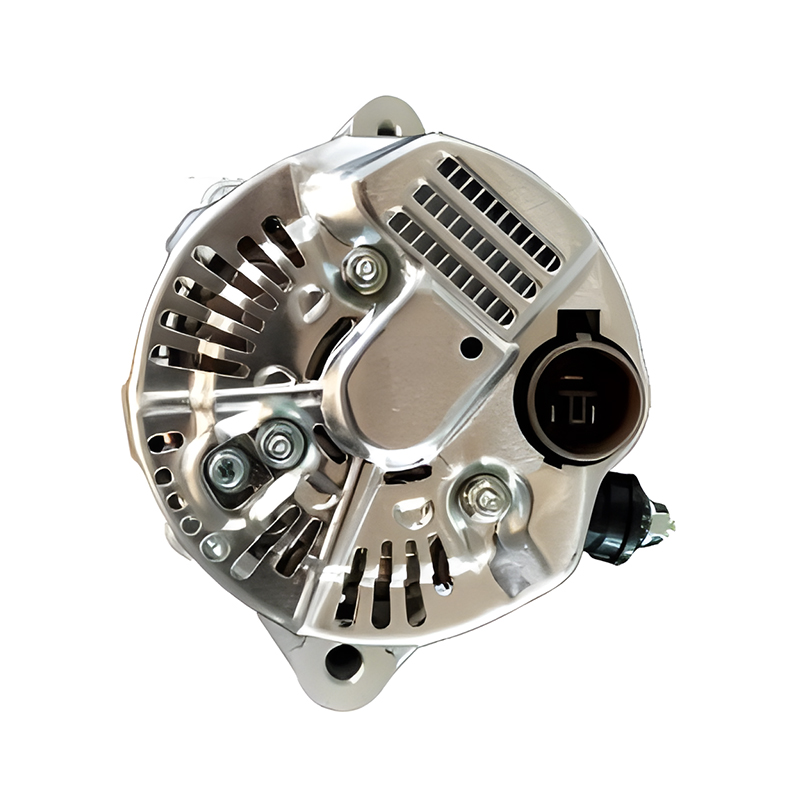 12V 80A DENSO Alternator for Toyota CamryOEM-referenced 12V 80A replacement for Camry models with a 6-groove pulley, suited to the mid-range output discussed here.View Product →
New, remanufactured or used
Here the economics get interesting. A remanufactured unit is usually 30 to 45 percent cheaper up front because the core housing and some hardware are reused. The trade-off is that the quality of a rebuild depends entirely on who did it and how much of the inside was actually replaced. A used unit from a breaker yard is cheaper still, but it carries whatever mileage it had when the donor car died.
We build 100 percent new alternators rather than rebuilding cores, so read that bias as you will — but the practical advice holds either way. If you plan to keep the vehicle, a new unit is usually the cheaper decision over five years. If you are selling in the spring, a reputable remanufactured part is a defensible compromise. For a look at how pricing tracks across brands and outputs, our Bosch-compatible alternator range shows the spread from 45A compact units up to 200A heavy-duty builds.
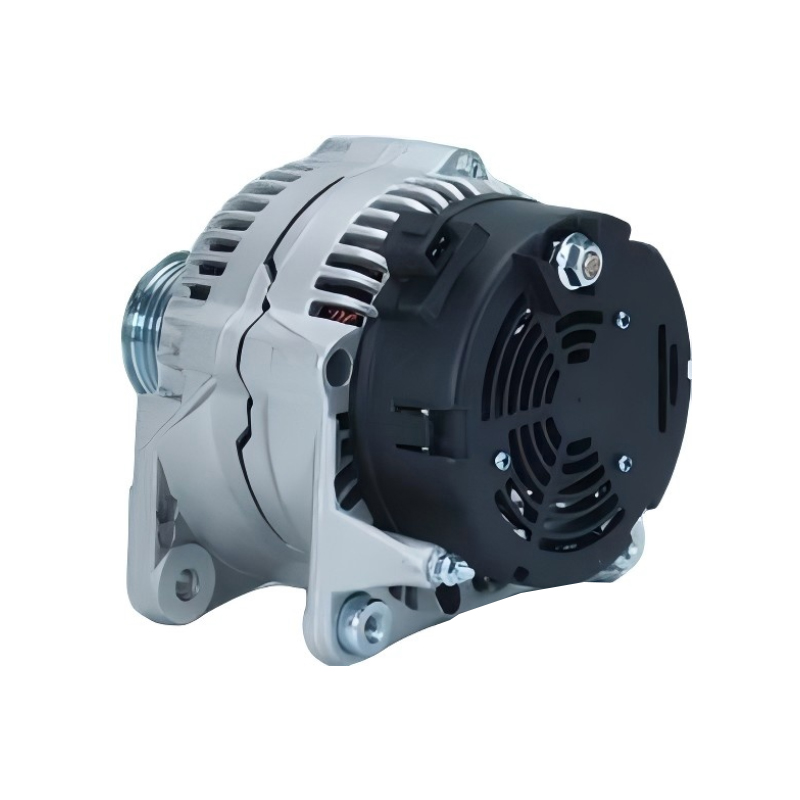 Bosch-Style 12V 90A Alternator for VW Golf/JettaBosch-style 90A replacement for Golf and Jetta 1.6L–2.0L models, with internal regulator and OEM references for comparison.View Product →
Signs the Alternator Is Failing
Confirming the fault before spending money is the single best way to keep the bill down. These are the symptoms we hear about most often:
- The battery warning light stays on after the engine catches
- Headlights dim at idle and brighten when you rev the engine
- The battery keeps dying even after a full overnight charge
- Whining, grinding or a chirping belt from the accessory drive
- Electrical oddities such as flickering dash lights, slow windows or a radio that resets
- A hot, rubbery or metallic smell near the alternator after a short drive
None of these is proof on its own. A loose belt, a tired battery or a corroded ground strap can imitate an alternator fault almost perfectly, which is why a five-minute charging-system test is worth paying for.
Repair or Replace? A Practical Way to Decide
Alternators are rarely worth repairing once they are off the car, unless the failure is a known wear item such as brushes or an external regulator. Worn bearings, a failed rectifier or a cracked housing means replacement, full stop.
Our rule of thumb: if the vehicle has covered more than 150,000 km and the original unit has failed, fit a new or quality remanufactured alternator and inspect the belt, tensioner and battery at the same time. Doing the belt now costs a fraction of doing it in six months when it strands you. If you are still unsure which specification suits your engine, this guide on how to choose the right alternator walks through matching part numbers and amperage ratings.
How to Keep the Cost Down Without Regret
- Get the charging system tested before authorising any parts.
- Ask for a written split between parts and labor, plus the hourly rate.
- Question the belt and tensioner only if they were replaced recently; otherwise let them be done.
- Compare new and remanufactured prices for your exact part number, not a generic listing.
- Return the old unit if a core charge applies — that refund is often $40 to $120.
- If you are doing the job yourself, budget for a torque wrench and thread lubricant, and check whether your vehicle needs a charging-system relearn after fitting.
When It Is a Truck, Bus or Machine
Heavy-duty applications follow the same logic at a larger scale. A 24V alternator on a haulage truck, a coach or a piece of earthmoving equipment costs more to buy, takes longer to swap, and carries a downtime cost that dwarfs the part price. That is why fleet operators tend to keep a spare on the shelf rather than wait for a failure. Output ratings in this world run from 55A up to 150A and beyond, and the mounting and pulley arrangement matters as much as the amperage.
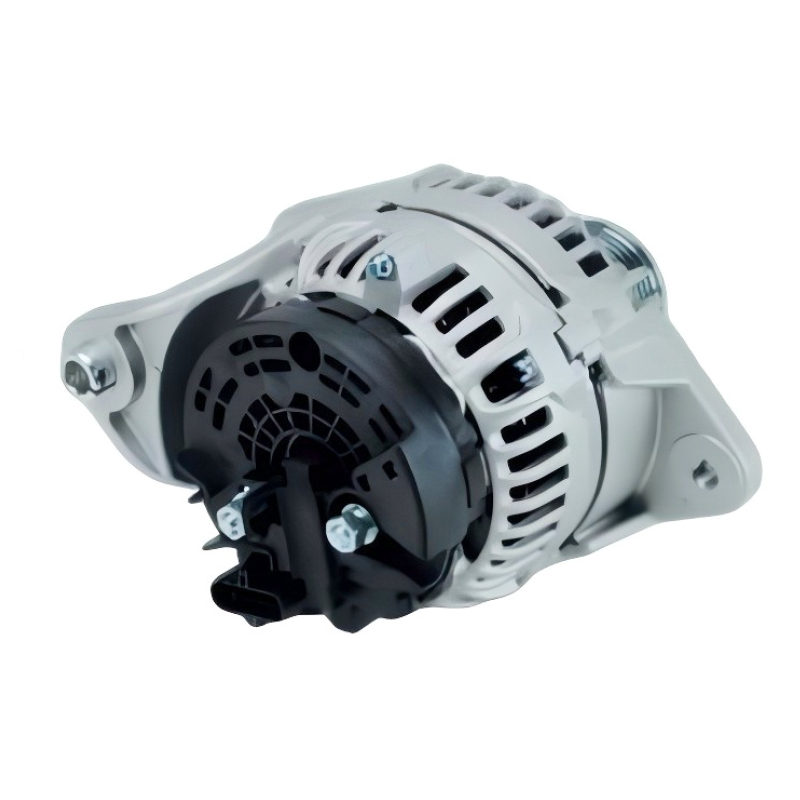 24V 80A Bosch-Style Alternator for Volvo FH TrucksA 24V 80A replacement for Volvo FH12, FH16 and FH480 with 8PK pulley and OE references, relevant where downtime costs dominate.View Product →
For a truck that works every day, paying a little more for a new unit with a proper warranty is almost always the cheaper arithmetic once a single lost day is counted.
Warranty and What to Ask Before You Pay
New alternators commonly carry 12 to 24 months of coverage, remanufactured units 12 months, and used parts usually nothing at all. Ask what the warranty covers — parts only, or labor as well — and who honours it if you are travelling. Keep the invoice; it is the only thing that matters when a claim comes up two years later.
The honest summary is that most drivers pay somewhere between $350 and $900 for an alternator replacement, with European and heavy-duty vehicles pushing past that. The part is rarely the mystery. Labor time, output rating and the honesty of the diagnosis are what actually move the number, and all three are things you can question before the work begins.
Related products
-
-
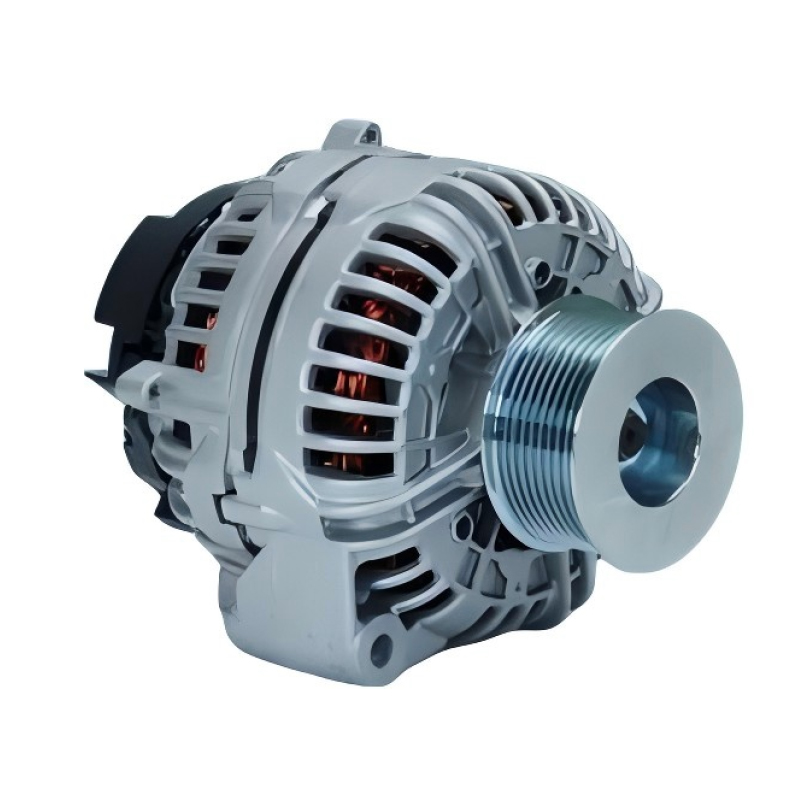
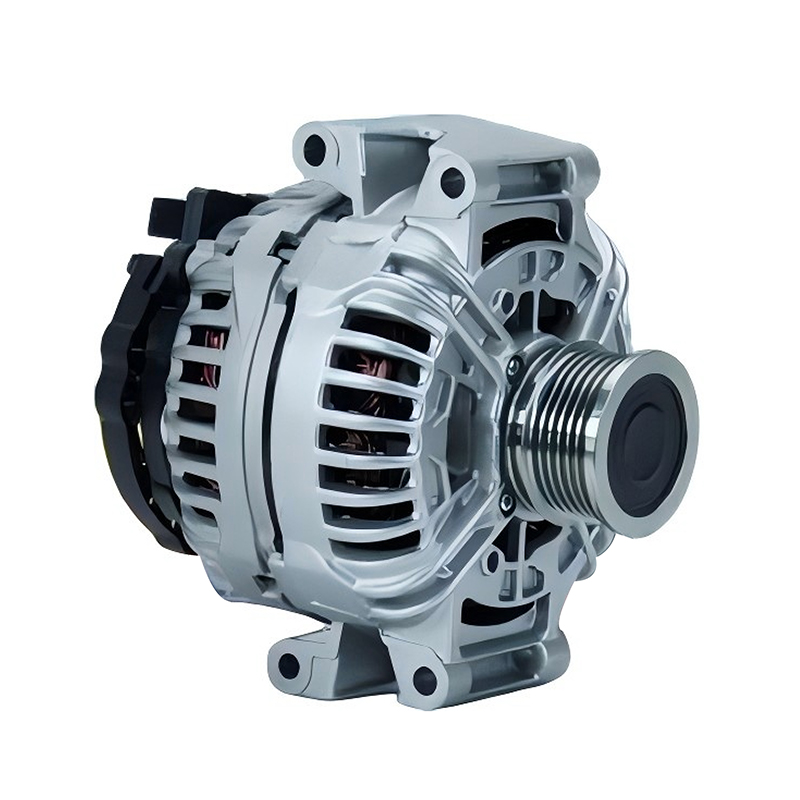
When it comes to keeping your JOHN DEERE 2007-2009 model running smoothly, a reliable alternator is non-negotiable—and the 12V 200A 12796/0124625030 Bosch car alternator for JOHN DEERE 2007-2009 is en...
See Details -
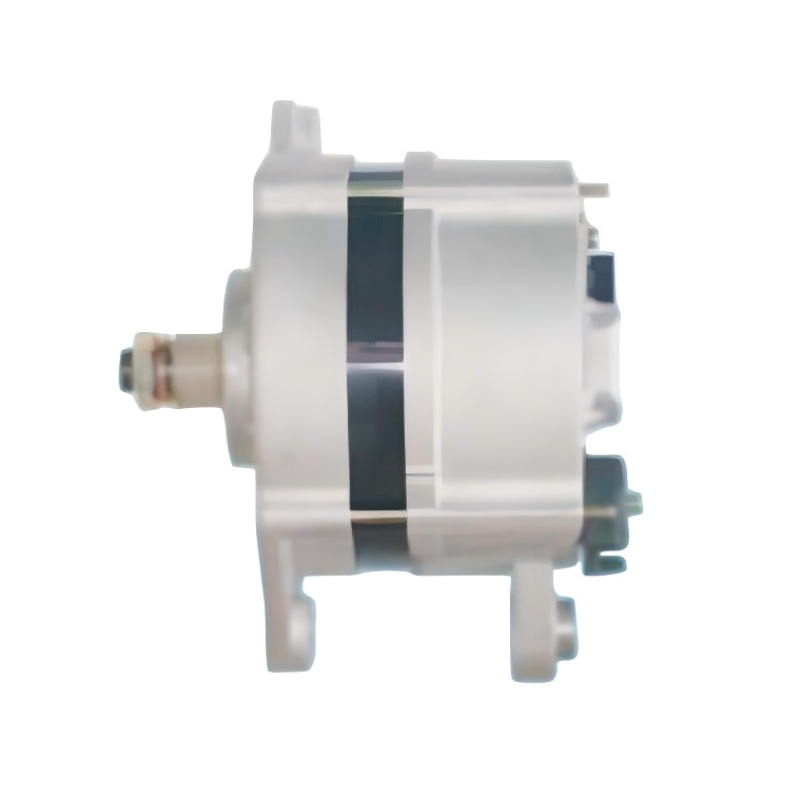
The 24V 55A 12135/0120469978 Bosch car alternator for IVECO EuroCargo EuroTrakker 100E15 90E37 is a reliable power solution specifically engineered for the IVECO EuroCargo EuroTrakker 100E15 90E37 eng...
See Details -
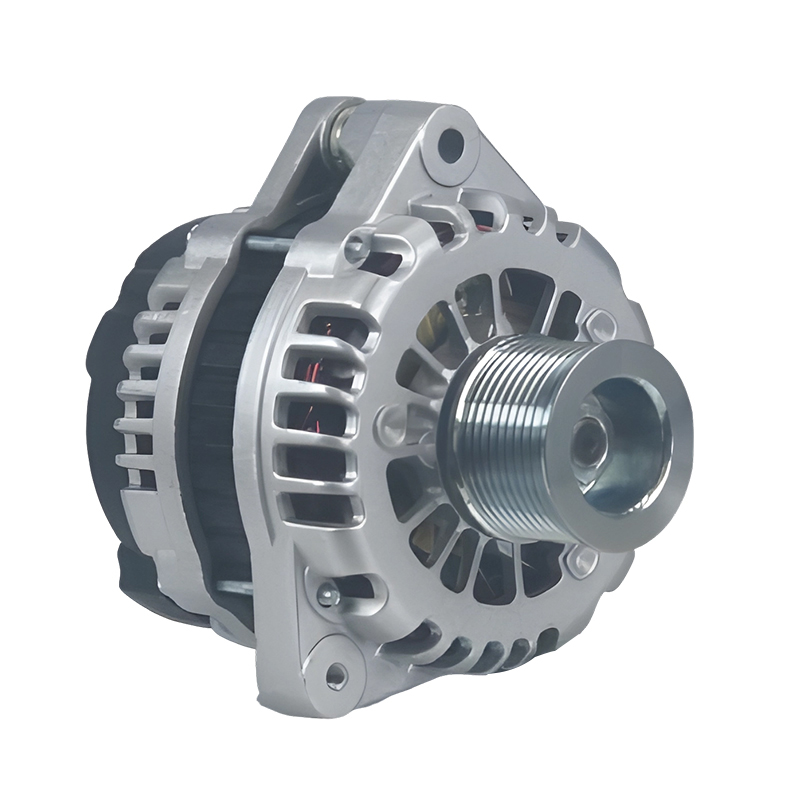
A reliable power solution for commercial and passenger vehicles, the 24V 90A 20289N/0123520500 Bosch car alternator for Hongyan,Genlyon,Saic,lveco,Howo,Weicha is engineered to deliver consistent perfo...
See Details -
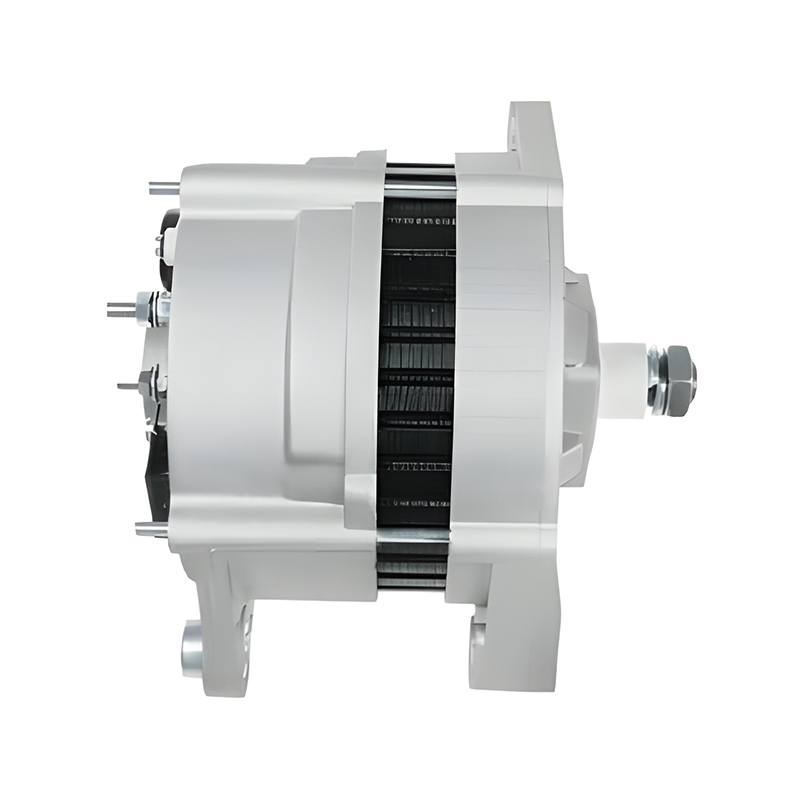
Designed as a reliable power solution for the IVECO 100 E15 engine series, the 24V 80A 12709/0120468116 Bosch car alternator for IVECO 100 E15 combines precision engineering with durable performance t...
See Details -
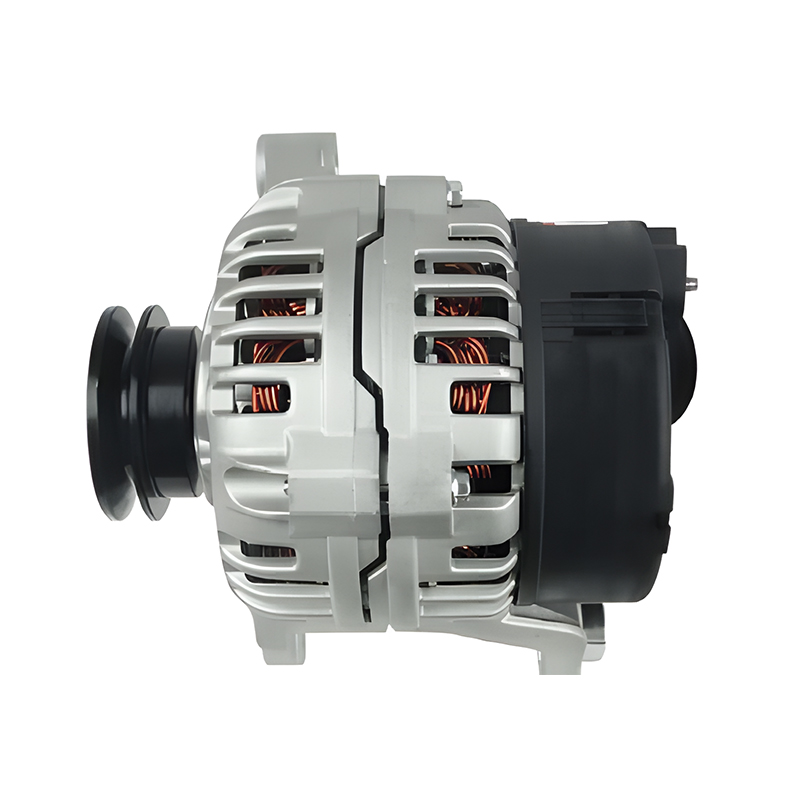
The 12V 90A 0123315503/112406 Bosch car alternator for IV ECO DAIY is a high-quality replacement part specifically designed for the IV ECO DAIY engine series, offering reliable performance to meet the...
See Details

Contact Information
-
Production Plant:No.19, West Taihu Avenue, Wujin District, Changzhou City, Jiangsu Province, China
-
Email:
-
Phone:+86 157 2060 1523
-
TEL:+86-519 8639 0626
Copyright © 2025 Changzhou Hancheng Auto Parts Co., Ltd. All Rights Reserved.
PrivacyAutomotive Alternators Manufacturers High Output Car Alternator Factory
