


 中文简体
中文简体 Español
 Français
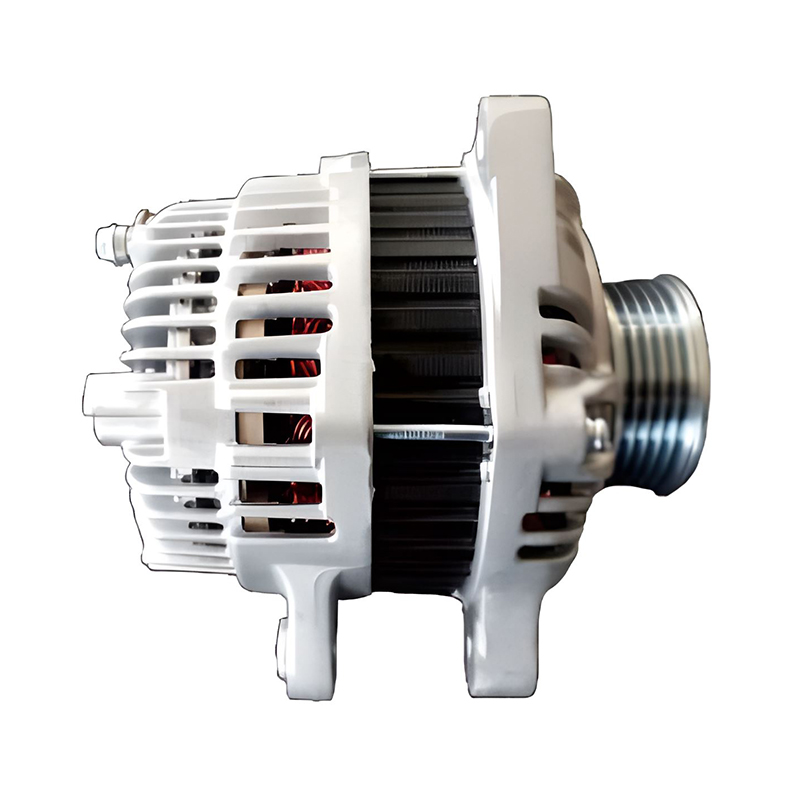
The 24V 55A 12135/0120469978 Bosch car alternator for IVECO EuroCargo EuroTrakker 100E15 90E37 is a reliable power solution specifically engineered for the IVECO EuroCargo EuroTrakker 100E15 90E37 eng...
See Details

Get A Quote
How Do You Know When It's Time to Replace a Mitsubishi or Honda Car Alternator?
Jul 21, 2026
Content
- 1 Understanding the Role of the Alternator in Mitsubishi and Honda Vehicles
- 2 Common Warning Signs That Indicate Alternator Trouble
- 3 Symptom Comparison Table for Quick Reference
- 4 How Mileage and Age Affect Alternator Lifespan
- 5 Testing the Alternator Before Replacement
- 6 Choosing the Right Replacement Alternator
- 7 Consequences of Delaying Alternator Replacement
- 8 Best Practices After Installing a New Alternator
- 9 Final Thoughts on Timing the Replacement
Understanding the Role of the Alternator in Mitsubishi and Honda Vehicles
The alternator is one of the most critical components in a Mitsubishi or Honda vehicle's electrical system. It converts mechanical energy from the engine into electrical energy, keeping the battery charged and powering everything from headlights to the fuel injection system. When an alternator begins to fail, the effects ripple through the entire vehicle, often mimicking battery problems or other electrical faults. Recognizing the right time to replace an alternator can prevent a stranded vehicle, protect other electrical components from damage, and extend the overall lifespan of the car.
Mitsubishi and Honda models, ranging from compact sedans like the Civic and Lancer to SUVs like the Outlander and CR-V, rely on alternators engineered to match specific engine outputs and electrical loads. Because these vehicles are widely used across different climates and driving conditions, alternator wear patterns can vary significantly, making it important to know the warning signs before a complete failure occurs.
Common Warning Signs That Indicate Alternator Trouble
Most alternator failures do not happen instantly. Instead, they develop gradually, giving drivers several opportunities to catch the problem early. Being familiar with these signs helps avoid unexpected breakdowns.
Dimming or Flickering Lights
One of the earliest indicators is inconsistent lighting. Headlights, dashboard lights, or interior lights that dim when the engine idles and brighten when the engine revs suggest the alternator is struggling to maintain a steady electrical output.
Warning Light on the Dashboard
A battery-shaped warning light illuminating on the dashboard is a direct signal from the vehicle's onboard diagnostics that the charging system is not performing correctly. While this light is often associated with battery issues, in Mitsubishi and Honda models it frequently points to a failing alternator.
Unusual Noises
A whining, grinding, or growling noise coming from the engine bay can indicate worn bearings inside the alternator. This noise typically increases with engine speed and should not be ignored, as it often precedes complete failure.
Frequent Battery Problems
If a battery keeps dying despite being replaced or fully charged, the root cause is often an alternator that is not recharging it properly during operation. This is one of the most misdiagnosed symptoms, as many drivers replace the battery without addressing the actual source of the problem.
Symptom Comparison Table for Quick Reference
The table below summarizes common symptoms, their likely causes, and the urgency level for inspection or replacement.
| Symptom | Likely Cause | Urgency |
| Dimming headlights | Weak voltage output | Moderate |
| Battery warning light | Charging system fault | High |
| Whining or growling noise | Worn internal bearings | High |
| Repeated battery failure | Insufficient recharging | High |
| Burning rubber smell | Overheating or slipping belt | Moderate to High |
| Electrical accessories malfunctioning | Unstable voltage supply | Moderate |
How Mileage and Age Affect Alternator Lifespan
Alternators in Mitsubishi and Honda vehicles are generally built to last between 80,000 and 150,000 miles, though this range depends heavily on driving conditions, climate exposure, and maintenance history. Vehicles frequently driven in stop-and-go traffic, extreme heat, or dusty environments tend to experience faster wear on internal components such as bearings, brushes, and voltage regulators.
Owners of older Honda Civics, Accords, or Mitsubishi Lancers approaching the 100,000-mile mark should consider having the charging system tested during routine maintenance, even if no symptoms are present yet. Preventive testing can catch early degradation before it leads to a roadside breakdown.
Testing the Alternator Before Replacement
Before committing to a replacement, it is worth confirming that the alternator is indeed the source of the problem. A few reliable testing methods include the following.
- Using a multimeter to measure voltage output at the battery terminals, both with the engine off and running, to check whether the alternator is charging within the normal 13.5 to 14.5 volt range.
- Inspecting the serpentine belt for wear, cracking, or slipping, since a damaged belt can mimic alternator failure symptoms.
- Listening for abnormal noises with the engine running and accessories such as the air conditioning turned on, which places additional load on the alternator.
- Using an onboard diagnostic scanner to check for stored charging system fault codes, which can pinpoint whether the issue lies in the alternator, wiring, or battery.
Choosing the Right Replacement Alternator
When a replacement becomes necessary, selecting a unit that matches the exact specifications of the original equipment is essential for reliable performance. Mitsubishi and Honda vehicles use alternators with specific amperage ratings, pulley designs, and connector types depending on the model year and engine variant.
Matching Amperage Output
Vehicles equipped with additional electrical accessories, such as upgraded sound systems or auxiliary lighting, may require a higher amperage alternator than the standard factory rating. Confirming the correct amperage prevents undercharging issues after installation.
Verifying Connector and Mounting Compatibility
Even within the same vehicle lineup, connector types and mounting brackets can differ between model years or trims. Cross-referencing the original part number ensures a proper fit and avoids costly returns or installation delays.
Considering Build Quality and Testing Standards
Alternators built with high-grade bearings, durable brushes, and rigorously tested voltage regulators tend to offer longer service life. Units that undergo bench testing before shipment reduce the likelihood of early failure after installation.
Consequences of Delaying Alternator Replacement
Postponing alternator replacement after symptoms appear can lead to more than just an inconvenient breakdown. A failing alternator places extra strain on the battery, often shortening its lifespan even if the battery itself was in good condition. In more severe cases, inconsistent voltage output can damage sensitive electronic modules, including the engine control unit, power steering system, or infotainment components, resulting in repair costs far higher than the alternator replacement itself.
Additionally, a complete alternator failure while driving can cause the engine to stall unexpectedly, particularly in vehicles with electronic fuel injection systems that depend on a stable power supply. This creates a genuine safety risk, especially at highway speeds or in heavy traffic.
Best Practices After Installing a New Alternator
Once a new alternator is installed, a few follow-up steps help ensure long-term reliability.
- Recheck the serpentine belt tension, since improper tension can cause premature wear on the new unit.
- Test the charging voltage after a short drive to confirm the alternator is performing within the expected range.
- Inspect the battery terminals for corrosion, as a poor connection can affect charging efficiency even with a properly functioning alternator.
- Keep a record of the installation date and mileage for future maintenance planning.
Final Thoughts on Timing the Replacement
Recognizing the early signs of alternator wear in Mitsubishi and Honda vehicles allows for a planned replacement rather than an emergency repair. Paying attention to dimming lights, dashboard warnings, unusual noises, and recurring battery issues can help identify the right time to act. Combined with regular testing around the 80,000 to 150,000-mile range and careful selection of a properly matched replacement unit, drivers can maintain a stable, reliable electrical system for years to come.
Related products
-
-
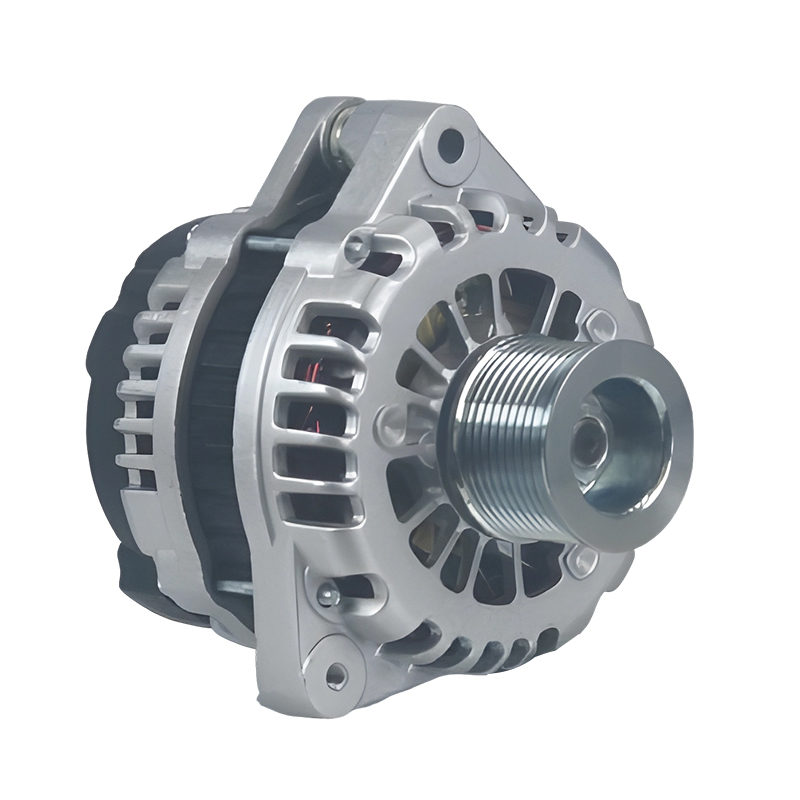
A reliable power solution for commercial and passenger vehicles, the 24V 90A 20289N/0123520500 Bosch car alternator for Hongyan,Genlyon,Saic,lveco,Howo,Weicha is engineered to deliver consistent perfo...
See Details -
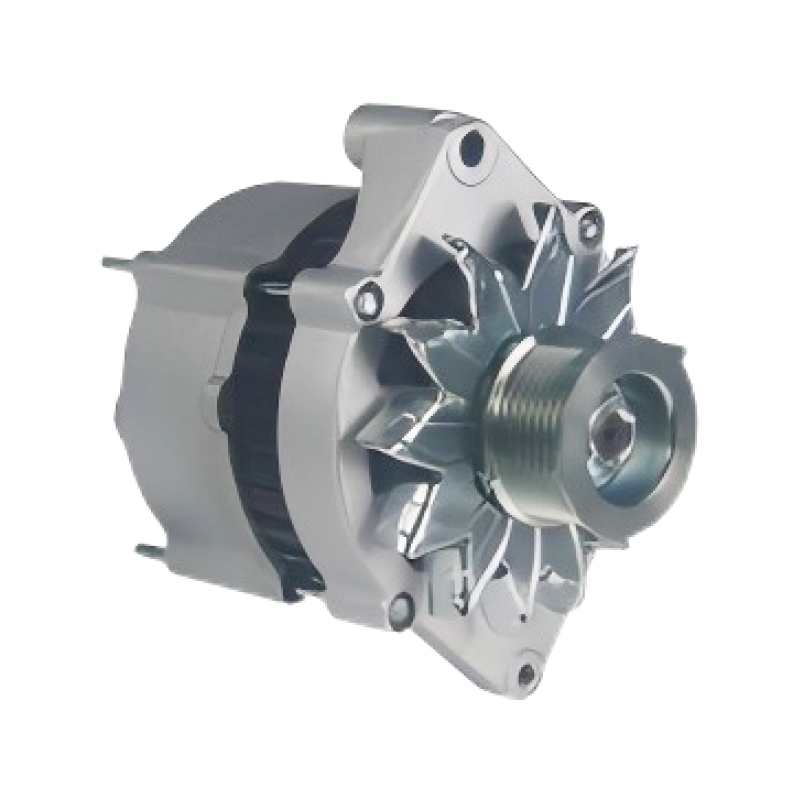
The 12V 95A 12145/0120484011 Bosch car alternator for CASE Crawler Dozer 650K Series 3 Case 4.5L is a high-quality replacement part specifically engineered for the CASE Crawler Dozer 650K Series 3 equ...
See Details -
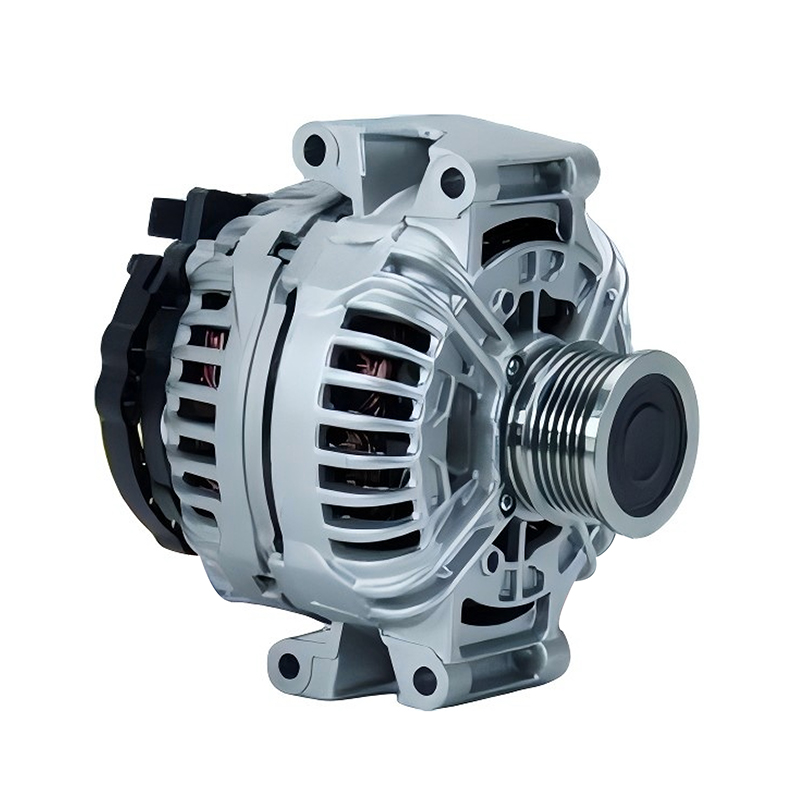
Designed to meet the demanding electrical needs of modern vehicles, the 12V 150A 11064/0124615009 Bosch car alternator for AUDI A4 1.6L, 1.8L, 2.0L is a trusted solution for AUDI A4 owners. Boasting a...
See Details -
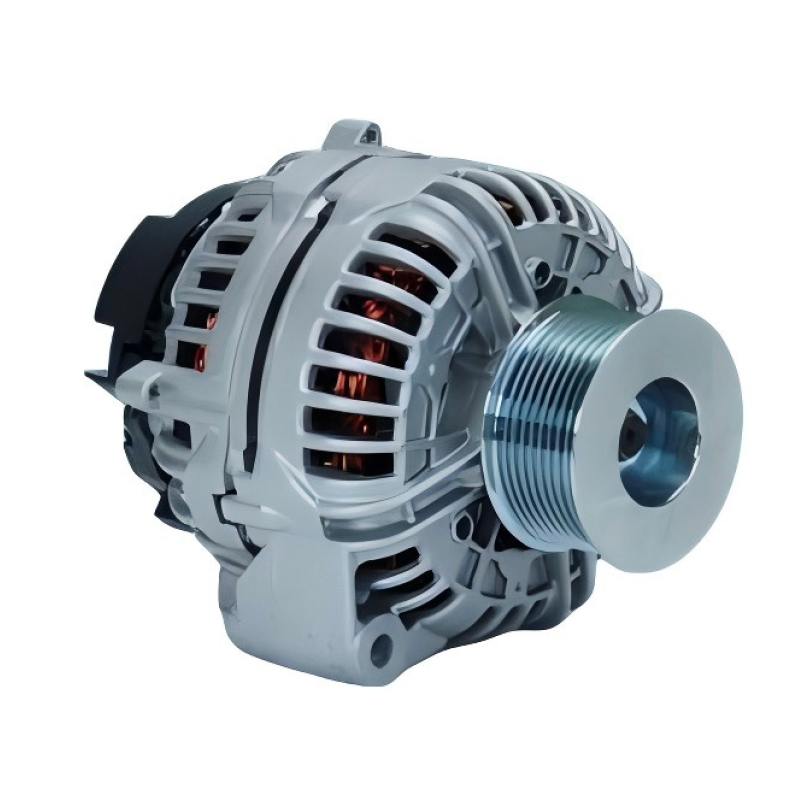
When it comes to keeping your JOHN DEERE 2007-2009 model running smoothly, a reliable alternator is non-negotiable—and the 12V 200A 12796/0124625030 Bosch car alternator for JOHN DEERE 2007-2009 is en...
See Details -
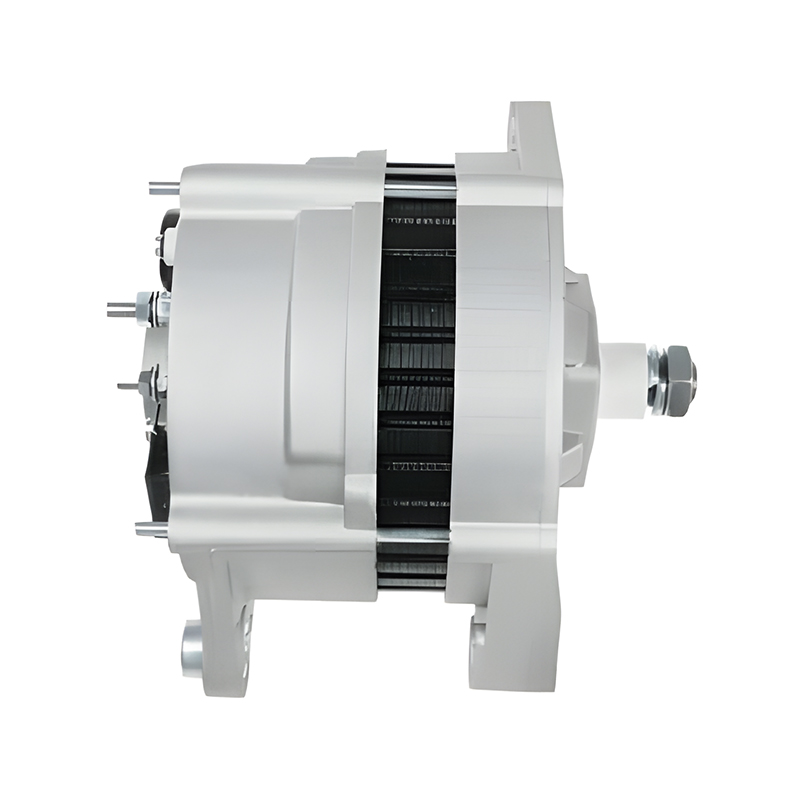
Designed as a reliable power solution for the IVECO 100 E15 engine series, the 24V 80A 12709/0120468116 Bosch car alternator for IVECO 100 E15 combines precision engineering with durable performance t...
See Details

Contact Information
-
Production Plant:No.19, West Taihu Avenue, Wujin District, Changzhou City, Jiangsu Province, China
-
Email:
-
Phone:+86 157 2060 1523
-
TEL:+86-519 8639 0626
Copyright © 2025 Changzhou Hancheng Auto Parts Co., Ltd. All Rights Reserved.
PrivacyAutomotive Alternators Manufacturers High Output Car Alternator Factory
