


 中文简体
中文简体 Español
 Français
The 24V 55A 12135/0120469978 Bosch car alternator for IVECO EuroCargo EuroTrakker 100E15 90E37 is a reliable power solution specifically engineered for the IVECO EuroCargo EuroTrakker 100E15 90E37 eng...
See Details

Get A Quote
How Can You Tell If Your Mitsubishi Car Alternator Needs Repair?
Jun 01, 2026
Content
- 1 Understanding the Role of Mitsubishi Car Alternators
- 2 Dim or Flickering Lights
- 3 Battery Warning Light Appears on the Dashboard
- 4 Electrical Accessories Perform Poorly
- 5 Difficulty Starting the Engine or Frequent Battery Drain
- 6 Additional Symptoms That May Accompany Alternator Failure
- 7 Why Prompt Alternator Repair Matters
- 8 Conclusion
Understanding the Role of Mitsubishi Car Alternators
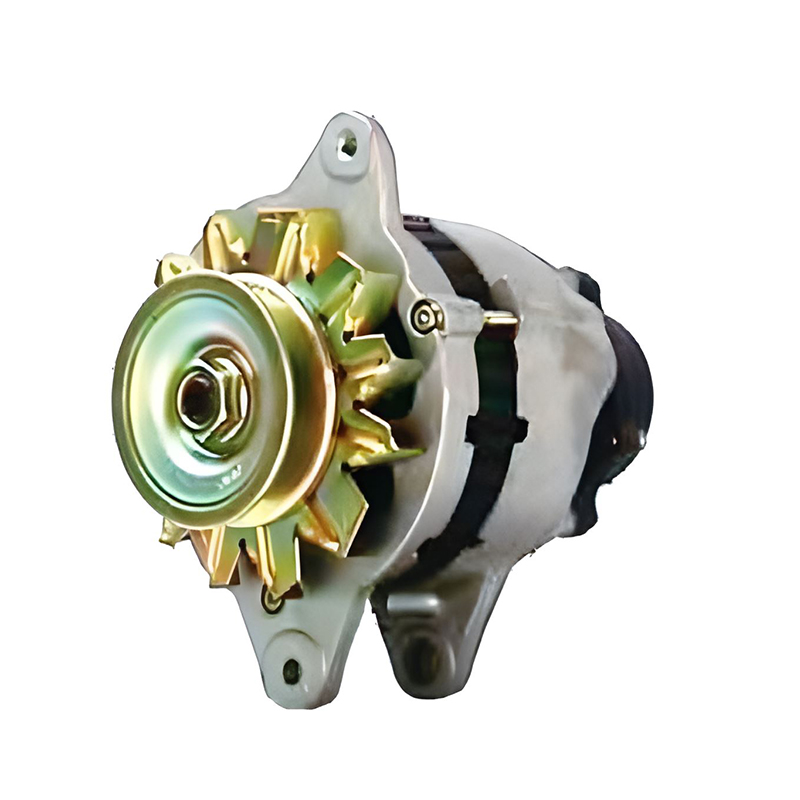
The alternator is one of the most important components in any Mitsubishi vehicle. While many drivers focus on the battery when electrical issues arise, the alternator is responsible for generating electricity and keeping the battery charged while the engine is running. Without a properly functioning alternator, your Mitsubishi may experience electrical failures, poor performance, or even complete engine shutdown.
Mitsubishi car alternators convert mechanical energy from the engine into electrical power. This electricity supplies essential systems such as headlights, dashboard instruments, infotainment systems, air conditioning controls, power windows, and numerous electronic modules. Modern Mitsubishi vehicles rely heavily on electrical systems, making alternator health more important than ever.
Recognizing the warning signs of alternator failure early can help you avoid costly repairs, roadside breakdowns, and unexpected vehicle downtime. The following four signs are among the most common indicators that your Mitsubishi alternator may require professional inspection or repair.
Dim or Flickering Lights
One of the earliest and most noticeable symptoms of alternator trouble is dim or flickering lighting. Since the alternator supplies power to the vehicle's electrical systems, any reduction in output can immediately affect lighting performance.
Drivers may notice that headlights appear weaker than usual, especially during nighttime driving. Interior lights, dashboard illumination, and display screens may also fluctuate in brightness. In some cases, lights may become brighter when accelerating and dimmer when idling, indicating inconsistent alternator output.
Common Lighting Symptoms
- Headlights flicker while driving.
- Dashboard warning lights appear intermittently.
- Interior cabin lights dim unexpectedly.
- Infotainment screens experience brightness fluctuations.
Although lighting issues can sometimes result from worn bulbs or wiring problems, widespread electrical fluctuations often point to a charging system issue. Prompt diagnosis can prevent further damage to sensitive electrical components.
Battery Warning Light Appears on the Dashboard
Many Mitsubishi models are equipped with a battery-shaped warning light on the instrument cluster. Contrary to popular belief, this warning light does not always indicate a defective battery. In many cases, it signals a problem within the charging system, including the alternator.
When the alternator fails to provide sufficient charging voltage, the vehicle's onboard monitoring system detects the abnormal condition and activates the warning indicator. Ignoring this warning can eventually lead to battery discharge and engine stalling.
Drivers should pay particular attention if the battery warning light appears together with other electrical symptoms. The combination often suggests a charging system failure rather than a simple battery issue.
What the Warning Light May Indicate
| Warning Sign | Possible Cause |
| Battery light remains on | Low alternator output |
| Battery light flickers | Loose alternator connection |
| Battery light with dim lights | Charging system failure |
| Battery light and stalling | Severely failing alternator |
A professional charging system test can accurately determine whether the alternator, battery, voltage regulator, or related wiring is responsible for the warning light.
Electrical Accessories Perform Poorly
Modern Mitsubishi vehicles depend on stable electrical power to operate a wide range of convenience and safety features. As alternator performance declines, electrical accessories may begin functioning erratically or less effectively.
Drivers may notice power windows moving more slowly than usual, power seats responding sluggishly, or the infotainment system restarting unexpectedly. Air conditioning blowers may lose strength, and heated seats may fail to reach their normal operating temperature.
These issues occur because the alternator can no longer meet the vehicle's electrical demands. As a result, the battery is forced to compensate, causing gradual battery depletion and worsening performance over time.
Accessories Commonly Affected
- Power windows and door locks.
- Navigation and infotainment systems.
- Air conditioning controls and blower motors.
- USB charging ports and electrical outlets.
- Heated seats and electronic comfort features.
When multiple electrical components begin malfunctioning simultaneously, the alternator should be inspected before replacing individual parts. Addressing the root cause can save significant repair costs and diagnostic time.
Difficulty Starting the Engine or Frequent Battery Drain
A weak alternator can eventually lead to repeated starting problems. Since the alternator's primary function is to recharge the battery after engine startup, insufficient charging leaves the battery underpowered and unable to deliver the required starting current.
Many Mitsubishi owners mistakenly replace batteries multiple times when the actual problem is an alternator that is no longer maintaining proper charging voltage. While a new battery may temporarily improve performance, the issue often returns if the alternator remains defective.
Signs of charging-related starting issues include slow engine cranking, clicking sounds during startup, repeated jump-start requirements, and batteries that fail prematurely despite being relatively new.
Typical Starting Symptoms
- Engine cranks slowly before starting.
- Vehicle requires frequent jump-starts.
- Battery loses charge overnight or after short periods.
- New batteries fail unusually quickly.
Ignoring these symptoms increases the risk of becoming stranded with a vehicle that cannot start. Early inspection helps identify charging system deficiencies before complete alternator failure occurs.
Additional Symptoms That May Accompany Alternator Failure
While the four major signs discussed above are the most common indicators, alternator problems can produce several additional symptoms. Some drivers report unusual noises coming from the engine bay, particularly grinding or whining sounds caused by worn alternator bearings.
In certain cases, a burning smell may develop if alternator components overheat. Damaged wiring, slipping belts, or internal electrical faults can generate excess heat and create noticeable odors. These symptoms should never be ignored, as they may indicate progressing damage.
Engine performance can also be affected. Some Mitsubishi vehicles may experience rough idling, unexpected stalling, or erratic sensor readings due to unstable electrical supply. Because modern engine management systems depend on reliable voltage, alternator failure can impact more than just the charging system.
Why Prompt Alternator Repair Matters
Delaying alternator repairs can result in significantly more expensive problems. As alternator output decreases, the battery is subjected to repeated discharge cycles that shorten its lifespan. Electrical components may also suffer damage from unstable voltage levels.
A completely failed alternator can leave a vehicle unable to operate. Once battery reserves are exhausted, essential systems such as fuel injection, ignition, and electronic control modules may stop functioning, causing the engine to stall.
Regular inspections and prompt repairs help maintain vehicle reliability, reduce the likelihood of emergency breakdowns, and protect expensive electronic systems from unnecessary wear.
Conclusion
Mitsubishi car alternators play a critical role in powering vehicle electronics and maintaining battery charge. Understanding the warning signs of alternator failure allows drivers to address issues before they become serious. Dim or flickering lights, a battery warning light on the dashboard, poor performance of electrical accessories, and difficulty starting the engine are four of the most important indicators that alternator repair may be necessary.
If any of these symptoms appear in your Mitsubishi vehicle, arranging a professional charging system inspection as soon as possible can help prevent breakdowns, protect electrical components, and ensure dependable vehicle operation for years to come.
Related products
-
-
A reliable power solution for commercial and passenger vehicles, the 24V 90A 20289N/0123520500 Bosch car alternator for Hongyan,Genlyon,Saic,lveco,Howo,Weicha is engineered to deliver consistent perfo...
See Details -
Designed to meet the demanding electrical needs of modern vehicles, the 12V 150A 11064/0124615009 Bosch car alternator for AUDI A4 1.6L, 1.8L, 2.0L is a trusted solution for AUDI A4 owners. Boasting a...
See Details -
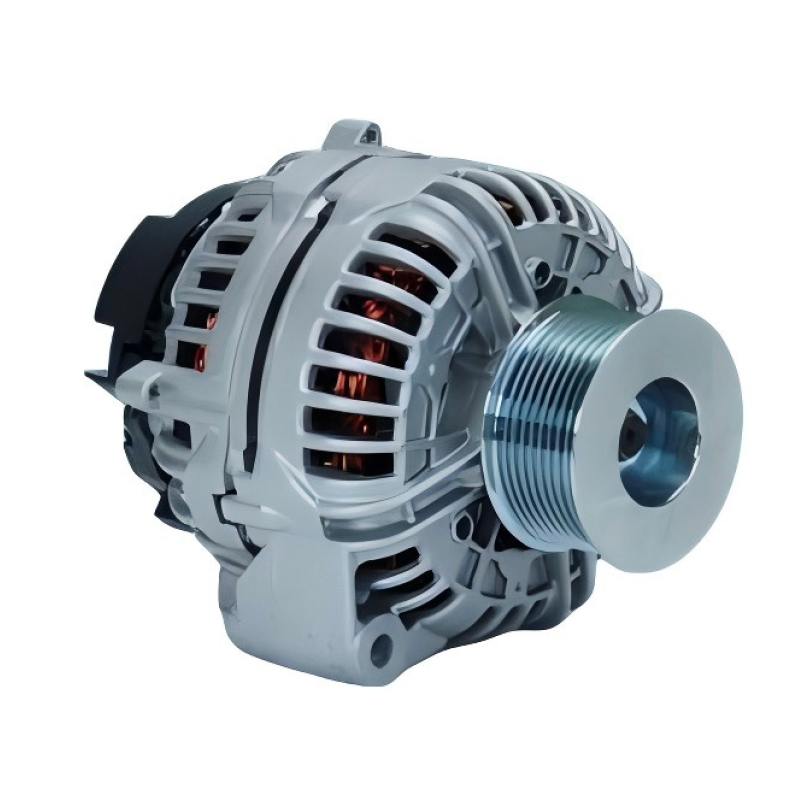
When it comes to keeping your JOHN DEERE 2007-2009 model running smoothly, a reliable alternator is non-negotiable—and the 12V 200A 12796/0124625030 Bosch car alternator for JOHN DEERE 2007-2009 is en...
See Details -
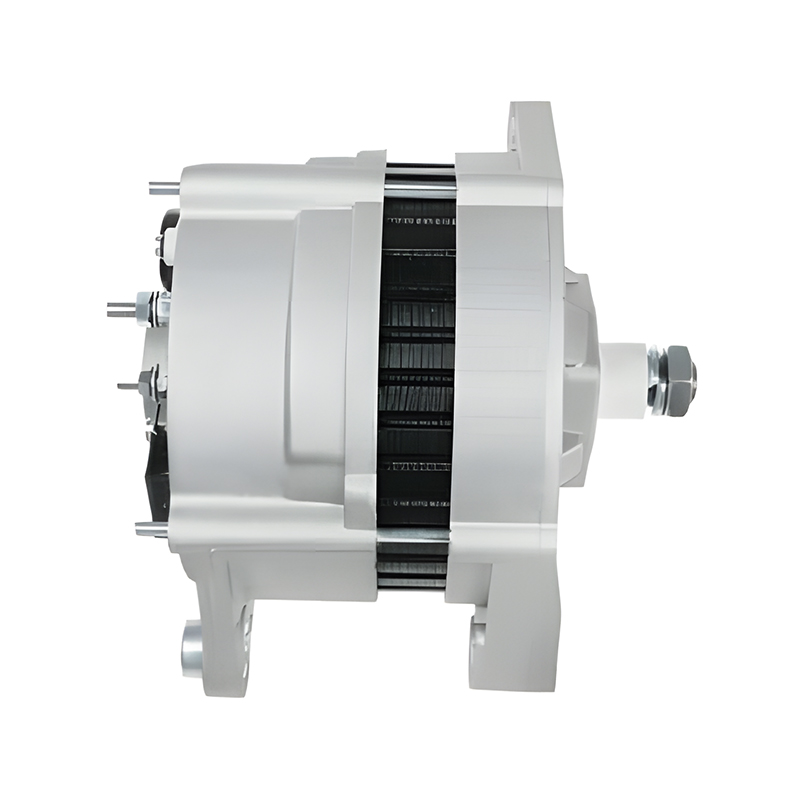
Designed as a reliable power solution for the IVECO 100 E15 engine series, the 24V 80A 12709/0120468116 Bosch car alternator for IVECO 100 E15 combines precision engineering with durable performance t...
See Details -
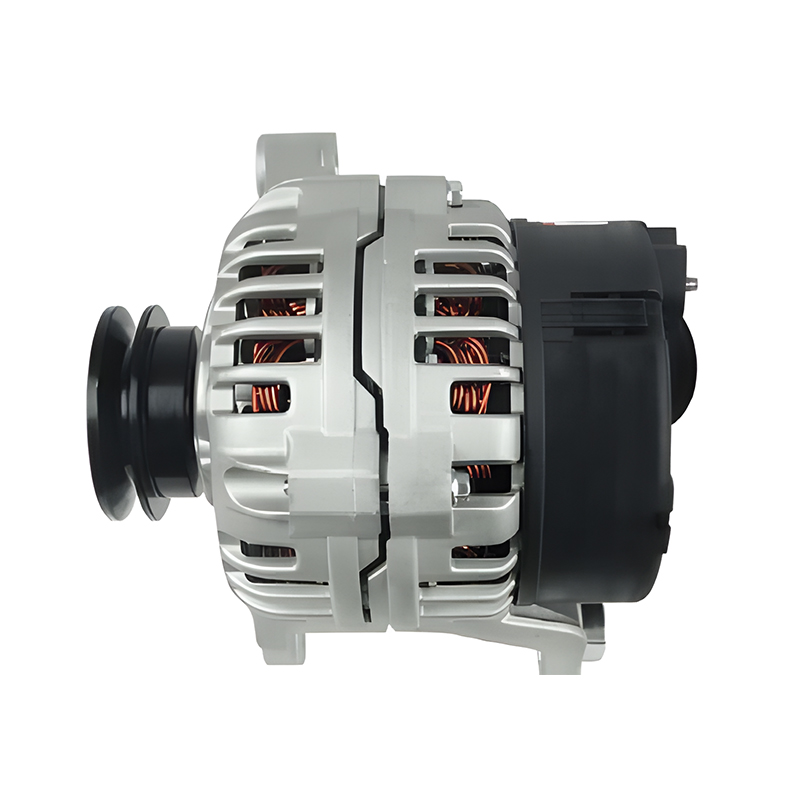
The 12V 90A 0123315503/112406 Bosch car alternator for IV ECO DAIY is a high-quality replacement part specifically designed for the IV ECO DAIY engine series, offering reliable performance to meet the...
See Details

Contact Information
-
Production Plant:No.19, West Taihu Avenue, Wujin District, Changzhou City, Jiangsu Province, China
-
Email:
-
Phone:+86 157 2060 1523
-
TEL:+86-519 8639 0626
Copyright © 2025 Changzhou Hancheng Auto Parts Co., Ltd. All Rights Reserved.
PrivacyAutomotive Alternators Manufacturers High Output Car Alternator Factory
