


 中文简体
中文简体 Español
 Français
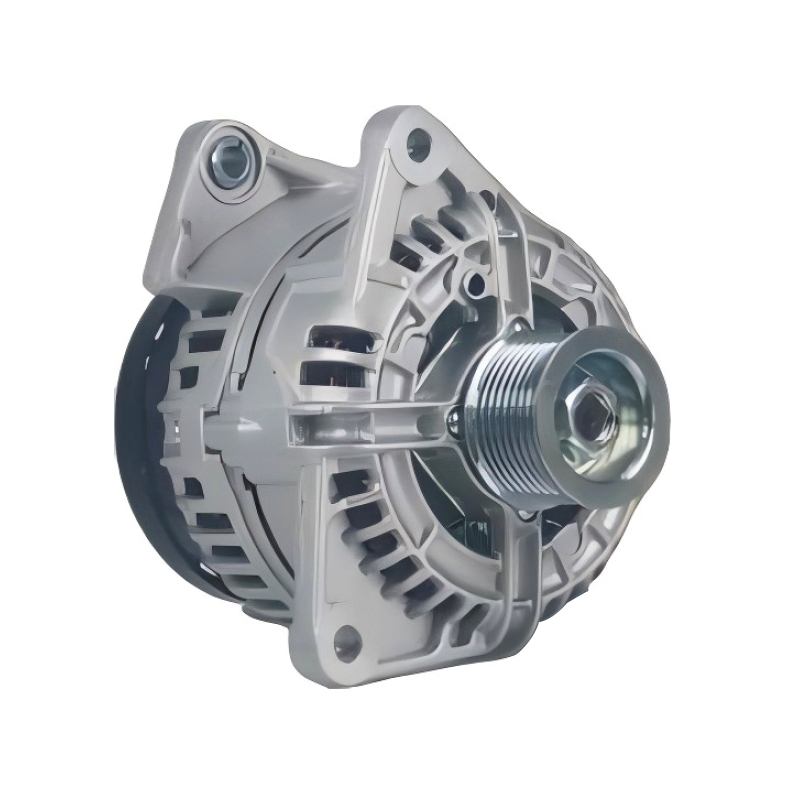
The 24V 80A 23527/0124555010 Bosch car alternator for FARYMAN Engines Deutz, IHC 16.1L F10L is designed to provide continuous power and reliable performance. It is a high-end replacement solution spec...
See Details

Get A Quote
What Should You Look for in a Car Alternator Manufacturer?
Jul 20, 2026
Content
- 1 Why Alternator Quality Directly Affects Vehicle Reliability
- 2 Key Manufacturing Standards to Evaluate
- 3 OEM-Grade vs Standard Aftermarket: Understanding the Difference
- 4 Assessing a Manufacturer's Production Capacity
- 5 Quality Control Checkpoints That Actually Matter
- 6 Export Readiness and Logistics Reliability
- 7 Building a Long-Term Supplier Relationship
Why Alternator Quality Directly Affects Vehicle Reliability
An alternator is not a minor component — it is the part that keeps a vehicle's entire electrical system alive once the engine starts. It recharges the battery, powers the ignition, lighting, sensors, and increasingly, the onboard computers that modern vehicles depend on. When an alternator underperforms or fails prematurely, the consequences go far beyond a dead battery: intermittent electrical faults, sensor misreadings, and even stalling can follow. This is why fleet operators, repair shops, and parts distributors treat alternator sourcing as a reliability decision, not just a cost decision.
A poorly built alternator often looks identical to a well-built one on the outside. The difference shows up only after months of use, in the form of bearing noise, voltage regulation drift, or winding failure under heat. Buyers who understand this tend to prioritize manufacturers with proven production discipline over the lowest unit price, because the real cost of a failed alternator includes downtime, labor, and customer complaints.
Key Manufacturing Standards to Evaluate
Not all alternator production lines follow the same rigor. Buyers evaluating a manufacturer should look past marketing claims and ask about specific, verifiable standards. The following factors tend to separate consistent suppliers from inconsistent ones:
- Rotor and stator winding precision, which determines output stability under varying RPM
- Bearing grade and sealing quality, which affects lifespan in dusty or high-humidity climates
- Voltage regulator calibration, tested across a full temperature range rather than at room temperature only
- Housing material and coating, since corrosion resistance matters for coastal and tropical markets
- Compatibility testing against OEM wiring harnesses, not just physical fitment
A manufacturer that can speak specifically to each of these points, rather than giving general assurances, is usually one that has invested in real engineering oversight rather than assembly-only operations.
OEM-Grade vs Standard Aftermarket: Understanding the Difference
Buyers often assume "aftermarket" automatically means lower quality, but the real distinction lies in which specification the part is built to. OEM-grade aftermarket alternators are engineered to match or exceed original equipment tolerances, while standard aftermarket units are built to a looser, cost-driven specification. Both have a place in the market, but they serve different customer expectations.
| Factor | OEM-Grade Alternator | Standard Aftermarket |
| Output tolerance | Matches OEM spec closely | Wider variance accepted |
| Testing before shipment | 100% bench-tested | Sample-based testing |
| Typical warranty period | 12–24 months | 6–12 months |
| Best suited for | Fleet, commercial, export resale | Price-sensitive local repair |
Distributors reselling into markets with limited local repair infrastructure — where a failed alternator can strand a vehicle for days — generally lean toward OEM-grade sourcing, since the cost of a return shipment or a dissatisfied end customer outweighs the small price gap.
Assessing a Manufacturer's Production Capacity
Product quality is only half the equation; the other half is whether a manufacturer can actually deliver consistent volumes on schedule. This matters most for importers who plan container-level orders rather than sample quantities. A few practical questions reveal a lot:
Questions Worth Asking Before Placing a Bulk Order
- How many alternator models are currently in active production, not just in a catalog?
- What is the standard lead time for a full container load versus a mixed pallet order?
- Can the factory provide traceable batch records for warranty claims?
- Is packaging designed for long-haul sea freight, including moisture and vibration protection?
A manufacturer that answers these clearly, with specific numbers rather than vague estimates, is signaling that its production planning is mature enough to support a long-term supply relationship rather than one-off transactions.
Quality Control Checkpoints That Actually Matter
Quality control claims are easy to make and hard to verify from a distance. The most meaningful indicator is not a general statement about "strict QC," but visibility into specific checkpoints along the production line. A alternator worth trusting typically passes through inspection at these stages:
- Incoming raw material inspection for copper wire purity and core lamination quality
- In-process winding resistance checks during rotor and stator assembly
- Post-assembly load testing under simulated RPM ranges
- Final output and noise testing before packaging
Buyers who request photos or short videos of these specific test stages — rather than accepting a generic quality certificate — get a much clearer picture of how a factory actually operates day to day.
Export Readiness and Logistics Reliability
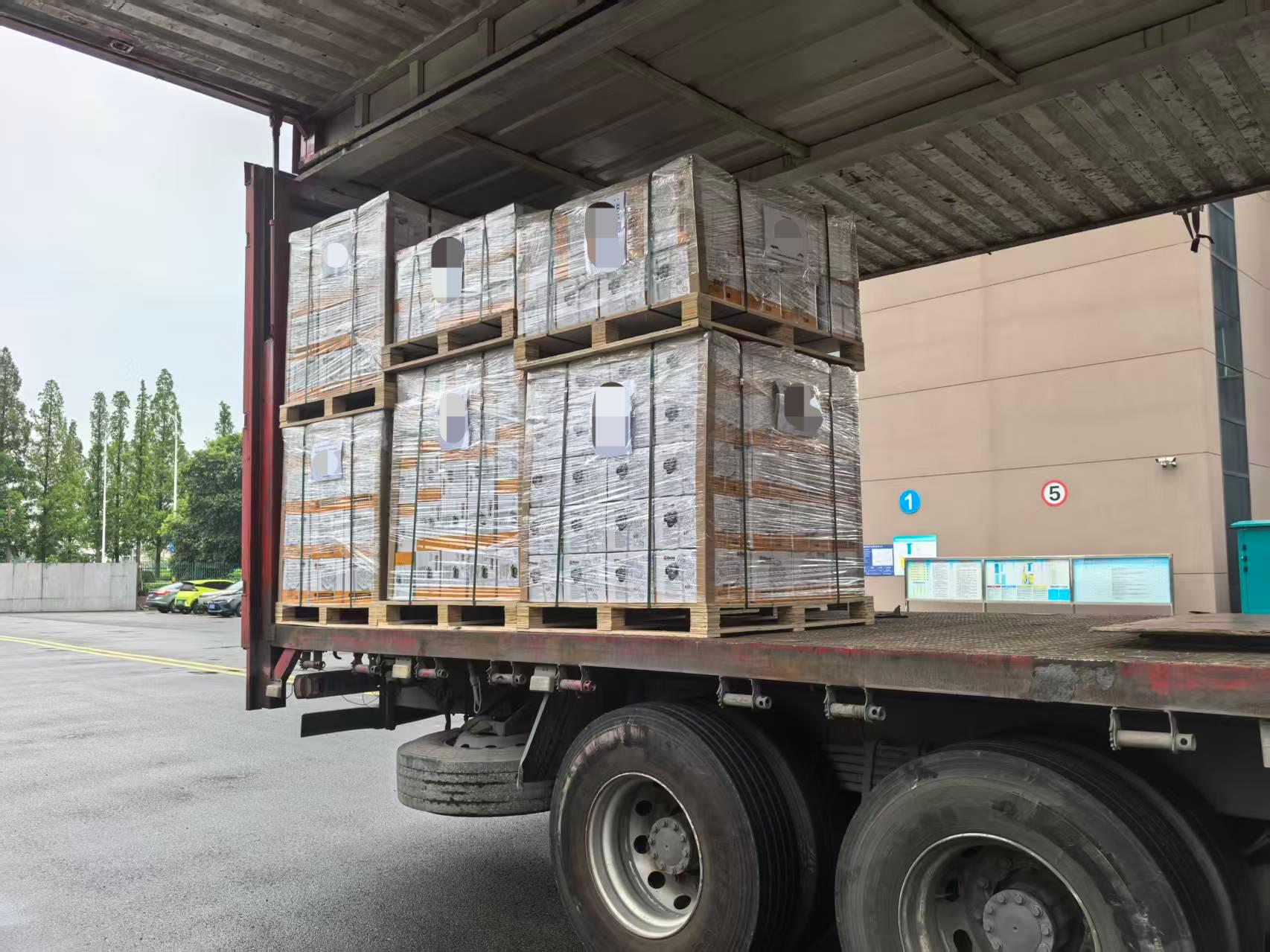
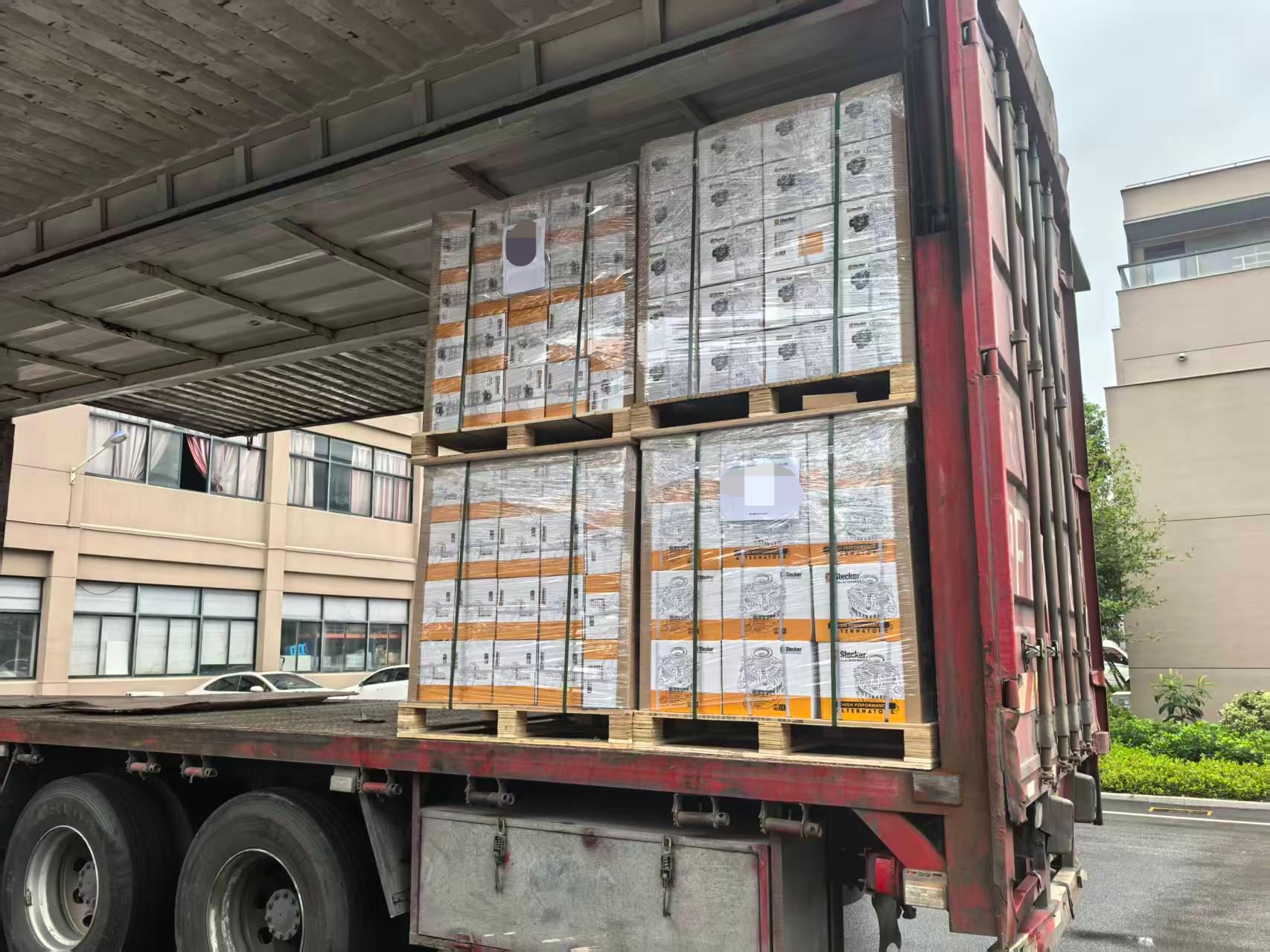
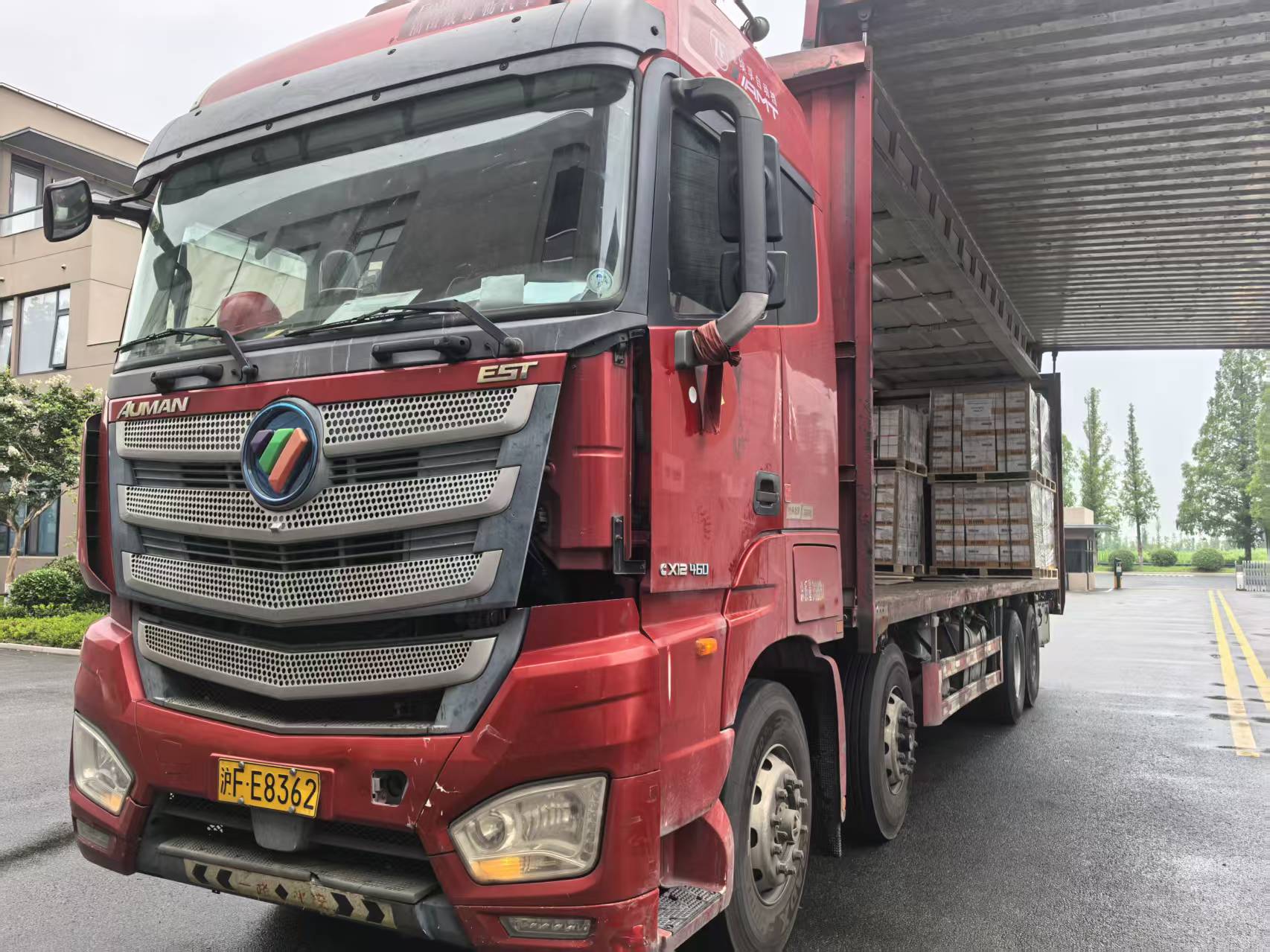
Even a well-made alternator can arrive damaged if packaging and logistics planning are weak. Export-ready manufacturers typically palletize goods with reinforced wooden pallets, shrink-wrap for stability during transit, and clear labeling for customs and destination sorting. This level of care reduces the risk of breakage, mislabeling, or customs delays — issues that are far more costly to resolve after a shipment has already left port than to prevent beforehand.
Buyers importing into markets with less predictable customs processing should also confirm that documentation — packing lists, commercial invoices, and country-of-origin labeling — is prepared accurately and consistently, since discrepancies at this stage are one of the most common causes of shipment delays.
Building a Long-Term Supplier Relationship
The most successful import relationships in this category are rarely built on a single low-price order. They develop over repeated shipments, where a manufacturer demonstrates consistent quality, honest lead-time estimates, and responsive after-sales support when warranty issues arise. Buyers benefit from treating the first order as a trial run — checking not just the product itself, but how the manufacturer communicates, documents, and resolves problems when something does not go perfectly.
A manufacturer willing to share production details, testing data, and clear packaging standards without being asked repeatedly is generally a stronger long-term partner than one that only offers reassurance without evidence. For distributors and repair networks operating across multiple regions, this kind of transparency ultimately reduces risk more than any single price negotiation can.
Related products
-
-

Designed to meet the rigorous demands of heavy-duty machinery, the 24V 27A 12031/012489023 Bosch car alternator for ATLAS Excavators KHD F10L413V/F8L413V Engine is a reliable power solution tailored f...
See Details -
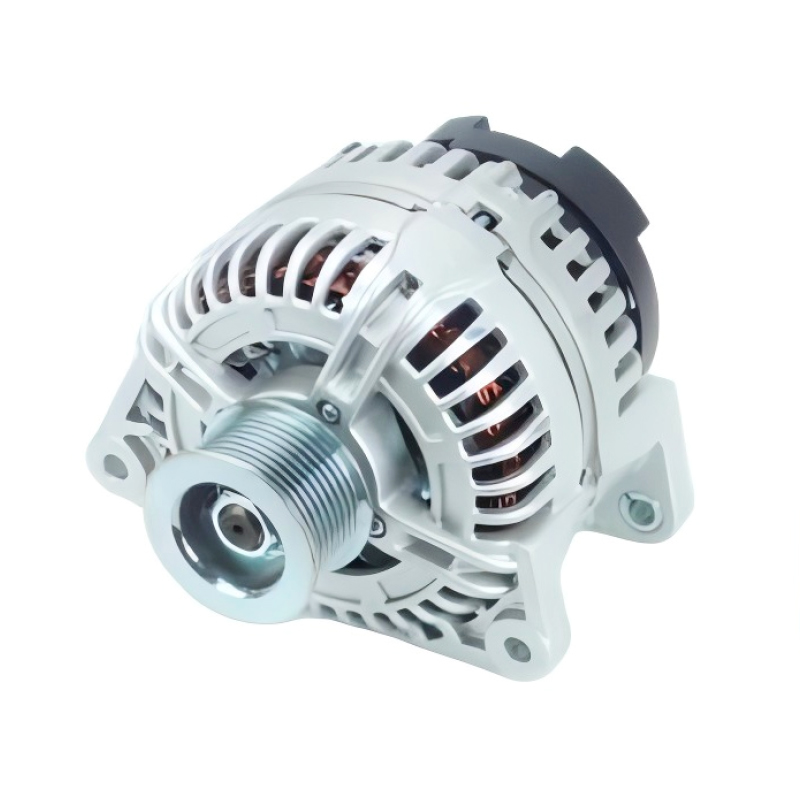
The 24V 100A 370100386 Bosch car alternator for Jinlong CMB YUCHAI YC4D140-20 is a high-quality power supply component meticulously designed for the Jinlong CMB YUCHAI YC4D140-20 engine series. As a t...
See Details -
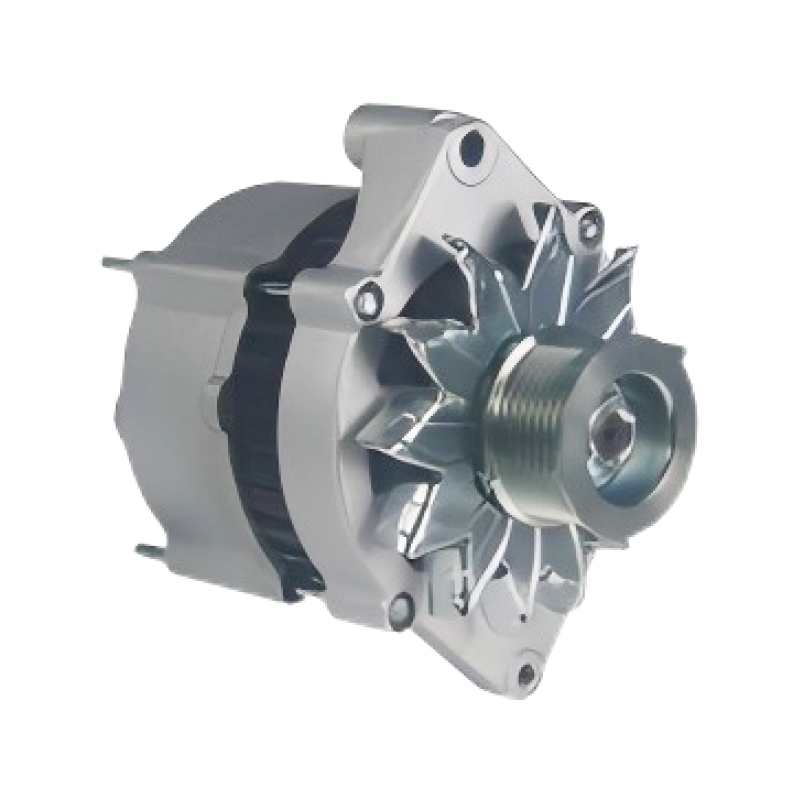
The 12V 120A 12373/0120484027 Bosch car alternator for Cummins 5.9L Diesel JOHN DEERE Combines 9540 is engineered specifically for Cummins 5.9L Diesel JOHN DEERE Combines 9540, delivering reliable pow...
See Details -

Designed as a reliable replacement and upgrade solution, the 12V 95A 12159/9120060041 Bosch car alternator for JOHN DEERE Engines - Marine 4045DFM70 is specifically engineered for the JOHN DEERE Engi...
See Details -
The 12V 55A 14390/012489022 Bosch car alternator for FARYMAN Engines Deutz,IHC 16.1L F10L is a reliable power solution tailored for FARYMAN Engines Deutz and IHC 16.1L F10L engine series, designed to ...
See Details

Contact Information
-
Production Plant:No.19, West Taihu Avenue, Wujin District, Changzhou City, Jiangsu Province, China
-
Email:
-
Phone:+86 157 2060 1523
-
TEL:+86-519 8639 0626
Copyright © 2025 Changzhou Hancheng Auto Parts Co., Ltd. All Rights Reserved.
PrivacyAutomotive Alternators Manufacturers High Output Car Alternator Factory
